Barbour and Aardman Reunite for a Second Consecutive Year to Unveil a Cinematic Christmas Masterpiece Featuring Wallace and Gromit

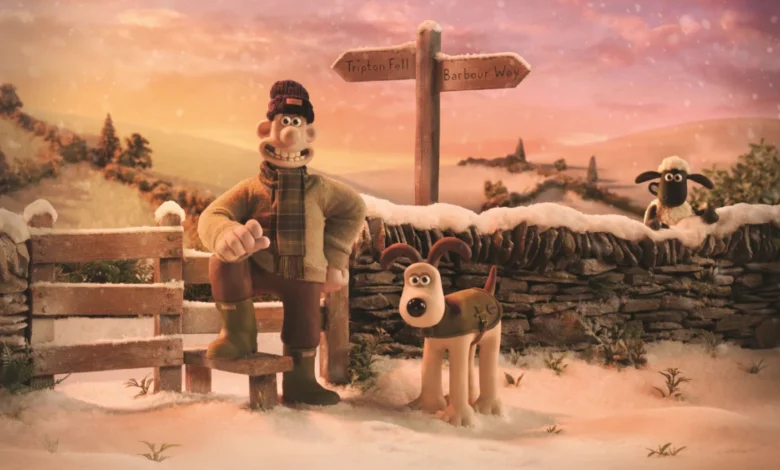
The heritage fashion house Barbour has solidified its position as a cornerstone of British festive advertising by announcing a second consecutive collaboration with the Academy Award-winning animation studio Aardman. The 2026 Christmas campaign, which serves as a spiritual successor to their highly successful 2025 outing, once again places the beloved claymation icons Wallace and Gromit at the center of a narrative designed to highlight the brand’s enduring connection to craftsmanship, tradition, and the quirks of British life.
Directed by Steve Harding-Hill, the short film continues the tradition of stop-motion excellence that has defined Aardman’s work for decades. The narrative arc follows the duo as they navigate the chaotic yet heartwarming preparations for the festive season. Integrating one of Wallace’s characteristically inventive, if slightly hazardous, contraptions, the film serves as a vehicle to showcase Barbour’s iconic tartan collections while grounding the commercial endeavor in the emotional resonance of family, friendship, and the inevitable mishaps that define the holiday experience.
A Legacy of British Collaboration
The partnership between Barbour and Aardman is not merely a seasonal marketing tactic but a strategic alignment of two quintessentially British institutions. Barbour, founded in 1894 in South Shields, has maintained its reputation as a global leader in waxed cotton outerwear, emphasizing durability and heritage. Similarly, Aardman, established in 1972 in Bristol, has become a global cultural exporter, celebrated for its meticulous attention to detail and a signature visual style that feels both timeless and grounded in the British experience.
This collaboration reflects a broader industry trend where legacy brands utilize high-production-value storytelling to foster emotional connections with consumers. By choosing characters as universally recognized as Wallace and Gromit, Barbour aims to transcend the traditional transactional nature of retail advertising, opting instead for a narrative-first approach that prioritizes brand affinity over immediate sales conversion.
The 2026 Festive Narrative: A Tactical Breakdown
The 2026 film centers on the premise of a Christmas Day stroll, a quintessential element of the British holiday tradition. In the narrative, Wallace’s penchant for overly complex engineering leads to an unexpected disruption of their tranquil walk. It is here that the product placement is seamlessly woven into the plot: Gromit, displaying his characteristic pragmatism and resourcefulness, relies on the reliability of his Barbour attire to resolve the situation.
This narrative choice is deliberate. By contrasting Wallace’s chaotic inventions with the steadfast, protective nature of the Barbour brand, the film reinforces the manufacturer’s value proposition: that their clothing provides comfort and utility in the face of unpredictable conditions. The campaign effectively positions the brand as a dependable companion during the festive season, whether one is out on a countryside ramble or dealing with the minor domestic crises that often characterize family gatherings.
Strategic Marketing and Brand Positioning
Jamie McCall, the global marketing director at Barbour, has characterized the partnership as a meeting of minds regarding craftsmanship. "Barbour and Aardman share a distinctly British heritage, a passion for craftsmanship and an appreciation for the attention to detail that make something truly special," McCall stated.
The strategy behind the campaign relies heavily on the "warmth, charm, and humor" associated with Wallace and Gromit. Market research consistently shows that cross-generational appeal is one of the most effective drivers of brand loyalty. By leveraging characters that appeal to both older demographics who grew up with the films and younger audiences who appreciate the aesthetic of stop-motion, Barbour ensures that its holiday messaging reaches a wide, diverse audience.
Furthermore, the focus on the "joy of giving" is a calculated effort to align the brand with the emotional milestones of the retail calendar. The campaign is designed to be shared across social media platforms, with the short-form nature of the film catering to current digital consumption habits while maintaining the cinematic quality expected of an Aardman production.
Aardman’s Expanding Commercial Portfolio
The 2026 season has been particularly significant for Aardman’s commercial wing. In addition to the Barbour collaboration, the studio has also partnered with the cider producer Thatchers for its own festive campaign. The inclusion of Aardman in multiple major brand campaigns highlights the studio’s versatility and its ability to act as a creative engine for diverse sectors, from fashion to consumer goods.
Martin Thatcher, in discussions regarding their partnership, noted that the objective was to move beyond the traditional "selling a pint" framework. Instead, the focus was placed on bringing "craftsmanship, cider, and festive magic to life." This shift toward values-based advertising—where the focus is on the brand’s identity and its role in the consumer’s life rather than specific product specifications—is indicative of a broader shift in the advertising industry.
Industry Implications and Market Analysis
The reliance on high-end animation for holiday advertising carries significant financial implications. The cost of production for a high-quality stop-motion commercial is substantially higher than standard digital or print advertising. However, the return on investment (ROI) is often measured through long-term brand equity, social media engagement, and the "halo effect" that a successful festive campaign casts over the entire product range for the following year.
Data from previous years suggests that retailers who invest in "emotional storytelling" see a higher rate of customer retention. Barbour’s strategy appears to be a defensive and offensive maneuver simultaneously: it defends its market share against competitors by reinforcing its premium, heritage status, while also offending against the anonymity of mass-market fast fashion by emphasizing the human (or in this case, clay) touch.
The decision to feature the Barbour tartan in the film is also a strategic product placement. The tartan is a core visual asset of the brand, and by integrating it into the costumes of the characters, Barbour strengthens its visual identity in the consumer’s subconscious. This is a subtle yet effective technique in retail marketing: the viewer is not explicitly told to buy a jacket; they are shown the jacket being used in a situation that they aspire to experience—a peaceful, protected, and stylish holiday.
Chronology of the Partnership
- Late 2025: Barbour and Aardman debut their first major collaboration, marking a pivot toward narrative-driven holiday advertising that garnered critical acclaim for its warmth and technical precision.
- Mid-2026: Initial planning stages for the 2026 campaign begin, with a focus on building upon the established chemistry between the Barbour brand identity and the Aardman characters.
- September 2026: Barbour formalizes its creative strategy, emphasizing the themes of resilience and the "joy of giving" as the central pillars of the upcoming holiday season.
- November 2026: The official launch of the 2026 film, accompanied by a multi-channel roll-out that includes social media snippets, behind-the-scenes content, and retail activations.
- December 2026: The campaign reaches its peak as the film serves as the centerpiece of Barbour’s digital and physical marketing presence, supported by secondary partnerships and brand experiences.
The Role of Narrative in Modern Retail
As the retail landscape becomes increasingly saturated with digital noise, the ability of a brand to stop the consumer in their tracks with a compelling story is paramount. Barbour’s success with the Aardman partnership underscores a critical lesson in modern marketing: consumers are increasingly seeking out brands that act as "content creators" rather than just manufacturers.
By providing a piece of entertainment that stands on its own merits, Barbour creates a positive association that persists even after the advertisement ends. The film is not perceived as a disruption, but rather as an addition to the festive season. This "value-add" marketing is likely to remain a dominant strategy for premium brands looking to maintain visibility in a crowded marketplace.
Conclusion: The Future of Festive Advertising
The 2026 Barbour and Aardman collaboration is a testament to the power of shared heritage and creative synergy. By blending the technical mastery of Aardman with the iconic, utilitarian aesthetic of Barbour, the partnership has created a campaign that feels both nostalgic and forward-looking.
As the retail industry continues to navigate the complexities of economic shifts and changing consumer preferences, the focus on authentic storytelling, craftsmanship, and emotional connection will remain the gold standard. Whether or not Wallace and Gromit will return for a third outing in 2027 remains to be seen, but the success of the 2026 campaign suggests that the formula is one that continues to resonate deeply with the public. Through their commitment to quality and their ability to capture the "magic of Christmas" in a uniquely British way, Barbour has ensured that its name remains synonymous with the festive season for another year.