Building a Strategic Fine Jewelry Capsule Wardrobe as an Investment Asset During Record High Gold Prices

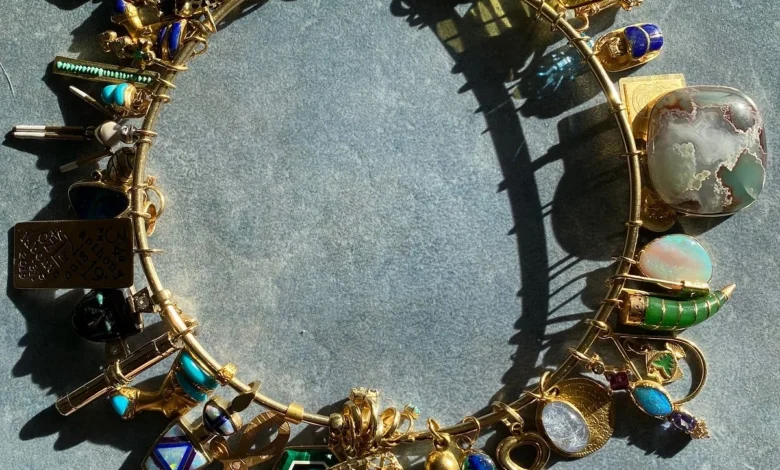
The global gold market has witnessed unprecedented volatility and growth in recent years, with spot prices reaching historic highs that have fundamentally altered consumer behavior in the luxury goods sector. As gold continues to serve as a primary safe-haven asset amidst geopolitical uncertainty and inflationary pressures, financial advisors and jewelry experts alike are advocating for a shift in how individuals approach the acquisition of personal accessories. The transition from "fast fashion" jewelry—often characterized by gold-plated base metals and ephemeral designs—toward a curated "capsule wardrobe" of solid karat gold jewelry represents a strategic move to preserve wealth while maintaining aesthetic utility. By focusing on quality over quantity, consumers are increasingly viewing fine jewelry not merely as an adornment, but as a tangible financial asset that retains intrinsic value regardless of fluctuating fashion trends.
The Economic Context of the Fine Jewelry Market
To understand the urgency of building a jewelry capsule wardrobe, one must first examine the trajectory of the gold market. Over the last decade, gold has demonstrated a consistent ability to act as a hedge against currency devaluation. In 2024, the price of gold surged past significant psychological barriers, driven by central bank purchases and a renewed interest in physical commodities. For the consumer, this means that the "cost of entry" for fine jewelry is higher than ever, yet the long-term "cost of ownership" remains remarkably low when compared to non-precious alternatives.
Gold-plated and "vermeil" jewelry, while initially more affordable, offer virtually zero resale value. These pieces consist of a thin layer of gold over brass, copper, or sterling silver; once the gold wears away, the item loses its aesthetic appeal and cannot be easily refined for its metal content. In contrast, jewelry crafted from 14-karat (14k) or 18-karat (18k) gold contains a high percentage of pure gold (58.3% and 75% respectively). These pieces can be sold to refineries, pawned, or traded at any time based on the current market weight of the metal. Consequently, the establishment of a capsule wardrobe is an exercise in fiscal responsibility, ensuring that every dollar spent contributes to a liquid asset.
The Methodology of the Jewelry Capsule Wardrobe
The concept of a capsule wardrobe, popularized in the 1970s by Susie Faux and later by Donna Karan, focuses on a limited collection of essential items that do not go out of style and can be augmented with seasonal pieces. Applying this to fine jewelry requires a disciplined five-step approach designed to maximize versatility and investment potential.
Step 1: Categorization and Essential Identification
The first phase involves a comprehensive audit of personal needs. A functional capsule wardrobe is typically divided into four primary categories: necklaces and chains, earrings, bracelets, and rings. A fifth "miscellaneous" category accounts for functional or high-concept items such as watches, ear cuffs, and connectors. Experts suggest that individuals should exclude any category they do not habitually wear. For instance, if an individual finds bracelets cumbersome for daily office work, that portion of the budget should be reallocated to a more frequently utilized category, such as earrings or rings.
Step 2: Aesthetic Definition and Style Mapping
A successful capsule wardrobe must reflect the wearer’s personal brand to ensure longevity. This stage requires breaking down each category by style preference. Journalistic analysis of consumer trends shows a growing preference for "quiet luxury"—minimalist designs that emphasize material quality over flashy logos. Consumers are encouraged to identify whether they prefer geometric shapes, organic textures, or classical motifs. By documenting these preferences—often through visual mood boards—buyers can avoid "impulse " purchases that do not align with their long-term collection goals.
Step 3: Quality Benchmarking and Sourcing
Once the style is defined, the focus shifts to technical specifications. A true investment capsule requires a minimum of 14k gold and, where applicable, natural gemstones. Synthetic or "simulated" stones do not carry the same resale value as natural diamonds, sapphires, or rubies. This step involves researching reputable brands and independent jewelers who provide certifications for their materials. The objective is to select 2 to 4 "hero" pieces per category that serve as the foundation of the collection.

Step 4: Prioritized Acquisition
Building a fine jewelry collection is a multi-year endeavor. Due to the high cost of karat gold, a phased acquisition strategy is necessary. Market analysts recommend ranking the desired list by "cost-per-wear." A pair of gold hoops that will be worn daily should take precedence over a statement cocktail ring intended for occasional evening events. This chronological approach allows the collector to benefit from dollar-cost averaging in the gold market, purchasing different pieces at different market price points over time.
Step 5: Seasonal Rotation and Portfolio Management
A capsule wardrobe is not static. As trends evolve, the owner can rotate pieces or sell items that no longer fit their lifestyle. Because the items are made of precious metal, they can be traded in for "scrap" value to fund new purchases, a process known as "upcycling" within the luxury sector. This creates a circular economy within the individual’s personal collection.
Defining the Essential Staples: A Modern Archetype
To illustrate the practical application of these steps, industry experts often point to a "standardized" list of essentials that balance timelessness with modern flair.
The Foundation of Chains and Necklaces
A versatile neckwear collection generally consists of four distinct lengths and weights.

- The Long Utility Chain: A 20-inch or longer solid box chain or "mariner" link. These are durable enough to hold heavy pendants and provide a vertical line that complements knitwear and high-neck silhouettes.
- The Statement Piece: A thick, semi-hollow chain (to manage weight and cost) that serves as the centerpiece of an outfit.
- The Daily Minimalist: A short, simple chain such as a mini-Figaro or cable link, designed for layering or subtle everyday wear.
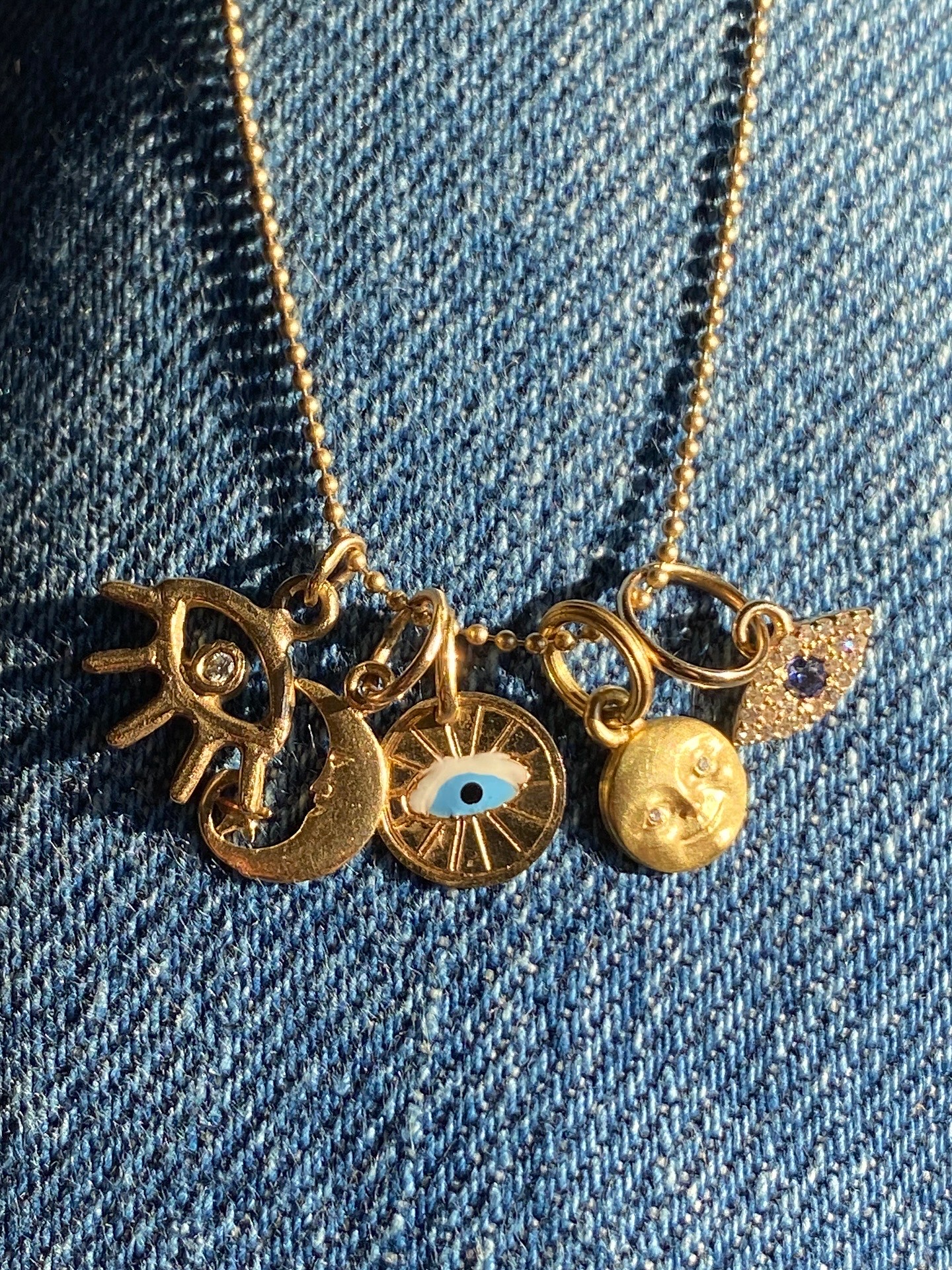
- The Artistic Variant: A unique "fancy" chain, perhaps featuring enamel accents or unusual link shapes, which adds personality to the collection without sacrificing metal value.
The Earring Suite
Earrings are the most visible component of a jewelry wardrobe. The capsule focuses on three pillars:
- Gold Hoops: Often cited as the single most important jewelry investment, a perfect pair of gold hoops offers a transition from casual to formal settings.
- Secondary Studs: For those with multiple piercings, small gold studs provide a cohesive look.
- Geometric Statements: A pair of dangles or bold shapes that provide a "finished" look for professional or social engagements.
Wristwear and Rings
In the realm of bracelets, the "bangle" remains the gold standard for durability. A plain, solid gold bangle with a perfect fit is preferred over delicate chains that are prone to snapping. This is often supplemented by "line" bracelets—either all-gold or diamond-set (the classic tennis bracelet)—which offer a blend of texture and sparkle.
For rings, the strategy involves a mix of "stackers" and "anchors." All-gold stacker bands allow for modularity, while a "pinky ring" (often an antique signet) adds a touch of historical character. A statement ring, often featuring a primary gemstone or an intricate diamond pavé design, serves as the collection’s "color" element.
Industry Implications and Market Analysis
The shift toward fine jewelry capsules has significant implications for the retail jewelry industry. Traditional "mall jewelers" who rely on high-volume sales of low-karat or plated items are facing stiff competition from direct-to-consumer brands that emphasize transparency in gold weight and sourcing.

Furthermore, the secondary market—comprising estate jewelry and vintage resellers—has seen a surge in activity. Collectors are realizing that "old gold" often features superior craftsmanship and higher density than modern mass-produced pieces. This has led to a democratization of the investment process, where consumers are as likely to buy a 1920s signet ring from an auction house as they are to buy a modern band from a luxury boutique.
From a sustainability perspective, the capsule wardrobe model is the antithesis of the environmental degradation caused by the mining of base metals for cheap jewelry that inevitably ends up in landfills. Gold is one of the most recycled materials on earth; nearly all gold ever mined is still in circulation in some form. By investing in solid gold, consumers are participating in a more sustainable form of consumption.
Conclusion: The Long-Term Value Proposition
Building a fine jewelry capsule wardrobe is a deliberate act of financial and aesthetic curation. In an era where the purchasing power of fiat currency is frequently questioned, the transition to "wearable wealth" provides a unique psychological and economic safety net. While the initial capital outlay for a solid 14k or 18k gold collection is substantially higher than that of costume jewelry, the elimination of "sunk costs" on disposable items makes it the more economical choice over a lifetime.
As gold prices continue their upward trajectory, the window for entry-level investment narrows, yet the rewards for those who commit to quality remain high. A well-constructed capsule wardrobe does not merely serve the fashion needs of the present; it acts as a legacy asset, capable of being passed down through generations or liquidated in times of financial necessity. In the final analysis, the move toward fine jewelry is a return to the historical roots of adornment: a marriage of beauty, craftsmanship, and enduring value.