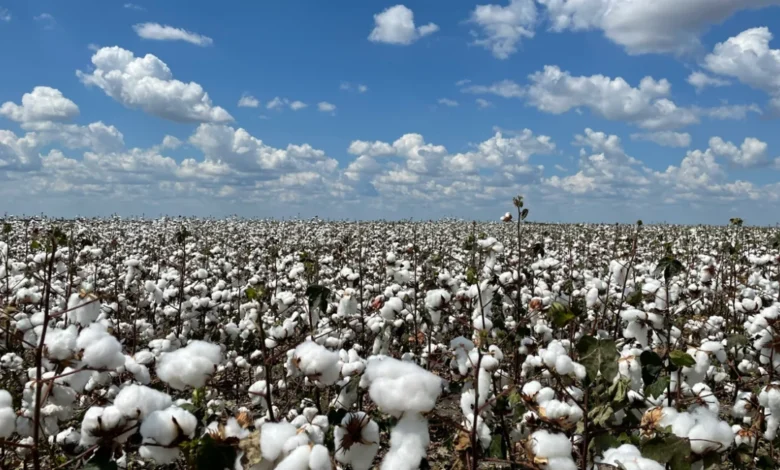
The global fashion industry is undergoing a profound structural metamorphosis, pivoting away from the opaque and resource-intensive practices of the fast-fashion era toward a paradigm defined by radical transparency: the farm-to-closet model. As environmental degradation and human rights concerns reach a critical juncture, this movement seeks to bridge the chasm between raw material extraction and final consumption. By tracing the provenance of a garment back to the very field where its fibers were harvested, designers and consumers are redefining the lifecycle of clothing. At the vanguard of this shift is the Indonesian label SukkhaCitta, which has operationalized the farm-to-closet philosophy to challenge the systemic inefficiencies of mass-market textile production.
The Anatomy of the Fast Fashion Crisis
To understand the necessity of the farm-to-closet movement, one must first analyze the mechanisms of the conventional fast-fashion industry. Since the early 2000s, the democratization of fashion—facilitated by globalized supply chains and low-cost labor—has led to a staggering increase in consumption. According to the United Nations Environment Programme (UNEP), the fashion industry is responsible for 2 to 8 percent of global carbon emissions and consumes approximately 93 billion cubic meters of water annually.
The chronology of this decline is well-documented. During the 1990s, the average consumer purchased 60 percent more items of clothing than in the previous decade, yet each garment is kept for only half as long. This cycle of "buy-use-dispose" has resulted in an estimated 92 million tons of textile waste generated annually, with the majority ending up in landfills or incinerators. The anonymity of these supply chains—where the original cotton grower is thousands of miles removed from the final retail shelf—has effectively shielded brands from the environmental and social costs of their production.
Chronology of the Shift: From Exploitation to Traceability
The impetus for a "farm-to-closet" approach did not emerge in a vacuum. It is the culmination of decades of advocacy by organizations such as Fashion Revolution, which gained global prominence following the 2013 Rana Plaza collapse. This tragedy served as a grim catalyst, forcing the industry to confront the human cost of its lack of transparency.
In the years following, the "slow fashion" movement began to gain traction, advocating for quality over quantity. By 2020, as the COVID-19 pandemic disrupted global logistics, the fragility of long, hyper-extended supply chains became undeniable. Brands began to explore shorter, more localized production loops. The current iteration of the farm-to-closet model represents the maturity of this trend, integrating regenerative agriculture—a farming practice that restores soil health and sequesters carbon—directly into the garment production pipeline.
SukkhaCitta: A Case Study in Regenerative Fashion
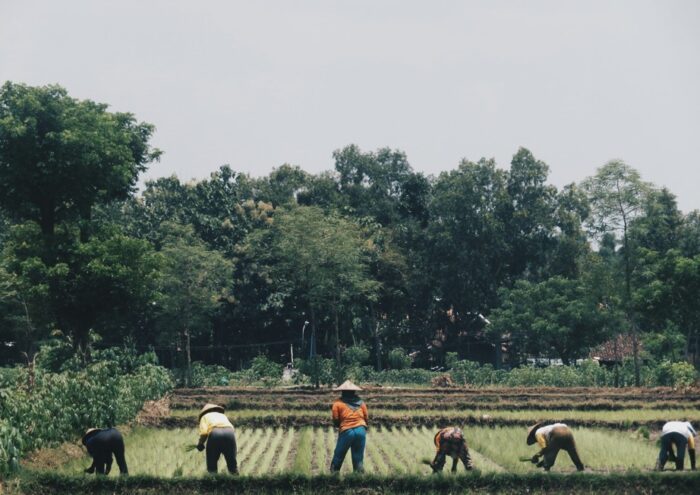
The Indonesian brand SukkhaCitta has emerged as a beacon for this systemic change. Rather than treating fashion as a disconnected manufacturing process, the brand views it as an extension of the land. Their operational model begins with the soil. By partnering directly with rural farming communities in Indonesia, SukkhaCitta ensures that the cotton utilized in their textiles is grown using regenerative practices that avoid synthetic pesticides and fertilizers.
The use of traditional natural dyes, specifically indigo, serves as both an ecological and cultural cornerstone of their strategy. Unlike synthetic chemical dyes, which are a primary source of industrial water pollution, natural indigo is biodegradable. However, the process is labor-intensive, requiring multiple cycles of immersion and oxidation to achieve the desired hue. By elevating these artisanal techniques, the brand provides economic stability to rural weavers and dyers, ensuring that ancestral knowledge is preserved rather than erased by industrial mechanization.
Data-Driven Implications for Global Supply Chains
The transition to a transparent supply chain carries significant economic and environmental implications. A report by the Ellen MacArthur Foundation suggests that shifting toward a circular economy in the fashion sector could unlock $560 billion in economic opportunity by reducing waste and extending the lifespan of garments.
From an environmental standpoint, the metrics are compelling. Regenerative agriculture has the potential to sequester up to 10 percent of global carbon emissions if scaled correctly. Furthermore, transparency initiatives—such as the implementation of blockchain-based tracking or digital product passports—are becoming essential as regulatory bodies, particularly in the European Union, move toward stricter "due diligence" requirements. Brands that fail to map their supply chains back to the farm level risk not only reputational damage but also legal non-compliance as "greenwashing" becomes a target for consumer protection agencies.
The Social Dimension: Empowerment and Fair Wages
A critical component of the farm-to-closet model is the correction of power imbalances within the workforce. In the fast-fashion hierarchy, the primary producer—the farmer—is often the least compensated individual in the value chain. By eliminating intermediaries and establishing direct trade relationships, labels like SukkhaCitta are able to return a larger share of the retail price to the source.
Interviews with artisans working under this model indicate a shift in the perceived value of their labor. When a maker understands the entire journey of the material they are handling, the production process moves from monotonous assembly-line work to a craft-based contribution. This "human-centric" approach is essential for the long-term sustainability of the industry. It posits that a garment’s price should reflect the true cost of production, including fair wages, ethical working conditions, and the preservation of local ecosystems.

Challenges to Scaling the Model
Despite its clear benefits, the farm-to-closet model faces significant hurdles to mass-market adoption. The primary challenge is scale. Regenerative farming and artisanal weaving are inherently slower and more localized than industrial manufacturing. The output cannot be force-multiplied to satisfy the demands of global fast-fashion retail conglomerates without losing its essential qualities.
Furthermore, the price point of farm-to-closet garments remains a barrier for many consumers accustomed to the artificially low prices of mass-market retail. Analysts argue that this is not a failure of the model, but rather a reflection of the true cost of clothing. The challenge for the industry lies in shifting consumer expectations from "disposable, cheap fashion" to "investment-grade, sustainable fashion." This requires a radical communication strategy to educate the public on why a higher upfront cost translates into a longer product lifespan and a lower total cost of ownership.
Future Outlook: Toward a Responsible Ecosystem
As the fashion industry looks toward the next decade, the farm-to-closet model offers a blueprint for what a "responsible" industry might look like. It is not necessarily a move toward degrowth, but toward a model of "better growth." This entails designing garments for longevity, utilizing renewable materials, and maintaining an unwavering commitment to the communities that sustain production.
The trajectory of the fashion industry will likely diverge into two distinct paths: one that continues to rely on the extraction of finite resources and the exploitation of labor, and another that integrates deeply with natural and social ecosystems. The success of pioneers like SukkhaCitta proves that the latter is not only viable but essential for the survival of the industry in a resource-constrained world.
Ultimately, the future of fashion rests on the ability of the entire industry—from the global conglomerate to the independent designer—to embrace the narrative of the product. When a consumer picks up a shirt and can trace its history to a specific farm, a specific weaver, and a specific regenerative practice, the garment ceases to be a mere commodity. It becomes a testament to a healthier, more transparent, and more equitable relationship between humanity, our clothing, and the earth that provides the fibers for both. The shift from "fast" to "transparent" is no longer a niche preference; it is the fundamental requirement for the industry’s continued existence.