Global Spirits Industry Overview: Ten Underrated Regional Eaux-de-Vies Breaking Into Mainstream Markets

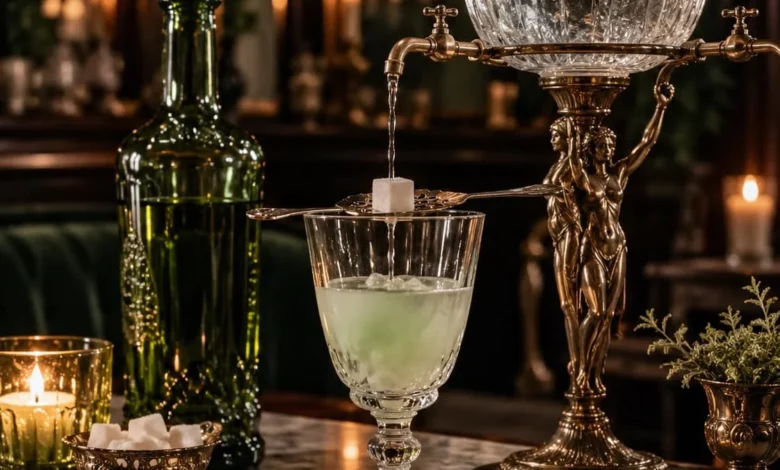
The global spirits landscape has long been defined by a handful of commercial heavyweights. According to recent market analysis by the International Wines and Spirits Record (IWSR), established global categories such as whisky, vodka, gin, rum, and brandy continue to dominate approximately 75 percent of total worldwide spirits sales and command the vast majority of retail shelf space in domestic drinks cabinets. However, beneath this mainstream superstructure exists a vast, culturally rich ecosystem of regional spirits that are rapidly transitioning from localized traditions to international commodities. Driven by an increasingly adventurous consumer base and a renaissance in craft cocktail bars, these ten underrated spirits—ranging from centuries-old French apple brandies to traditional Brazilian cane juices—are reshaping the global palate, offering distinct agricultural profiles, deep historical pedigrees, and complex production methods that challenge the supremacy of mass-market brands.
Historical Evolution and the Shift Toward Regional Authenticity
The contemporary surge in interest surrounding lesser-known regional spirits is not a sudden marketing phenomenon, but rather the culmination of decades of changing consumer behavior. Over the past fifteen years, macroeconomic trends in food and beverage have shifted decisively toward provenance, authenticity, and craft production. Spirits historians note that many of these regional drinks originated not as commercial enterprises, but as local preservation methods for surplus agricultural yields—whether grapes in Gascony, apples in Normandy, or sugar cane in Martinique.
Historically restricted by protectionist trade laws, localized consumption habits, and a lack of global distribution networks, these categories have benefited immensely from modern supply chain logistics and digital connectivity. Industry trade associations, such as the Bureau National Interprofessionnel de l’Armagnac (BNIA), report a steady year-on-year increase in export volumes over the past decade, signaling a fundamental shift in how international consumers perceive value and heritage in alcoholic beverages. Independent distillers are no longer bound by traditional regional borders; instead, they are leveraging modern e-commerce platforms and international spirits competitions to introduce their products to discerning drinkers in North America, Asia, and northern Europe.
Absinthe: Debunking Myths and Enjoying a Modern Renaissance
Long shrouded in myth, sensationalism, and regulatory suppression, absinthe has emerged from the shadows of 19th-century bohemian folklore to claim a respected place in modern mixology. Originating in Switzerland before becoming a cultural touchstone in belle époque France, absinthe is a botanical spirit crafted primarily through the maceration and distillation of a neutral alcohol base with grand wormwood (Artemisia absinthium), green anise, and sweet fennel.
During its peak popularity in the late 1800s, the spirit gained a notorious reputation, with moral crusaders and temperance movements falsely blaming it for a syndrome known as absinthism—characterized by hallucinations, madness, and violent behavior. Modern toxicological research and historical analysis have conclusively debunked these claims, revealing that the detrimental health effects attributed to absinthe were actually the result of rampant methanol poisoning from cheap, poorly produced industrial substitutes and chronic, high-volume alcoholism.
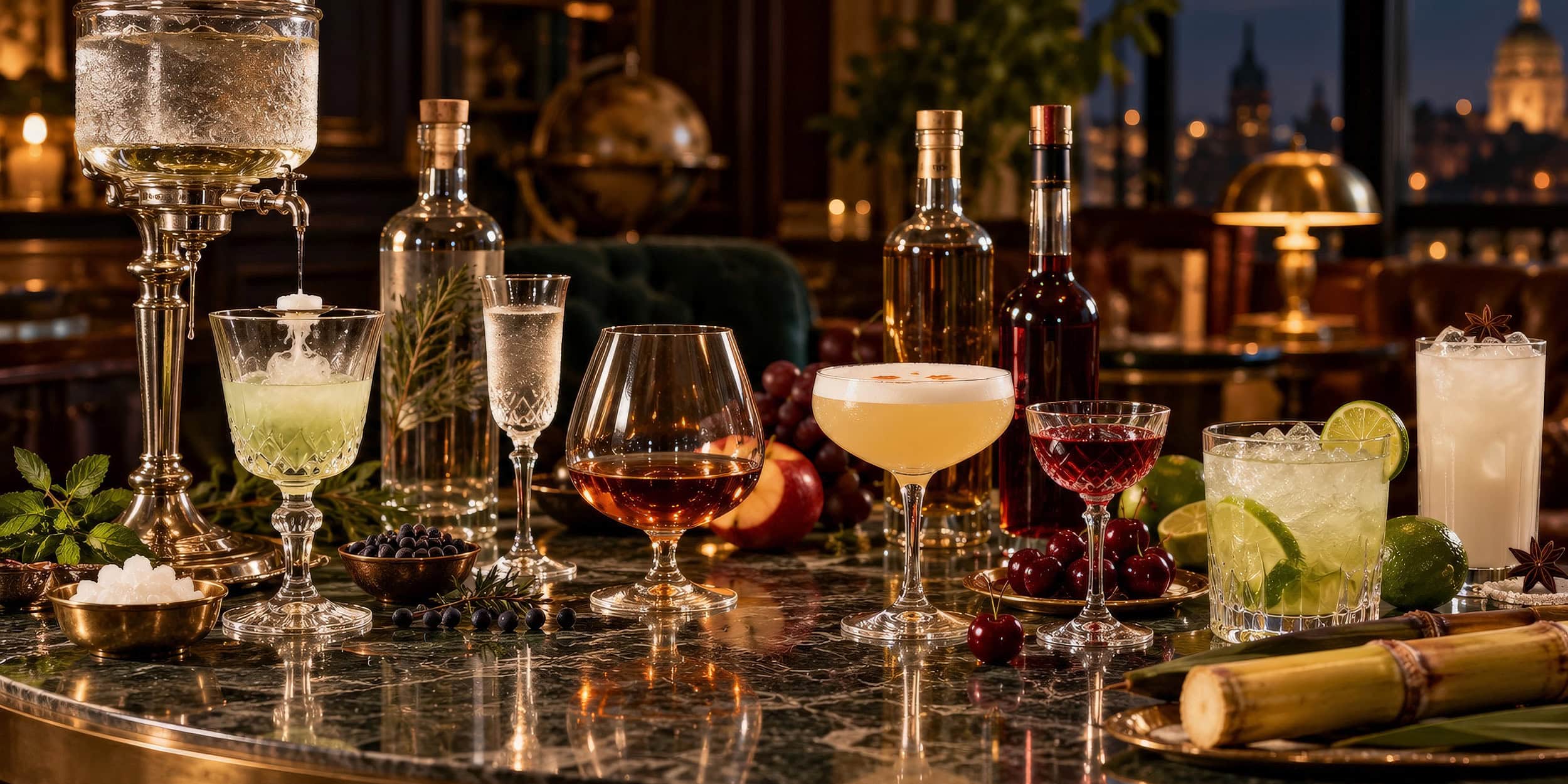
In the wake of the 20th-century prohibition waves that swept across Europe and the United States, absinthe production was severely curtailed for nearly a century. However, regulatory easing in the early 2000s catalyzed a global revival. Today, craft distilleries worldwide are producing authentic, high-quality expressions. Traditionally served via the drip method—where ice-cold water is slowly poured over a sugar cube resting on an ornate slotted spoon, causing the oils to emulsion and turn the liquid an opaque, milky-green (the louche)—absinthe is also praised by contemporary bartenders for its complex herbal backbone, which anchors classic cocktails like the Sazerac.
Aquavit: The Scandinavian Staple Transforming Modern Cocktail Culture
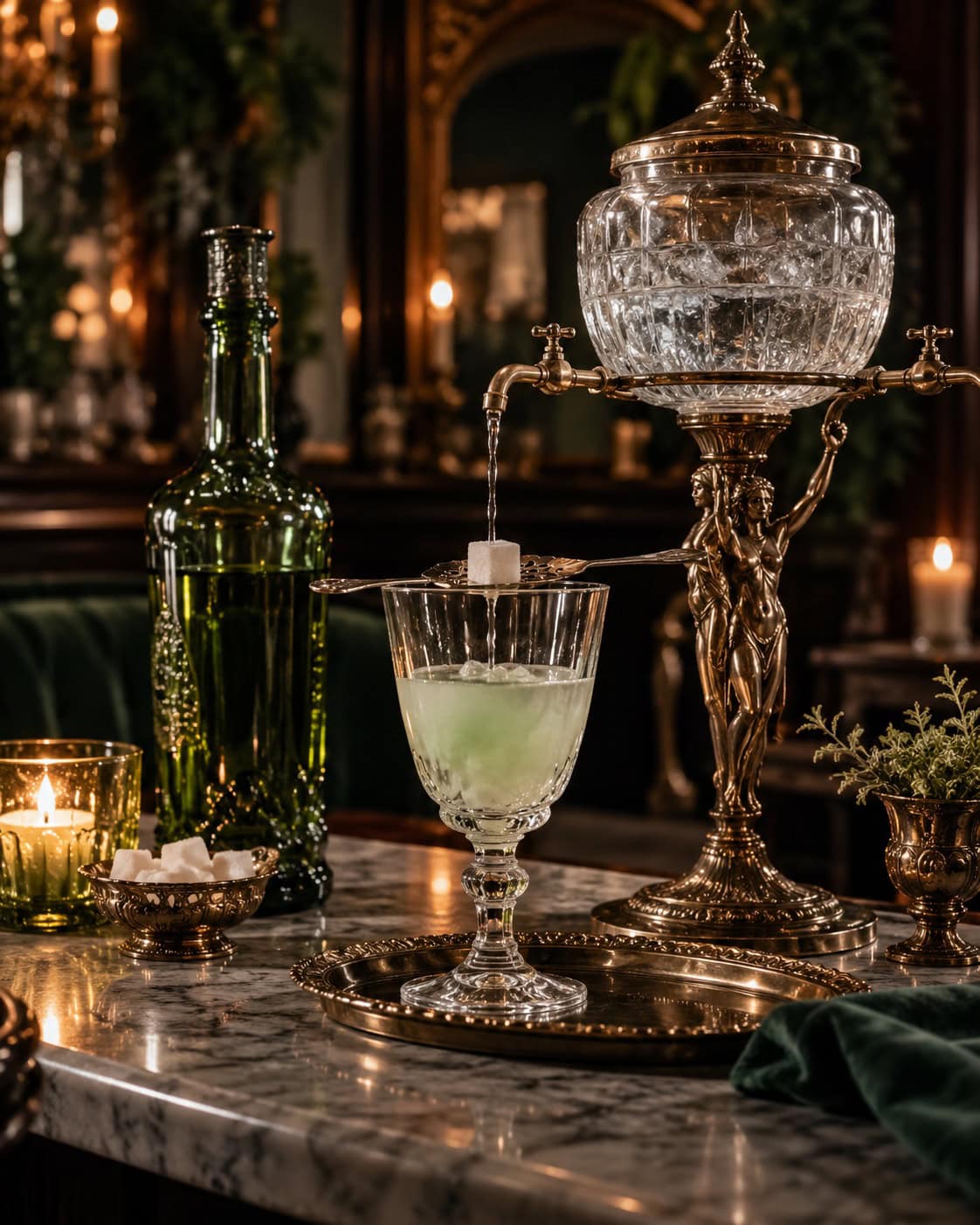
Aquavit, deeply embedded in the cultural fabric of Scandinavia for over five centuries, is undergoing a quiet revolution as bartenders worldwide harness its savory and botanical characteristics. Derived from the Latin phrase aqua vitae, meaning "water of life," aquavit’s history mirrors that of many early European spirits, initially serving as a medicinal tincture before evolving into a dietary accompaniment.
Legally defined by the European Union, aquavit must be produced from a base of grain or potato spirit and predominantly flavored with caraway, dill seed, or a combination of both. Secondary botanicals frequently include citrus peel, cardamom, anise, and fennel. Unlike neutral vodkas, aquavit retains a pronounced, earthy, and herbal profile that reflects its agricultural origins.
Market data from Nordic alcohol monopolies, such as Systembolaget in Sweden and Vinmonopolet in Norway, indicate a growing domestic and international appreciation for aged aquavits, which are matured in seasoned oak casks, imparting a golden hue and vanillin notes reminiscent of lightly aged whiskey. Creative mixologists are increasingly substituting aquavit for gin or vodka in traditional recipes, creating savory culinary cocktails that pair exceptionally well with seafood, charcuterie, and fermented foods.
Armagnac: France’s Oldest and Most Characterful Eau-de-Vie
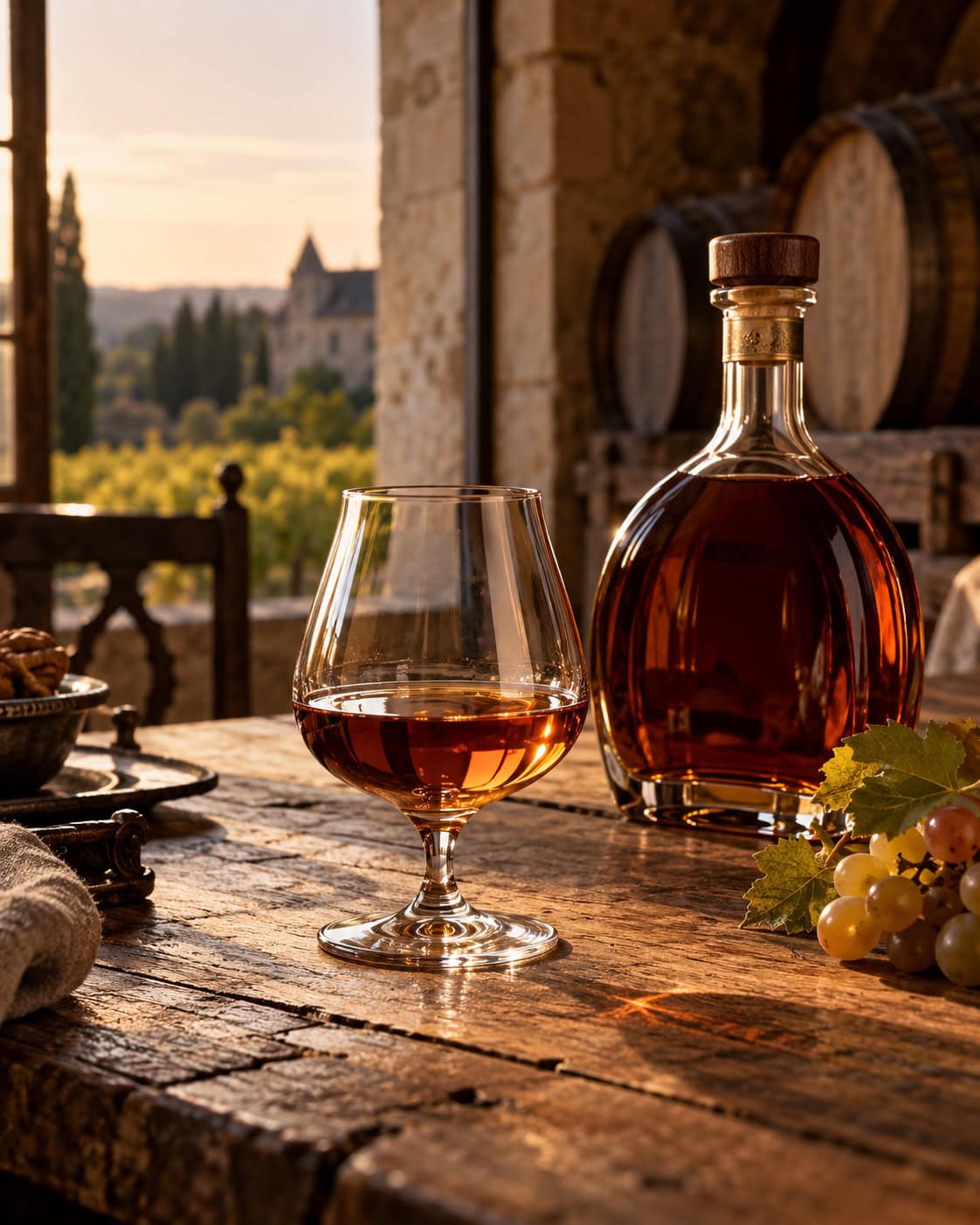
While its younger, more heavily marketed neighbor Cognac often dominates the global brandy conversation, Armagnac remains France’s oldest and arguably most artisanal eau-de-vie. Produced in the Gascony region of southwest France, written archives verify the existence of Armagnac production as early as 1310—centuries before Cognac gained commercial prominence.
Production of Armagnac is legally confined to three distinct sub-regions: Bas-Armagnac, Armagnac-Ténarèze, and Haut-Armagnac, utilizing a permitted blend of grape varieties including Ugni Blanc, Baco Blanc, Colombard, and Folle Blanche. Unlike Cognac, which is almost exclusively double-distilled in traditional pot stills, a significant portion of Armagnac is historically distilled just once using a continuous column still (alambic armagnacais), yielding a heavier, more structurally robust spirit that captures the rustic essence of the base wine.
Because the region is dominated by small, independent winegrowers and family-run estates rather than massive corporate conglomerates, Armagnac retains a fiercely artisanal character. Market analysts note that while production volumes are a fraction of Cognac’s output, consumer demand for vintage-dated Armagnacs—bottled directly from a single distillation year—has grown steadily among spirits collectors seeking unadulterated terroir-driven expressions.
Cachaça: Brazil’s National Spirit Steps Out of Rum’s Shadow
Cachaça is frequently and erroneously categorized by international consumers as "Brazilian rum," a classification that overlooks both its distinct chemical composition and its profound cultural significance. As Brazil’s national spirit, cachaça boasts a production history spanning more than 450 years, making it one of the oldest distilled spirits in the Americas.
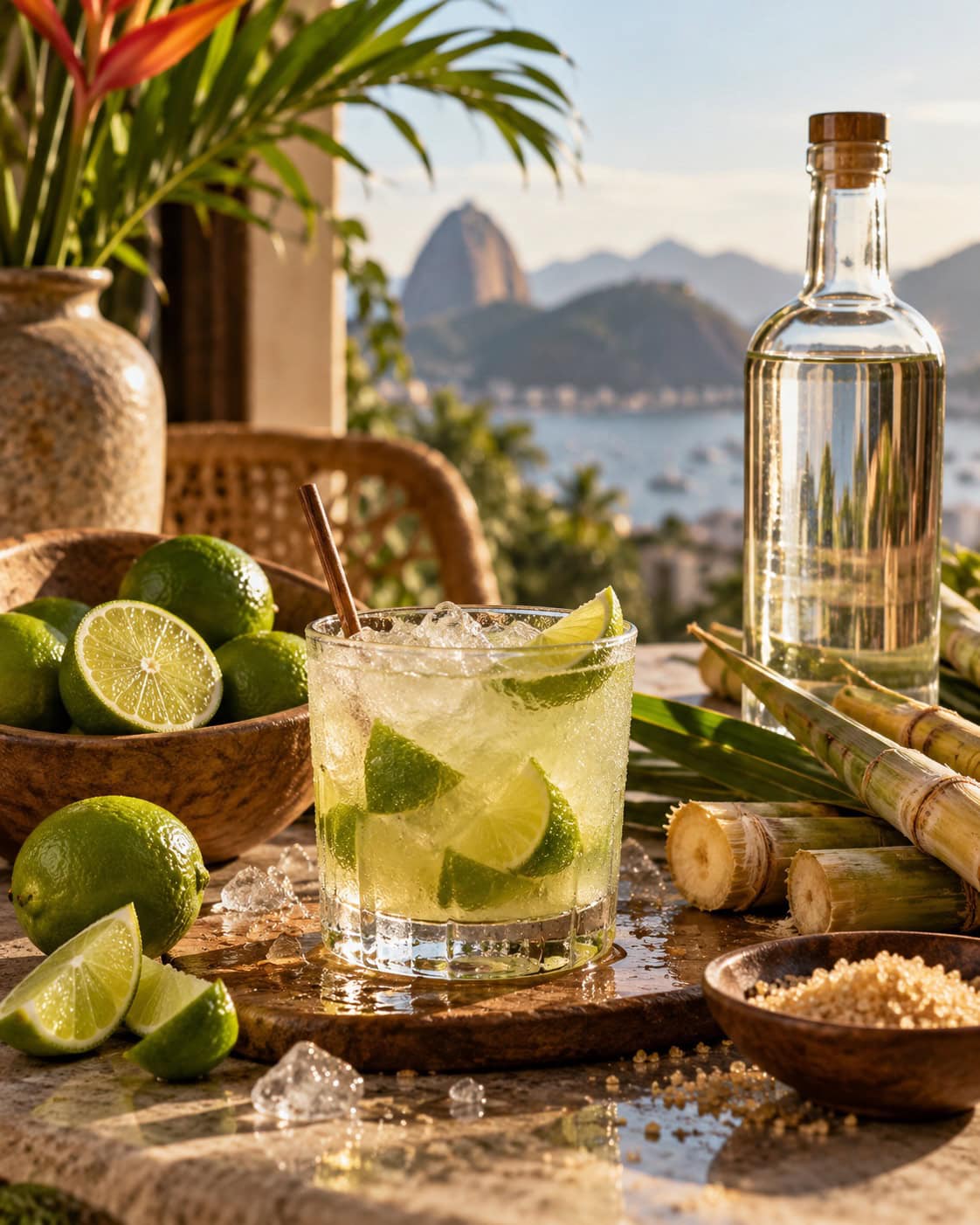
The fundamental divergence between cachaça and conventional rum lies in the raw material: while the vast majority of international rums are distilled from molasses—a byproduct of the sugar refining process—cachaça is produced exclusively from the fermentation and distillation of fresh, pressed sugar cane juice. This production method preserves volatile aromatic compounds, resulting in a spirit that is bright, herbaceous, vegetal, and intensely grassy when unaged. When matured in native Brazilian woods such as bálsamo, amburana, or jequitibá, cachaça develops complex spicy, floral, and woody notes.
According to trade data from the Brazilian Ministry of Agriculture, international exports of cachaça have expanded significantly over the past decade, driven largely by the global popularity of the Caipirinha—a simple yet iconic cocktail consisting of cachaça, fresh limes, granulated sugar, and crushed ice. Regulatory frameworks, including appellation of origin protections in the United States and European Union, have further solidified cachaça’s status as a distinct, protected global spirit category.
Calvados: Normandy’s Apple Brandy and the Legacy of Orchard Distillation
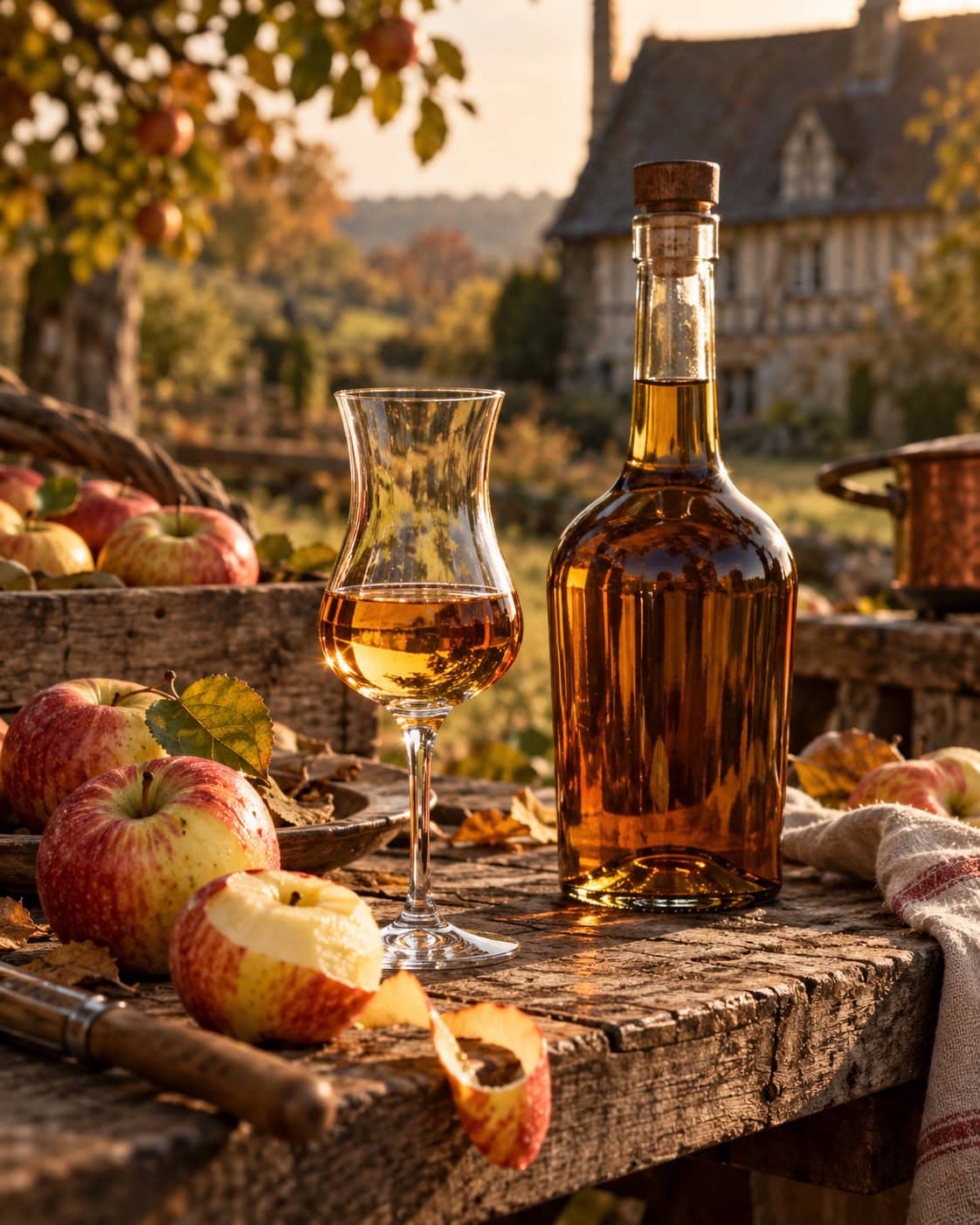
Nestled in the picturesque orchards of Normandy in northwestern France, Calvados represents a masterclass in regional resourcefulness and agricultural heritage. The practice of distilling fermented apple cider into a concentrated brandy dates back to the 16th century, with the first official distilling guild regulations established in Normandy in 1553.
The spirit experienced a massive commercial boom in the late 19th century when the devastating phylloxera epidemic swept across Europe, wiping out the continent’s grape vineyards and crippling the Cognac and Armagnac industries. Deprived of grape-based brandies, consumers and merchants turned to Normandy’s apple orchards to fill the void, permanently cementing Calvados in the French national consciousness.
Calvados production is strictly regulated under Appellation d’Origine Contrôlée (AOC) laws, which dictate permitted apple varieties (ranging from sharp and bitter to sweet) and distillation techniques. Styles vary dramatically based on maturation duration and barrel aging, offering profiles that transition from fresh, crisp orchard fruit in young expressions to rich, baked apple, warm spice, and leather notes in decades-old bottlings. Industry experts view Calvados as an exceptionally food-friendly spirit, frequently served between courses as a traditional trou normand or paired with artisanal cheeses and chocolates.
Genever: The Historic Ancestor of Modern Gin
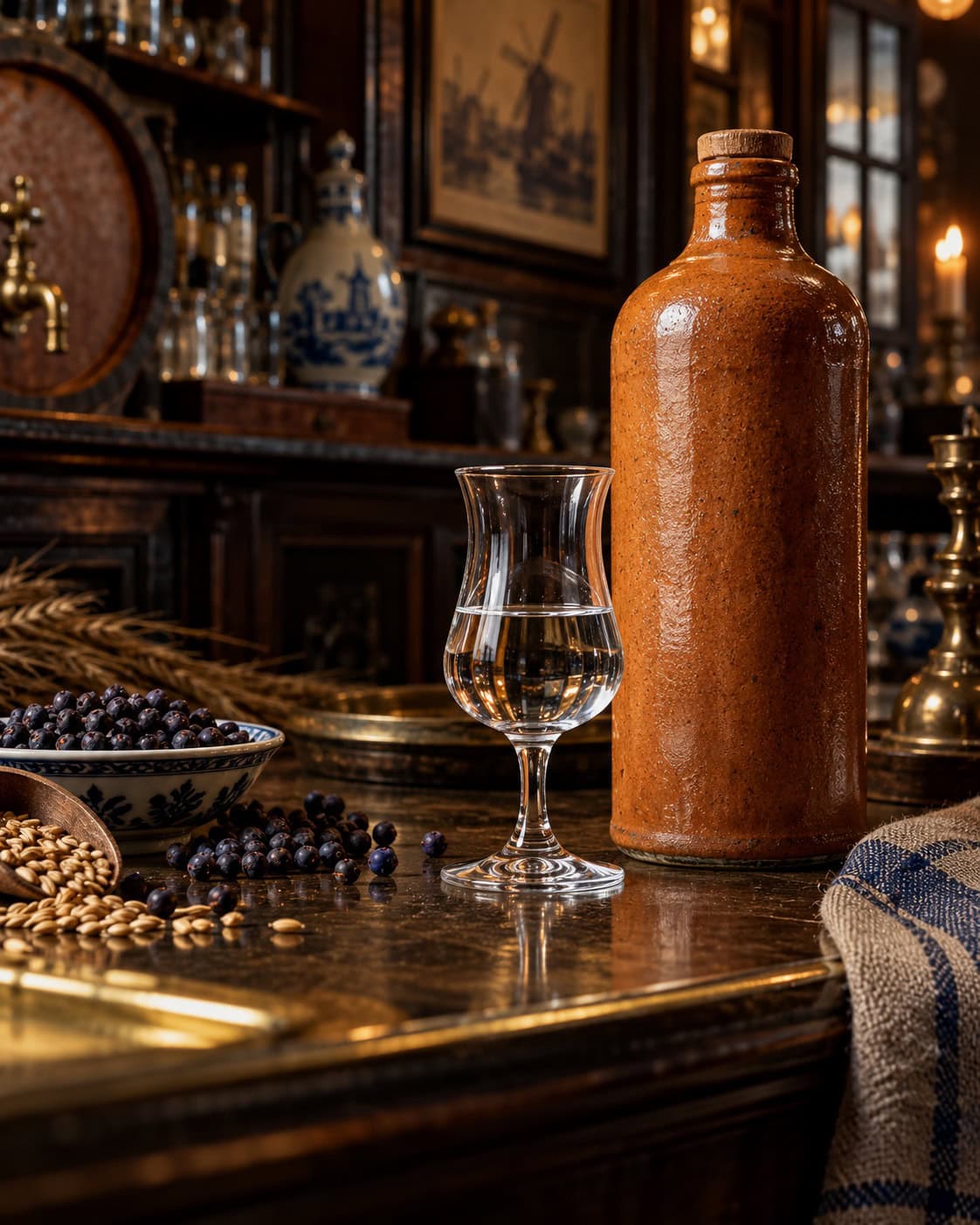
Long before the rise of contemporary London Dry gin, genever reigned supreme as the quintessential juniper-flavored spirit of the Low Countries. Developed in Belgium and the Netherlands during the Middle Ages, genever originated as a medicinal malt wine (korenwijn) infused with juniper berries (jeneverbes) to mask the harshness of primitive distillation techniques.
Genever played a pivotal role in geopolitical and military history, famously giving rise to the idiom "Dutch courage" after English soldiers fighting alongside Dutch troops in the Eighty Years’ War observed their allies consuming the spirit before entering battle. When British troops returned to England, they brought the recipe with them, sowing the seeds for the British gin industry, which eventually streamlined the spirit by shifting from a malt-based mash to a highly rectified neutral grain spirit.
Unlike modern gin, which is legally required to feature juniper as the dominant flavor profile and can be produced from any neutral alcohol base, traditional genever retains a rich, malty foundation derived from fermented grains such as corn, rye, and malted barley. This imparts a robust, whiskey-like body beneath the botanical notes. Cocktail historians note that pre-prohibition classic American drink recipes heavily specified genever, and a modern resurgence in craft cocktail bars has re-established the spirit as an essential, deeply complex category for classic drink reconstruction.
Ginjinha: Portugal’s Cherished Infusion and Culinary Innovation
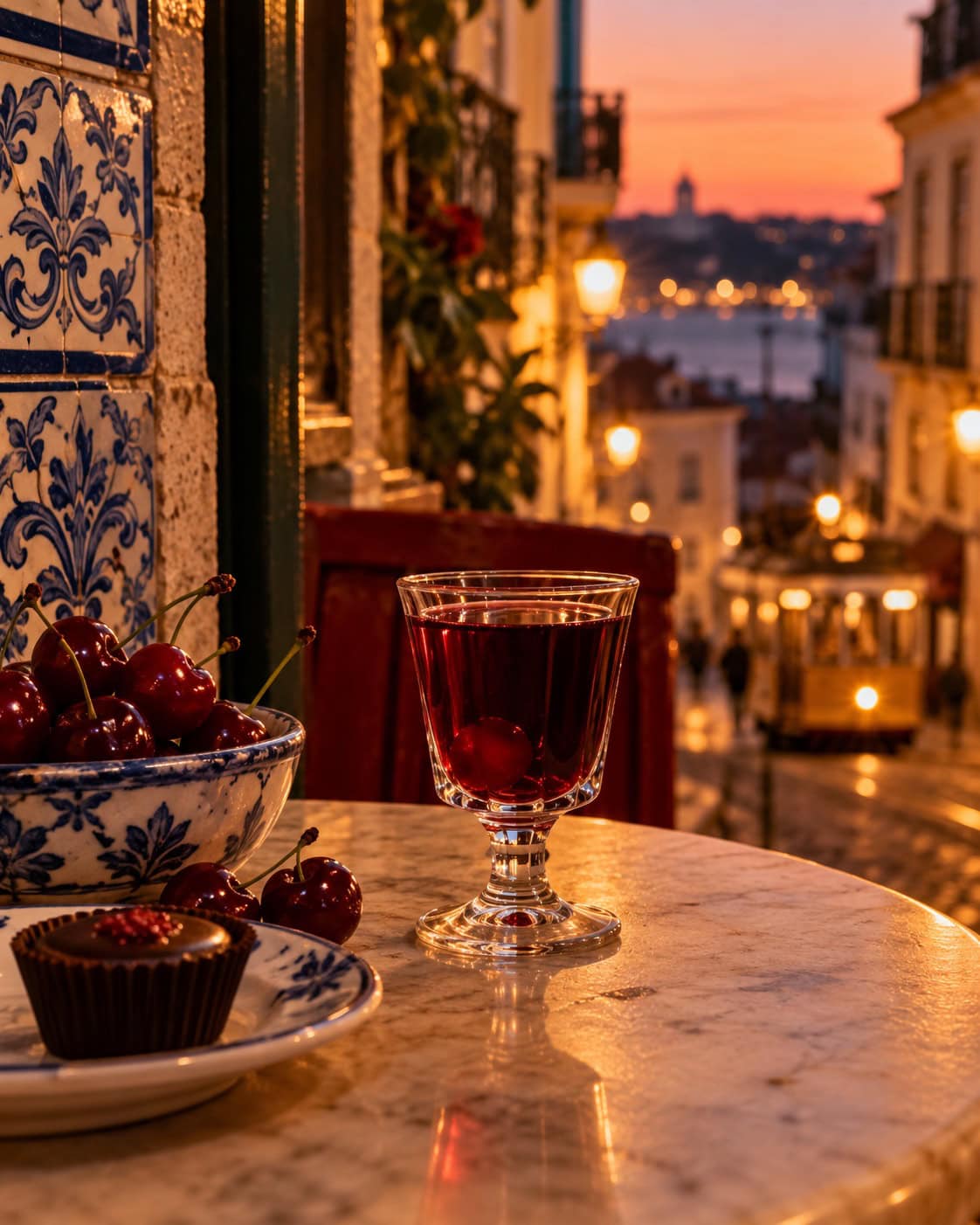
Ginjinha, or simply ginja, occupies a unique niche within the European spirits spectrum. Falling technically into the liqueur category with an alcohol by volume (ABV) typically ranging between 18 and 24 percent, this Portuguese specialty is crafted by steeping tart Morello cherries—locally known as ginjas—in neutral alcohol alongside sugar and aromatic botanicals such as cinnamon and cloves.
While consumed throughout Portugal, ginjinha is culturally synonymous with Lisbon, where generations of locals and tourists alike have frequented tiny, counter-service hole-in-the-wall bars dedicated exclusively to serving the crimson-hued elixir. A standard order often involves asking for the drink com elas ("with them"), ensuring that several booze-soaked cherries are dropped directly into the bottom of the glass.
In recent years, clever vendors have innovated upon the traditional presentation by serving the beverage in edible small chocolate cups, allowing patrons to consume the vessel once the liquid has been finished. Tourism and hospitality data from Lisbon highlight ginjinha bars as vital cultural landmarks, demonstrating how localized culinary traditions can successfully transition into beloved international tourism experiences without losing their grassroots authenticity.
Pisco: South America’s Divisive and Versatile Grape Brandy
Pisco stands as one of South America’s most celebrated and fiercely debated gastronomic treasures, with both Peru and Chile claiming historical stewardship over the grape-based distillate. Produced by fermenting and distilling high-acid wine grapes, pisco production methods and legal definitions differ significantly across both Andean nations.
In Peru, pisco must be distilled in traditional copper pot stills to exact proof without the addition of water, utilizing specific aromatic or non-aromatic grape varieties such Quebranta, Acholado, and Italia. Chilean pisco, by contrast, permits continuous column distillation and the addition of demineralized water to adjust proof, often utilizing Muscat grape variants. Despite these regulatory differences, both styles share a common lineage rooted in Spanish colonial history, dating back to the 16th century when grapevines were first successfully cultivated in the region.
International trade reports indicate that pisco has experienced a steady climb in export markets over the past decade, heavily catalyzed by the global popularity of the Pisco Sour. Invented in Lima in the early 20th century by American bartender Victor Morris, the cocktail combines pisco, freshly squeezed key lime juice, simple syrup, and egg white, shaken vigorously and garnished with Angostura bitters. Bartenders worldwide have embraced pisco for its remarkable versatility, utilizing it as a bridge between white spirits and aged brandies.
Rakı: Türkiye’s Emblematic Aniseed Spirit and the Culture of Conversation
Rakı is much more than an alcoholic beverage in Türkiye; it is a foundational cultural institution inextricably linked to leisurely dining, social discourse, and culinary tradition. Often colloquially referred to as aslan sütü ("lion’s milk"), rakı is a clear, aniseed-flavored spirit produced by double-distilling a grape-based agricultural distillate (suma) with anise seeds in traditional copper alembics.
The defining characteristic of rakı is its optical transformation upon dilution. When mixed with chilled water or poured over ice, the hydrophobic anise oils precipitate out of the alcohol solution, causing the crystal-clear liquid to instantly turn a milky-opaque white. This phenomenon is shared by other Mediterranean anise-based spirits, including Greek ouzo and French pastis.
Culturally, rakı is rarely consumed rapidly or in isolation. Instead, it is traditionally enjoyed slowly over the course of several hours alongside a sprawling spread of cold and warm meze plates, fresh seafood, and protracted conversation—a dining philosophy that prioritizes communal pacing over intoxication. Market metrics within Türkiye highlight the enduring domestic dominance of rakı, even amidst changing regulatory environments, while international interest continues to grow within diaspora communities and adventurous culinary tourism sectors.
Rhum Agricole: The Terroir-Driven Cane Spirit of the French Caribbean
Rhum agricole represents a radical departure from the industrial rum production methods that dominate the global marketplace. Most famously associated with the French overseas department of Martinique—which holds the world’s only Appellation d’Origine Contrôlée (AOC) designation for rum—rhum agricole is also produced in neighboring Guadeloupe and select cane-growing regions globally.
While standard international rum is overwhelmingly distilled from molasses (a residual byproduct of sugar refinement), rhum agricole is crafted directly from freshly pressed sugar cane juice. Harvested cane is rapidly crushed within hours of cutting to prevent fermentation degradation, and the resulting juice is fermented and distilled. This agricultural methodology preserves the complex volatile congeners of the living plant, yielding a spirit that is exceptionally grassy, earthy, vegetal, and funky.
According to economic development reports from Martinique, rhum agricole production is strictly regulated to ensure environmental sustainability and agricultural integrity, with strict limits on yield per hectare. While aged expressions (VO, VSOP, and XO) spend years in oak barrels acquiring color and vanilla-oak complexity, unaged white rhum agricole remains legendary for its role in the Ti’ Punch—a minimalist concoction of rhum agricole, a squeeze of fresh lime juice, and a dash of cane syrup. For spirits enthusiasts accustomed to sweet, heavily adulterated commercial rums, rhum agricole offers an uncompromisingly authentic taste of Caribbean terroir.