If Emmett Till Lived: Museum Exhibition Reimagines a Stolen Future Through Photography

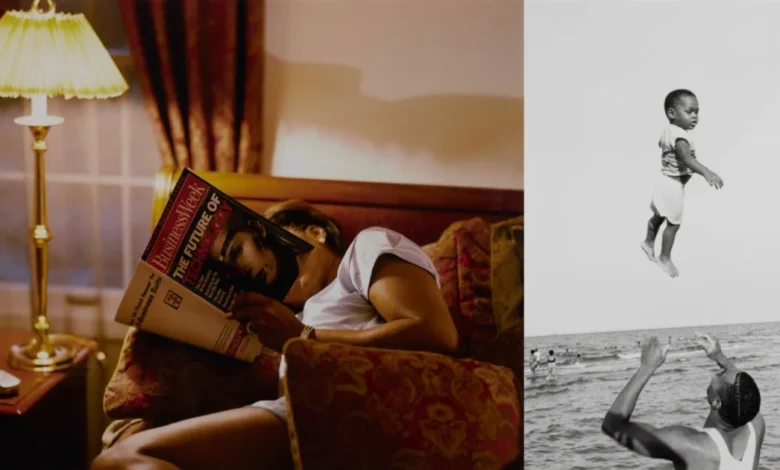
The Museum of Contemporary Photography at Columbia College Chicago is currently hosting a profound and deeply reflective exhibition titled If Emmett Till Lived: Freedom on American Ground. Scheduled to remain on view through December 19, 2026, the exhibition utilizes the institution’s extensive permanent image collection to construct a speculative visual narrative. It asks a haunting, transformative question: What might the life of Emmett Till have looked like had he not been brutally lynched in Mississippi more than seven decades ago?
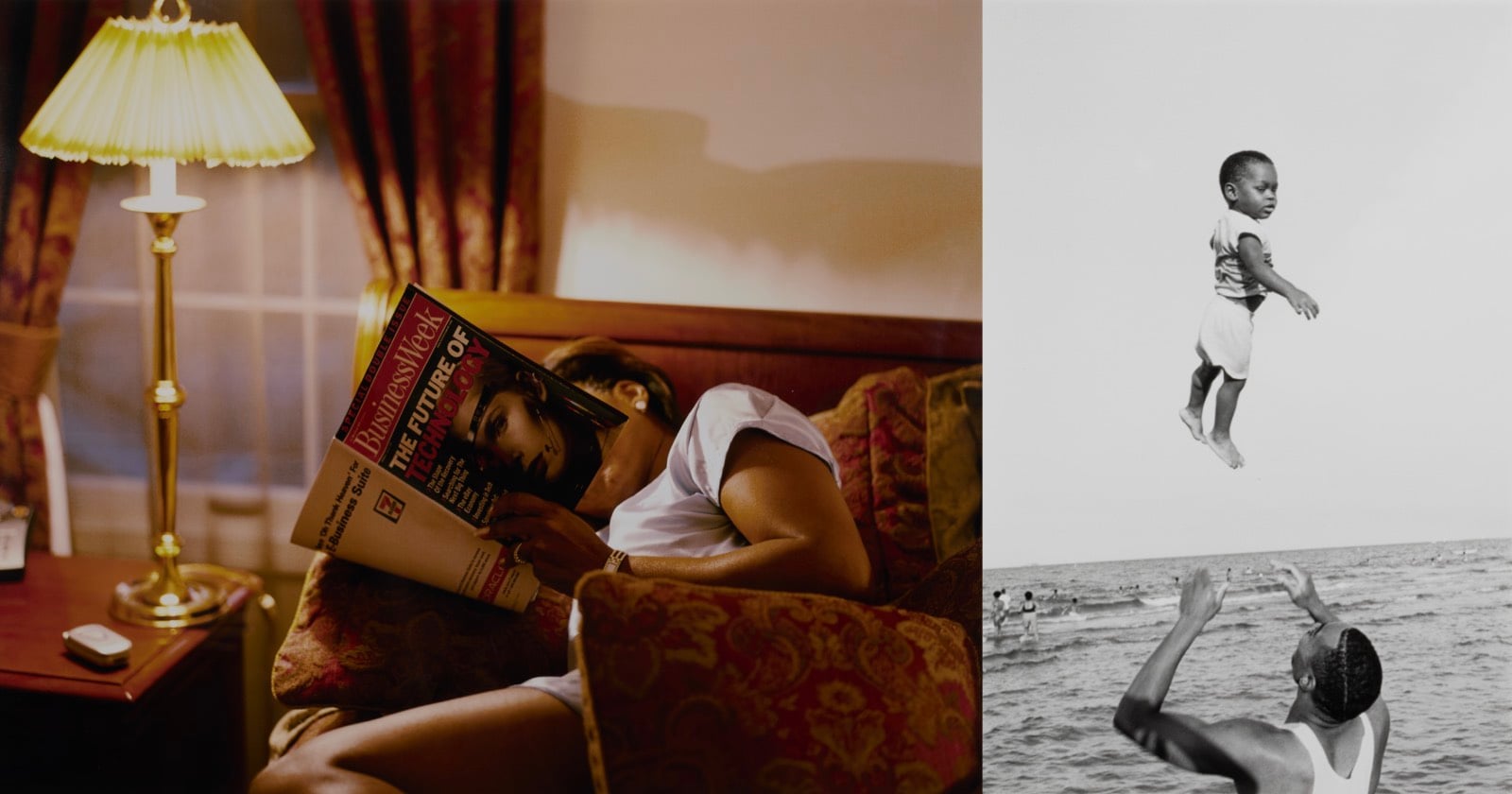
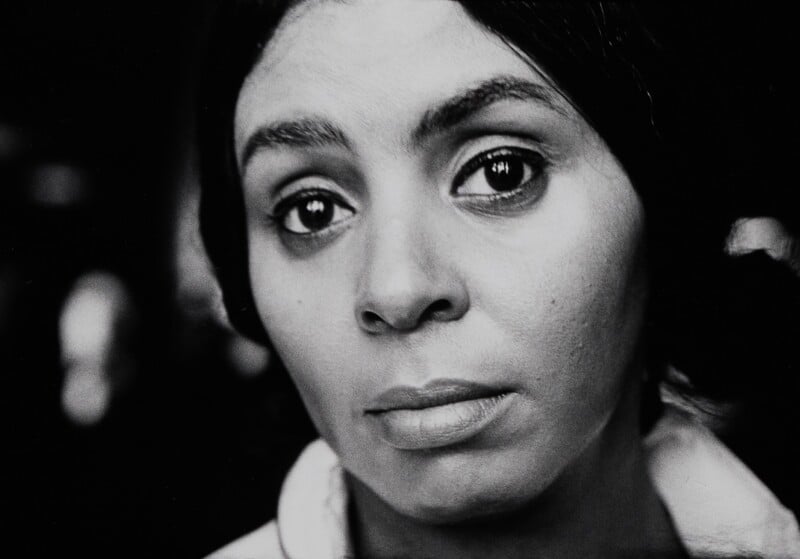
Curated by scholar and writer Sarah Lewis, the exhibition brings together works from several generations of renowned photographers—including Henri Cartier-Bresson, Dorothea Lange, Gordon Parks, Dawoud Bey, Carrie Mae Weems, Teju Cole, Laylah Amatullah Barrayn, and Stephen Marc. Rather than focusing exclusively on the tragedy of his death, the showcase maps out the roughly 80 years of life Till was denied, framing his potential existence against the backdrop of American history, civil rights milestones, cultural shifts, and everyday domestic moments.
Main Facts and Exhibition Overview
At its core, If Emmett Till Lived serves as both a retrospective of American photography and a speculative monument to a stolen future. This year marks what would have been Emmett Till’s 85th birthday. Had he survived the violent encounter in Money, Mississippi, in August 1955, Till would have lived through some of the most dynamic and tumultuous eras of modern American history. He would have witnessed the height of the Civil Rights Movement, the technological revolutions of the late 20th century, the cultural awakening of the 1960s and 70s, the historic career of Michael Jordan with the Chicago Bulls, and the election of Barack Obama as the nation’s first Black president.
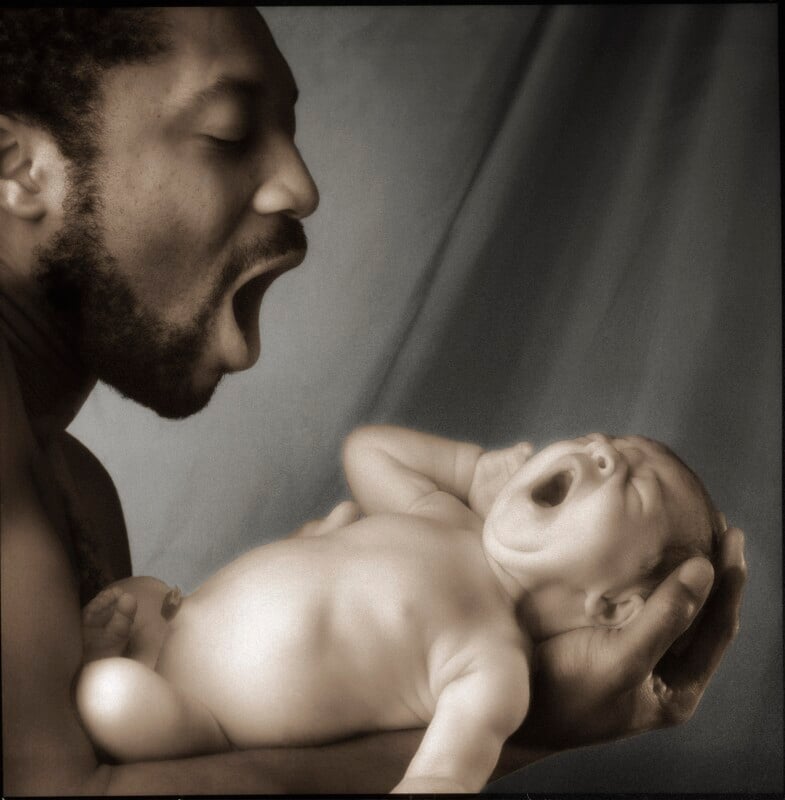
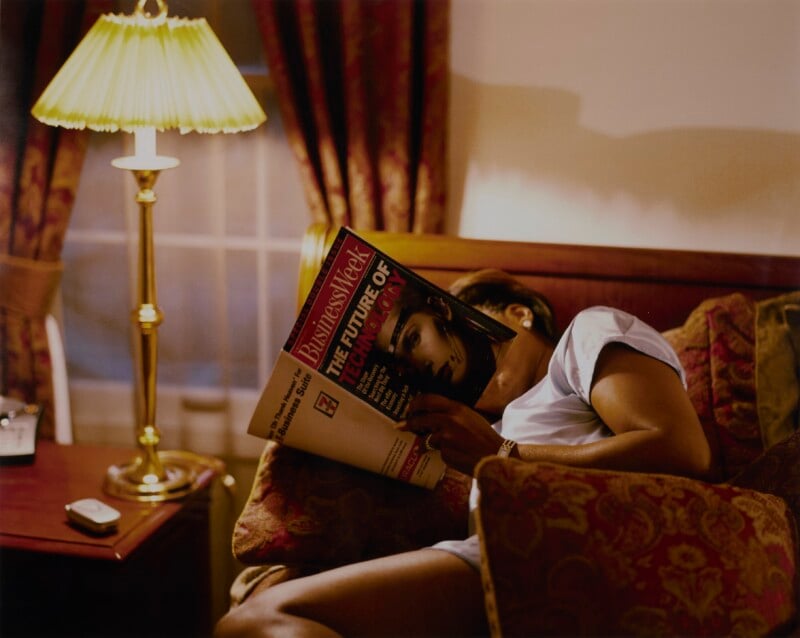
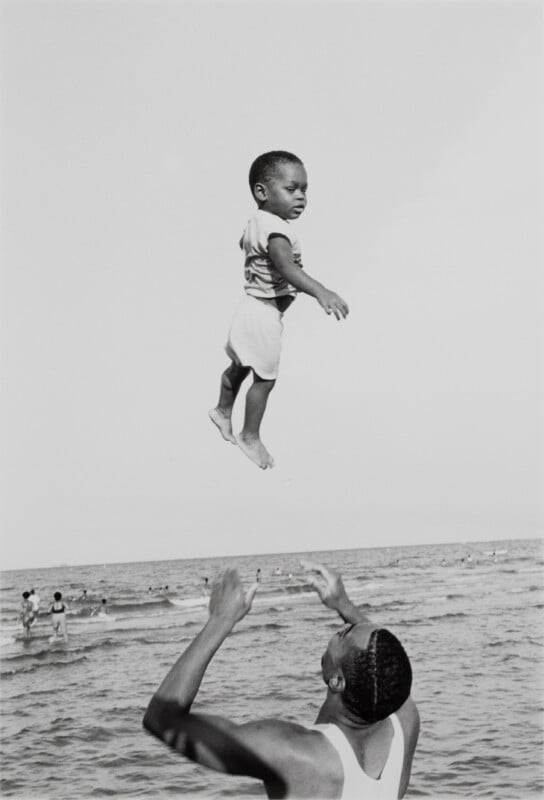
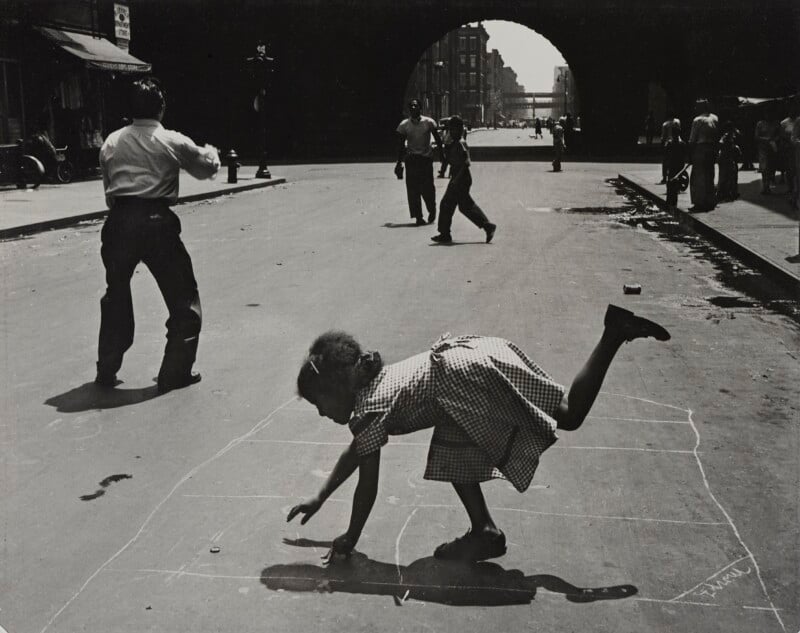
The exhibition layout reflects this imagined trajectory through a diverse array of visual themes. Visitors encounter photographs documenting railroad lines and cross-country journeys across the United States, everyday neighborhood interactions, family milestones, marriages, and fatherhood. By juxtaposing these everyday scenes with iconic historical imagery, the exhibition anchors Till’s hypothetical life within the broader fabric of the African American experience in the latter half of the twentieth century and the early decades of the twenty-first.
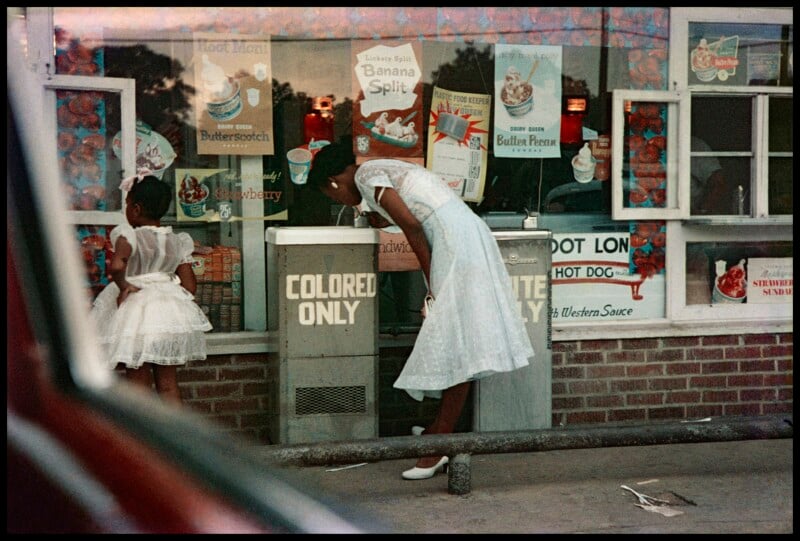
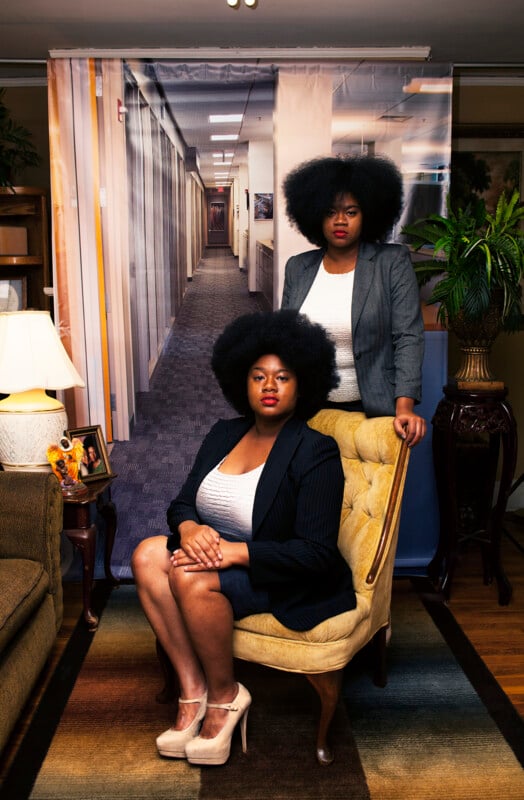
The collection features various photographic styles, ranging from gelatin silver prints to contemporary inkjet and archival pigment prints. Works like Stephen Marc’s urban documentations from the Changing Chicago series and Sheila Pree Bright’s suburban portraits converse with historical documents of the Jim Crow era, such as Gordon Parks’ 1956 photograph of segregated drinking fountains in Mobile, Alabama. Together, these images create a dialogue between the oppressive reality of mid-century America and the expansive futures that Black Americans continued to forge despite systemic barriers.
Chronology and Historical Context
To understand the weight of the exhibition, one must revisit the tragic chronology of 1955, a pivotal turning point in American history. In August of that year, 14-year-old Emmett Till, a Chicago native, traveled down to the Mississippi Delta to visit relatives. On August 24, 1955, while inside a grocery store in Money, Mississippi, Till allegedly whistled at a white woman named Carolyn Bryant.
Days later, on the night of August 28, Carolyn Bryant’s husband, Roy Bryant, and his half-brother, J.W. Milam, abducted Till from his great-uncle’s home. The teenager was brutally beaten, shot, and thrown into the Tallahatchie River with a 75-pound cotton gin fan tied to his neck with barbed wire. His mutilated body was recovered days later.
In an act of immense courage and grief, Till’s mother, Mamie Till-Mobley, insisted on an open-casket funeral in Chicago, allowing tens of thousands of mourners to witness the horrific reality of racial violence. Photographs of Till’s disfigured face were published in Jet magazine and other publications, sending shockwaves across the nation and mobilizing international outrage.
Despite overwhelming evidence and the confessions implied or stated by the perpetrators in subsequent magazine interviews, an all-white Mississippi jury acquitted Roy Bryant and J.W. Milam of murder after a brief trial in September 1955. The miscarriage of justice exposed the deep corruption of the southern legal system during the Jim Crow era and served as a major catalyst for the burgeoning Civil Rights Movement.
Just over a hundred days after Till’s murder, on December 1, 1955, Rosa Parks was arrested in Montgomery, Alabama, for refusing to surrender her bus seat to a white passenger. Parks later explicitly cited Emmett Till as being on her mind during that defining moment, noting that she had recently attended a rally in his memory led by a young, emerging minister named Martin Luther King Jr. Furthermore, the national outcry surrounding Till’s lynching heavily influenced congressional debates, ultimately contributing to the passage of the Civil Rights Act of 1957, which established the Civil Rights Division of the Department of Justice and sought to bolster voting rights protections for African Americans.
Supporting Data and Institutional Framework
The Museum of Contemporary Photography (MoCP) at Columbia College Chicago has long utilized its vast holdings to examine intersections of art, politics, and social justice. If Emmett Till Lived: Freedom on American Ground represents a meticulous curation of institutional resources, drawing on decades of photographic acquisitions that document American society, landscape, and identity.
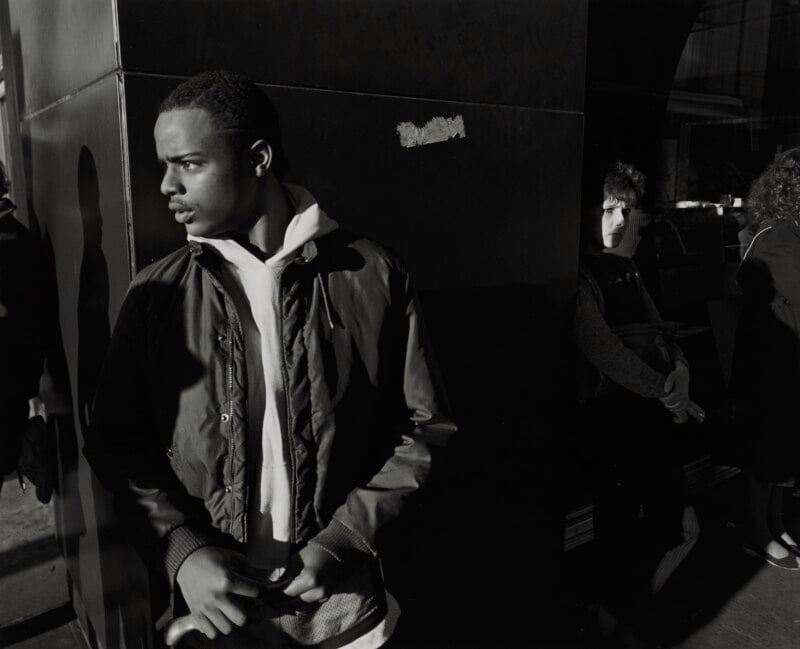
The exhibition features works spanning nearly a century of photographic practice. Key contributors include:
- Dawoud Bey: Known for his profound portraits of Black youth and communities, including his 2006 portrait of Barack Obama commissioned by Columbia College Chicago.
- Gordon Parks: A pioneering photojournalist whose work for Life magazine documented poverty, civil rights, and segregation in America, capturing the lived realities of Black citizens under Jim Crow.
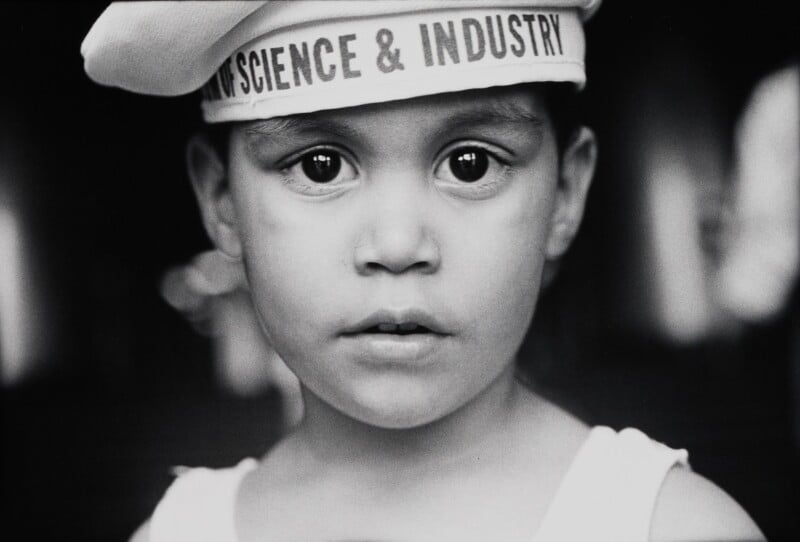
- Barbara Crane: Celebrated for her modernist framing of urban life and human faces, represented here by her People of the North Portal series.
- Jerry N. Uelsmann: Known for his surrealist, darkroom-manipulated silver gelatin prints that evoke dreamlike and reflective states.
- Sheila Pree Bright: A contemporary photographer whose work investigates the nuances of suburban life, race, and representation in the United States.
By bringing these diverse artistic visions together under a single thematic umbrella, the MoCP highlights how photography can serve not only as a recording medium for historical events, but also as an imaginative tool to interrogate counter-factual histories and unrealized human potentials.
Official Responses and Curatorial Intent
Exhibition curator Sarah Lewis articulated the moral and philosophical imperative behind the project in an official statement released by the museum.
"Why create this show and publication now?" Lewis posed. "Because more than seventy years after Emmett Till’s death, we are still asking, have we made good on the sacrifice of his life? We should not have to ask this question."
Lewis emphasized that the exhibition and its accompanying publication occupy a space of urgent necessity rather than mere academic exercise. "This show and the book that is its counterpart should not have to exist — and that is why I felt called to make them. They claim the ground of Till’s untaken journey from Mississippi back to Chicago," she stated.
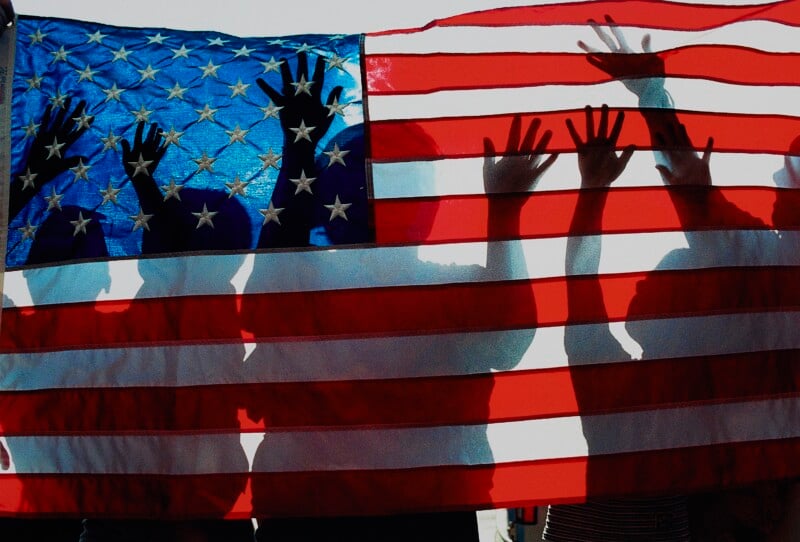
Connecting Till’s individual tragedy to broader, ongoing struggles for civil rights and bodily autonomy, Lewis added, "His life is the epitome of the question we still grapple with today: Who has a right to the ground, to claim the right to stand? This exhibition and book are a creative monument to the life that Till — that anyone, any black or brown boy — has a right to live."
The exhibition’s institutional home at Columbia College Chicago has also drawn praise from educators, historians, and art critics who view the project as an essential pedagogical tool for younger generations who may only know of Till through historical textbooks. By humanizing Till through the lens of a lived lifetime, the project shifts the public narrative away from solely defining him by his brutal martyrdom, restoring to him the complex, ordinary dignity of growing up, aging, loving, and working.
Broader Impact and Implications
As public debates surrounding racial equity, historical memory, and educational curricula continue to polarize parts of the United States, If Emmett Till Lived offers a poignant space for collective reflection. It challenges viewers to consider how historical violence alters the demographic, cultural, and intellectual trajectory of a nation. When a young life is snuffed out by racial terror, society loses not only an individual, but also the generations of family, leadership, creativity, and community contributions that might have followed.
Furthermore, the exhibition arrives at a time when federal and local legislation regarding the teaching of African American history remains a flashpoint in cultural politics. By anchoring civil rights history in the visual arts, the MoCP exhibition bypasses abstract political debates, grounding the discussion in the deeply personal, visual registry of everyday American life.
The exhibition does not offer simplistic comfort or a neat resolution to the historical trauma of lynching. Instead, it maintains a deliberate tension between the tragic reality of what happened in Mississippi in 1955 and the expansive, beautiful life that should have been. Through the eyes of master photographers and the curatorial vision of Sarah Lewis, If Emmett Till Lived asserts that acknowledging historical injustice requires not only remembering how victims died, but actively imagining the futures they were violently prevented from living.
If Emmett Till Lived: Freedom on American Ground remains open to the public at the Museum of Contemporary Photography at Columbia College Chicago through December 19, 2026. A comprehensive publication accompanying the exhibition provides further essays and visual documentation for audiences unable to attend in person.