Anta Sports Navigates Complex China Market Amidst Diversification Efforts and Shifting Consumer Trends

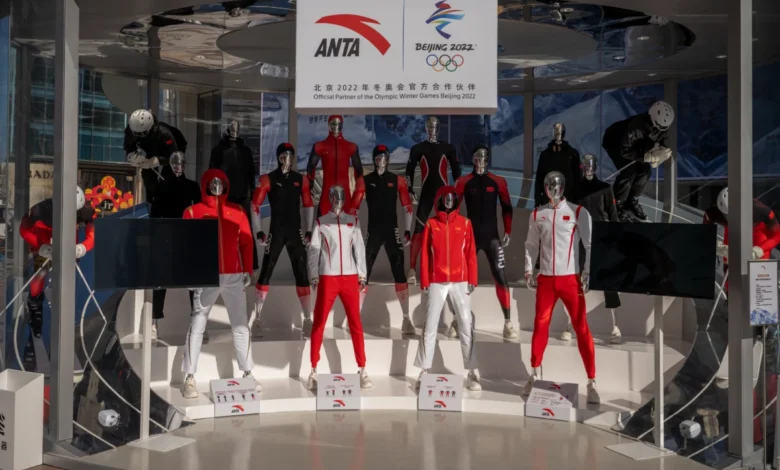
Anta Sports, the preeminent Chinese sporting goods conglomerate, recently provided a candid assessment of the evolving and often challenging market conditions within China. This revelation, delivered on Tuesday, comes as the company continues its aggressive diversification strategy, highlighted by its pending acquisition of a significant stake in Puma and its established position as the largest shareholder in Amer Sports. Despite these expansive global maneuvers, the domestic market remains a critical, albeit intricate, battleground for the sportswear giant.
The first quarter of the fiscal year saw varied performance across Anta’s extensive brand portfolio. The flagship Anta brand recorded a "high-single digit positive growth" in retail sales compared to the same period last year. This marked a notable sequential improvement from the fourth quarter, where the Anta brand had experienced a "low single-digit" decline in retail sales. This rebound for the core brand offers a glimpse into the dynamic nature of consumer spending and market sentiment within China, often influenced by seasonal factors and broader economic indicators.
Beyond its namesake brand, Anta Sports showcased the strength of its multi-brand strategy. Fila, a brand for which Anta holds the operational rights in China (with Misto Holdings as its parent company), reported a robust "low teens" increase in retail sales during the first quarter. However, the most significant growth was observed within Anta’s "other branded products" segment, which includes premium labels such as Descente, Kolon Sport, and the rapidly emerging athleisure brand Maia Active. This segment posted an impressive 40 percent to 45 percent positive growth for the period, demonstrating a strong consumer appetite for specialized and high-end functional sportswear and activewear. These figures are particularly striking when benchmarked against the first quarter of the previous year, underscoring the growing market for niche, performance-oriented categories.
Anta defines retail sales comprehensively, encompassing revenue derived from sales to consumers in both brick-and-mortar stores and online channels. This includes sales from channels directly owned and operated by Anta, as well as those managed by its extensive network of distributors and franchisees. This broad definition provides a holistic view of consumer engagement across all touchpoints, essential for understanding market penetration and brand performance.
Market analysis from Laurent Vasilescu, an Equity Research analyst at BNP Paribas, shed further light on the nuanced Q1 performance. Vasilescu’s report indicated a "meaningful deceleration" in March trends, which followed a stronger January and February. This initial surge was largely attributed to a "good Chinese New Year" period. The Lunar New Year, a pivotal retail season in China, commenced on February 17th this year and extended for 16 days, culminating in the Lantern Festival on March 3rd. Consequently, the outperformance observed across Anta’s brands in the first quarter was primarily "concentrated in January and February," with the timing of the Chinese New Year serving as the principal catalyst for this front-loaded demand.
Vasilescu elaborated on the post-festival market shift, noting that "March demand normalized meaningfully following the festival." Crucially, this deceleration was not isolated to Anta but was an "industry-wide" phenomenon. As an example, Pou Sheng, a prominent retail business operating in the Greater China region and part of the Taiwanese footwear manufacturer Yue Yuen, recently reported a 6 percent year-over-year revenue decline in March. This comparative data underscores the broader macroeconomic pressures and consumer sentiment shifts impacting the entire sporting goods retail sector in China.
During an earnings conference call on Tuesday, Anta’s management provided further insights into their market observations and strategic adjustments. According to the BNP analyst, Anta’s leadership highlighted a notable trend: Chinese consumers are increasingly gravitating back towards brick-and-mortar retail experiences after several years dominated by digital channels. In response to this evolving consumer preference, Anta is actively implementing "store reformats" aimed at elevating the in-store consumer experience. This strategic pivot reflects a recognition that physical retail environments, when thoughtfully designed and experiential, play a crucial role in brand engagement and sales, particularly in a market where tactile interaction and service remain highly valued. However, Anta’s management also tempered expectations, framing the first-quarter strength as seasonally elevated and cautioning that it should not be considered a definitive indicator of trends for the remainder of the year, signaling a cautious outlook for sustained growth.
A key differentiator within Anta’s portfolio lies in the performance of its outdoor and luxury sports brands. Brands like Descente and Kolon Sport, positioned as "high-end, functional luxury sports brands," continue to benefit from favorable outdoor trends. This segment’s robust growth "bodes well for Amer Sports," as Vasilescu noted, given Anta’s substantial investment in the global sporting goods company, which owns an array of premium brands including Salomon, Arc’teryx, Wilson, and Atomic. The enduring popularity of outdoor activities and adventure sports among Chinese consumers has created a resilient demand channel for these specialized brands, contrasting sharply with the broader challenges facing the general sporting goods category in China.
Indeed, the overall sentiment regarding the Chinese sporting goods market remains subdued. Vasilescu succinctly concluded that the "China sporting goods market remains structurally challenged with prolonged recovery in consumer confidence and rising competition." This assessment points to deeper, systemic issues beyond seasonal fluctuations, including a cautious consumer base and an increasingly crowded and competitive retail landscape.
The competitive dynamics in China are also complex, with both domestic and international players vying for market share. During their earnings call, Anta management was reportedly asked about their perspective on Nike’s China guidance, which was issued during the American sportswear giant’s own earnings call last month. According to Vasilescu, Anta’s leadership "validated Nike’s strategic rationale of reducing sell-in" and reiterated that the recovery of consumer confidence in China, especially among mass-market consumers, is anticipated to be a "prolonged process." This alignment of views between two industry titans underscores the severity and persistence of the market headwinds.
Vasilescu further projected that "Nike China could become a possible negative earnings contributor in coming years" and that the company faces a "multi-year rightsizing of its regional footprint." This suggests that even established global players are grappling with oversupply and the need for significant operational adjustments in the Chinese market. Paradoxically, this challenging environment for international brands could create a "demand vacuum that domestic and emerging internal brands are positioned to capture over time," as Vasilescu suggested. This opens a strategic window for agile Chinese brands like Anta, Li-Ning, and Xtep to strengthen their positions by offering products tailored to local tastes and leveraging a deeper understanding of domestic consumer behavior.
Anta Sports’ ambitious global expansion continues alongside its domestic navigation. In January, the company significantly broadened its international footprint by acquiring a 29 percent stake in the German sportswear firm Puma, a deal valued at $1.8 billion. This strategic investment, expected to close by the end of 2026, represents a major step in Anta’s long-term vision to build a diversified, global sports conglomerate. The Puma acquisition complements Anta’s existing portfolio, which notably includes its majority stake in Amer Sports, acquired in 2019. Amer Sports brought renowned international brands like Arc’teryx (premium outdoor apparel), Salomon (skiing, trail running), Wilson (racquet sports), and Atomic (skiing) under Anta’s umbrella, significantly enhancing its presence in high-performance and luxury sports segments. This multi-brand, multi-category approach is central to Anta’s strategy, aiming to insulate the company from localized market downturns and tap into diverse consumer demographics globally.
The broader economic context in China significantly influences these trends. Despite official GDP growth figures, consumer sentiment has been impacted by various factors including a slowdown in the property market, high youth unemployment rates, and geopolitical uncertainties. These elements contribute to a cautious spending environment, particularly for discretionary items like sporting goods. While government stimulus measures have been implemented, their effectiveness in bolstering widespread consumer confidence and spending power for mass-market goods remains a subject of ongoing debate. This backdrop makes the selective growth observed in Anta’s premium and outdoor segments even more remarkable, highlighting a bifurcation in consumer behavior where high-net-worth individuals or those with specific lifestyle pursuits continue to spend, while the broader mass market exercises greater restraint.
In conclusion, Anta Sports finds itself at a critical juncture, balancing the complexities of a challenging yet strategically vital domestic market with an ambitious global diversification agenda. While its flagship brand navigates an uneven recovery and contends with shifting consumer preferences, the robust performance of its premium and outdoor-focused brands, along with its strategic international acquisitions of Amer Sports and the upcoming Puma stake, underscore a sophisticated, multi-pronged growth strategy. The company’s proactive response to evolving retail trends, such as the renewed interest in brick-and-mortar experiences, suggests an adaptability crucial for long-term success. However, the "structurally challenged" nature of the Chinese sporting goods market and the prolonged recovery of consumer confidence necessitate a cautious and resilient approach from Anta and its competitors, ensuring that strategic foresight and operational agility remain paramount in this dynamic global landscape.