Waitrose Accelerates Physical Expansion with New Stores and Nationwide Refurbishment Program Under £1 Billion Investment Strategy

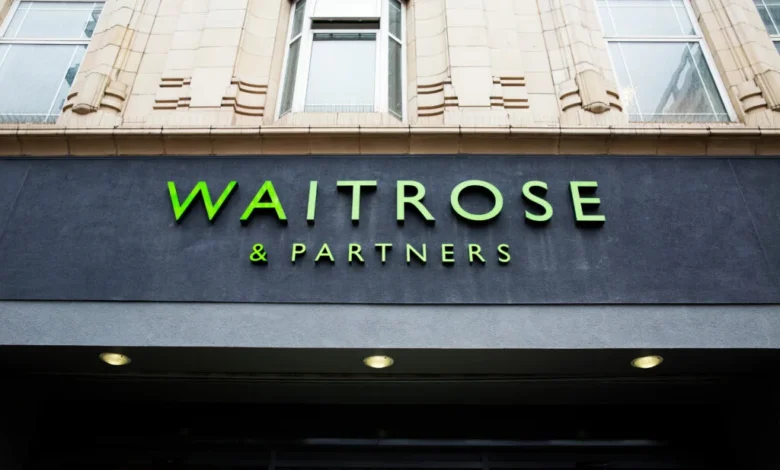
Waitrose has announced a significant acceleration of its investment in its physical retail estate, unveiling a comprehensive plan that includes the opening of new stores, the expansion of its long-standing partnership with motorway service operator Welcome Break, and a massive refurbishment program targeting 30 existing locations within the current year. This strategic move represents the latest phase of the supermarket’s ambitious £1 billion multi-year investment program, designed to modernize its brick-and-mortar presence while ensuring its physical shops remain a cornerstone of its "omnichannel" retail strategy. As the grocery landscape becomes increasingly competitive, Waitrose is doubling down on its reputation for premium quality and service, seeking to reach more customers in high-demand areas and upgrade the shopping experience for its loyal base.
The expansion includes the planned opening of a new "Little Waitrose" in the affluent area of Ascot, a location that aligns with the brand’s demographic focus on high-spending households. Furthermore, the partnership with Welcome Break is set to grow significantly, with four additional motorway service locations slated to carry Waitrose products. This expansion will bring the total number of Waitrose at Welcome Break sites to 33 across the United Kingdom, cementing the brand’s footprint in the lucrative "food-to-go" and convenience sectors.
Strategic Modernization and the Refurbishment Program
At the heart of this announcement is a commitment to upgrading the existing estate. Waitrose has confirmed that it is investing millions of pounds into 30 of its shops this year. The refurbishment program is already well underway, with seven major upgrades completed in March alone. These refurbishments are not merely cosmetic; they represent a fundamental rethink of how a premium supermarket should function in the 2020s.
The modernization efforts typically include the introduction of enhanced service counters, such as dedicated meat and fish specialists, expanded wine departments, and improved bakery sections. In some flagship locations, the retailer has also experimented with "Waitrose Cookery Schools" and in-store dining options, aiming to transform the supermarket from a place of chore-based utility into a destination for culinary inspiration. By upgrading 30 stores in a single year, Waitrose is signaling to its competitors—most notably Marks & Spencer—that it is prepared to invest heavily to maintain its status as the UK’s premier grocery destination.
Logistics and Infrastructure: The Bristol Distribution Center
While the customer-facing store openings and refurbishments capture the headlines, the backbone of this expansion lies in Waitrose’s logistical infrastructure. The retailer confirmed that plans remain on track for a new full-line supermarket in Chelmsford and, perhaps more crucially, a 360,000-square-foot distribution center in Bristol.
The Bristol hub is a strategic masterpiece in the supermarket’s supply chain evolution. Once fully operational, the facility will serve approximately 50 existing shops across the South West and Wales. By localizing distribution, Waitrose aims to improve the freshness of its produce, reduce delivery times, and lower its carbon footprint by minimizing the distance delivery vehicles must travel. This investment in logistics is essential for supporting the increased volume expected from the new store openings and the expanded Welcome Break partnership.
A Chronology of the £1 Billion Investment
The current announcement is part of a broader timeline of growth for the John Lewis Partnership (JLP), the parent company of Waitrose. Over the last 24 months, the retailer has undergone a significant transformation:
- Late 2023: Waitrose announced a pivot back to its core grocery strengths after several years of focusing on cost-cutting measures. The £1 billion investment fund was earmarked for store improvements and digital integration.
- Early 2024: The retailer began trial refurbishments in key London locations, testing new layouts and technology, including improved "Scan-Pay-Go" systems and digital shelf-edge labeling.
- March 2024: Seven major store refurbishments were completed, providing a blueprint for the 23 remaining upgrades scheduled for the rest of the year.
- Mid-2024: Confirmation of the Ascot "Little Waitrose" and the expansion of the Welcome Break partnership to 33 sites.
- Late 2024 and Beyond: The anticipated opening of the Bristol distribution center and the completion of the Chelmsford flagship store, marking the next phase of the multi-year rollout.
Financial Context and Market Performance
The decision to invest £1 billion comes at a pivotal time for the John Lewis Partnership. Following a period of financial volatility, JLP recently reported a return to profitability, posting a pre-tax profit of £56 million for the last financial year—a significant recovery from the £234 million loss recorded the previous year. This financial stabilization has provided the "firepower" necessary to reinvest in the Waitrose estate.
Waitrose currently holds a market share of approximately 4.5% to 4.7% in the UK grocery sector. While this is smaller than the "Big Four" (Tesco, Sainsbury’s, Asda, and Morrisons), Waitrose operates in the premium segment where margins are typically higher, and customer loyalty is tied to quality rather than just price. However, the rise of M&S Food, which has seen a resurgence in recent years, has put pressure on Waitrose to innovate. The £1 billion investment is widely seen by industry analysts as a direct response to this competitive pressure, ensuring that Waitrose does not lose ground to its primary rival in the "premium" space.
Official Responses and Executive Vision
Alun Jones, the Head of Physical Estate at Waitrose, emphasized the brand’s commitment to physical retail as a vital component of the customer journey. In a statement regarding the expansion, Jones said: “We are investing in our physical estate to bring the best of Waitrose to more customers in more places. From new shops and franchise growth to refurbishments across our existing estate, these investments reflect our confidence in the role our shops continue to play in how customers want to shop with us.”
This sentiment is echoed by the wider leadership at the John Lewis Partnership, who have highlighted that despite the growth of online grocery shopping, the physical store remains the primary touchpoint for brand engagement. The "Little Waitrose" format, in particular, is viewed as a high-growth area, allowing the brand to penetrate urban environments and high-traffic commuter hubs where a full-sized supermarket would be impractical.
Analysis of Implications: The Future of Premium Grocery
The expansion of Waitrose has several implications for the UK retail market. Firstly, the focus on motorway service stations via Welcome Break suggests a strategic shift toward "convenience-led premium." As consumer habits shift toward smaller, more frequent shops, having a presence in transit hubs allows Waitrose to capture spending that might otherwise go to competitors like M&S Simply Food or Sainsbury’s Local.
Secondly, the refurbishment of 30 stores indicates a shift away from the "one-size-fits-all" supermarket model. Modern shoppers expect an experience that justifies the trip to a physical store. By introducing specialized counters and high-end aesthetics, Waitrose is leaning into the "experiential retail" trend. This strategy is designed to insulate the brand from the price wars of the discount retailers (Aldi and Lidl) by offering a service level and product range that cannot be replicated in a low-cost environment.
Furthermore, the investment in the Bristol distribution center suggests that Waitrose is preparing for a regional push. By strengthening its supply chain in the South West, the retailer may be laying the groundwork for further store openings in that region, where it has traditionally had a strong but perhaps underserved presence.
Environmental and Social Impact
As part of the modernization program, Waitrose is also integrating its "Plan Better" sustainability goals. The refurbishments include the installation of more energy-efficient refrigeration units, LED lighting, and improved waste management systems. The Bristol distribution center is also expected to feature sustainable building practices, potentially including solar arrays and rainwater harvesting, as the John Lewis Partnership aims to reach net-zero carbon emissions across its operations by 2035.
The expansion is also expected to be a boon for local employment. The new Ascot store, the Chelmsford site, and the Bristol distribution center will collectively create hundreds of new jobs, ranging from warehouse logistics and delivery driving to specialized retail roles and store management. As a partnership-owned business, these employees (known as Partners) will also benefit from the company’s unique profit-sharing and governance structure, which has long been a point of pride for the organization.
Conclusion
Waitrose’s £1 billion investment program is a bold statement of intent. By simultaneously expanding its footprint in convenience sectors, upgrading its core supermarket estate, and reinforcing its logistical backbone, the retailer is positioning itself for long-term resilience in a volatile market. While the challenges of inflation and shifting consumer confidence remain, Waitrose is betting that its commitment to quality, service, and a modernized physical presence will continue to resonate with the UK’s discerning shoppers. The coming years will determine if this massive capital expenditure can translate into sustained market share growth and a definitive lead in the premium grocery sector.