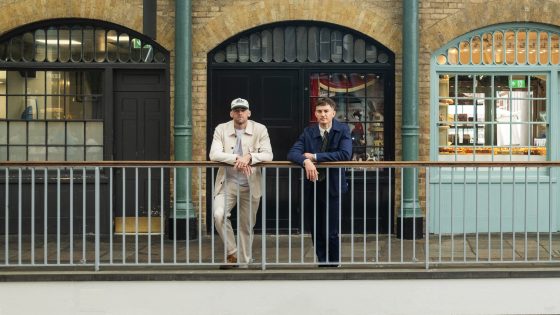
The rapid ascent of Batch Ldn within the competitive landscape of British menswear marks a significant shift in the retail paradigm, moving away from mass production toward a more intentional, "made-to-order" philosophy. Founded in 2021 by Julian Osborne and Sam Matanle, the brand has successfully navigated the post-pandemic fashion market to reach a valuation of £3 million in just three years. This growth culminated in the acquisition of a 2,000-square-foot flagship store in London’s prestigious Covent Garden, a move that signals the brand’s transition from a digital-first startup to a significant physical presence in the heart of the capital’s shopping district.
The Genesis of Batch Ldn: A Post-Pandemic Pivot
The origins of Batch Ldn are rooted in the changing work habits and dress codes of the early 2020s. As the global pandemic redefined the traditional office environment, the demand for formal tailoring plummeted, replaced by a need for versatile clothing that could bridge the gap between professional and casual settings. Julian Osborne and Sam Matanle identified a gap in the market for what they termed "casual suiting"—garments that offer the structure and sophistication of a suit with the comfort and ease of leisurewear.
Launching a business in 2021 was a venture fraught with logistical challenges, including disrupted supply chains and fluctuating consumer confidence. However, Osborne and Matanle utilized these conditions to implement a "batch" production model. Unlike traditional retailers that overproduce stock in anticipation of demand, Batch Ldn operates on a limited-run basis. This approach not only minimizes waste—a critical concern in the modern fashion industry—but also creates a sense of exclusivity and urgency among its customer base.
Chronology of Growth: From Concept to Covent Garden
The timeline of Batch Ldn’s development reflects a disciplined approach to scaling.
2021: The Foundation
The brand was launched with a focus on a core product: the "Batch Suit." By concentrating on a singular, high-quality aesthetic, the founders were able to build a loyal community of early adopters. The initial marketing strategy relied heavily on direct-to-consumer (DTC) channels, utilizing social media and digital storytelling to communicate the brand’s ethos of sustainability and craftsmanship.
2022: Proof of Concept
Throughout its second year, Batch Ldn expanded its product range to include jackets, trousers, and shirts, all adhering to the casual tailoring aesthetic. The business model proved resilient; by producing in batches, the company avoided the "end-of-season sale" cycle that often erodes profit margins for larger retailers. This period saw the brand gaining traction among urban professionals who sought an alternative to the "fast fashion" cycle.
2023: Scaling and Valuation
As the brand entered its third year, the focus shifted toward institutional growth and physical touchpoints. The company’s valuation reached the £3 million mark, a testament to its healthy margins and high customer retention rates. Investors were particularly drawn to the brand’s low-waste model and its ability to capture the "smart-casual" demographic that had been underserved by traditional Savile Row tailors and high-street chains alike.
2024: The Flagship Milestone
The opening of the 2,000-square-foot flagship store in Covent Garden represents the brand’s most ambitious move to date. Located in one of London’s primary retail hubs, the store is designed to be more than just a point of sale; it serves as a brand embassy where customers can experience the fabrics and fits in person, bridging the gap between the digital and physical worlds.
The Economics of the Batch Model
The £3 million valuation of Batch Ldn is supported by a business model that addresses the two greatest failures of modern retail: inventory glut and environmental degradation. By operating on a batch system, the company significantly reduces its "deadstock"—unsold items that typically end up in landfills or are sold at a loss.
Industry data suggests that approximately 30% of all garments produced globally are never sold. Batch Ldn’s model flips this statistic by ensuring that production is closely aligned with confirmed interest. This lean inventory management allows the company to reinvest capital into high-quality Italian and Portuguese fabrics, which in turn justifies a premium price point.
Furthermore, the "batch" system creates a predictable cash flow. Because customers are often pre-ordering or buying from limited drops, the brand can manage its manufacturing costs with high precision. This financial stability has been a key factor in securing the lease for the Covent Garden flagship, a location where rents are notoriously high and competition for space is fierce.
Strategic Location: Why Covent Garden?
The decision to establish a 2,000-square-foot presence in Covent Garden, specifically in the vicinity of Seven Dials and Floral Street, is a calculated strategic move. This area of London has increasingly become a destination for "premium-contemporary" menswear, housing brands that cater to a discerning, style-conscious demographic.
For a brand like Batch Ldn, physical retail is essential for long-term growth. While the DTC model allowed for rapid initial scaling, the tactile nature of suiting—feeling the weight of the wool, the structure of the shoulder, and the precision of the fit—is difficult to replicate online. The flagship store acts as a high-visibility billboard, attracting international tourists and local professionals alike.
The size of the store, 2,000 square feet, allows for a comprehensive brand experience. It provides space for a lounge area, fitting rooms that mimic a personal tailoring service, and a showroom for upcoming "batches." This experiential retail approach is designed to build deeper brand equity, transforming one-time buyers into long-term advocates.
Industry Analysis: The Rise of "Power Casual"
The success of Batch Ldn is emblematic of a broader trend in the global menswear market, often referred to as "Power Casual" or "Workleisure." According to market research reports, the global men’s tailored clothing market has undergone a structural transformation. While traditional tuxedo and formal suit sales have flattened, the "soft tailoring" segment has seen double-digit growth.
Modern consumers are looking for "investment pieces"—garments that are durable, versatile, and ethically produced. Julian Osborne has noted in his founder’s diary that the Batch Ldn customer is often a man who wants to look "put together" without the stiffness of a corporate uniform. This shift in consumer psychology has allowed niche brands to take market share from established legacy retailers who have been slower to adapt their silhouettes and production methods.
Implications for the UK Retail Sector
Batch Ldn’s trajectory provides a blueprint for other British startups navigating the complexities of the current economic climate. It demonstrates that a clear value proposition—in this case, sustainable casual suiting—can thrive even when consumer spending is under pressure.
- Sustainability as a Business Metric: By making sustainability a core part of the production cycle rather than a marketing afterthought, Batch Ldn has appealed to the ESG (Environmental, Social, and Governance) values of both consumers and investors.
- The Hybrid Retail Strategy: The move from digital to physical indicates that the "death of the high street" may be overstated. Instead, we are seeing a "flight to quality," where unique, brand-led physical stores are replacing generic retail outlets.
- The Value of Agility: Being a founder-led business has allowed Osborne and Matanle to make quick pivots, such as adjusting batch sizes or refining designs based on real-time customer feedback, an agility that larger competitors often lack.
Future Outlook and Expansion
With a flagship store now operational and a solid valuation, the next phase for Batch Ldn likely involves international expansion and product diversification. The "batch" model is inherently scalable; it can be applied to womenswear, accessories, or even home goods, provided the brand maintains its commitment to quality and limited production.
There is also the potential for wholesale partnerships with premium department stores such as Selfridges or Liberty London, which would further cement the brand’s status in the luxury tier. However, the founders have remained cautious about over-expansion, emphasizing the importance of maintaining the "batch" ethos that defined their early success.
As Julian Osborne reflects on the journey from 2021 to the present, the narrative of Batch Ldn is one of resilience and clarity of vision. In an industry often criticized for its excess, the brand’s success suggests that the future of fashion may lie in doing less, but doing it significantly better. The 2,000-square-foot space in Covent Garden is not just a shop; it is a physical manifestation of a new philosophy in menswear—one where style, sustainability, and smart business logic coexist.