Jan Banning Captures the Human Face of Global Administrative Power in Bureaucratics Revisited

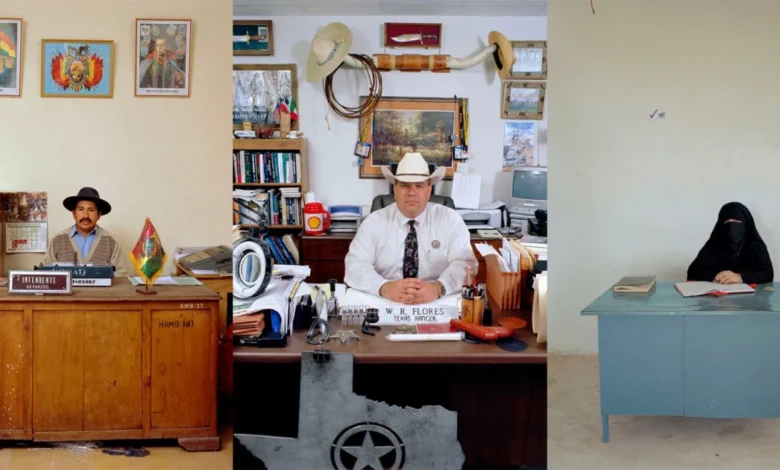
Dutch photographer Jan Banning has long been fascinated by the invisible machinery that quietly holds modern civilization together. For over two decades, the acclaimed visual artist has trained his medium-format lens on state functionaries across the globe, capturing the essence of institutional authority and human vulnerability. His seminal project, Bureaucratics, which was first published as a celebrated monograph in 2008, has now been expanded and re-released as Bureaucratics Revisited. This newly updated edition delves deeper into Banning’s extensive archival holdings while introducing fresh imagery that documents how state power is physically manifested, performed, and endured on a daily basis.
The Main Facts of the Project
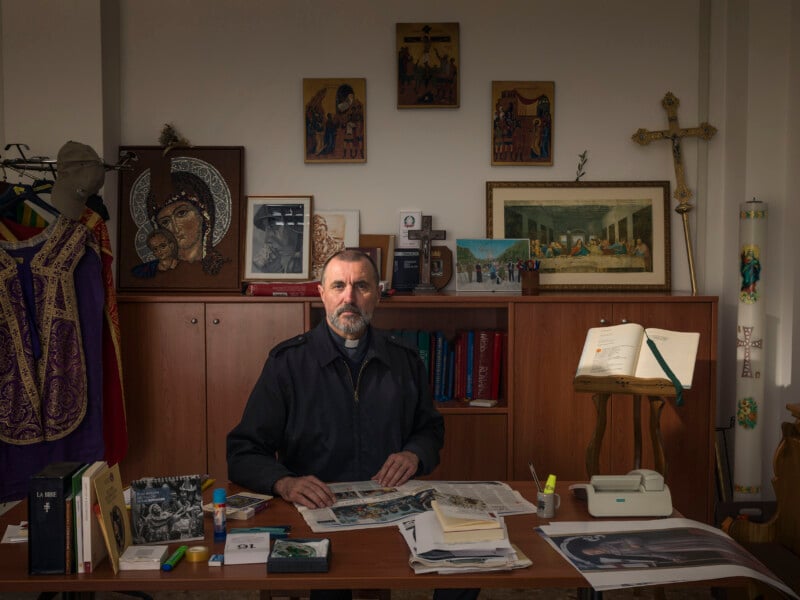
The core of Bureaucratics comprises a meticulous, multi-year photographic exploration of civil servants and law enforcement personnel working within diverse governmental systems. Between 2002 and 2007, Banning embarked on an unprecedented international journey, traversing eight countries across multiple continents. Armed with heavy medium-format cameras—transitioning from a Bronica SQ-Ai to a Fuji GX-680III, and eventually to a Hasselblad H5—Banning documented the working environments of individuals who wield the instruments of state power.
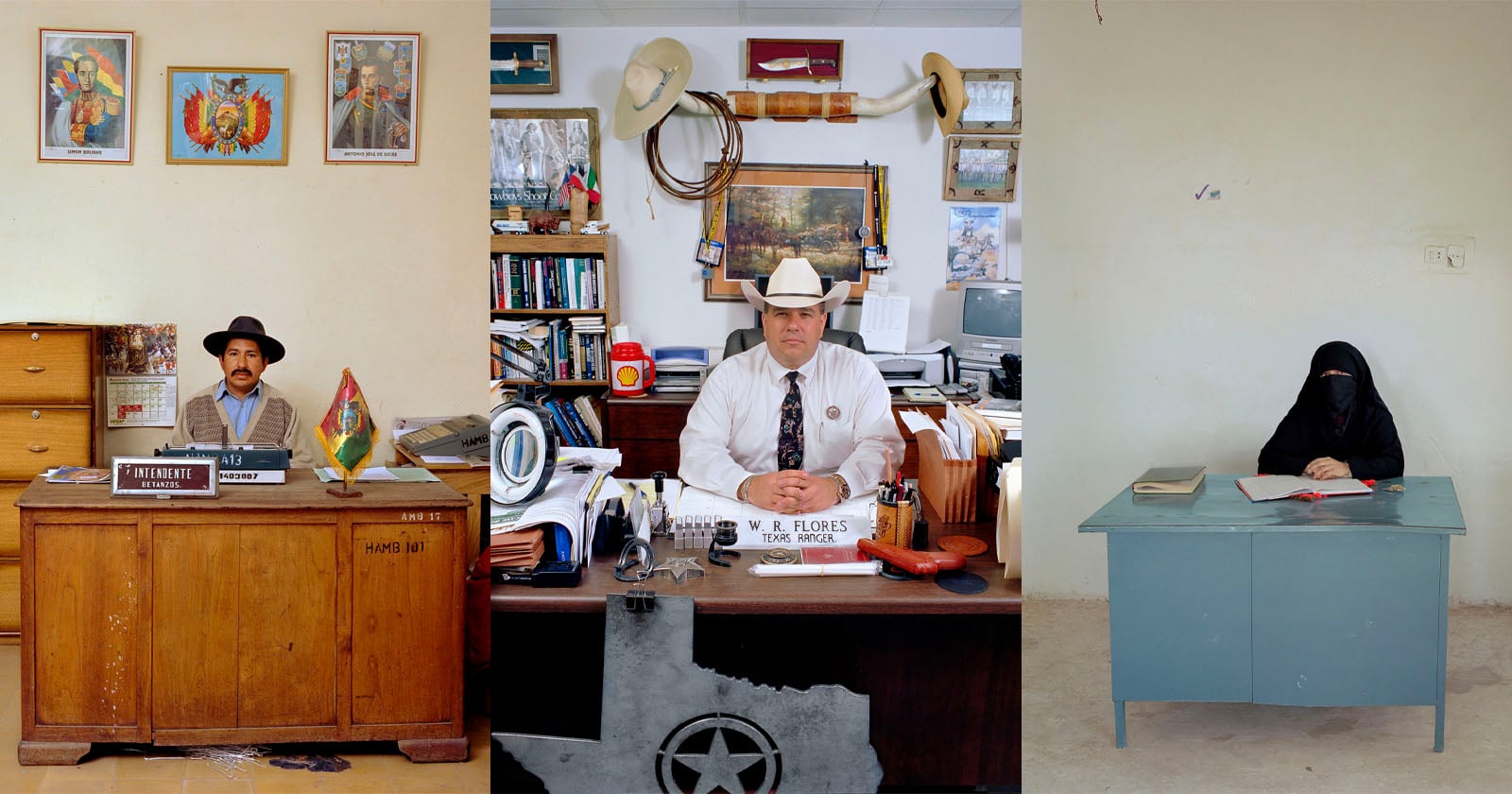
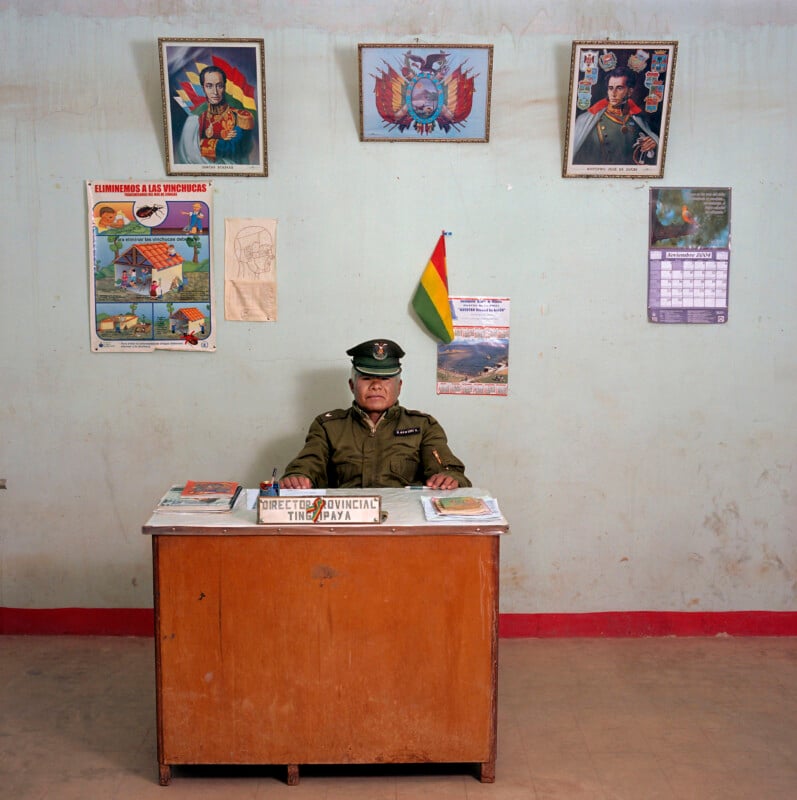
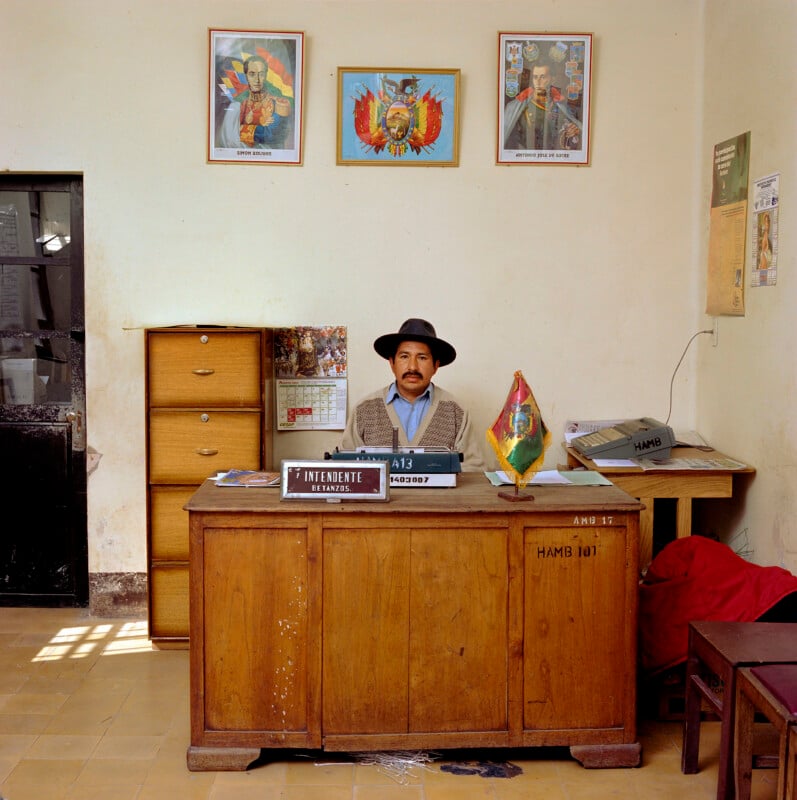
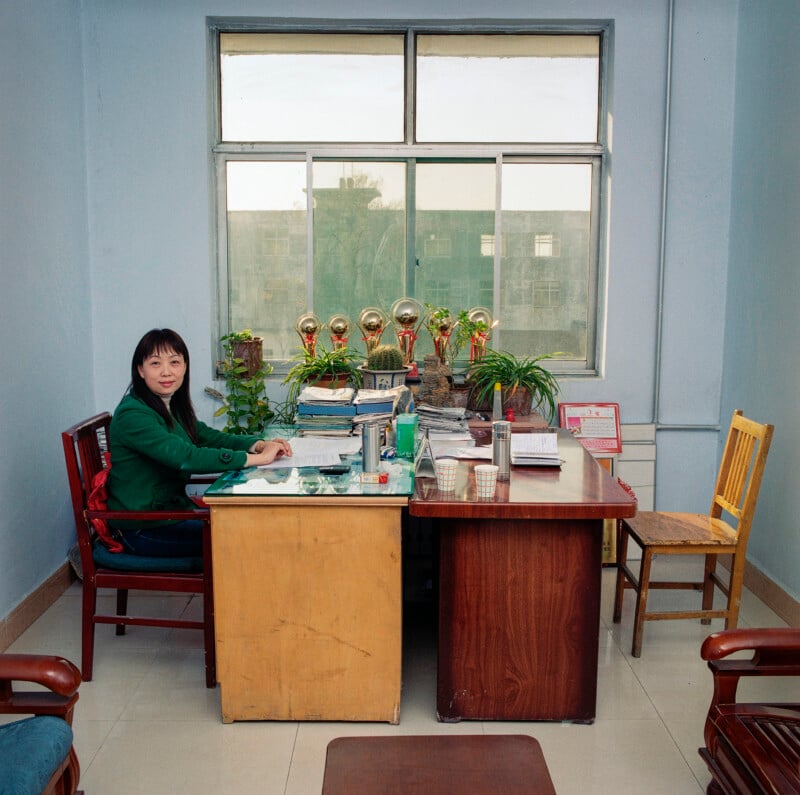
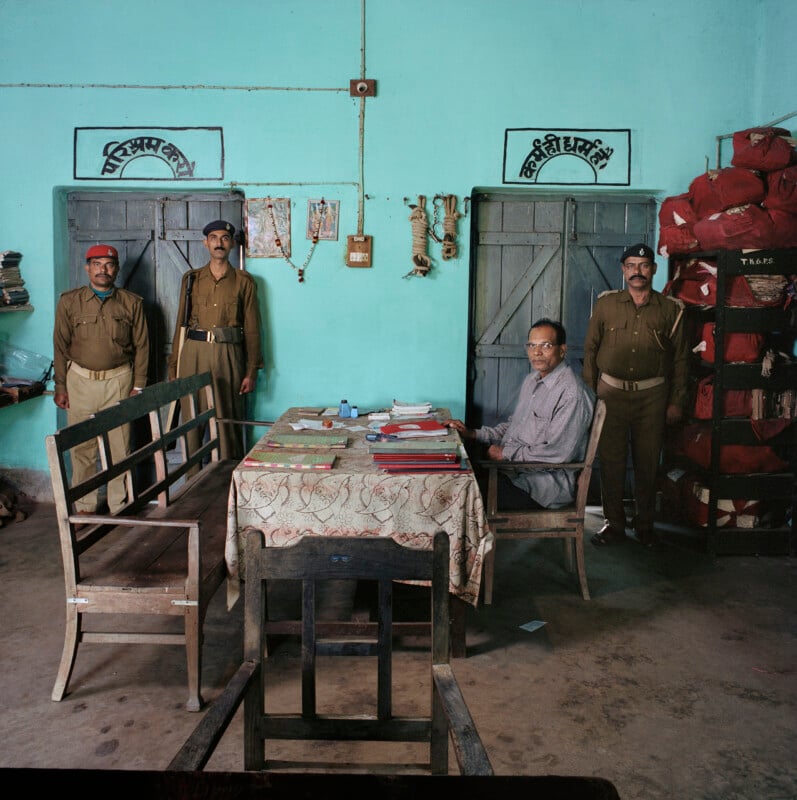
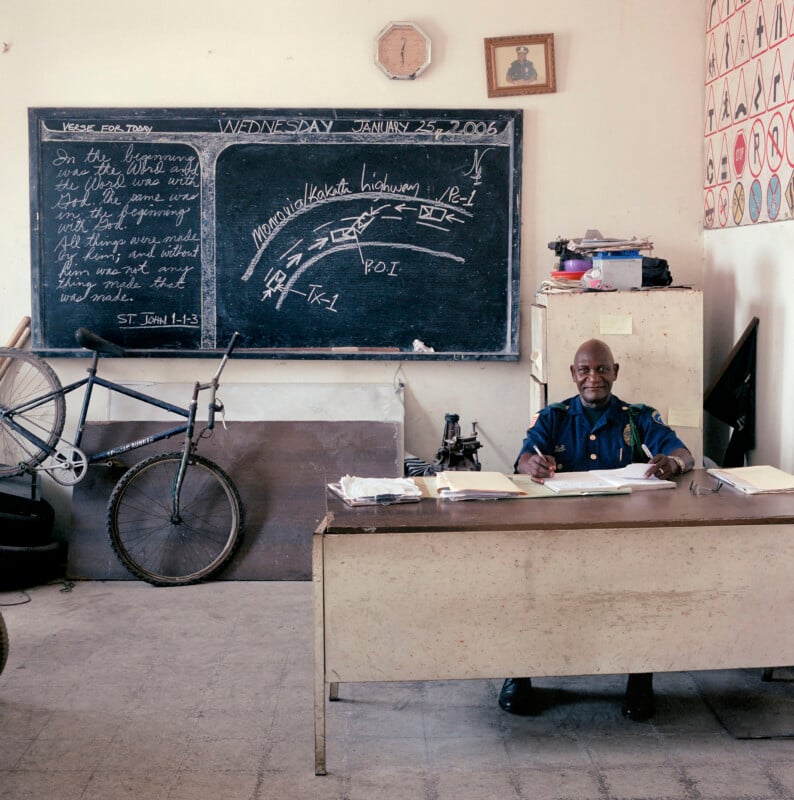
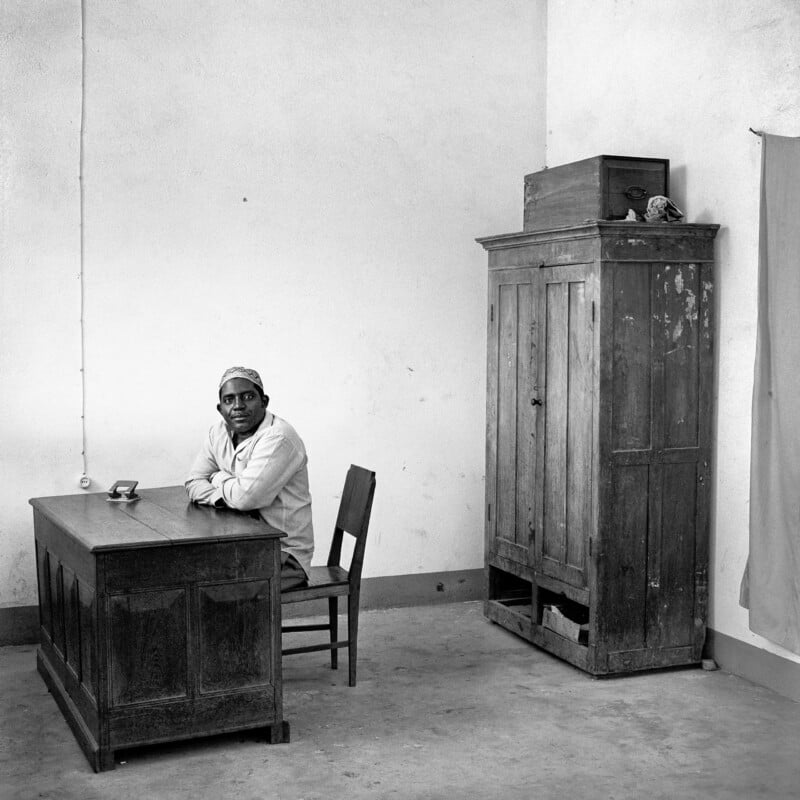
The resulting portraits are immediately recognizable by their strict, uncompromising aesthetic rules. Each image is composed in a square format utilizing a direct, frontal perspective. Banning meticulously positioned his camera at the exact eye level of a citizen entering the office to conduct business. This artistic choice strips away predatory power dynamics, placing the viewer directly in the shoes of the ordinary person seeking administrative assistance, permits, or legal judgments.
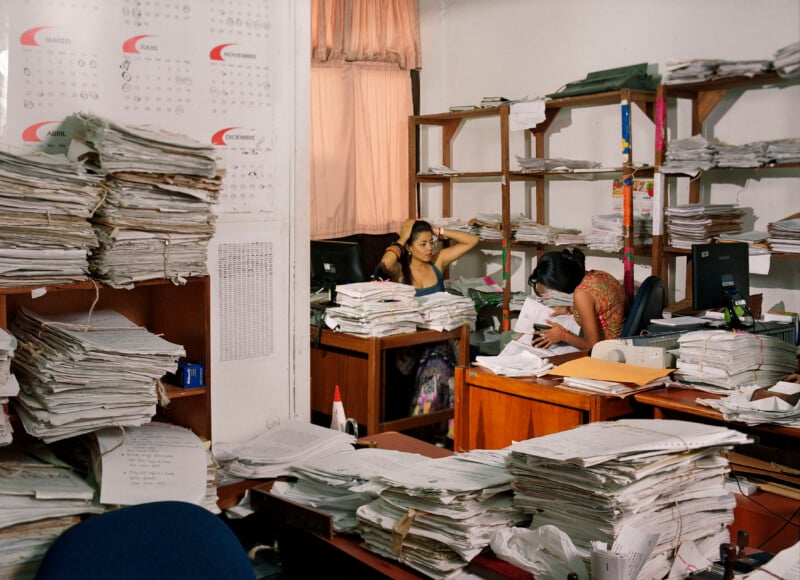
The subjects range from high-ranking municipal directors and military chaplains to frontline police constables, rural administrative secretaries, and assistant clerks buried beneath towering avalanches of paper files. Far from presenting cold, monolithic facades of state oppression, Banning’s environmental portraits reveal deeply human spaces where official decorum clashes with personal identity. Desks are cluttered with family photographs, religious icons, pop-culture posters, and makeshift filing systems that reveal the individuality of the bureaucrat working within a rigid system.
Chronology and Evolution of the Project
The genesis of Bureaucratics dates back to 2002, when Banning initiated his fieldwork in Mozambique. His early subjects included administrative secretaries like Carlos Roska of Boila-Nametoria, operating out of sparsely furnished offices with limited resources. From there, the photographer systematically expanded his scope to capture the complex administrative landscapes of other nations.
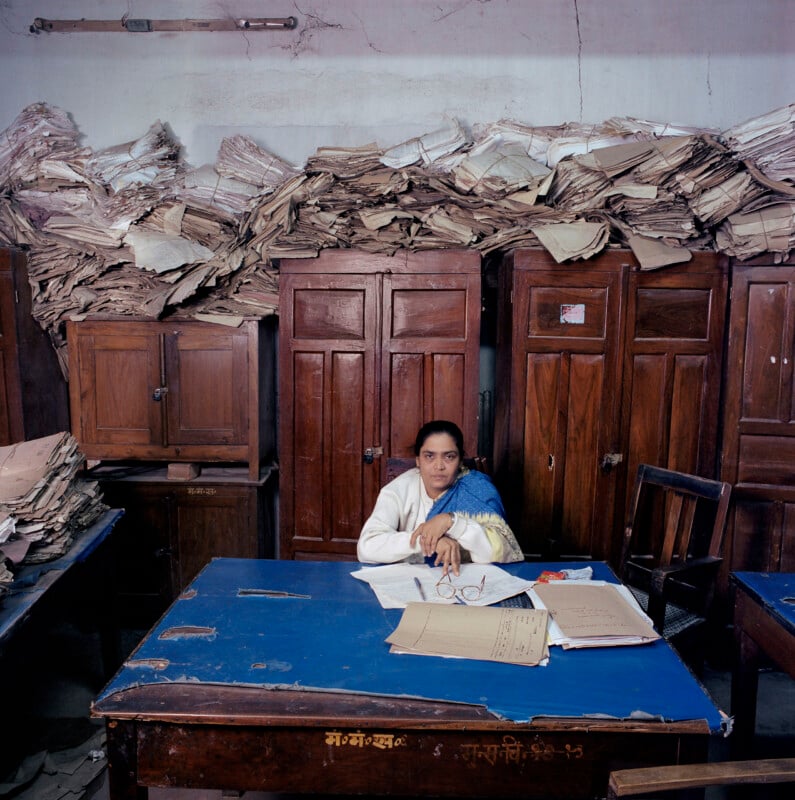
In 2003 and 2004, Banning traveled to India, documenting figures such as Sushma Prasad, an assistant clerk at the Cabinet Secretariat of the State of Bihar in Patna. Hired on compassionate grounds following the death of her husband, Prasad’s workspace—surrounded by towering wooden cabinets stacked high with paper records—became a poignant symbol of traditional, paper-based administrative burdens. During the same period in Siberia, Russia, he photographed lone village police officers like Sergej Michailovich Osipchuk in Oktyabrsky, who operated without even a bicycle or basic departmental transport.
The project continued into 2005 with visits to Bolivia, where Banning captured municipal workers and police officers working under extraordinary infrastructural constraints. In 2006, his travels took him to France, Liberia, and Yemen, documenting everything from narcotics agents in Clermont-Ferrand to rural agricultural advisors in Sana Governorate. By 2007, Banning had turned his lens toward the United States, photographing high-profile state enforcers like Texas Ranger Rudy Flores and municipal administrators in Houston.
Subsequent years saw continued additions to the archive, including comprehensive coverage of Uganda’s legal and penal institutions in 2010 and 2013, which documented maximum-security prison conditions, court archives, and frontline policing. The culmination of this decades-long endeavor is Bureaucratics Revisited, a comprehensive volume that synthesizes his historical fieldwork with newly integrated archival discoveries.
Supporting Data and Global Scope
The administrative systems documented in Banning’s work illustrate vast disparities in resources, technology, and scale. In Bihar, India—a state with a population exceeding 83 million—clerks like Sushma Prasad processed state affairs largely through manual, paper-based archiving systems. Meanwhile, in Tinguipaya, Bolivia, municipal police officer Constantino Aya Viri Castro operated out of a station lacking basic amenities such as a telephone, typewriter, or official vehicle.
Similarly, in Uganda’s Jinja Main Prison, Banning documented Principal Officer II Ivan Niwamanya managing a facility holding 922 inmates—including 898 convicts and 24 remand prisoners—inside a physical infrastructure originally engineered to house a maximum capacity of just 336 individuals. These data points underscore the central theme of Banning’s work: the immense strain placed on frontline civil servants who must bridge the gap between statutory obligations and severe infrastructural deficits.
In contrast, industrialized nations presented their own unique forms of bureaucratic culture. In Houston, Texas, officials like council agenda director Marty Stein navigated hyper-modern, computer-driven municipal environments surrounded by digital infrastructure and dense city populations exceeding two million residents. In France, narcotics agent Roger Vacher worked in an office adorned with counter-cultural iconography, including posters of Bob Marley and Bart Simpson, demonstrating how personal expression subverts institutional uniformity even within national security agencies.
Official Perspectives and Expert Commentary

Securing access to government offices across such a diverse array of geopolitical landscapes was a monumental undertaking in its own right. Renowned British photographer Martin Parr, who authored the foreword to the monograph, emphasized the sheer logistical difficulty of Banning’s achievement.
"Receiving permission to shoot portraits of bureaucrats is in itself an achievement, when you consider the countries they decided to visit: India, Yemen, Bolivia and others," Parr writes. "I would not know where or how to start. So they get the go-ahead, and then Banning shoots many portraits, the best of which we see here."
Government agencies and public institutions rarely welcome independent artists into their inner sanctums to document operational realities, particularly in sensitive sectors like law enforcement, military administration, and judicial archives. Banning’s ability to navigate diplomatic and bureaucratic channels to secure formal authorization speaks to his persistence and the respectful, non-judgmental approach he maintained throughout his fieldwork. Rather than mocking his subjects, Banning frames them with an ironic yet deeply humane lens, balancing institutional critique with psychological empathy.
Broader Impact and Implications
The release of Bureaucratics Revisited arrives at a time when global governance is undergoing a rapid, often unsettling transition toward digitization, algorithmic decision-making, and artificial intelligence in public administration. Banning’s work serves as a crucial historical and sociological anchor, reminding viewers of the tangible, physical human labor that has historically sustained state apparatuses.
From an anthropological standpoint, the project raises critical questions about the nature of authority in the modern world. The office space acts as a dual entity: it is both a formal, performative stage designed to project the sovereign power of the state, and a deeply personal, lived-in workspace where civil servants spend the majority of their adult lives. By capturing this intersection, Banning highlights the alienation, dedication, absurdity, and quiet dignity inherent in public service.
Furthermore, the archive documents the obsolescence of certain administrative eras. Images capturing court systems relying on decades-old penal codes—such as Cartagena’s Juzgado 2 Penal del Circuito expediting proceedings under Colombia’s abolished Law 600—preserve a visual record of legal history that is rapidly vanishing under the pressures of modernization.
Ultimately, Bureaucratics Revisited transcends standard documentary photography, offering a profound meditation on the structures that govern human society. By humanizing the anonymous faces behind the desk, Jan Banning ensures that the invisible guardians of state administration are finally seen, remembered, and understood.