Timothy Li’s Series 3 Explores Intimacy Through Clothing and Shared Spaces

By Adriano Batista
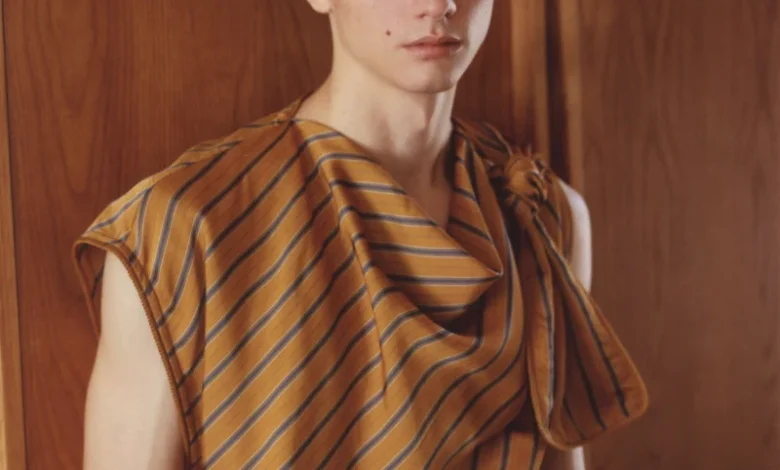
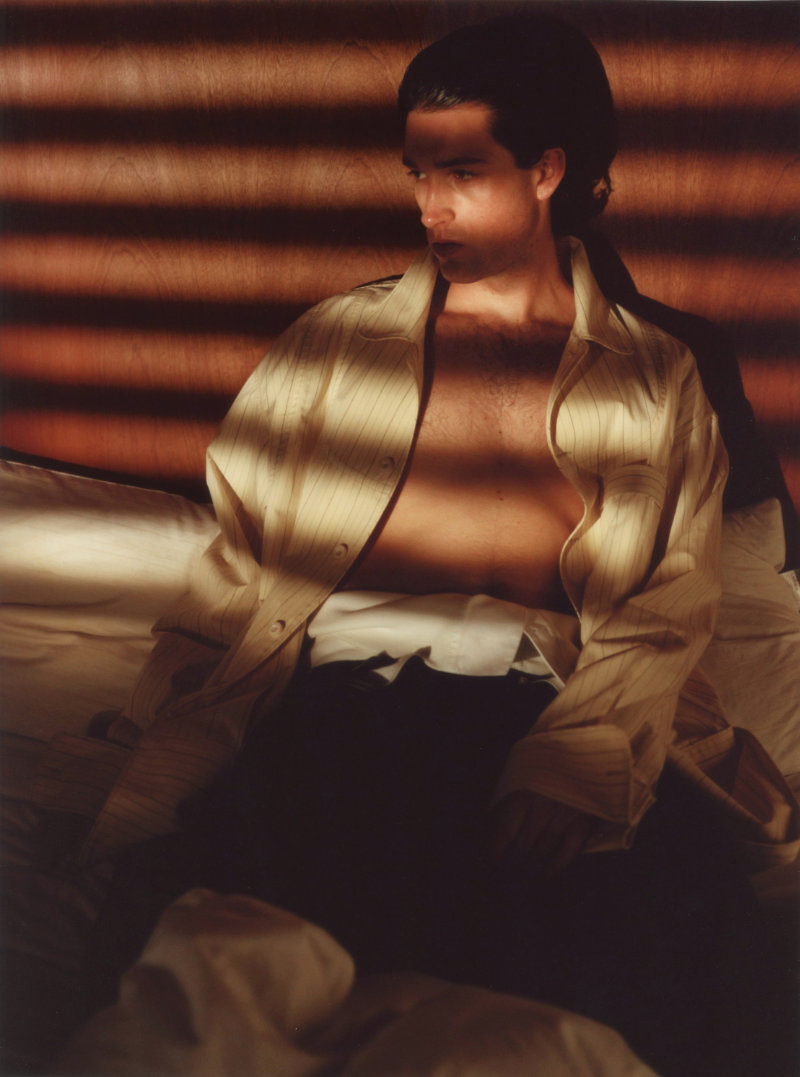
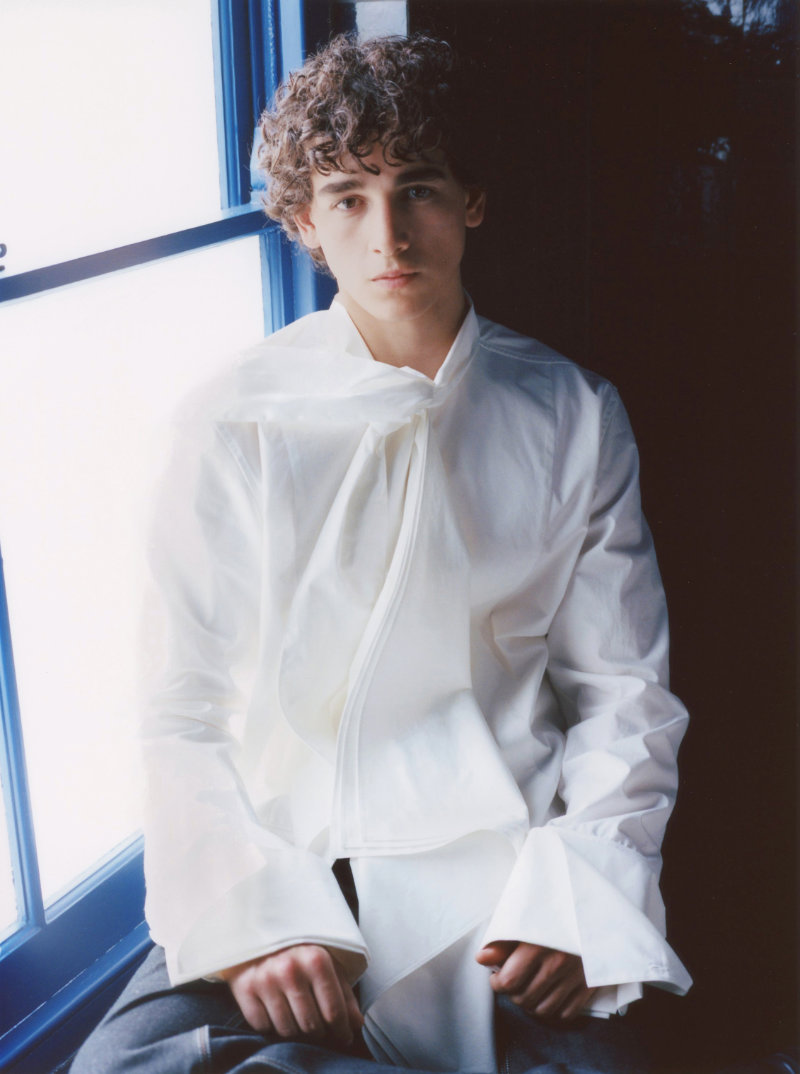
Timothy Li’s latest collection, Series 3, delves into the profound connection between clothing and the intimate spaces individuals share. Drawing significant inspiration from the seminal film Lan Yu, Li meticulously examines the evolving relationship between its two protagonists. The collection captures the nuanced interplay of their contrasting sartorial choices and the gradual transformation of their shared apartment into a personal sanctuary. This thematic exploration is further enriched by references to Thomas Ruff’s evocative "Interiors" series and the pervasive sense of familiarity associated with domestic life in the 1990s. Through these layered influences, Li constructs a narrative where garments and everyday objects coalesce, becoming integral elements of a unified story about connection and cohabitation.
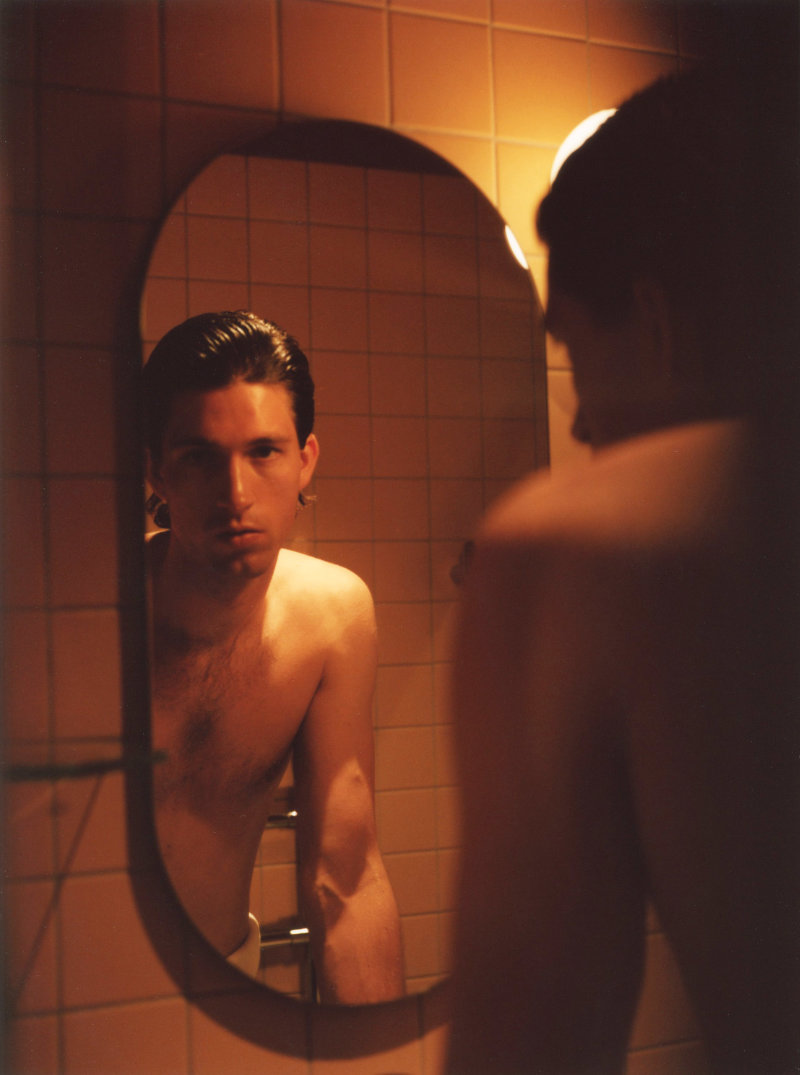
The accompanying short film, a visual extension of the collection’s narrative, was meticulously shot in the vibrant district of Dalston, London. The film follows the journey of three young men as they navigate the intimate spaces of an apartment, charting the passage of time from the soft light of morning to the deepening hues of dusk. This visual narrative complements the tactile experience of the collection, offering a glimpse into the emotional resonance of shared living and personal expression.
The Genesis of Series 3: A Dialogue Between Film and Fashion
The conceptual bedrock of Timothy Li’s Series 3 lies in its profound engagement with the film Lan Yu. Directed by vab, the 2001 cinematic work is celebrated for its sensitive portrayal of a complex and evolving relationship set against the backdrop of contemporary China. The film’s narrative arc, characterized by the understated intimacy between its central characters and their distinct personal styles, provided a rich tapestry for Li to draw upon.
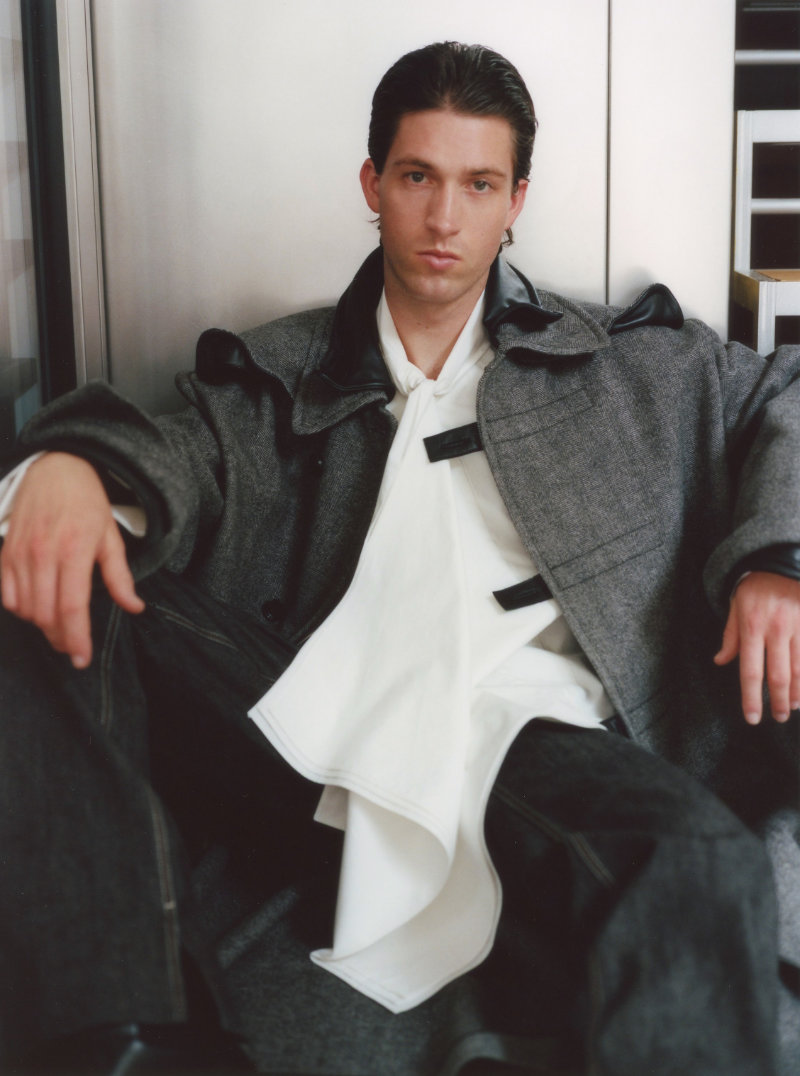
The film’s protagonists, Handong and Lan Yu, embody a study in contrasts. Handong, a pragmatic and somewhat reserved figure, often favors more conventional and understated attire. Lan Yu, on the other hand, exhibits a more artistic and expressive approach to dressing, reflecting his creative spirit and burgeoning confidence. Li’s collection seeks to translate these sartorial dialogues into tangible forms, exploring how clothing can signify identity, mood, and the dynamics of a relationship.
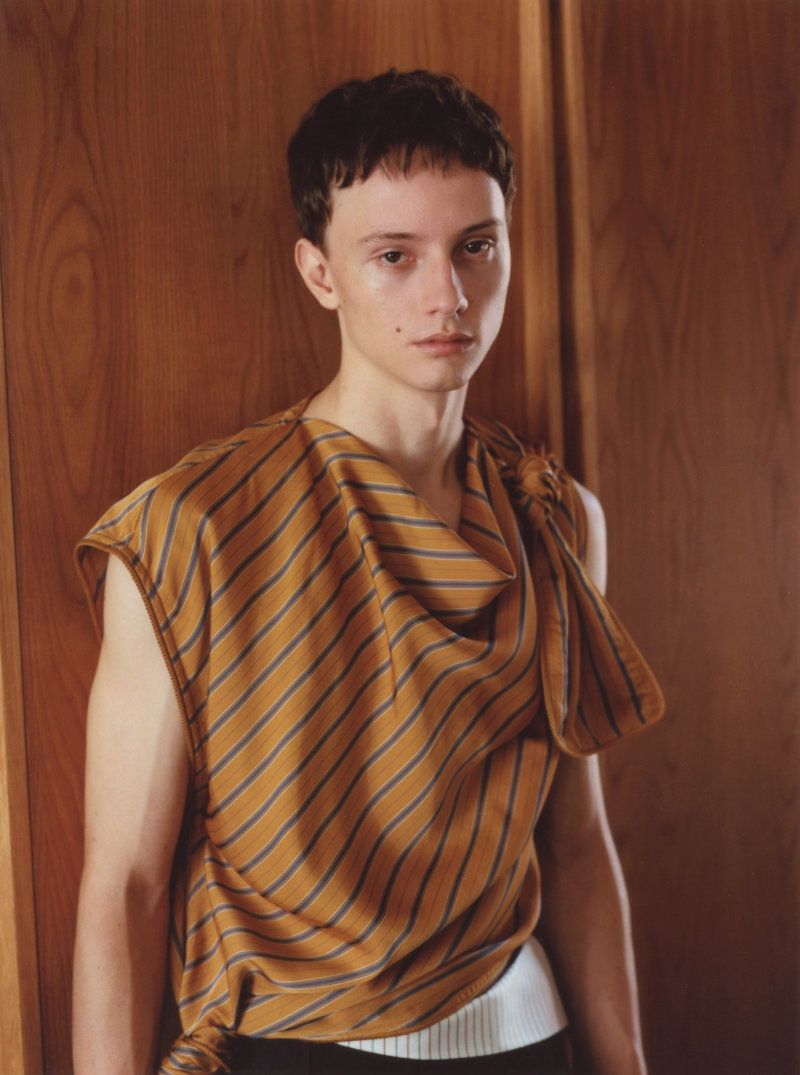
Furthermore, the physical environment of the film plays a crucial role. The apartment that Handong and Lan Yu inhabit undergoes a transformation, mirroring the development of their bond. Initially a sterile space, it gradually becomes imbued with their personalities, filled with objects that hold personal significance. Li’s collection translates this evolution into a dialogue between fashion and interior design, where clothing becomes an extension of the living space and vice versa.
Influences and Artistic Resonance
Beyond the cinematic inspiration of Lan Yu, Series 3 is also informed by the photographic oeuvre of Thomas Ruff, particularly his "Interiors" series. Ruff’s work, known for its direct and unembellished depiction of domestic environments, offers a stark yet intimate glimpse into private spaces. These photographs, often characterized by their meticulous composition and subtle attention to detail, highlight the ordinary objects and architectural elements that define a home. Li’s integration of Ruff’s aesthetic imbues the collection with a sense of grounded realism, emphasizing the materiality of everyday life and the quiet beauty found within domestic settings.
The collection also taps into a broader cultural zeitgeist, referencing the pervasive atmosphere of 1990s domestic life. This era, often remembered for its particular blend of burgeoning technology, evolving social norms, and a distinct visual language in fashion and interiors, provides a nostalgic yet relevant backdrop. The emphasis on comfort, personal expression, and the blurring lines between public and private spheres in the 1990s resonates with Li’s exploration of intimacy and shared spaces. This influence can be seen in the silhouette choices, fabric selections, and the overall mood conveyed by the collection.
Thematic Exploration: Clothing as Narrative
Series 3 is not merely a collection of garments; it is a curated narrative where each piece contributes to a larger story of human connection. The design process involved a deep consideration of how clothing can act as a form of communication, conveying unspoken emotions and intimate histories.
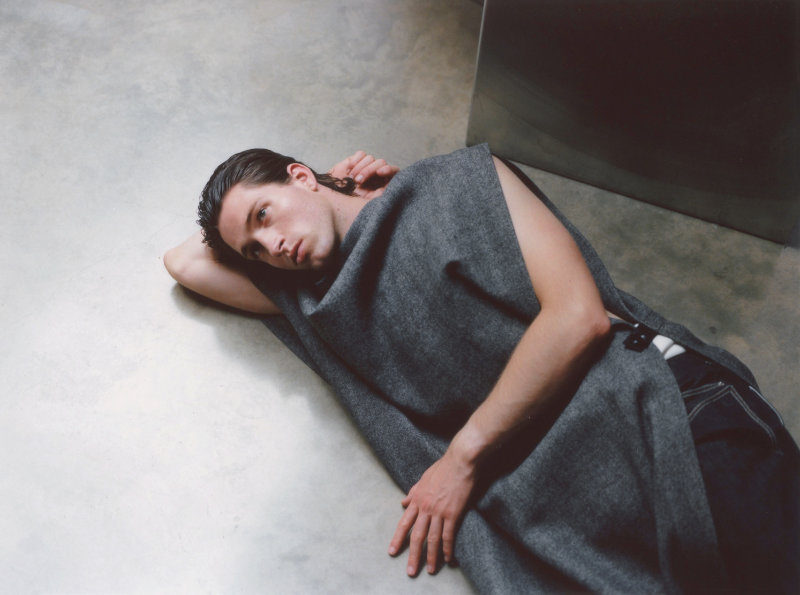
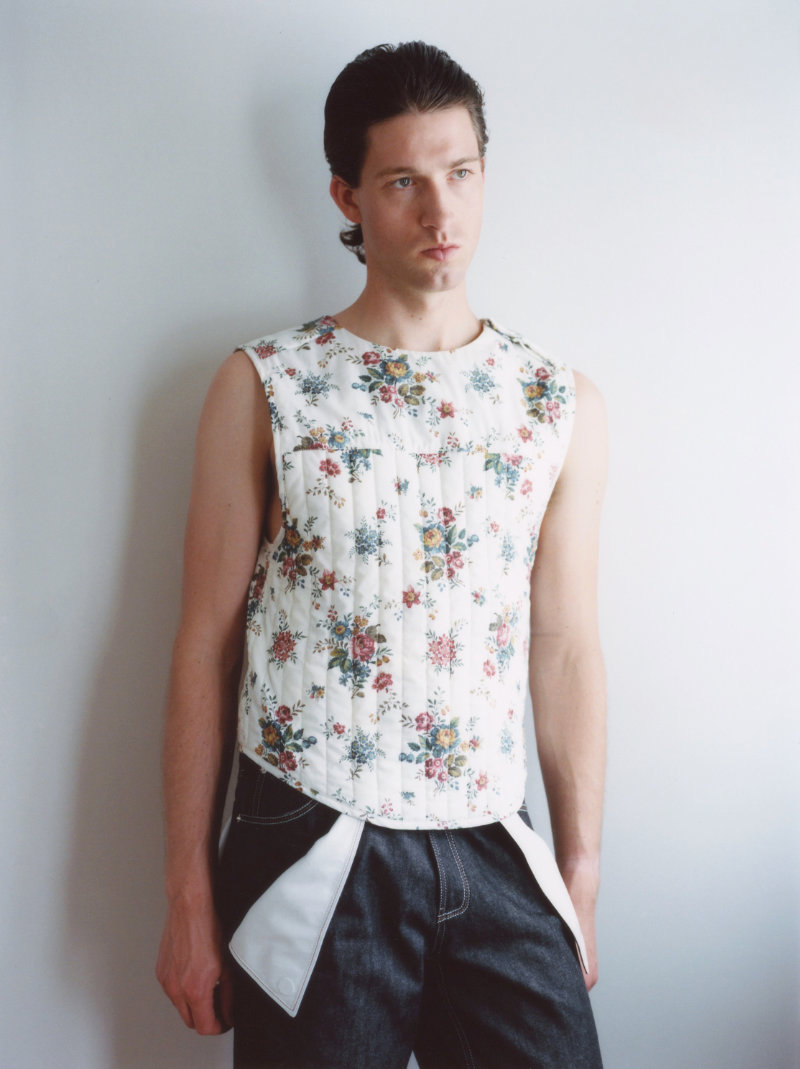
Fabric and Texture: The choice of fabrics plays a pivotal role in evoking the sense of intimacy and lived-in comfort. Expect to see a blend of soft, tactile materials such as brushed cottons, cozy knits, and perhaps even worn denim, alongside more refined textures that suggest moments of careful dressing or elevated intimacy. The interplay of these textures aims to create a sensory experience that mirrors the warmth and complexity of close relationships.
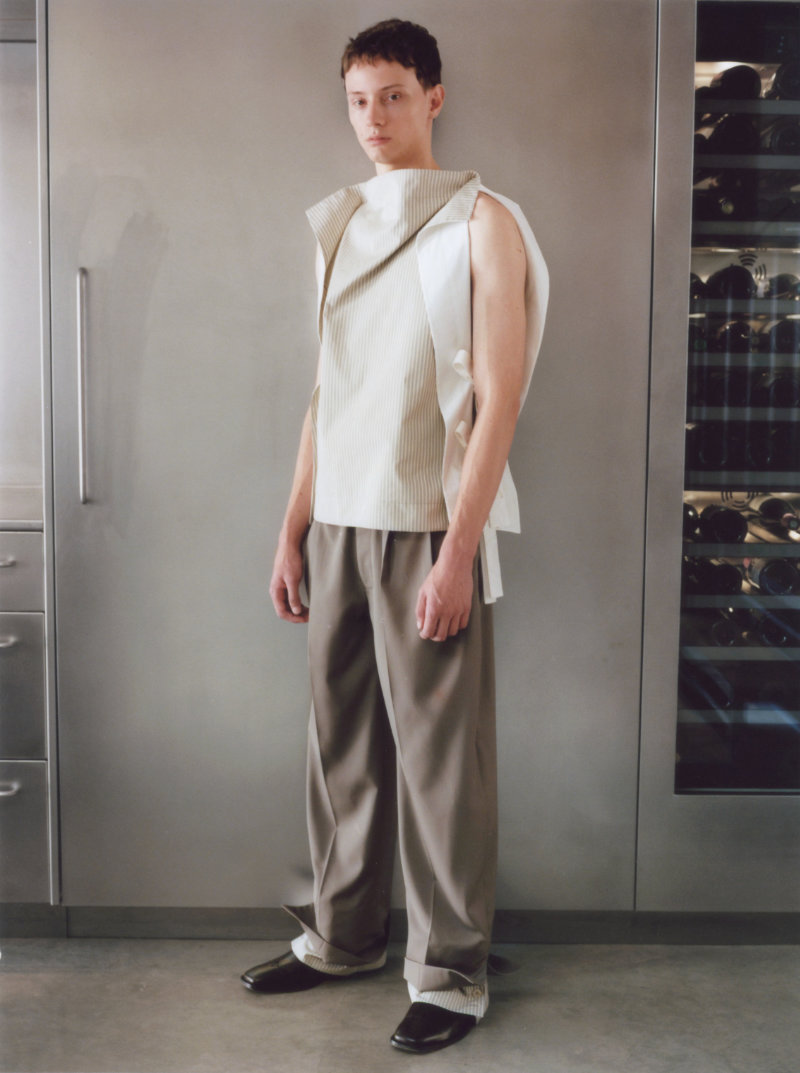
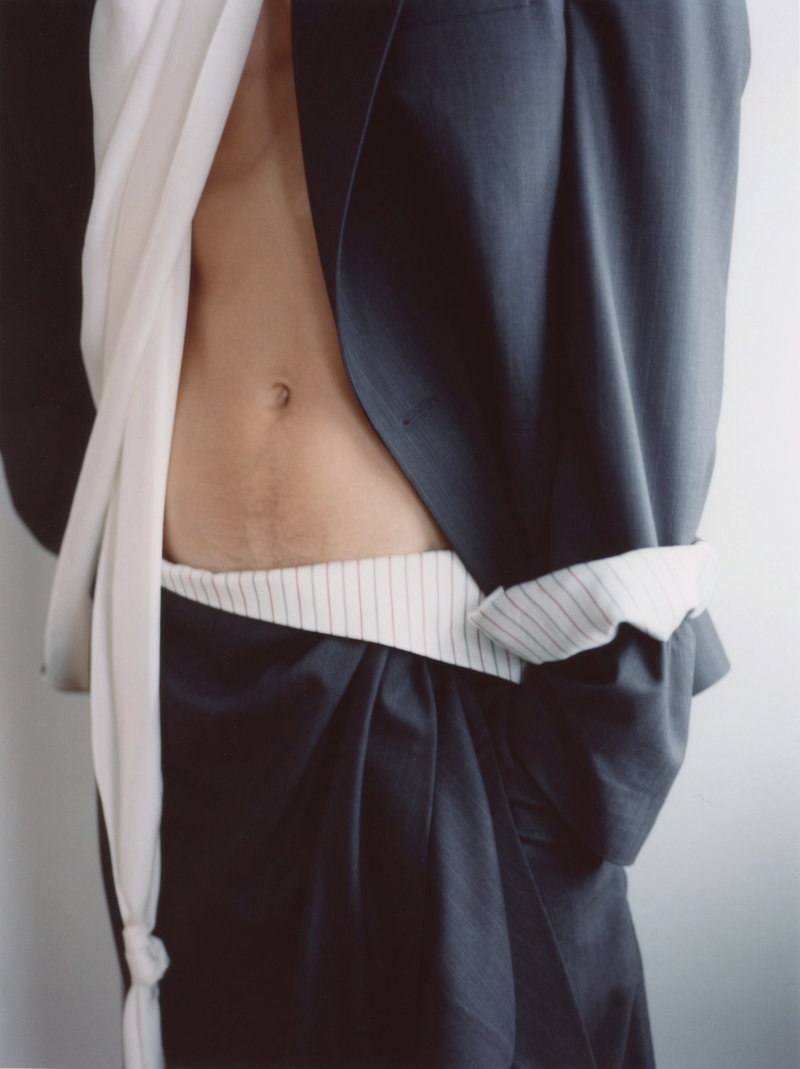
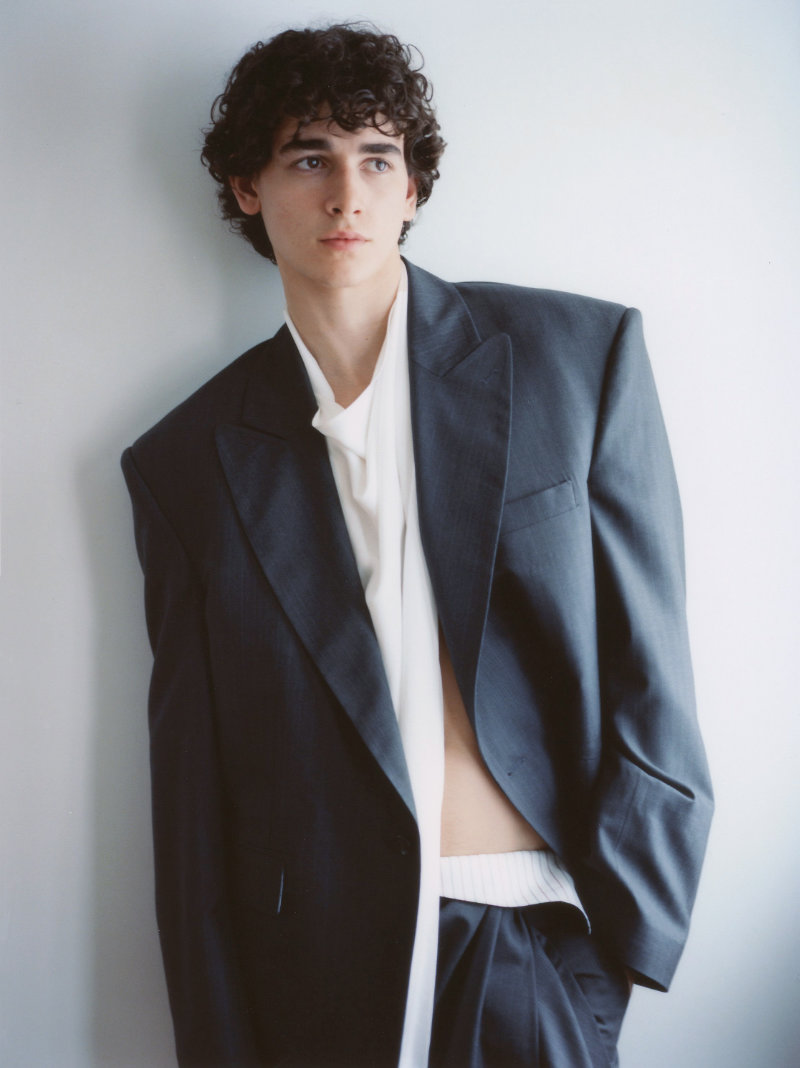
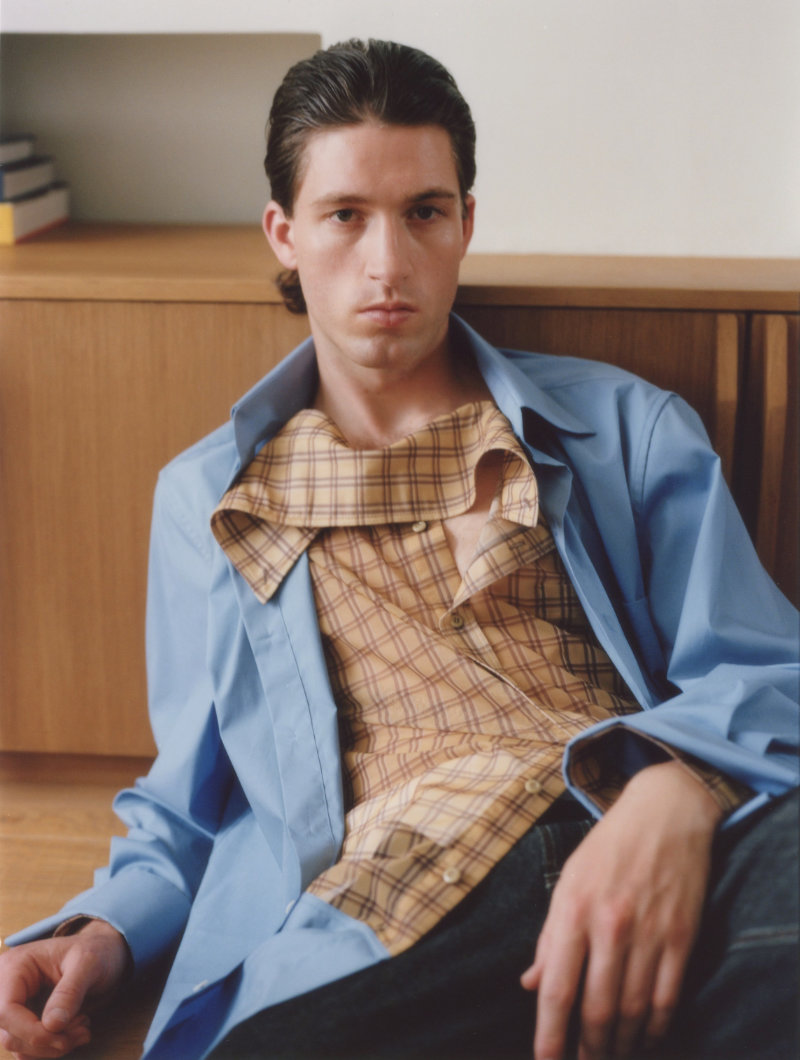
Silhouettes and Layering: The silhouettes in Series 3 likely reflect a balance between relaxed comfort and considered style. Layering, a key element in creating depth and personal expression, is expected to be a prominent feature. This could manifest in the juxtaposition of oversized knitwear with more fitted pieces, or the strategic use of translucent fabrics to create a sense of delicate unveiling. The aim is to create garments that feel both personal and adaptable, reflecting the fluid nature of intimacy.
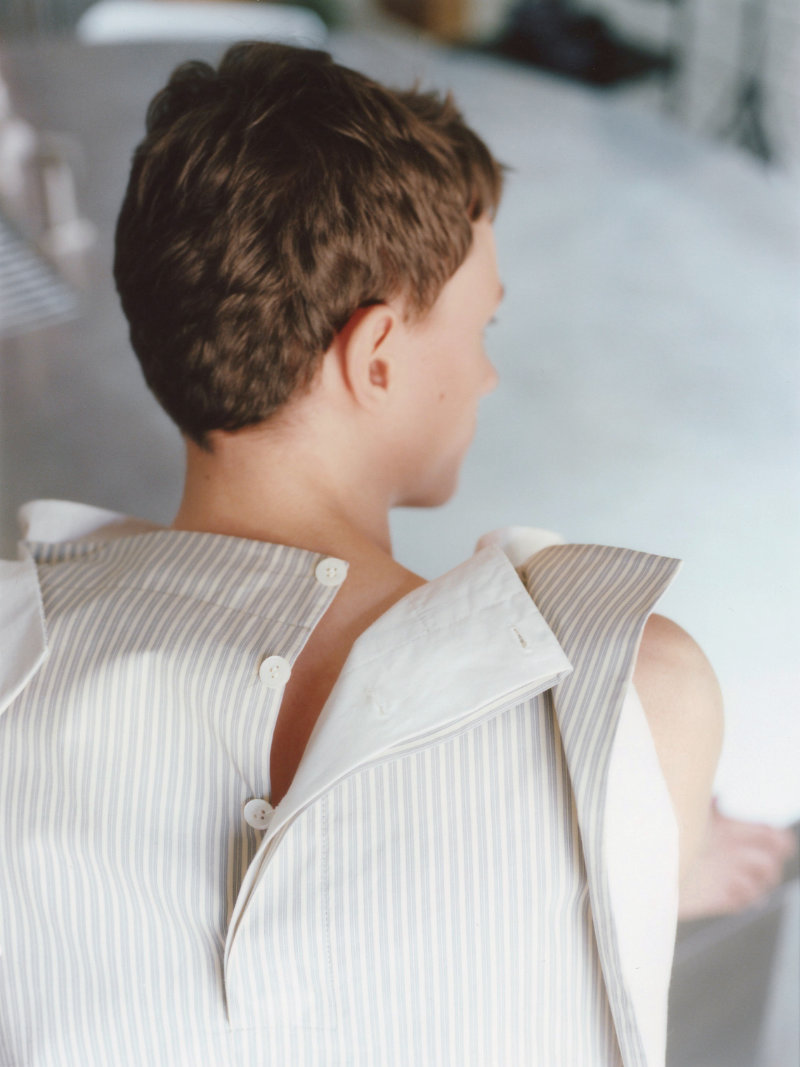
Color Palette: The color palette is anticipated to be sophisticated and nuanced, drawing inspiration from the muted tones of domestic interiors and the subtle shifts in light depicted in Lan Yu and Ruff’s photography. Earthy neutrals, muted blues, soft grays, and perhaps hints of warmer, richer tones like deep ochre or burnt sienna could be present, creating an atmosphere of understated elegance and emotional depth.
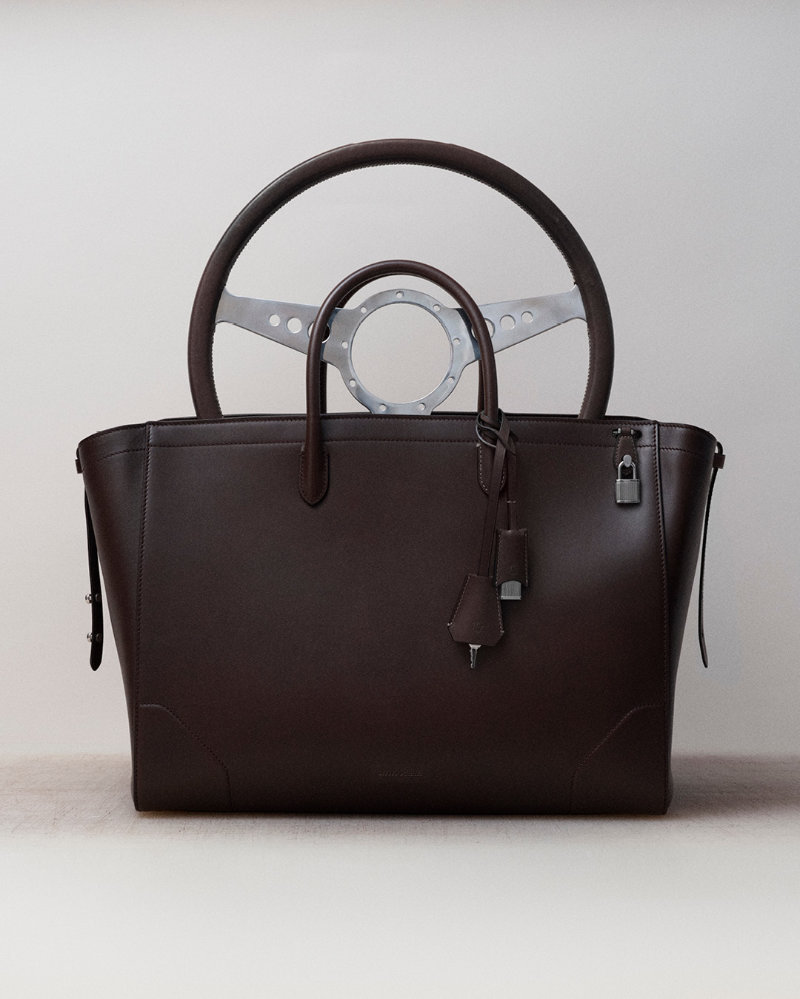
Everyday Objects as Inspiration: The integration of everyday objects into the collection’s narrative is a key differentiator. This could translate into design elements that subtly reference furniture, decorative items, or even personal mementos. The intention is to blur the lines between what is worn and what is lived with, creating a holistic environment where fashion becomes an extension of personal history and shared experience.
The Short Film: Dalston Diaries
The short film accompanying Series 3 serves as a powerful visual extension of the collection’s themes. Filmed in Dalston, an area of East London known for its dynamic creative scene and diverse community, the location itself offers a rich backdrop for exploring contemporary notions of intimacy and urban living.
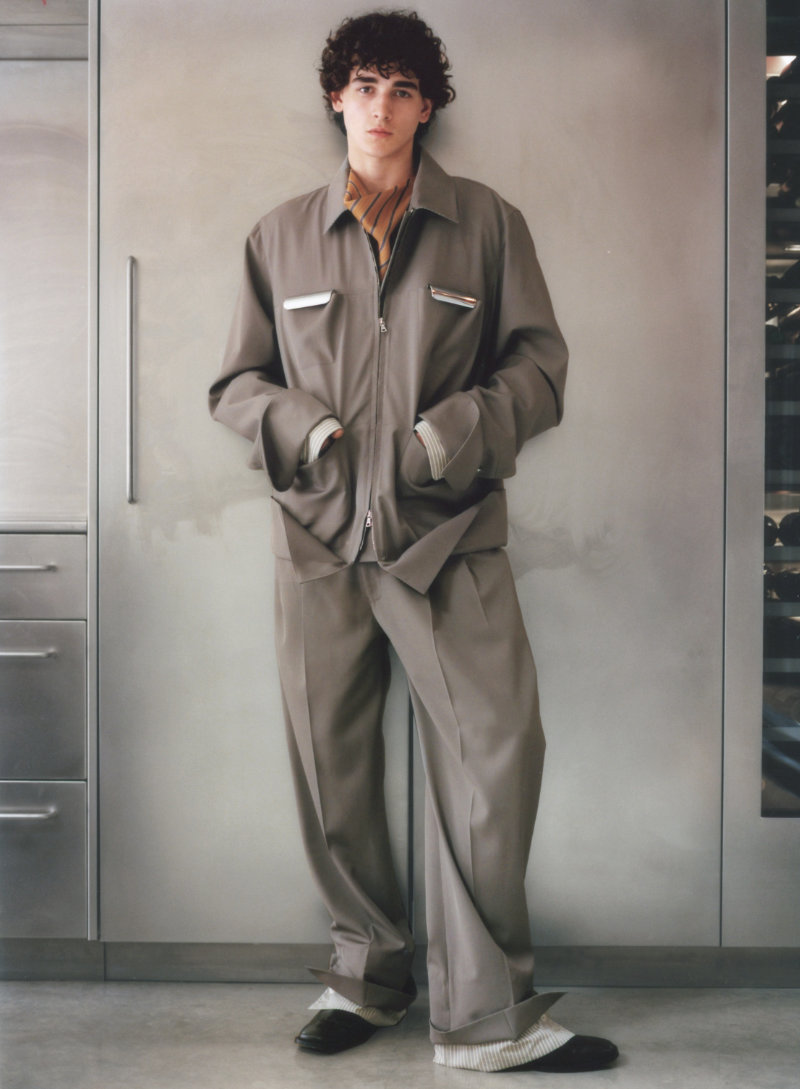
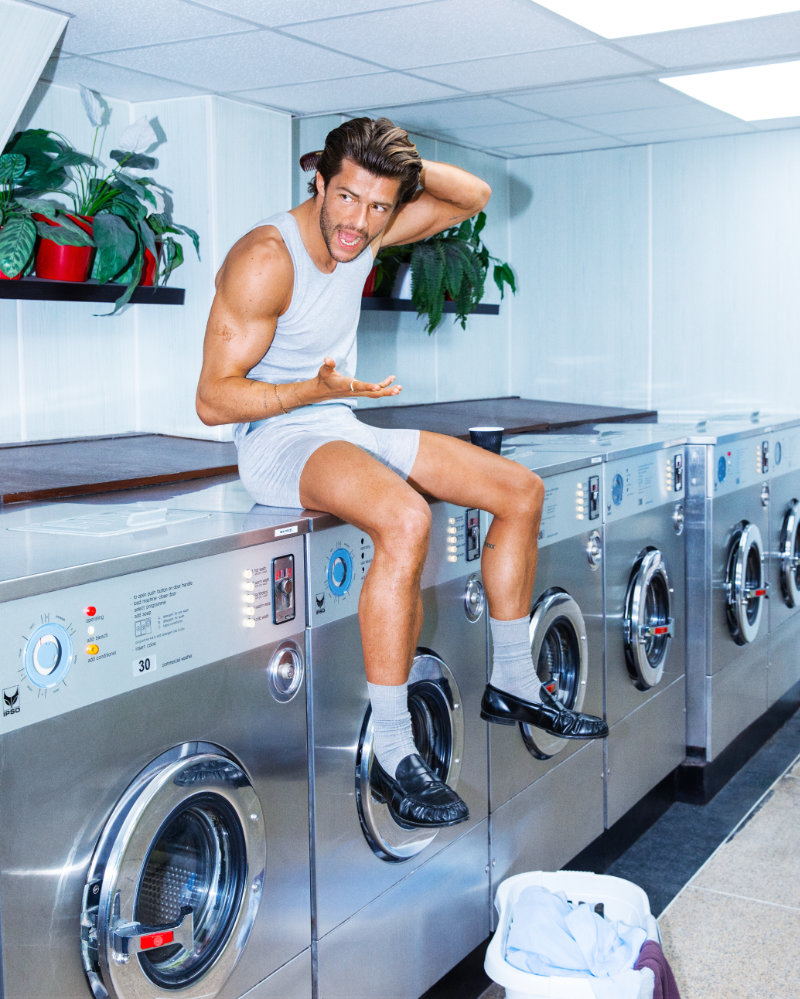
The narrative follows three young men through the intimate spaces of an apartment. The transition from morning to dusk is a significant narrative device, symbolizing the passage of time, the evolution of mood, and the unfolding of personal moments. The film likely captures candid interactions, quiet reflections, and the subtle ways in which individuals inhabit and personalize their shared environment.
The casting and direction of the film are crucial in conveying the intended emotional resonance. The focus on three individuals suggests an exploration of different facets of intimacy, be it romantic, platonic, or familial. The film’s aesthetic, from its cinematography to its editing, is expected to mirror the collection’s emphasis on authenticity, naturalism, and the beauty found in the ordinary.
Broader Implications and Artistic Context
Timothy Li’s Series 3 positions itself within a broader contemporary conversation about the role of fashion in exploring human connection and personal identity. In an era increasingly defined by digital interaction, designers are increasingly turning to tangible experiences and emotional narratives to create meaningful connections with their audience.
The collection’s exploration of intimacy through clothing and space can be seen as a response to a desire for authenticity and deeper human connection. By drawing inspiration from art and film, Li is not only creating aesthetically compelling garments but also engaging in a form of cultural commentary, inviting viewers to consider the ways in which our environments and personal adornments shape our understanding of ourselves and our relationships.
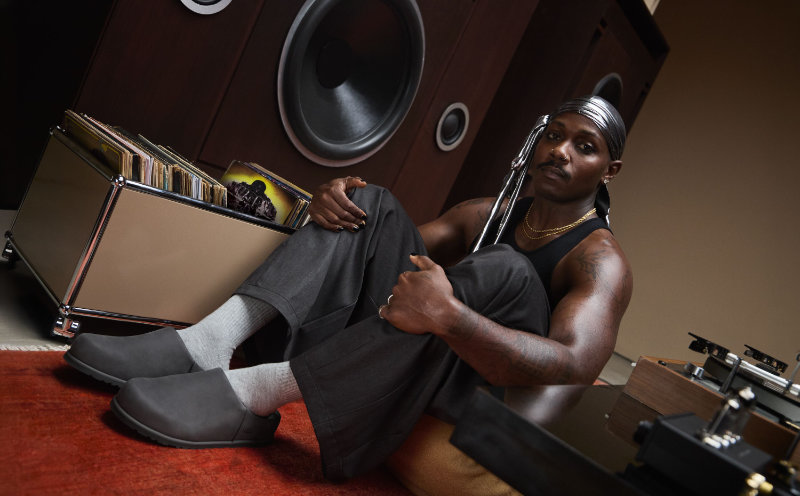
The success of Series 3 will likely be measured not only by its commercial appeal but also by its ability to provoke thought and resonate emotionally with its audience. By weaving together influences from film, photography, and a specific cultural moment, Timothy Li has crafted a collection that transcends mere apparel, offering a poignant exploration of what it means to share space and build intimacy in the modern world. The collection serves as a reminder that fashion, at its most profound, is a powerful tool for storytelling and a reflection of the human experience.
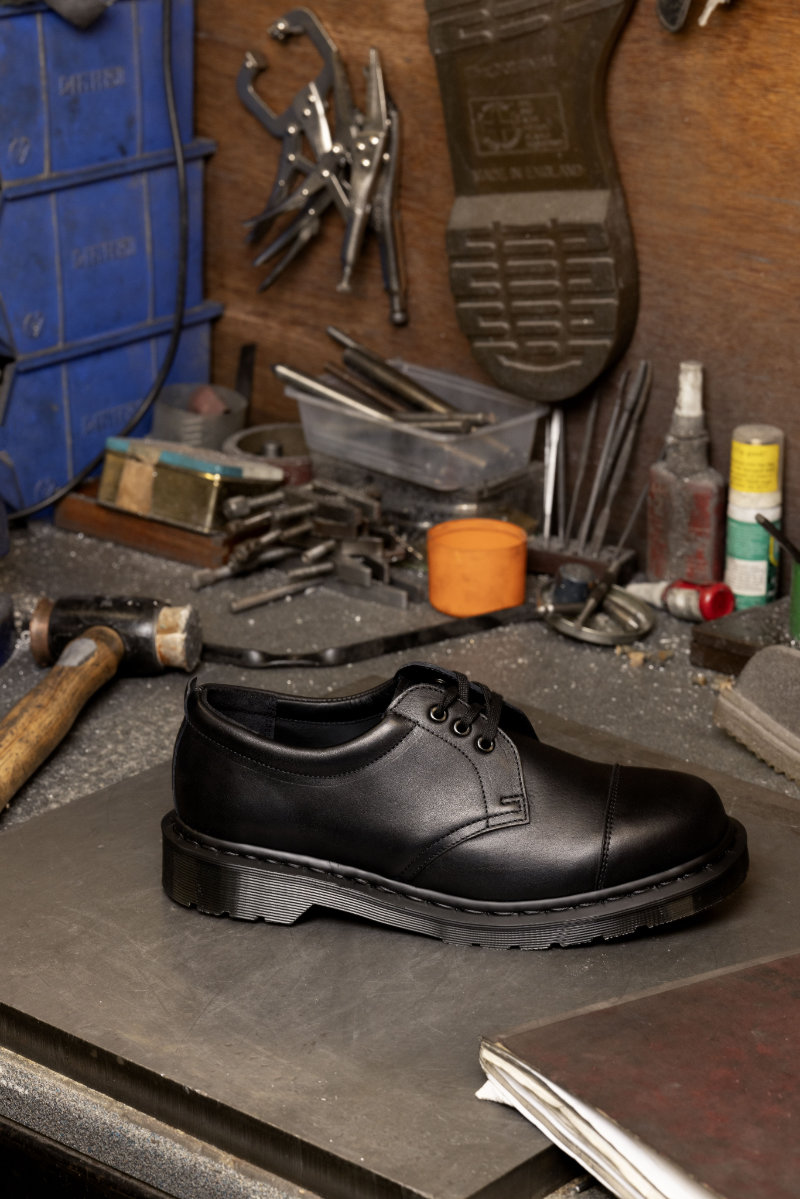
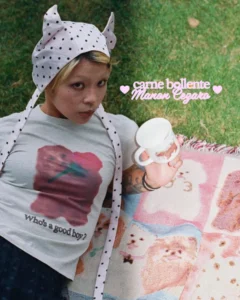
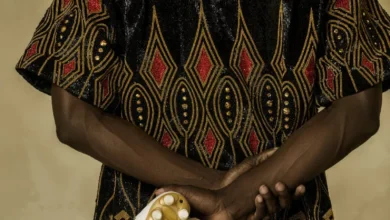
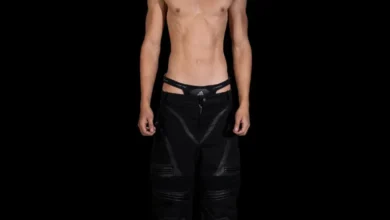
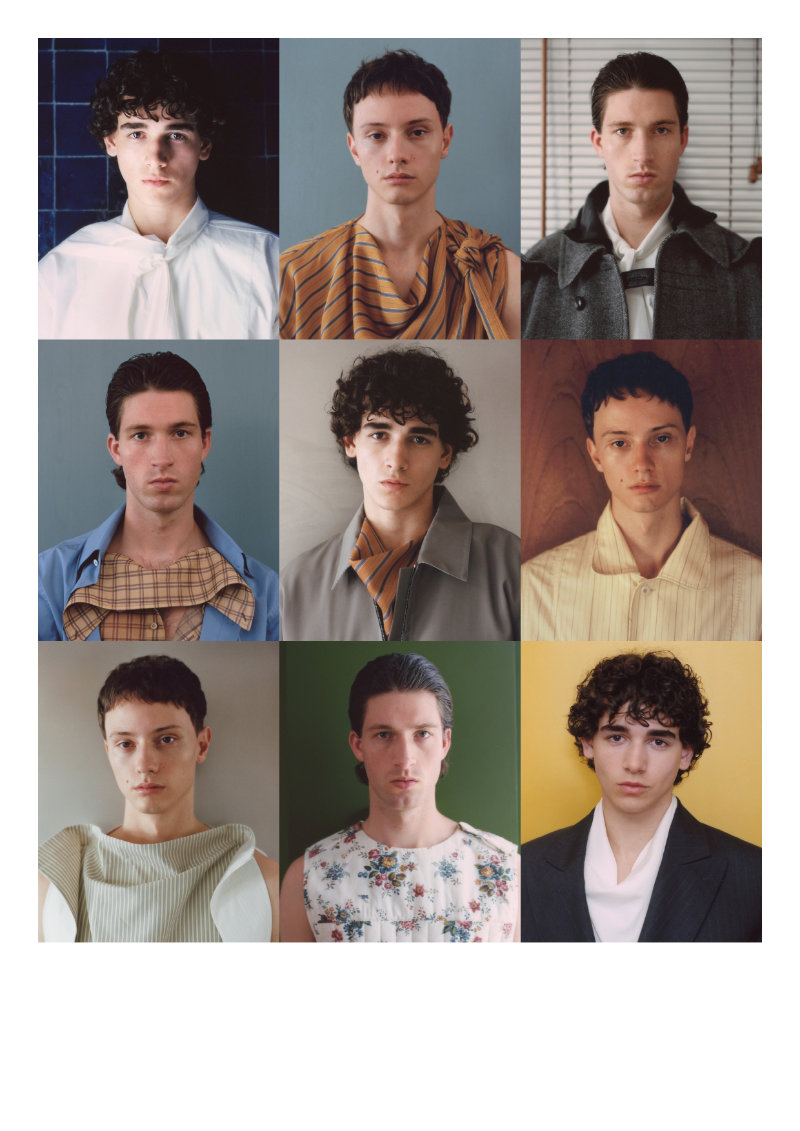
The collection’s release, accompanied by the short film, is anticipated to generate significant discussion within the fashion and art communities, further solidifying Timothy Li’s reputation as a designer who pushes the boundaries of conceptual fashion. The visual documentation, featuring a curated selection of campaign images, showcases the tangible manifestations of these themes, inviting the public to engage directly with the artistry and narrative woven into each piece. The explicit inclusion of the Instagram handle for Timothy Li suggests a direct channel for engagement and further insight into the designer’s creative process and broader body of work. This approach fosters a more personal connection with the audience, extending the narrative beyond the confines of the physical collection.