Mastering the Art of Soft Towels: Energy-Saving Strategies Beyond the Tumble Dryer

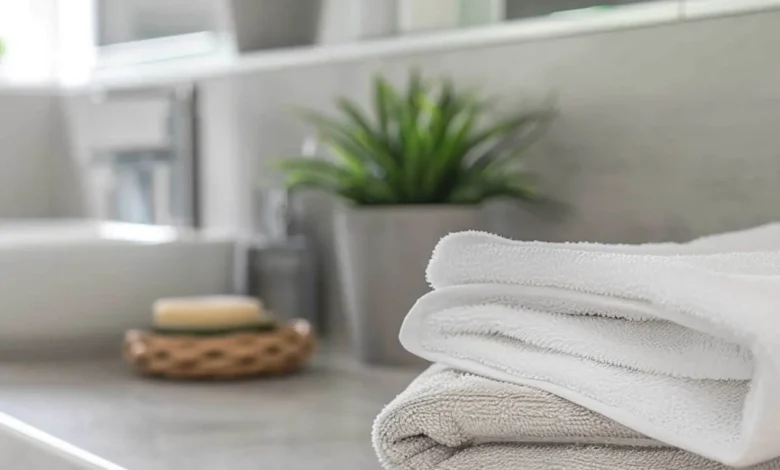
The pursuit of luxuriously soft and fluffy towels often leads consumers to the convenience of the tumble dryer, a household appliance known for its speed but also its substantial energy consumption. With escalating energy costs and growing environmental consciousness, a significant shift towards more sustainable laundry practices, such as air or line-drying, is underway. However, this transition frequently presents a common dilemma: how to prevent towels from becoming stiff and scratchy without the aid of mechanical drying. This article delves into expert-backed methods and scientific explanations for achieving consistently soft towels through air-drying, offering a comprehensive guide to reducing energy bills and environmental impact without compromising on comfort.
The Economic Imperative: Rising Energy Costs and Household Budgets
The increasing focus on energy-efficient laundry stems directly from the volatile landscape of global energy markets. In many regions, including the UK, household energy costs have seen unprecedented surges, impacting millions of families. As of June 2026, the energy price cap, a regulatory mechanism set by bodies like Ofgem, continues to highlight the financial burden of high-wattage appliances. A typical tumble dryer, consuming approximately 3000 watts per hour, translates to an average operational cost of around 78p per hour under the prevailing price cap. Considering that a full drying cycle often extends beyond an hour, these costs accumulate rapidly, contributing significantly to household utility bills.
This economic pressure has prompted a widespread re-evaluation of energy usage habits. Governments and consumer advocacy groups have actively promoted energy-saving measures, from adjusting thermostat settings to optimizing appliance use. For many households, reducing reliance on the tumble dryer has emerged as one of the most impactful strategies to mitigate these rising expenses. Line drying outdoors or using indoor clothes airers represents a viable alternative, not only offering substantial cost savings but also aligning with broader sustainability goals. The challenge, however, has been replicating the soft finish traditionally associated with tumble-dried garments, particularly towels, which are prone to stiffness when air-dried.
Understanding the Science of Stiffness: Why Air-Dried Towels Lose Their Fluff
The phenomenon of air-dried towels developing a rough, ‘crunchy’ texture is not arbitrary; it’s rooted in the interaction between textile fibers, water, detergents, and drying conditions. Towels, typically made from cotton, possess a looped pile structure designed for maximum absorbency. When wet, these fibers swell and become pliable. The drying process, particularly without mechanical agitation, causes these fibers to contract and lock into place as water evaporates.
Several key factors contribute to this stiffness:
- Detergent Build-up: Overuse of laundry detergent is a primary culprit. When too much detergent is used, especially in hard water areas, it may not rinse completely from the towel fibers. This residue acts as a stiffening agent, bonding the fibers together as they dry, reducing their natural flexibility and absorbency.
- Fabric Conditioner Residue: Ironically, conventional fabric conditioners, designed to soften clothes, can have the opposite effect on towels over time. Most fabric conditioners work by coating textile fibers with a waxy, water-resistant layer. While this initially provides a soft feel, repeated application builds up this coating, hindering the towel’s ability to absorb water effectively and preventing fibers from returning to their natural, fluffy state. This coating also traps detergent residues, exacerbating stiffness and potentially leading to unpleasant odors.
- Rapid, Unagitated Drying: When towels dry too quickly under direct, intense heat (such as on a radiator) or without any physical agitation (like wind outdoors or tumbling in a dryer), the water molecules evaporate rapidly, causing the fibers to crystallize and lock together in a rigid formation. The absence of movement prevents the individual fibers from separating and fluffing up, resulting in a flat, compacted texture.
Addressing these underlying mechanisms is crucial for developing effective air-drying strategies that yield soft, comfortable towels.
Optimizing Your Wash Cycle: The Foundation of Softness
The journey to fluffy, air-dried towels begins in the washing machine, where critical adjustments to detergent and fabric conditioner usage can make a profound difference.
1. Don’t Overdo the Laundry Detergent:
A common misconception is that more detergent equates to cleaner laundry. For towels, this is often counterproductive. Excessive detergent leaves behind soap residue, which binds fibers together as they dry, leading to a stiff, unyielding texture and diminished absorbency. Experts recommend using half, or even a third, of the amount of detergent typically used for regular clothes. Modern detergents are highly concentrated, and most washing machines are efficient enough to clean effectively with reduced quantities. This practice not only ensures softer towels but also extends the life of the fabric and saves money on laundry supplies.
For towels that have accumulated significant detergent residue over time, a process known as "laundry stripping" can revitalize them. This involves washing them on a hot cycle with approximately 250 ml of white vinegar instead of detergent. The acetic acid in white vinegar effectively breaks down and dissolves built-up detergent and mineral deposits, restoring the towel’s natural softness and absorbency. This method serves as an excellent periodic deep clean for all towels.

2. Skip the Fabric Conditioner (Especially for Towels):
While counter-intuitive, conventional fabric conditioners are generally detrimental to towel softness and performance. As previously explained, the waxy coating they deposit on fibers reduces absorbency—a critical function for a towel—and contributes to stiffness, particularly when air-dried. This residue can also trap odors and shorten the lifespan of the towel.
For those accustomed to the softening effects of fabric conditioner, transitioning away from it may feel unusual, but the long-term benefits for towel quality are substantial. If fabric conditioner has been used regularly, the laundry stripping technique with hot water and white vinegar is highly effective at removing the accumulated coating, allowing the fibers to breathe and regain their natural softness.
3. Embrace White Vinegar in Every Wash:
White vinegar emerges as a natural and highly effective alternative to conventional fabric conditioners, playing a pivotal role in achieving soft, air-dried towels. Its acetic acid content acts as a mild acid that helps to dissolve mineral deposits from hard water and residual alkaline detergent from towel fibers. This action leaves the fibers feeling smoother and more separated, preventing the ‘crunchy’ texture.
To incorporate white vinegar, simply fill the fabric conditioner dispenser of your washing machine with approximately 60-120 ml of white vinegar. The washing machine will release the vinegar during the rinse cycle, ensuring it works on the fibers after the main wash. A common concern is that towels might smell of vinegar; however, the scent completely dissipates as the towels dry, leaving them fresh and odor-free. This method has been a staple for sustainable home care practitioners for decades, proving its efficacy and safety for all types of laundry.
Optimizing the Drying Process: Techniques for Fluffiness
Once the wash cycle is complete, the drying method becomes equally important in determining the final texture of your towels.
1. The Power of Pre and Post-Drying Shaking:
A simple yet remarkably effective technique for maintaining towel softness is vigorous shaking. When towels emerge from the washing machine, their fibers are often compressed and matted. Giving them a firm shake before hanging them to dry helps to separate and loosen these fibers. This pre-drying agitation mimics, to a small extent, the tumbling action of a dryer, preventing the fibers from locking into a rigid position as they dry.
To execute this, hold the towel by one short edge and give it several strong, snapping shakes. Then, repeat the process by holding the other short edge. This ensures even separation across the entire fabric. Once the towels are completely dry, a second round of vigorous shaking further releases any lingering stiffness, making the towels feel more pliable and softer to the touch. This physical manipulation encourages air circulation between the fibers, promoting a fluffier finish.
2. Avoid Drying Towels on Radiators:
While seemingly convenient, drying towels directly on radiators is counterproductive to achieving softness and can also be an energy-inefficient practice. Radiators provide an intense, direct heat source that dries towels rapidly without any accompanying agitation. This quick evaporation, devoid of movement, causes the towel fibers to become stiff and compacted, much like cardboard.
Moreover, placing towels over radiators impedes the radiator’s ability to efficiently heat the room, leading to increased energy consumption as the heating system works harder to compensate. The lack of airflow when one side of the towel is pressed against the radiator further exacerbates uneven drying and stiffness. For optimal softness and energy efficiency, air drying outdoors on a washing line, where natural wind provides gentle agitation, or indoors on a clothes airer with ample space for air circulation, is always recommended. This allows for a more gradual and even drying process, preventing fiber rigidity.
3. The "Rub" Technique: Manual Agitation for Post-Dry Softness:
A lesser-known but highly effective technique shared by experienced homemakers involves manual agitation after towels are completely dry. This method, akin to a localized, gentle tumbling action, helps to loosen fibers that may have stiffened during air drying.
Once a towel is thoroughly dry, hold it aloft and vigorously rub one half of the towel against the other. This friction and movement help to physically separate and fluff up the compressed fibers. After working one side, turn the towel over and repeat the process on the other side. This technique not only restores a surprising degree of softness but also provides a minor physical workout, demonstrating that manual effort can yield results traditionally associated with energy-intensive appliances.

The Final Touch: Low-Energy Solutions for Enhanced Softness
Even with diligent adherence to the above strategies, some may desire an extra degree of softness or find that certain towels remain slightly less fluffy than desired. In such cases, a minimal, energy-efficient intervention can provide the perfect finish without incurring significant costs or environmental impact.
1. The Short Tumble: 5-10 Minutes for Perfection:
If air-dried towels are not quite meeting the desired standard of softness, a brief stint in the tumble dryer can work wonders. Instead of a full drying cycle, which can last well over an hour, simply pop the completely air-dried towels into the tumble dryer for 5-10 minutes on a low or medium heat setting. This short burst of mechanical tumbling provides just enough agitation to loosen the fibers, release any residual stiffness, and fluff them up, replicating the desired texture of fully tumble-dried towels without the associated high energy consumption. This method capitalizes on the dryer’s ability to mechanically separate fibers without relying on it for the bulk of the moisture removal.
2. Incorporating Wool Dryer Balls:
To maximize the effectiveness of this short tumble and further enhance softness, the use of wool dryer balls is highly recommended. These natural, reusable balls work in several ways:
- Mechanical Agitation: As they tumble with the towels, they physically separate the fabric, preventing items from clumping together and promoting better airflow. This agitation helps to fluff up the fibers.
- Moisture Absorption: Wool dryer balls can absorb some moisture, potentially shortening the minimal drying time even further.
- Reduced Static: They help to reduce static cling, which can also contribute to a less pleasant feel.
Using 3-6 wool dryer balls with the 5-10 minute low-heat tumble can significantly amplify the softening effect, making them an energy-efficient and eco-friendly addition to your laundry routine.
Broader Implications: Towards a Sustainable Laundry Future
The shift away from energy-intensive tumble dryers towards air-drying, complemented by these meticulous care techniques, carries significant broader implications. Environmentally, it directly contributes to a reduction in household carbon footprints. Tumble dryers are among the most energy-hungry appliances, and their reduced usage lessens demand on power grids, which often rely on fossil fuels. This aligns with national and international climate goals aimed at decreasing energy consumption and promoting sustainable living practices.
Economically, these strategies empower households to take control of their utility bills, offering tangible savings that can be redirected to other essential needs. The initial investment in a clothes airer or a robust washing line is minimal compared to the long-term savings on electricity.
From a textile care perspective, these methods can also extend the lifespan of towels. Reducing exposure to high heat and abrasive tumbling can preserve the integrity of cotton fibers, preventing premature wear and tear. This contributes to a more sustainable consumption pattern by reducing the frequency of textile replacement.
In conclusion, achieving soft, fluffy towels without the continuous use of a tumble dryer is entirely feasible. By understanding the science behind fiber stiffness and implementing a combination of optimized washing practices (less detergent, no fabric conditioner, white vinegar), careful drying techniques (shaking, avoiding radiators), and minimal energy finishing touches (post-dry rubbing, short tumble with wool dryer balls), consumers can enjoy the comfort of soft towels while making a significant positive impact on their finances and the environment. This represents a tangible step towards a more conscious and sustainable approach to household management.