The American retail landscape has shifted significantly over the past several years, and the 2026 Labor Day weekend serves as a definitive case study in how major menswear brands are approaching end-of-summer clearance. While historically this holiday functioned as a massive, sweeping fire sale across the entirety of the retail sector, recent data suggests a more nuanced approach. Consumers are now observing a "bigger haystack, fewer needles" dynamic, where the sheer volume of promotional emails remains high, but the depth of genuine, high-value discounts on staple wardrobe items has become more selective. As retailers move to balance inventory overhead with the rising cost of logistics, savvy shoppers are finding that the most substantial markdowns are concentrated on specific core categories rather than store-wide liquidations.
The Evolution of the Labor Day Retail Cycle
Labor Day has traditionally marked the unofficial conclusion of summer and, for the apparel industry, the transition toward autumn-winter inventory. In the early 2010s, this period was characterized by uniform percentage-off sales across entire catalogs. However, by 2026, the retail strategy has shifted toward inventory management precision. Many mid-market and premium brands are now utilizing data-driven discounting, targeting specific overstocked items—such as lightweight suits and spring-weight chinos—while maintaining stable pricing on new arrivals.

This evolution is largely a response to the "bullwhip effect" in supply chains, where retailers struggled with inventory gluts during the mid-2020s. By late 2026, many brands have leaned into leaner inventory models, leading to fewer sitewide sales but more competitive pricing on specific, high-quality garments. This year’s holiday weekend saw a notable trend: legacy brands like Bonobos, J. Crew, and Nordstrom prioritized value for money on versatile, year-round pieces rather than merely offloading seasonal fringe items.
Analyzing the 2026 Promotional Landscape
Industry analysts have noted that the 2026 Labor Day sales period saw a distinct split between fast-fashion outlets, which continued to offer aggressive sitewide discounts, and heritage menswear brands, which favored strategic promotions. For instance, the focus on "transitional" clothing—garments suitable for both late summer and early autumn—has become the primary driver of consumer engagement.
Retailers are under increasing pressure to protect margins while maintaining customer loyalty in a climate of fluctuating consumer confidence. According to recent retail reports, the average discount depth for premium menswear during the 2026 Labor Day window hovered between 25% and 40%, a slight reduction from the more aggressive 50% cuts observed in previous years. Despite this, the quality of available inventory has seen an uptick. Brands are more frequently discounting technical fabrics—such as moisture-wicking dress shirts and performance-oriented suit separates—which reflects a broader consumer preference for functionality in professional attire.

Curated Wardrobe Strategies: Building the Modern Look
For the modern professional, the 2026 sales cycle offered a unique opportunity to acquire foundational pieces at a fraction of their retail cost. The following sections analyze the four primary aesthetic categories that defined the best deals of the weekend.
The Professional Standard: Blue and Black
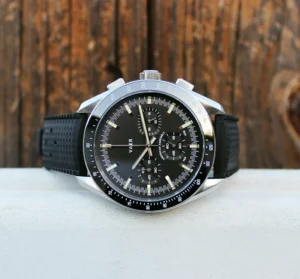
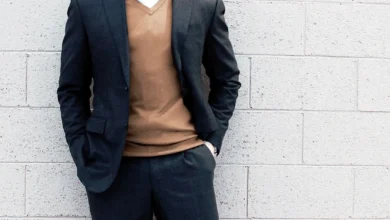
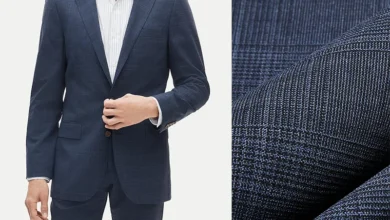
The traditional office aesthetic has undergone a modernization process. The resurgence of blue-and-black color palettes signifies a shift away from the rigid, monochromatic grays of the past. Sales at brands like Bonobos highlighted this, with the "Jetsetter" suit series seeing significant price reductions. The utility of the tech dress shirt, paired with the timeless aesthetic of a black silk knit tie, provides a versatile uniform that functions across various professional settings. The inclusion of durable accessories, such as the Vaer R1 Oceanracer watch, underscores a market-wide trend toward watches that bridge the gap between tool-watch durability and professional-office aesthetics.
The Warm Early Fall Transition
As the climate shifts, the "warm early fall" wardrobe has emerged as a critical retail category. The emphasis here is on layering. The Tie Bar’s sweater polo, paired with J. Crew’s stretch chinos in earth tones like mushroom, represents a departure from the high-contrast patterns of summer. This period saw a significant emphasis on materials that provide comfort during temperature fluctuations—specifically, breathable cotton-blends and lightweight knitwear. The continued popularity of the Timex Marlin series further proves that there is a robust market for vintage-inspired, mid-tier horology that prioritizes design over purely technical specifications.

The Urban-Outdoorsy Aesthetic
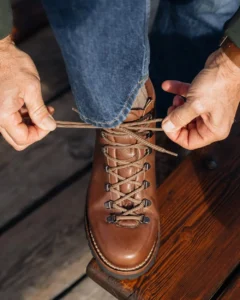
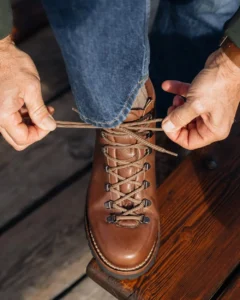
Perhaps the most significant shift in menswear over the last five years is the fusion of urban style with outdoor utility. The "Urban-Outdoorsy" trend is no longer a niche aesthetic; it is a staple of contemporary retail. The popularity of the quilted jacket—a garment that balances warmth with a slim, metropolitan silhouette—was a highlight of the 2026 sales. The availability of heritage-grade footwear, such as the Danner 917, at discounted rates indicates that consumers are increasingly willing to invest in "buy-it-for-life" items when the price point is lowered by seasonal incentives. This category thrives on the durability of merino wool and the rugged appeal of corduroy, materials that are inherently better suited for the cooling temperatures of late September.
The Blazer and Denim Combination
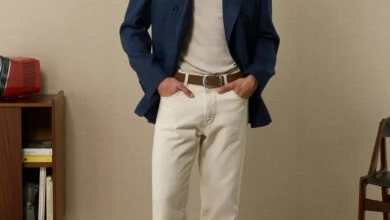
The "Blazer and Jeans" look remains the definitive "smart casual" outfit for the modern era. By utilizing a knit blazer—such as those found in the Bonobos collection—men can achieve the appearance of a structured suit while maintaining the comfort of a sweater. The integration of high-quality denim with a classic Oxford Cloth Button Down (OCBD) creates a silhouette that is appropriate for both business-casual environments and evening social settings. The emphasis in 2026 has been on the fit of the denim, with brands like Gap and Banana Republic Factory offering a wider array of fits, from slim to athletic, to accommodate a more diverse consumer base.
Broader Economic Implications and Future Outlook
The 2026 Labor Day sales period provides a snapshot of a maturing retail market. Consumers have become increasingly sophisticated, often ignoring sitewide "noise" to focus on high-quality, long-lasting items. Retailers who align their promotional strategies with these consumer behaviors—focusing on sustainability, versatility, and durability—have fared significantly better than those relying on volume-based discounting.

The implications for the broader fashion industry are clear: the era of the "all-encompassing sale" is fading, replaced by a more precise, target-oriented approach. As we move into the fourth quarter of 2026, the data suggests that brands that maintain brand equity by avoiding excessive discounting while offering meaningful price breaks on core items will be the ones to lead in the coming year.
From a macroeconomic perspective, the behavior of consumers during this holiday weekend reflects a cautious yet engaged market. While shoppers are certainly hunting for value, they are not necessarily sacrificing quality. This trend suggests that the retail sector is entering a period of stabilization, where the focus shifts from rapid inventory turnover to building long-term customer relationships through better product curation.
Summary of Retail Trends 2026
- Selective Markdown Strategies: Brands are choosing to discount specific SKUs rather than offering broad store-wide sales.
- Emphasis on Versatility: Items that can be worn across multiple seasons (e.g., knit blazers, performance chinos) are seeing the highest sell-through rates.
- The "Hybrid" Wardrobe: The blending of professional attire with outdoor-ready functionality continues to dominate fashion design.
- Value Over Volume: Consumers are demonstrating a clear preference for investing in higher-quality items at a 25-30% discount rather than lower-quality items at 60-70% off.
As the retail industry continues to adapt to the changing preferences of the modern man, the lessons of Labor Day 2026 will undoubtedly influence marketing and inventory strategies for the foreseeable future. The brands that successfully navigate this landscape are those that treat their customers as informed participants in a cycle of thoughtful, intentional consumption.
Related posts: