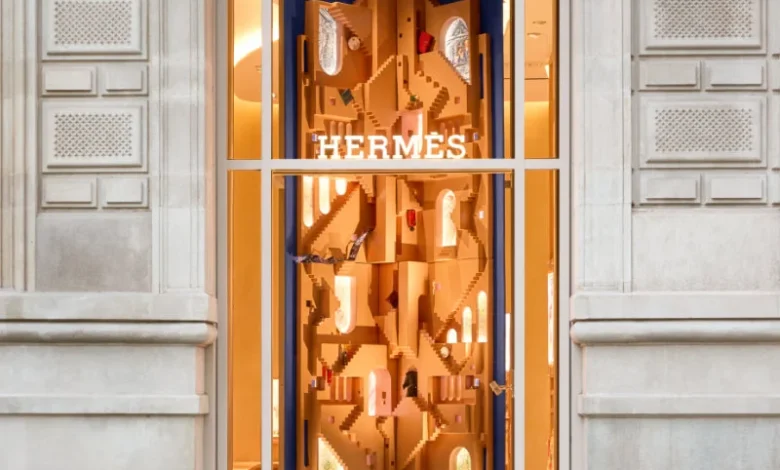
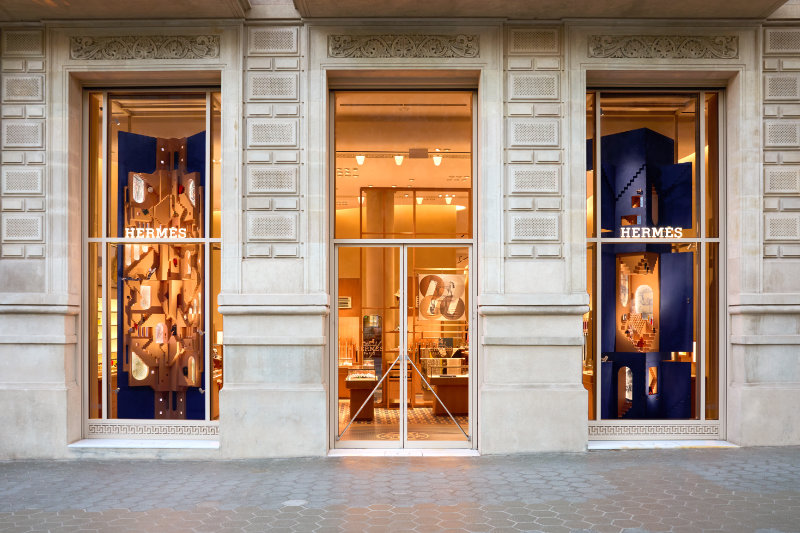
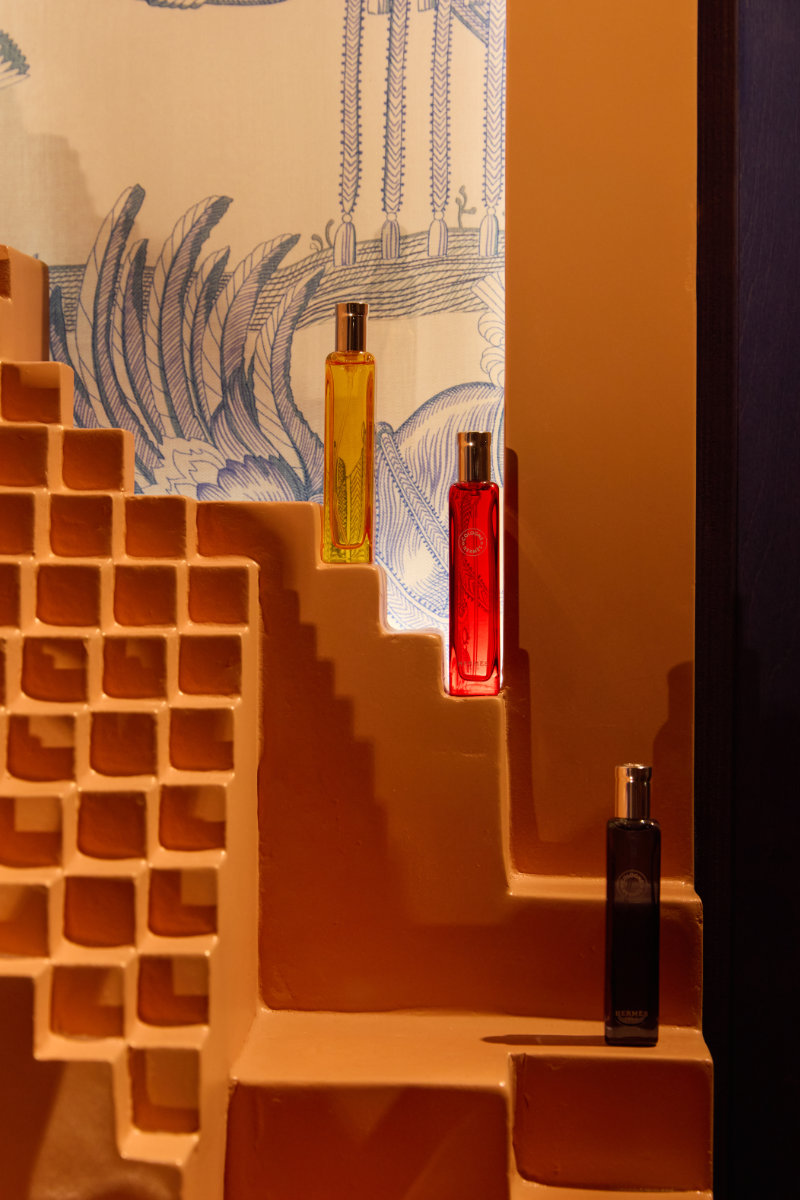
The intersection of high fashion and avant-garde architecture has reached a new milestone on the iconic Passeig de Gràcia in Barcelona. Luxury house Hermès has unveiled a site-specific installation titled Escalera Infinita (Infinite Staircase), a collaboration with the acclaimed local architecture firm Mesura. This intervention, which transforms the storefront into a multidimensional landscape of plaster and geometry, serves as the physical manifestation of the Maison’s 2026 annual theme, L’Appel du Large (The Call of the Open Sea).
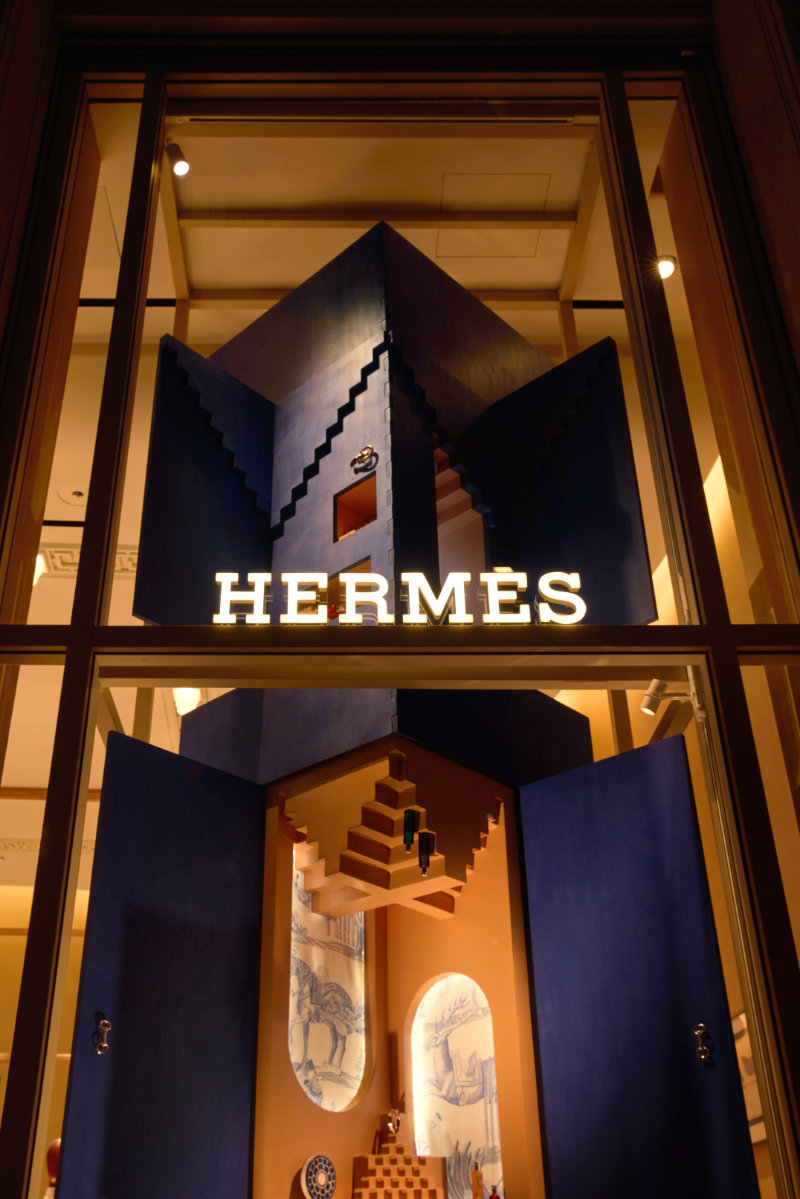
The installation, which remains open to the public until November 28, 2026, functions as a visual bridge between the rigorous discipline of classical architecture and the whimsical, dreamlike narrative associated with the Hermès brand identity. By utilizing the storefront windows as a canvas, Mesura has successfully recontextualized the traditional retail space, turning it into an immersive architectural experience that challenges the viewer’s perception of depth, scale, and spatial orientation.
Architectural Inspiration and the Legacy of Form
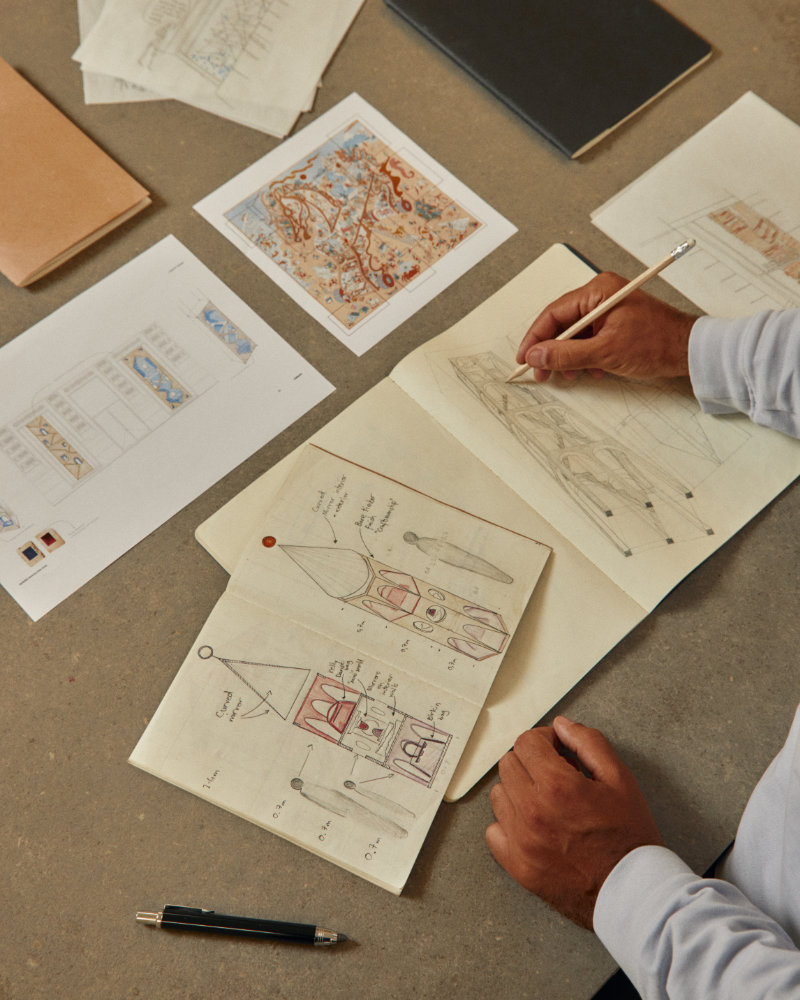
The project is rooted in a deep engagement with the history of architectural thought. The design team at Mesura drew heavily from the structural philosophies of Andrea Palladio, known for his obsession with proportion and symmetry, and the poetic, often melancholic, urbanism of Aldo Rossi. These influences are filtered through the lens of M.C. Escher, whose famous lithographs of impossible, looping staircases provide the primary aesthetic vocabulary for the installation.
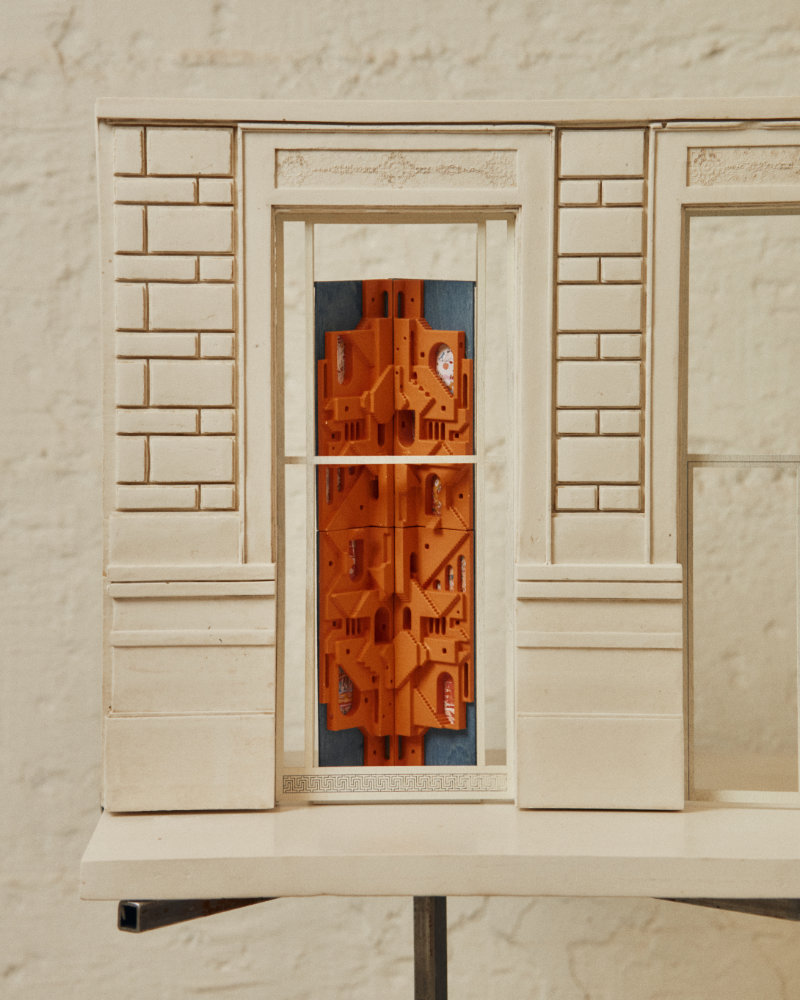
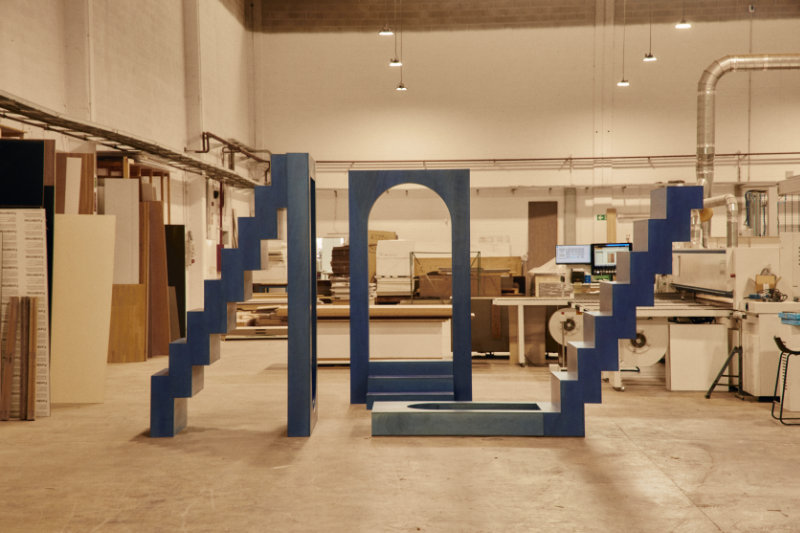
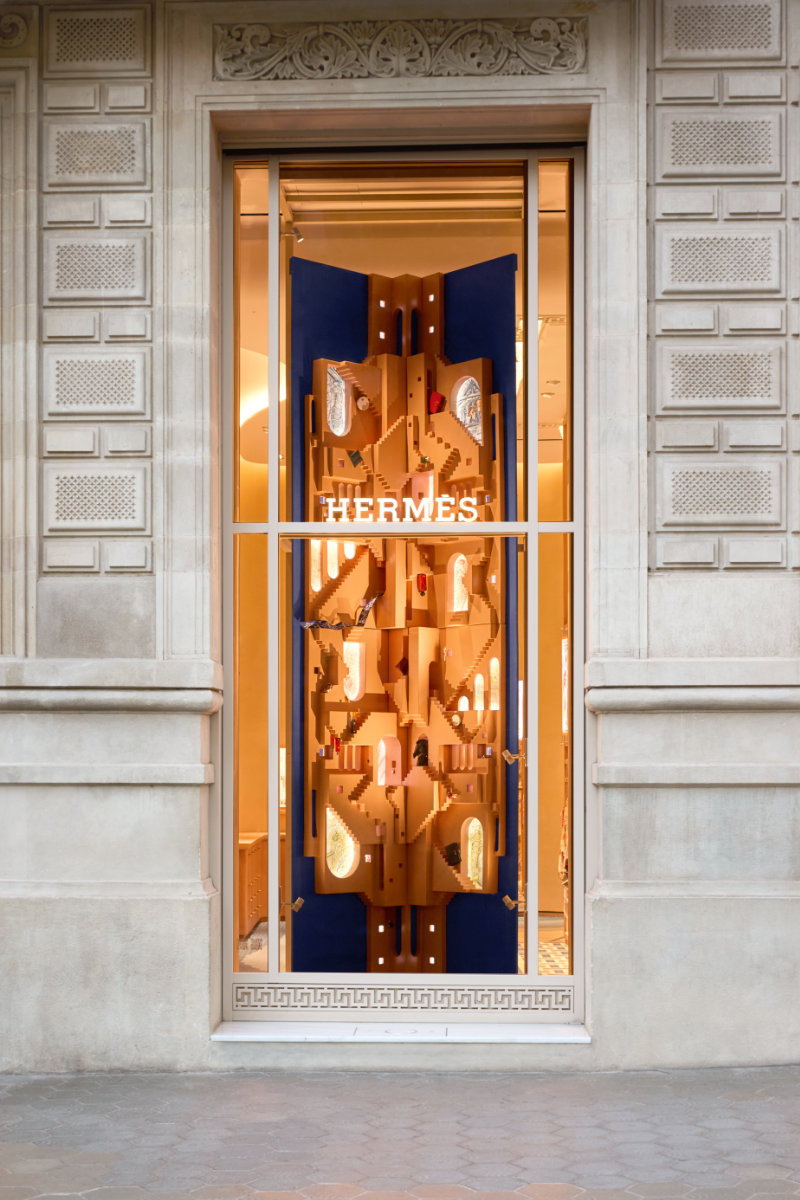
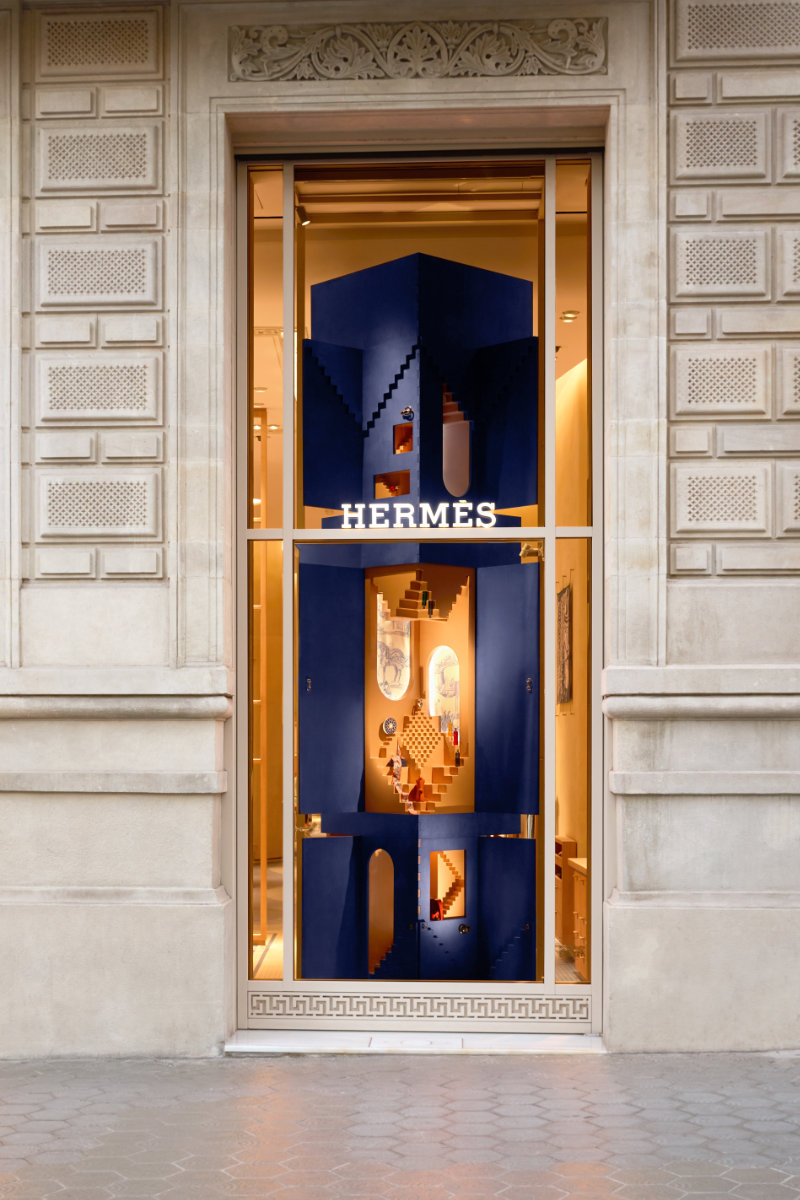
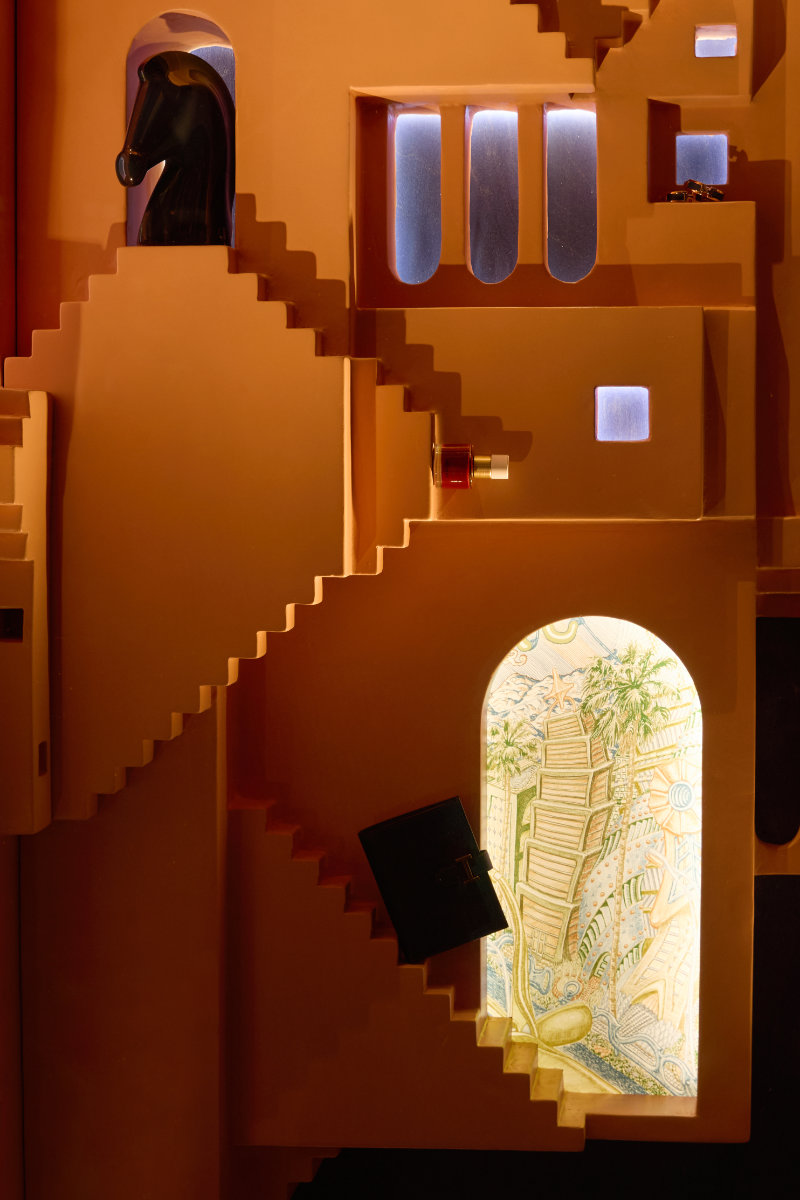
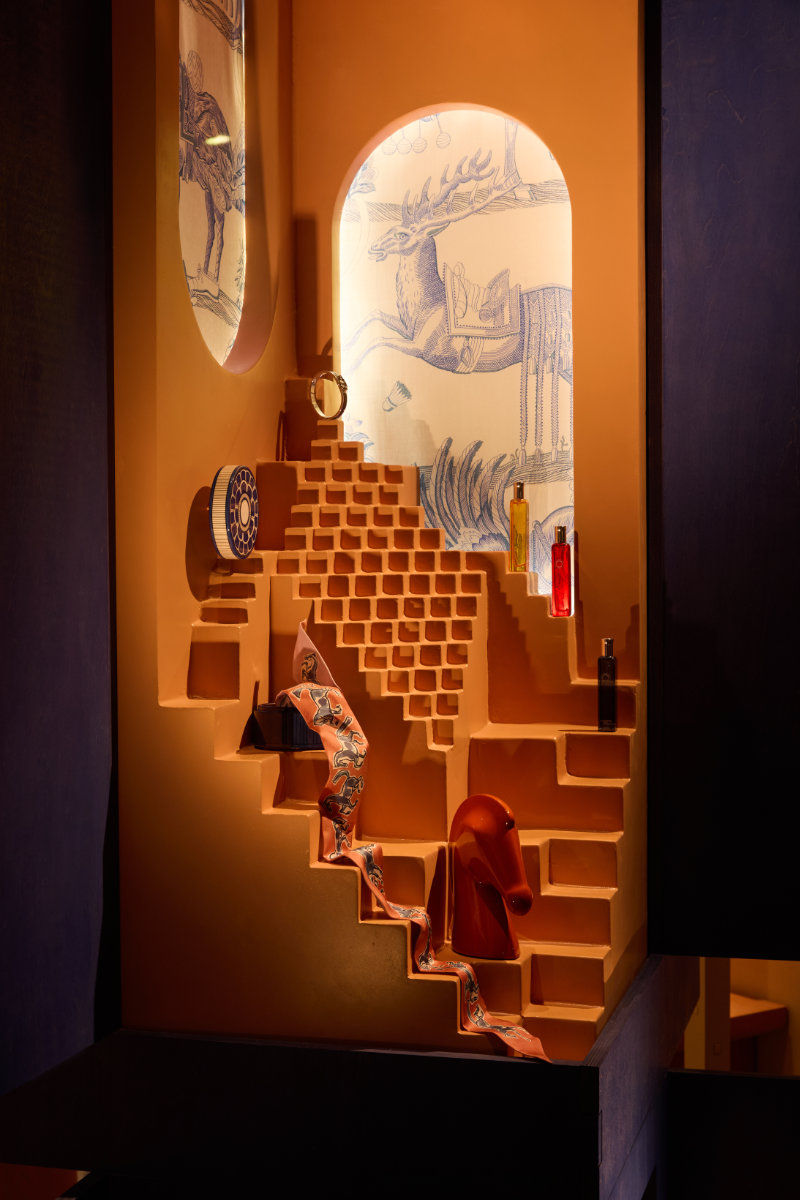
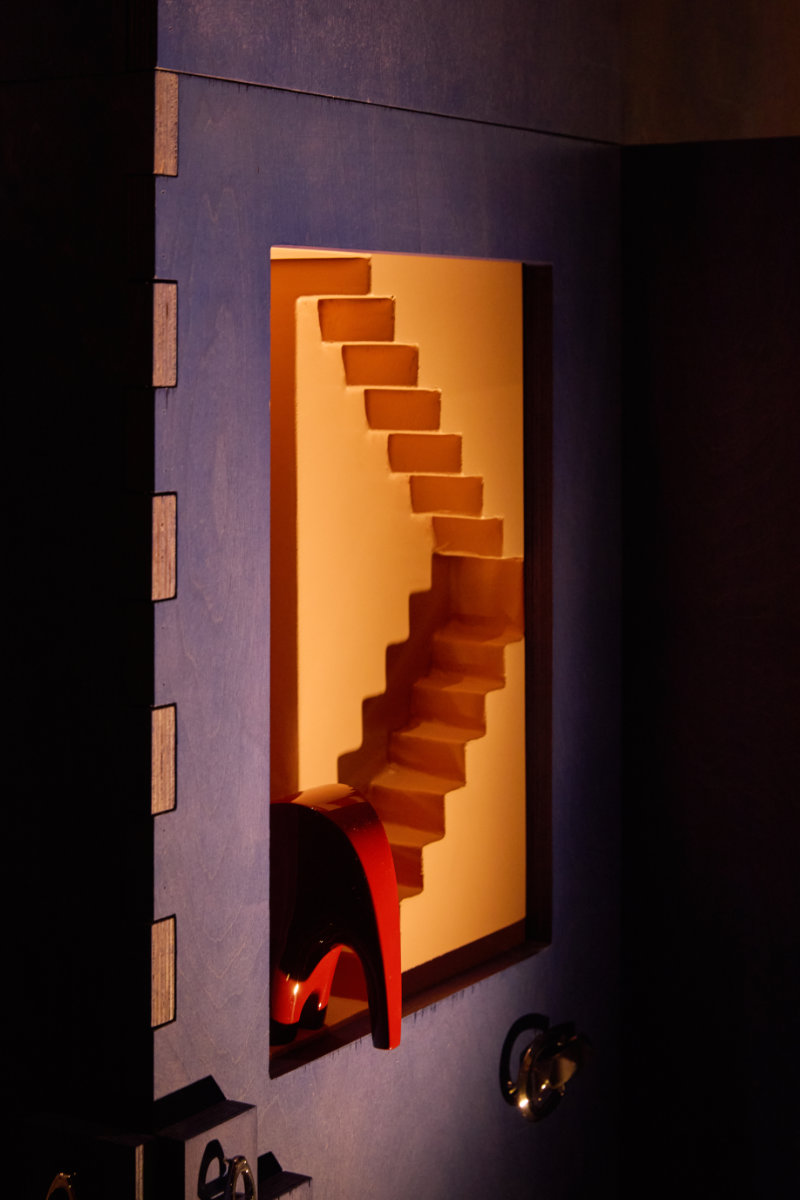
The result is a structure that defies conventional gravity. Two irregular, intertwined staircase units ascend and descend in a perpetual loop, creating a journey that appears to have neither a defined starting point nor a terminal destination. This structural ambiguity is intentional; it reflects the philosophical concept of "The Call of the Open Sea," suggesting that the path of life—and the act of exploration—is a continuous, evolving process rather than a linear trajectory. The use of plaster, a material synonymous with the history of Mediterranean craftsmanship and ornate architectural tradition, grounds the ethereal design in a tangible, tactile reality.
Chronology and Development
The development of Escalera Infinita followed a deliberate, multi-month timeline that emphasized the dialogue between the design studio and the Maison’s visual merchandising department.
- Early 2026: Initial conceptual discussions began, focusing on how the 2026 annual theme could be translated into a three-dimensional, site-specific format.
- April 2026: Mesura was selected to lead the design, tasked with creating an installation that would reflect the brand’s commitment to craftsmanship while adhering to the structural constraints of the Passeig de Gràcia storefront.
- June 2026: Fabrication began in collaboration with local artisans, prioritizing traditional plaster-work techniques to maintain an authentic, sculptural quality.
- September 2026: The installation was completed and unveiled to the public, coinciding with the broader autumn cultural programming in Barcelona.
- November 28, 2026: Scheduled date for the conclusion of the public exhibition.
By engaging local tradespeople, the project reinforces Hermès’ long-standing commitment to regional heritage and the preservation of artisanal skills. The materiality of the installation is not merely decorative; it is a testament to the versatility of plaster, an ancient material that has been revitalized to meet contemporary design standards.
Data and Spatial Analysis
The installation occupies a significant portion of the store’s frontage, creating a "threshold" effect. According to architectural observations of the site, the installation utilizes over 20 square meters of vertical and horizontal display space, allowing the staircases to interact with both the interior lighting of the store and the natural light of the Barcelona street.
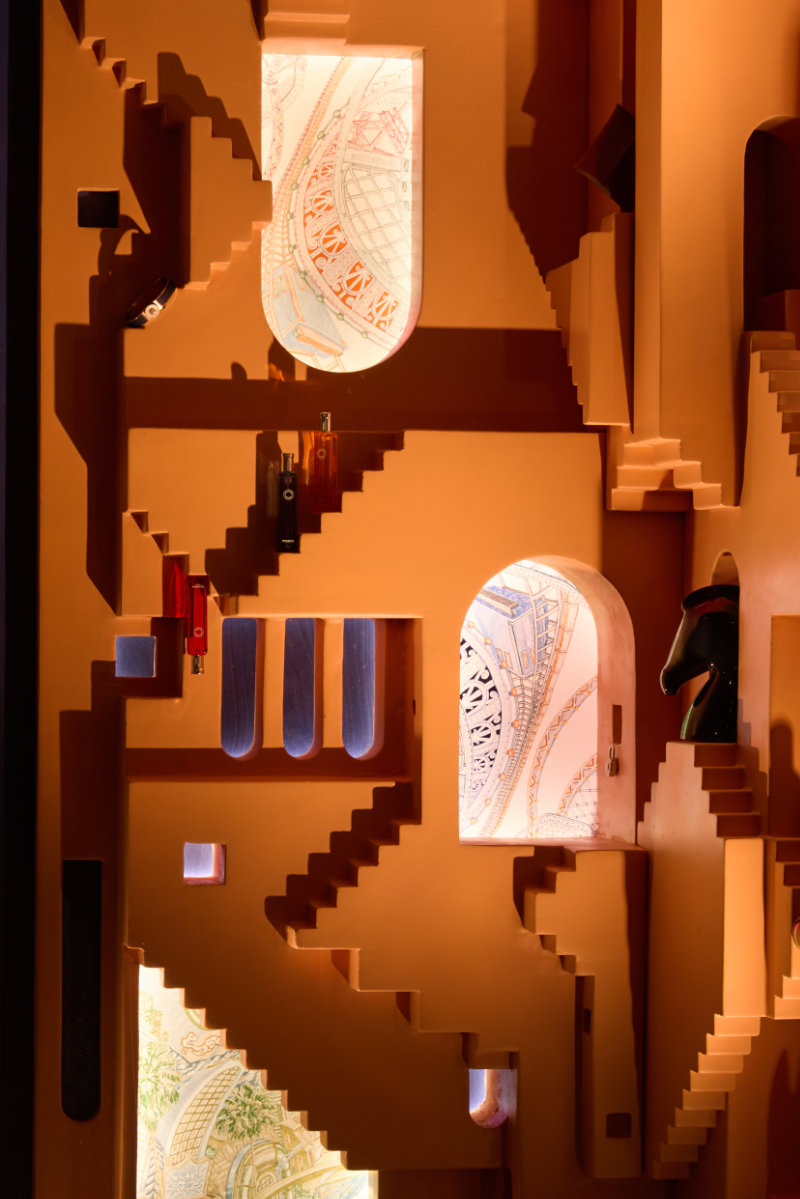
From a spatial perspective, the intervention alters the "circulation" of the viewer. While the viewer remains physically outside on the sidewalk, their gaze is directed through a series of shifts in scale. By varying the height and orientation of the staircase steps, Mesura creates an illusion of infinite depth. This technique is often used in stage design to expand limited spaces, but here, it is applied with the precision of a fine art installation. The juxtaposition of the rigid, geometric steps against the flowing, organic nature of the silks and goods typically found within an Hermès store creates a high-contrast visual tension that draws in pedestrians.
Official Vision and Artistic Philosophy
The collaboration between a luxury fashion house and an architecture studio like Mesura is part of a broader trend of "architectural branding," where high-end retailers seek to distinguish themselves by commissioning artistic interventions that transcend mere product promotion.
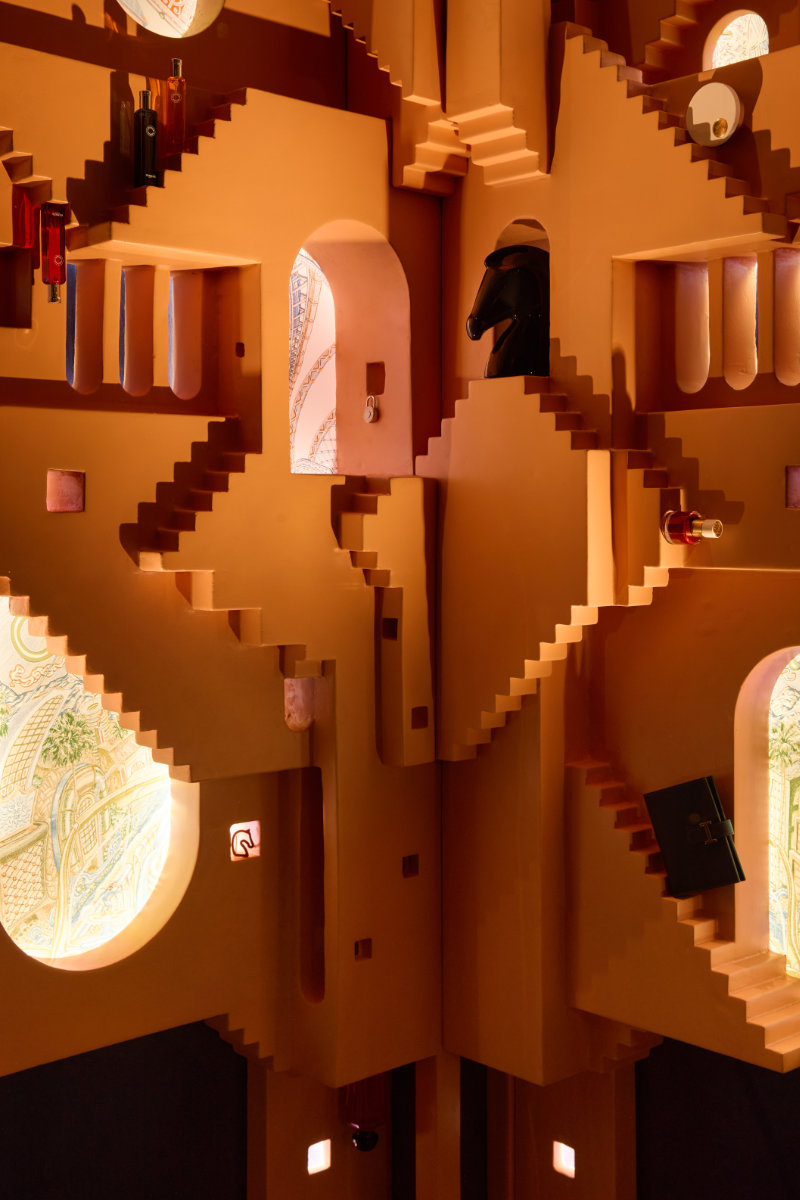
In official communications regarding the project, representatives for Hermès noted that the staircase serves as a "metaphor for the personal journey." This sentiment is echoed in the studio’s design philosophy, which emphasizes that "getting lost is not necessarily a deviation, but a way to discover new perspectives." By framing the retail window as a threshold to "other worlds," the installation invites the viewer to look beyond the products and contemplate the broader, abstract themes of the Maison.
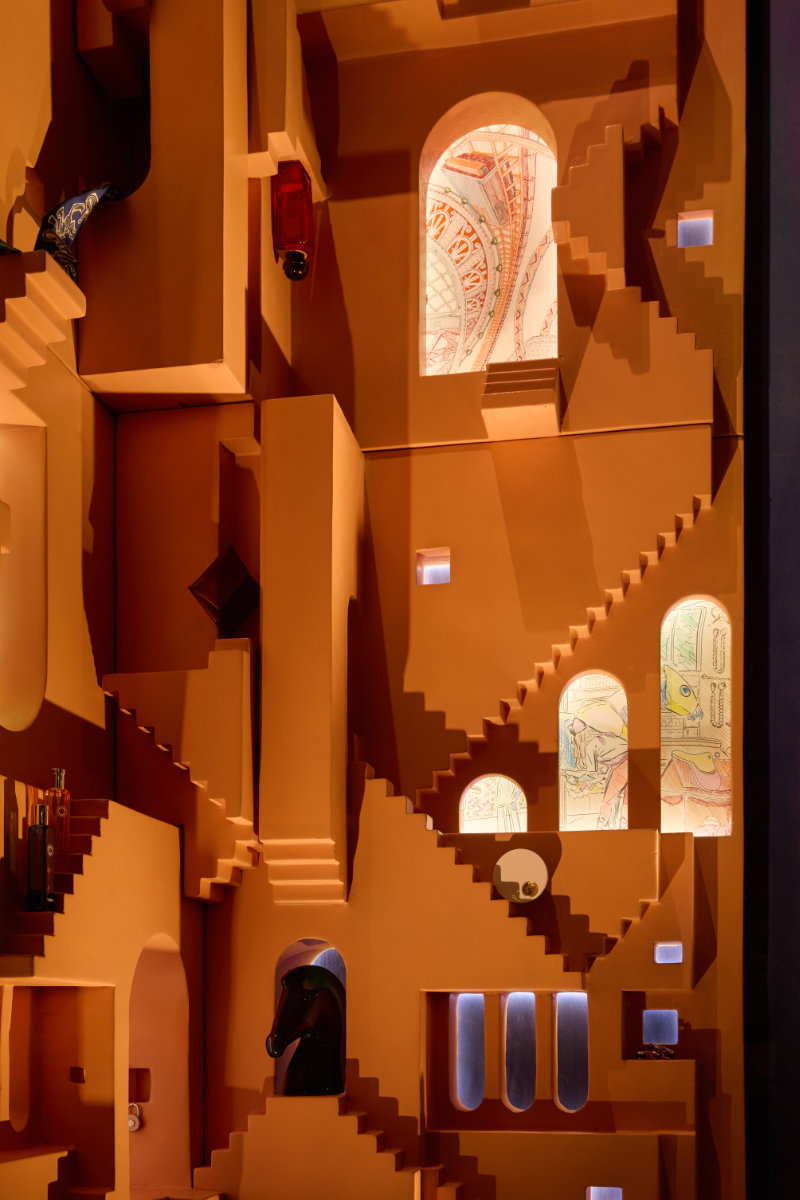
The integration of Hermès’ silk scarf iconography into the installation’s aesthetic serves as the final, critical layer. The colors and textures inherent in the staircase’s finish evoke the prints and patterns of the house’s signature textiles, effectively weaving the brand’s history into the structural fabric of the installation.
Broader Impact and Implications
The presence of Escalera Infinita on Passeig de Gràcia provides a compelling case study on the role of temporary architecture in urban environments. In an era dominated by digital advertising and ephemeral social media content, physical, site-specific art installations provide a necessary "pause" in the urban landscape.
- Cultural Placemaking: The installation transforms a commercial site into a temporary cultural landmark, contributing to the artistic vibrancy of Barcelona’s primary luxury shopping district.
- Material Sustainability: By utilizing plaster—a sustainable, mineral-based material—rather than synthetic plastics or non-recyclable composites, the project aligns with the growing demand for environmental consciousness in the design and fashion industries.
- Brand Narrative: The installation proves that luxury narratives can be effectively communicated through abstract, high-concept design rather than literal representation. It reinforces the image of Hermès as a patron of the arts, moving beyond the transactional nature of retail.
- Architectural Engagement: For Mesura, the project represents a significant foray into the intersection of high-fashion display and sculptural architecture, highlighting the studio’s ability to operate at multiple scales—from urban planning to the minute details of a store window.
Looking Toward the Future
As the installation approaches its November conclusion, its legacy will likely be measured not just by the foot traffic it generated, but by its influence on the future of luxury retail design. The success of Escalera Infinita suggests that the future of the storefront lies in "experiential retail," where the boundary between a store and a gallery is blurred.
The project demonstrates that by investing in high-quality, intellectually rigorous design, luxury houses can command the attention of an increasingly sophisticated audience. The "infinite" nature of the staircase is not just a visual trick; it represents the infinite possibilities of the brand’s creative direction as it continues to experiment with space, material, and narrative.
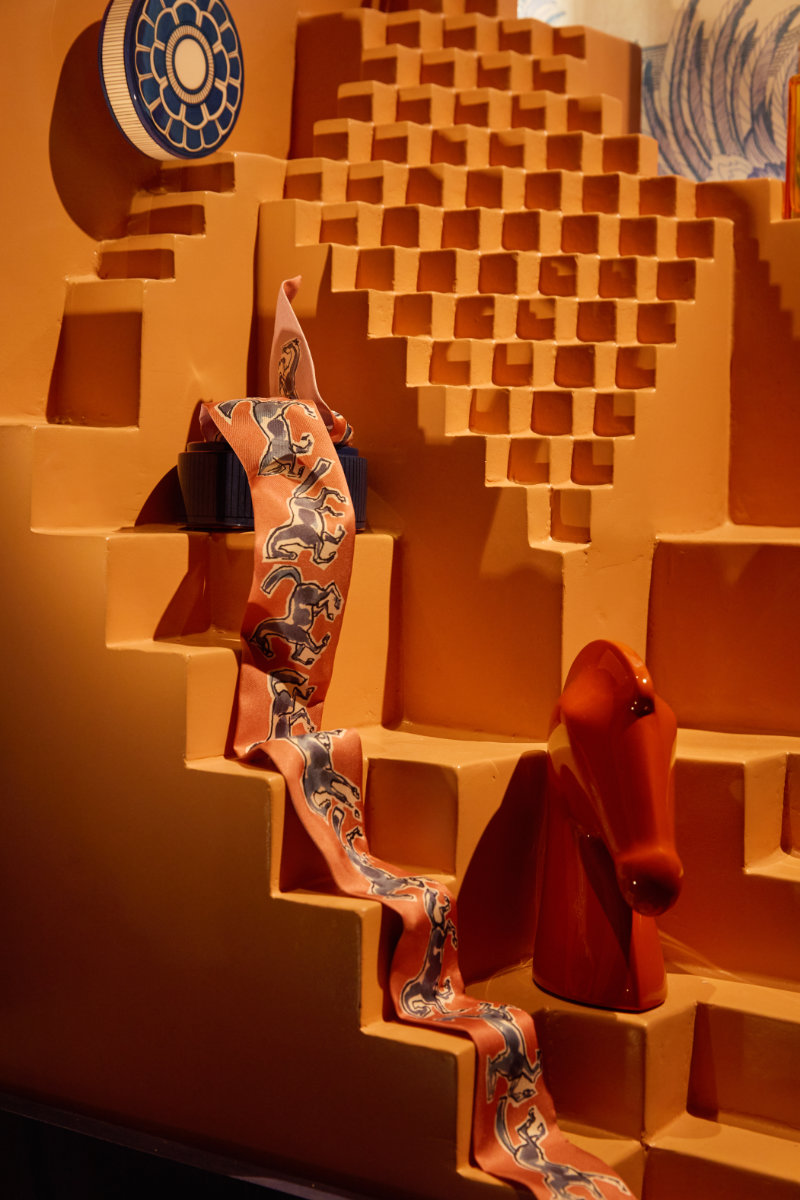
Visitors to Barcelona in the coming weeks will have the opportunity to view the installation during both day and night cycles. The lighting design, which highlights the dramatic shadows cast by the staircase, ensures that the work remains as compelling after sunset as it is in the harsh light of the Mediterranean day. As the project concludes in late November, it will leave behind a legacy of architectural innovation, proving that even in the most commercial of settings, there is always room for the imaginative, the poetic, and the infinite.
For the residents and tourists traversing the Passeig de Gràcia, the installation acts as a reminder that the most profound journeys are often the ones that invite us to look, pause, and reconsider the architecture of our own lives. Through the collaboration between Hermès and Mesura, the sidewalk has become a site of contemplation, demonstrating that even in the heart of a bustling, modern city, the call of the open sea is never far away.