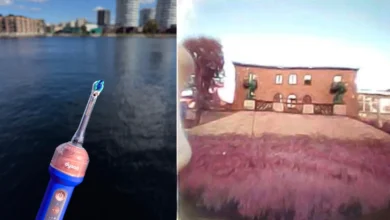
Influenced by the counterculture, Sam Hutchinson questions reality and perception with his series Ethereal Serotonin Climax

Sam Hutchinson, a photographer born in Sunderland in 1993, is rapidly gaining recognition for his distinctive approach to visual storytelling, particularly through his acclaimed series, "Ethereal Serotonin Climax." His work delves into the complexities of reality and perception, often drawing inspiration from the countercultural movements that shaped his early artistic sensibilities. Hutchinson’s philosophy on photography is stark: "I’m more interested in photography than any other medium because it’s the one that manipulates," he states. "Especially when we think of authority, and the way that governments or corporations use images to control everyone." This inherent skepticism towards the documentary nature of photography fuels his exploration of its transformative power.
Hutchinson’s journey into photography began through his passion for skateboarding and hardcore punk music, subcultures renowned for their DIY ethos and independent spirit. These formative influences have instilled in him a fierce independence that continues to define his artistic practice. After relocating to Leeds to pursue his studies at Leeds Arts University, he further honed his skills through the School of the Damned, a notable alternative educational program. Today, Hutchinson is a multifaceted artist, actively engaged in creating art, editing his own publication, Boot Mag, and contributing to the local arts scene through his work at Village, a contemporary bookshop. "I’d rather be busy than bored," he remarks, a testament to his proactive and driven nature.
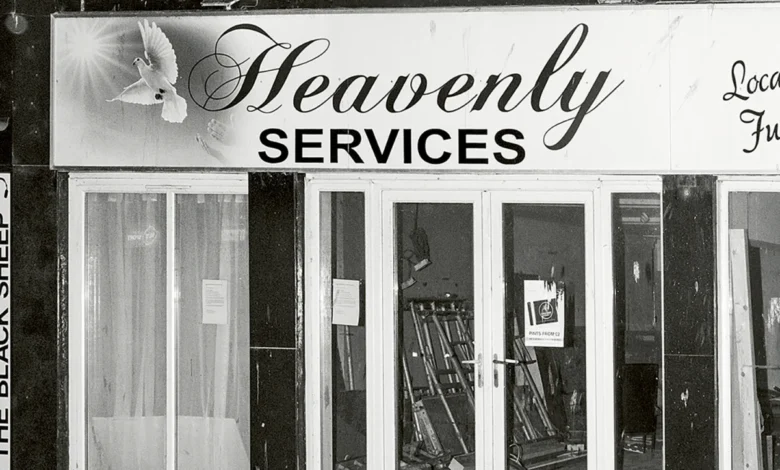
His upbringing and lifelong experience living in urban environments profoundly inform his photographic practice. Hutchinson frequently seeks out semi-abandoned or post-industrial spaces as the settings for his work. Within these environments, he masterfully manipulates perspectives, creating images that blur the lines between the three-dimensional reality of the space and the two-dimensional representation of the photograph. While some of his photographs adopt a documentary style, meticulously cataloging his surroundings and rendering them in an uncanny light, others focus on ephemeral sculptures or interventions he orchestrates within the landscape. A significant portion of his portfolio also captures his friends and acquaintances, portraying them as denizens of this peculiar contemporary world. He finds particular amusement in photographing individuals engaged in vaping, noting with a laugh, "I love photographing people when they are vaping. To me, vaping seems more futuristic than a flying car." This observation highlights his keen eye for contemporary signifiers of the future and his ability to imbue even the mundane with a sense of wonder.

Thematic Exploration: Reality, Technology, and the Obsolete
Hutchinson’s artistic discourse frequently returns to the concept of function, particularly as it relates to technology and architecture. "Function is something I come back to a lot in my work, especially with technology or architecture," he explains. "We are living in a fast-moving environment, things become obsolete but still hold a reference to their past purpose." This fascination with the lifecycle of objects and structures leads him to explore the tension between permanence and transience. He observes the imposing, geometric forms that dominate financial districts, often perceived as symbols of power, and contrasts them with the ephemeral and surreal elements that populate his art. "I like blending these very linear forms with transient moments, so you’re not sure whether it’s real, staged or fake," he elaborates. This deliberate ambiguity invites the viewer to question their own perception of reality.
His artistic interventions extend beyond still photography. Hutchinson creates installations that further challenge conventional notions of space and reality. His zines, such as Amazon is Burning, MARX CCTV GRAVE, and Watching a Supermodel Sleep on a Plane, offer further insight into his eclectic interests and critical perspective on contemporary society. The images presented in "Ethereal Serotonin Climax," published last year, are a culmination of these explorations. The title itself alludes to a profound creative experience during a stay in Catalonia, where he collaborated with fellow artists, developed his work, and engaged in deep discussions.

"Ethereal Serotonin Climax": A Synthesis of Influences
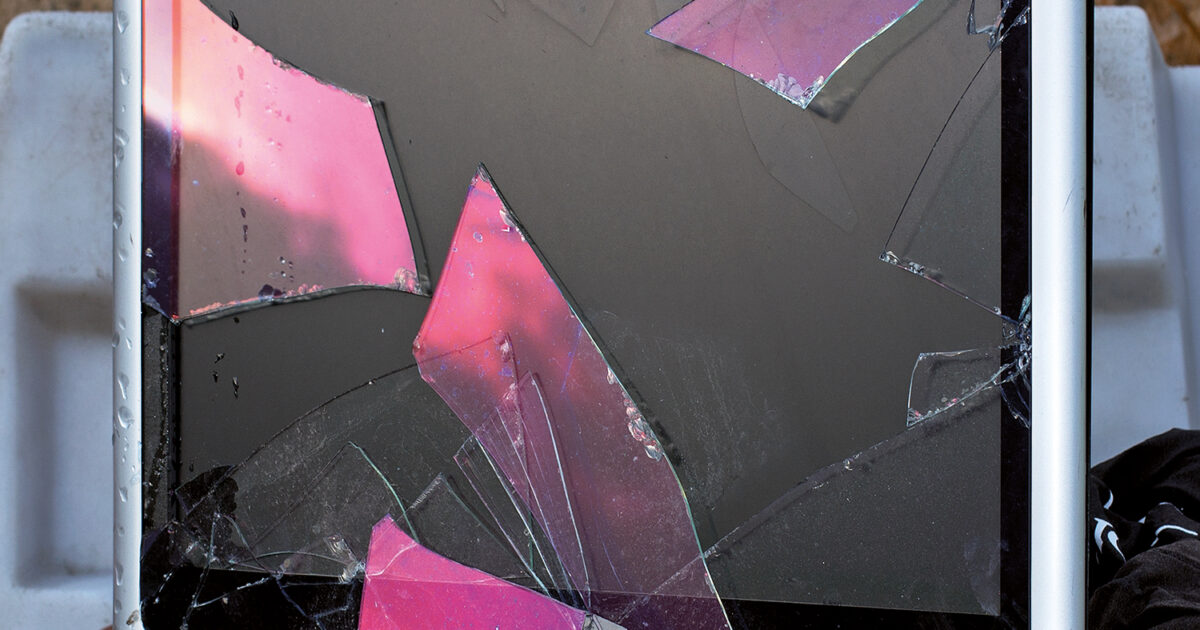
"Ethereal Serotonin Climax" features a diverse range of imagery, some captured in Spain, including rugged sculptures created in an abandoned chalk quarry. However, other pieces were created closer to home. One striking image depicts a smashed screen, discovered by Hutchinson on a building site. He was drawn to its obsolescence, likening it to a relic from a "90s sci-fi film." The moment he prepared to photograph it, a spectacular sunset bathed the fractured glass in a warm, ethereal light. "The colours haven’t been manipulated, it’s just a beautiful pink sunset," he notes. "I love sunsets and sunrises – I love being in nature but I find it surreal, maybe because I’ve always lived in cities. To me, a beautiful sunset coming through the trees feels like a film, the world looks so different for that half-hour period per day." This experience underscores his ability to find profound beauty and narrative in overlooked and discarded elements of the urban landscape.
Hutchinson describes "Ethereal Serotonin Climax" as a significant breakthrough in his career, marking the first time he successfully integrated his varied artistic interests into a cohesive body of work. This synthesis, he felt, was a natural evolution: "it clicked in my brain, this is how we live now so it doesn’t need to be separate." His recent engagement with the philosophical writings of Jean Baudrillard, particularly the concept of simulacra, has further resonated with his artistic practice, reinforcing his exploration of how representations can supersede reality. He is also increasingly drawn to sculpture, recognizing the evolving nature of how art is consumed in the digital age.
The Digital Age and the Nature of Representation
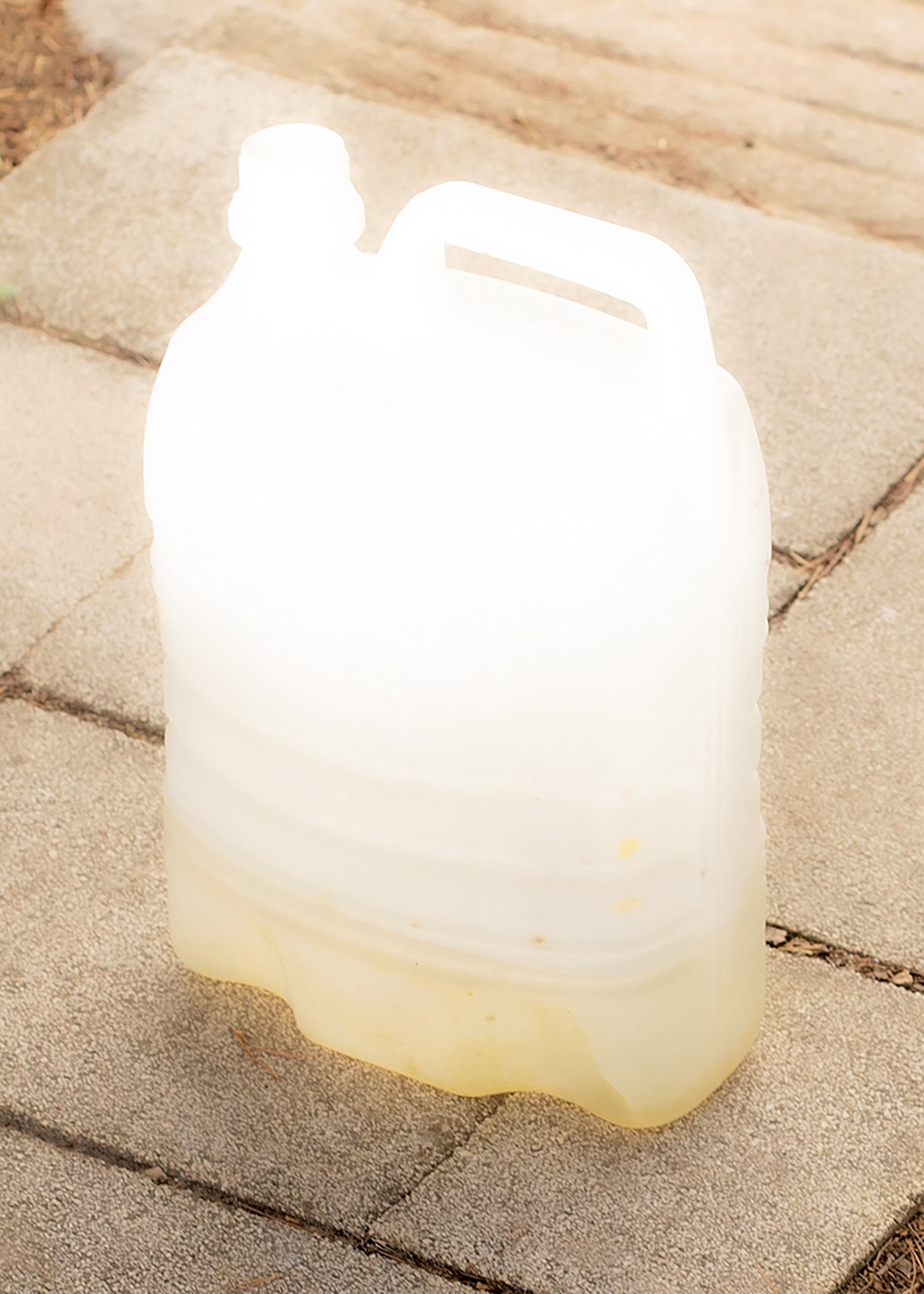
Hutchinson keenly observes the contemporary art landscape, where digital representation often takes precedence over direct experience. "We say we love someone’s work, but we’ve actually never seen it," he points out. "We’ve seen a representation of it through images, through digital media. We kind of forget that what we’re seeing isn’t real. So who is to say that sculpture in photography is photography not sculpture?" This provocative question challenges traditional distinctions between art forms and highlights the pervasive influence of digital imagery on our understanding and appreciation of art. His work, therefore, not only questions the nature of reality but also interrogates our mediated experience of it, especially within the context of contemporary art.
Hutchinson’s commitment to his independent artistic path is evident in his consistent output and his engagement with various platforms for showcasing his work. His website, sam-hutchinson.com, serves as a comprehensive portfolio of his projects, including "Ethereal Serotonin Climax," and offers a deeper dive into his creative vision. His ongoing exploration of themes such as obsolescence, urban decay, and the deceptive nature of photographic representation solidifies his position as a compelling voice in contemporary photography. His ability to weave together personal experiences, countercultural influences, and philosophical inquiries into a visually arresting and thought-provoking body of work marks him as an artist to watch. The series "Ethereal Serotonin Climax" stands as a testament to his burgeoning talent and his unique perspective on the world around us.