Navigating the Complex Landscape of Sustainable Leather Alternatives: A Comprehensive Guide to Plant-Based and Plastic-Free Innovations

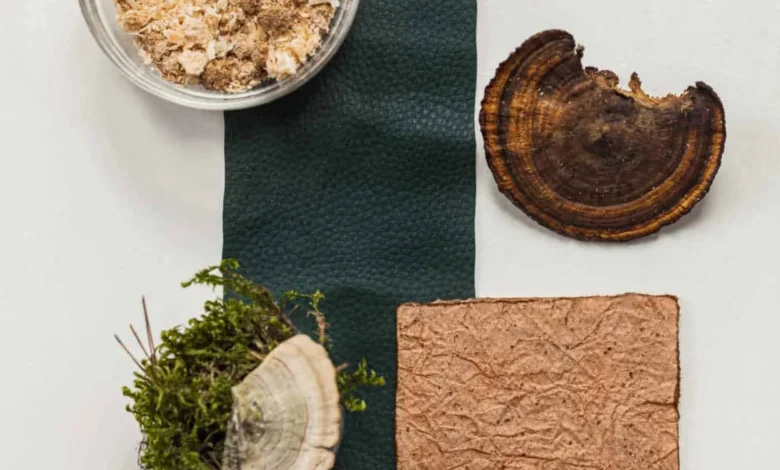
The global fashion and automotive industries are grappling with a profound challenge: the environmental and ethical toll of conventional leather production. Historically a symbol of luxury and durability, traditional leather, derived from animal hides, is increasingly scrutinized for its significant contributions to deforestation, greenhouse gas emissions, vast water consumption, and the discharge of toxic chemicals into ecosystems. This growing awareness has fueled a surge in demand for alternatives, leading to the proliferation of materials often marketed as "vegan" or "plant-based" leather. However, the landscape of these alternatives is complex, with many options themselves presenting sustainability dilemmas due to their reliance on fossil-fuel-derived plastics. This article aims to demystify the world of sustainable leather alternatives, offering a detailed exploration of current innovations, distinguishing between hybrid materials that incorporate plastics and those striving for a truly plastic-free future, and analyzing the broader implications for industry and consumers.
The Environmental Imperative: Why Move Beyond Conventional Leather?
The journey towards sustainable materials is fundamentally driven by the severe environmental footprint of conventional leather. The livestock industry, primarily cattle farming, is a major contributor to global greenhouse gas emissions, accounting for an estimated 14.5% of all anthropogenic emissions, largely through methane from enteric fermentation. Beyond emissions, cattle ranching is a leading cause of deforestation, particularly in critical biodiversity hotspots like the Amazon rainforest, as vast tracts of land are cleared for grazing. The Food and Agriculture Organization (FAO) has repeatedly highlighted the destructive link between livestock expansion and forest loss.
Furthermore, the tanning process, essential for converting raw animal hides into durable leather, is notoriously chemical-intensive. A cocktail of hazardous substances, including chromium salts, formaldehyde, and various dyes, is employed. These chemicals pose significant risks to both tannery workers, who often face health issues ranging from skin diseases to cancer, and to surrounding communities and ecosystems through wastewater discharge. Uncontrolled effluent from tanneries can contaminate water sources, leading to eutrophication and poisoning aquatic life. According to reports, traditional leather production can require thousands of liters of water per kilogram of finished leather, exacerbating water scarcity in many regions. The entire lifecycle, from feed production for livestock to the disposal of chemical-laden waste, underscores the urgent need for viable, more benign alternatives.
The Greenwashing Dilemma: Unpacking "Vegan Leather"
In response to ethical and environmental concerns, the term "vegan leather" gained traction, initially offering a seemingly straightforward solution. However, this nomenclature often masked a critical issue: many early "vegan leathers" were, in essence, simply conventional faux leather or "pleather," predominantly composed of synthetic polymers such as polyvinyl chloride (PVC) and polyurethane (PU). The Washington Post, among other publications, has highlighted "vegan leather" as one of the most greenwashed claims in recent fashion years.
PVC, in particular, carries a heavy environmental and health burden. Greenpeace has long identified PVC as the "most toxic of all plastics," citing its production and disposal as sources of dioxins and phthalates, known human carcinogens and endocrine disruptors. Its manufacturing process often involves chlorine, leading to the creation of persistent organic pollutants. Even its end-of-life poses challenges, as PVC is difficult to recycle and releases toxic chemicals when incinerated. Polyurethane (PU) is generally considered a slightly better alternative to PVC, requiring fewer chemicals in its production. However, it is still a fossil-fuel-derived plastic, and its manufacturing can involve toxic isocyanates, posing occupational hazards. While advancements allow for the incorporation of plant-based raw materials into some PU formulations, not all manufacturers adopt these greener practices, making it challenging for consumers to ascertain the true composition and environmental impact of a "vegan leather" product. This lack of transparency has created a significant hurdle for genuinely sustainable material innovation.
The Dawn of Bio-Innovation: A New Era of Plant-Based Leathers
Despite the complexities surrounding synthetic "vegan leathers," the past decade has witnessed a remarkable surge in bio-innovation. Driven by scientific advancements, consumer demand for authentic sustainability, and increasing investment in material science, a new generation of plant-based leather alternatives is emerging. These innovations leverage diverse natural resources, often upcycling agricultural waste or cultivating rapidly renewable organisms, to create materials that mimic the aesthetic and tactile qualities of traditional leather while significantly reducing environmental impact. The focus is shifting from simply avoiding animal products to embracing circular economy principles, minimizing waste, and designing for biodegradability. This new era of plant-based leathers represents a critical step towards a more sustainable and ethical materials economy, though challenges in scalability, durability, and cost-effectiveness remain.
Deep Dive into Sustainable Leather Alternatives
The burgeoning market for alternative leathers features a diverse array of materials, each with unique properties, production methods, and sustainability profiles. It is crucial to distinguish between those that still rely on plastic binders or coatings and those striving for a truly plastic-free composition.
Category 1: Plant-Based Leathers with Plastic Components (Hybrid Materials)
Many innovative plant-based leathers incorporate a percentage of synthetic polymers, often polyurethane (PU), to enhance durability, flexibility, and water resistance. While these hybrid materials represent an improvement over 100% fossil-fuel-based synthetics by reducing virgin plastic content and utilizing waste streams, their reliance on plastics means they are not fully biodegradable or plastic-free.

-
Agave Leather (Desserto): Developed by Adriano Di Marti in Mexico, Desserto agave leather ingeniously utilizes waste material from the tequila industry, specifically the leaves and bagasse (pulp) of the agave plant. This process upcycles agricultural by-products that would otherwise be discarded or burned, reducing waste and providing an additional revenue stream for farmers. The processed agave fibers are then combined with a PU binder and coated onto a textile backing, typically cotton or polyester. While significantly reducing the need for virgin plastics compared to traditional faux leathers, the final product is not entirely plastic-free due to the PU component. Its hardy plant source requires minimal water to grow, contributing to its environmental credentials.
-
AppleSkin (Vegatex): Produced by the Italian company Vegatex, AppleSkin capitalizes on the substantial waste generated by the apple juice and cider industries. Seeds, stalks, and skins, traditionally discarded, are pulverized into a fine powder. This apple waste powder is then blended with PU and coated onto a cotton and polyester canvas backing, forming a durable material that is approximately 50% apple and 50% PU. This method effectively diverts organic waste from landfills, but the plastic content means it shares some of the end-of-life challenges of other PU-based materials.
-
Banana Leather (Banofi): Banofi, a notable innovator in this space, creates vegan leather from the extensive crop waste generated by banana farming, primarily stems and leaves. This approach addresses agricultural waste management issues and offers supplementary income to smallholder farmers for their otherwise valueless by-products. Fibers are extracted from the waste, blended with natural and synthetic additives, and then coated onto a fabric backing. The final material, while benefiting from significant natural content, still incorporates synthetic polymers for structural integrity and performance.
-
Cactus Leather (Desserto): Also a product of Adriano Di Marti, Desserto cactus leather is derived from the leaves of the nopal cactus (prickly pear). This plant is particularly sustainable as it thrives in arid conditions, requiring very little water and no irrigation, unlike many other crops. Mature cactus leaves are harvested without damaging the plant, sun-dried, and then processed. Similar to their agave leather, the resulting material is combined with a PU binder and coated onto a textile backing, making it a hybrid material with excellent environmental credentials regarding its primary raw material but retaining a plastic component.
-
Coffee Leather (Culthread): Addressing the immense global waste generated by coffee consumption, Culthread has pioneered coffee leather. This innovative material incorporates 30% recycled coffee grounds and 70% recycled water bottles, which are then coated with PU to enhance strength and durability. This solution simultaneously tackles two waste streams: organic coffee waste and plastic bottle waste. While highly commendable for its circularity, the inclusion of recycled plastic and a PU coating means it is not a plastic-free alternative.
-
Corn Leather: Corn leather is produced by fermenting corn to extract dextrose, a simple sugar. This dextrose is then used to create a bioplastic polymer, which can be processed into a faux leather. While the primary polymer is bio-based, it is still a plastic (a bioplastic), and often requires further coatings or binders, typically PU, to achieve the desired texture, durability, and water resistance for applications like clothing and accessories. It leverages a renewable resource but exists in the spectrum of bio-plastics, which can have varying biodegradability profiles.
-
Grape Leather (Vegea): Vegea, an Italian company, transforms grape pomace – the skins, stalks, and seeds left over from the winemaking industry – into a leather-like material. This extensive agricultural waste stream is processed into a pulp and then combined with bio-based plastics and coated onto an organic cotton backing. Vegea’s material significantly reduces waste from one of Europe’s largest agricultural sectors. The "bio-based plastics" used are often partly derived from renewable sources but still function as plastic polymers, placing it in the hybrid category.
-
LemonSkin: Analogous to AppleSkin, LemonSkin leverages the by-products of the citrus beverage industry. Lemon peels, seeds, and pulp are powdered and then mixed with PU, before being applied as a coating onto a lyocell or recycled polyester backing. This process offers a similar waste valorization benefit to AppleSkin, transforming what was once waste into a valuable material component. Its composition, however, firmly places it within the hybrid, not plastic-free, category.
-
Kombucha Leather: This fascinating alternative is cultivated from the SCOBY (Symbiotic Culture of Bacteria and Yeast), the gelatinous byproduct of fermented tea used to make kombucha. As the SCOBY grows, it forms a thick, cellulose-rich mat. This mat can be harvested, dried, and molded into a leather-like material. While the core material is entirely bio-derived, current applications often require natural waxes or bioplastic coatings for water resistance and durability, especially for commercial products, which can introduce plastic-like elements or other non-plastic components. Its use is currently more experimental, but it holds great promise for localized production and circularity.
-
Mango Leather (Fruitleather): The Dutch company Fruitleather addresses food waste by converting discarded mangoes, often those deemed unsuitable for sale due to aesthetic imperfections, into a versatile leather alternative. The mangoes are pulped, combined with natural additives for preservation, spread thinly, dehydrated, and then bonded onto an organic cotton backing. To achieve commercial-grade durability and flexibility, a PU coating is subsequently applied. This material is an excellent example of circular economy principles applied to food waste, but it relies on a plastic finish for performance.
-
Pineapple Leather (Piñatex): Developed by Ananas Anam, Piñatex is perhaps one of the most well-known plant-based leathers. It is derived from the long fibers found in pineapple leaves, which are typically discarded as waste after the fruit harvest. This process provides an additional income stream for pineapple farmers. The extracted cellulose fibers are then processed into a non-woven mesh, which is subsequently coated with a PU-based resin for durability, flexibility, and water resistance. While Piñatex is a pioneer in upcycling agricultural waste, its coating means it is not entirely plastic-free.
-
Teak Leaf Leather: This material is crafted from large, naturally fallen or sustainably harvested teak leaves, which can measure up to 45 cm long. The leaves are dried, dyed using natural pigments, and then bonded onto a fabric backing. A thin PU-based laminate is applied as a final finish to impart durability and water resistance. This approach utilizes a natural, renewable resource that would otherwise decompose, but the necessary laminate places it in the hybrid category.
Category 2: Emerging Plastic-Free Plant-Based Leathers
A significant development in the sustainable materials sector is the push towards truly plastic-free leather alternatives. These materials aim for full biodegradability and circularity, eliminating the reliance on fossil-fuel-derived polymers for their structure and finish.
-
Coconut Leather (Malai): Malai, an innovative material from India, is not made from coconut flesh but from the fermented water of mature coconuts. This process utilizes a substantial by-product of the coconut industry, transforming it into a flexible, durable, and naturally water-resistant material. Crucially, Malai typically does not require plastic coatings or binders, achieving its properties through natural processes and specific treatments. This makes it a genuinely plastic-free and biodegradable option, though its scalability and cost remain areas of development for broader market adoption.
-
Cork Leather: Cork is a remarkably sustainable material, harvested from the bark of the cork oak tree without felling the tree itself. The bark regenerates every 9-12 years, making it a highly renewable resource. Once harvested, the cork bark is boiled, flattened, and pressed into thin, flexible sheets. These sheets inherently possess a leather-like texture and durability. For commercial applications, a fabric backing is often applied to prevent tearing. While the cork itself is plastic-free, the sustainability profile of cork leather products depends heavily on the backing material. Many manufacturers use polyester or PU backings for cost and ease of production. However, truly sustainable cork leather utilizes organic cotton or other natural, plastic-free backings, making it a viable plastic-free option if carefully sourced. Consumers must verify the backing material to ensure full plastic-free credentials.
-
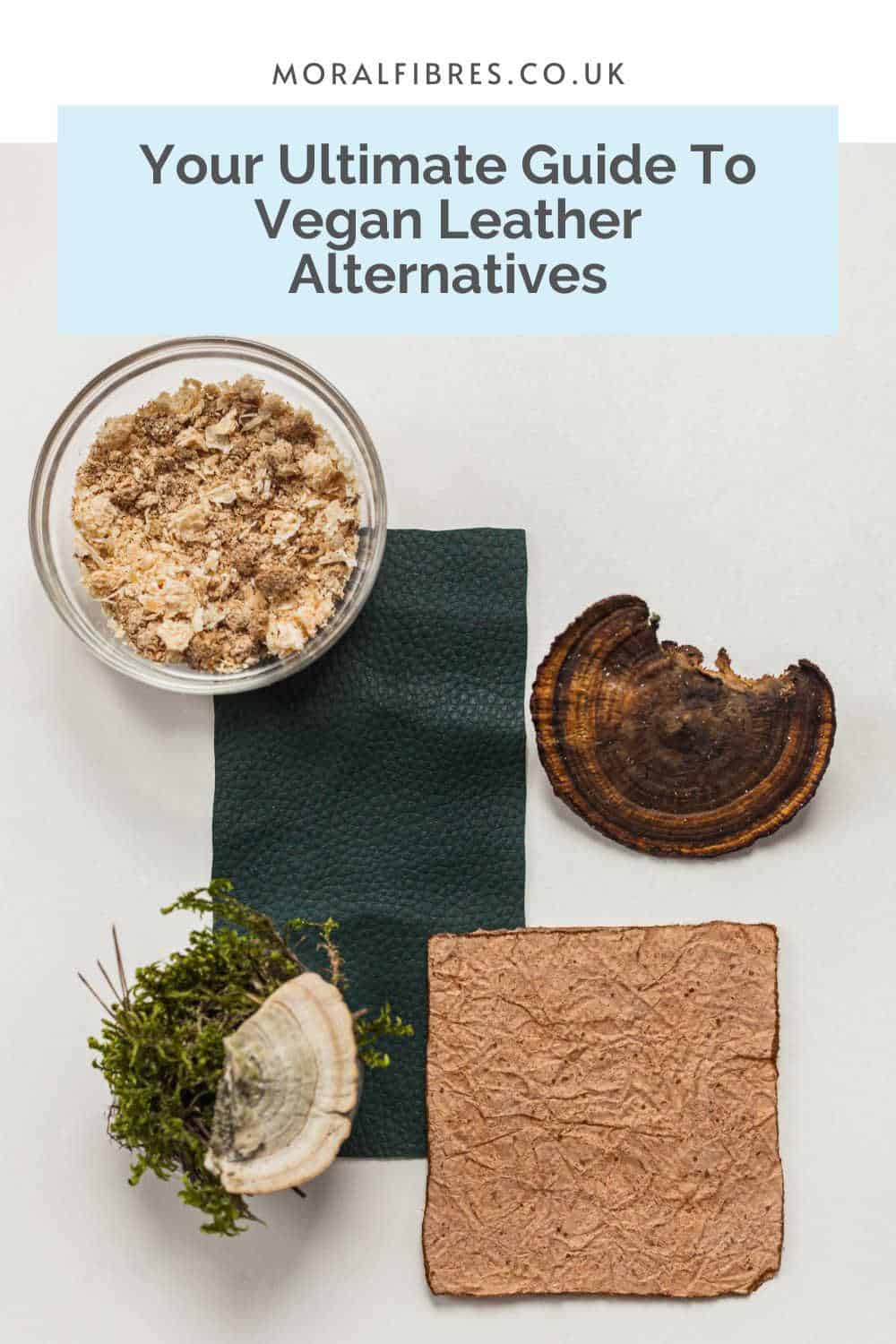
Mushroom Leather (MuSkin, Mylo, Fine Mycelium): Mycelium-based leathers, such as MuSkin from Grado Zero Espace and materials from MycoWorks (Fine Mycelium) and Bolt Threads (Mylo), represent a groundbreaking leap towards plastic-free alternatives. MuSkin, derived from the Phellinus ellipsoideus mushroom, is entirely plastic-free, treated with natural processes, and fully biodegradable. Other mycelium-based leathers are grown from fungal root structures, which can be cultivated in controlled environments using agricultural waste as feedstock. These materials can be engineered to mimic the strength, texture, and flexibility of animal leather without the need for plastic binders or coatings. They are often biodegradable and offer a circular solution. However, the term "mushroom leather" can be broad, and consumers should verify the specific brand’s composition, as some iterations might still incorporate plastic components for specific performance requirements or market entry. The PETA Vegan Fashion Awards have recognized several mycelium innovations for their pioneering plastic-free approach.
-
Tomato Leather (Bioleather): Bioleather, an Indian company, has developed a sustainable leather alternative from tomato plant waste. This process extracts cellulose fibers from the parts of the tomato plant typically discarded after harvest. Bioleather’s innovation lies in its two-layered composition, which they claim eliminates the need for polyurethane coatings, making it a potentially plastic-free option. This material garnered significant industry recognition, winning Best Innovation in Textile at the PETA Vegan Fashion Awards in 2021, highlighting its promise for genuinely sustainable, biodegradable applications.
The Road Ahead: Challenges and Opportunities for the Sustainable Leather Industry
The emergence of diverse plant-based leather alternatives marks a pivotal moment for sustainable materials, but the journey from innovation to widespread adoption is fraught with challenges and opportunities.
Scalability and Cost: Many of these bio-materials are currently produced on a smaller scale, making them more expensive than conventional leather or mass-produced synthetic faux leathers. Scaling production to meet global demand requires significant investment in infrastructure, research, and development, as well as optimizing manufacturing processes to reduce costs.
Durability and Performance: While many plant-based leathers mimic the aesthetics of traditional leather, achieving comparable levels of durability, water resistance, abrasion resistance, and longevity without relying on plastics is a continuous engineering challenge. Different applications (e.g., footwear, automotive upholstery, fashion accessories) have varying performance requirements, necessitating tailored material development.
Transparency and Certification: The proliferation of "vegan" and "plant-based" claims necessitates clear, standardized labeling and robust certification systems to combat greenwashing. Consumers need reliable information about a material’s exact composition, its percentage of bio-based content, and its end-of-life biodegradability to make truly informed choices. Industry-wide standards, possibly enforced by regulatory bodies, will be crucial.
Investment and Research: Continued investment in material science research and development is vital. This includes exploring new feedstocks, developing advanced processing techniques, and creating novel bio-polymers and natural coatings that offer enhanced performance and biodegradability. Government grants, venture capital, and corporate R&D initiatives will play a critical role.
Consumer Education: Empowering consumers to understand the nuances of sustainable materials is paramount. Educational campaigns can help differentiate truly plastic-free options from hybrid materials, highlight the lifecycle impacts of various choices, and encourage demand for the most sustainable alternatives.
Industry Collaboration: The transition to a sustainable materials economy requires unprecedented collaboration across value chains. Material innovators must partner with fashion brands, automotive manufacturers, and interior designers to integrate new materials into products. Furthermore, collaboration with waste management companies will be essential for developing circular systems for these new materials, including composting or advanced recycling.
The shift towards sustainable leather alternatives is not merely a trend but a fundamental reorientation of how industries source and utilize materials. While challenges remain, the rapid pace of innovation, coupled with increasing consumer and regulatory pressure, suggests a future where genuinely sustainable, plant-based leathers play a central role in minimizing environmental impact and fostering a more circular economy. The ongoing evolution of these materials, particularly the exciting advancements in plastic-free options, offers a tangible pathway towards a more responsible and ethical material future.