The Evolution of Sustainable Winter Wear: Top UK Ethical Gloves and Scarves for the Conscious Consumer

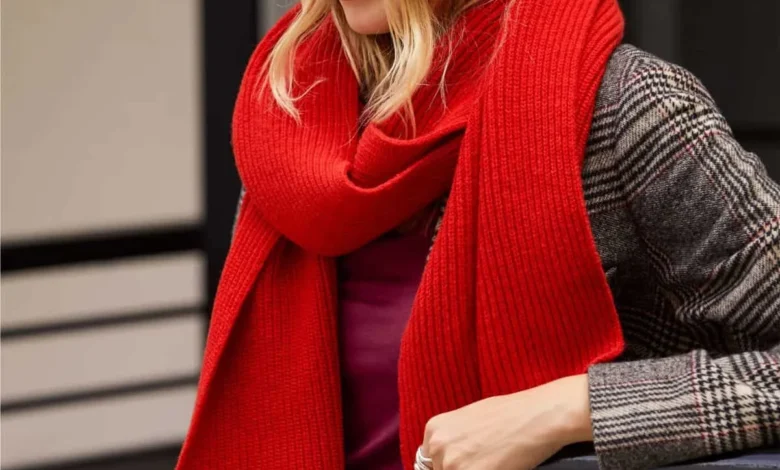
As winter temperatures drop across the United Kingdom, consumer demand for cold-weather accessories that balance warmth with ethical production has reached unprecedented levels. Finding winter gear that aligns with stringent environmental and animal welfare values remains a complex task for shoppers navigating a fashion landscape historically dominated by fast-fashion synthetics and opaque supply chains.
From the origin of raw fibres to chemical treatments and carbon footprints, modern consumers are increasingly scrutinising every stage of garment manufacturing. In response to this market shift, a growing cohort of UK-focused sustainable brands and retailers are redefining winter accessories. A comprehensive review of current offerings highlights several standout companies successfully integrating circular economy principles, transparent supply chains, and certified organic materials into their seasonal collections.
The Shift Toward Ethical Winter Accessories
The market for sustainable winter accessories addresses a critical environmental challenge within the broader textile industry. Traditional winter gear often relies on virgin synthetics like acrylic, polyester, and conventional nylon—petroleum-based materials that shed microplastics during washing and take centuries to decompose. Furthermore, conventional wool production has faced intense scrutiny regarding animal welfare issues, such as the practice of mulesing, as well as ecological degradation through overgrazing and the use of heavy metal chemical dyes.

Industry data indicates that consumer awareness regarding these practices has accelerated significantly over the past decade. Shoppers are no longer satisfied with vague "eco-friendly" marketing claims; instead, they demand verifiable certifications such as the Global Organic Textile Standard (GOTS), the Responsible Wool Standard (RWS), and transparent traceability mechanisms. Brands that have adapted to these demands are finding fertile ground among UK consumers eager to keep warm without compromising their ethical standards.
Industry Pioneers and Certified Responsible Materials
Seasalt: Setting the Organic Standard
Cornish lifestyle retailer Seasalt has long maintained a pioneering position in sustainable fashion. Notably, the company became the first fashion enterprise to achieve Soil Association Global Organic Textile Standard (GOTS) certification back in 2005. Today, Seasalt offers an extensive seasonal range of hats, gloves, and snoods for both men and women, with pricing starting at £27.95.
The brand’s winter accessories rely on a curated selection of responsible materials, including recycled nylon, non-mulesed merino wool, and wool certified by the Responsible Wool Standard (RWS). The RWS certification guarantees that the wool originates from farms utilizing progressive land management practices while upholding strict animal welfare protocols. Beyond material selection, Seasalt has implemented plastic-free shipping across its product lines, addressing another significant pain point in retail logistics and packaging waste.
The Nearly New Cashmere Co.: Championing Zero-Waste Upcycling
For consumers seeking a circular economy solution, The Nearly New Cashmere Co. offers an innovative approach to winter warmth. Based in the United Kingdom, the brand specialises in restoring and reselling preloved cashmere garments, extending the lifecycle of luxury knitwear.

When 100% cashmere jumpers arrive in a condition too degraded for full restoration, the company redirects them into its upcycling programme. These unwearable garments are transformed into soft, non-itchy fingerless gloves, priced from £26. By converting textile waste into functional cold-weather accessories, the brand prevents high-quality natural fibres from entering landfills. In addition to gloves, the company produces a complementary line of neck warmers and hats, providing practical, touch-sensitive handwear designed for everyday tasks without sacrificing insulation.
Dilling: Transparency and Closed-Loop Production
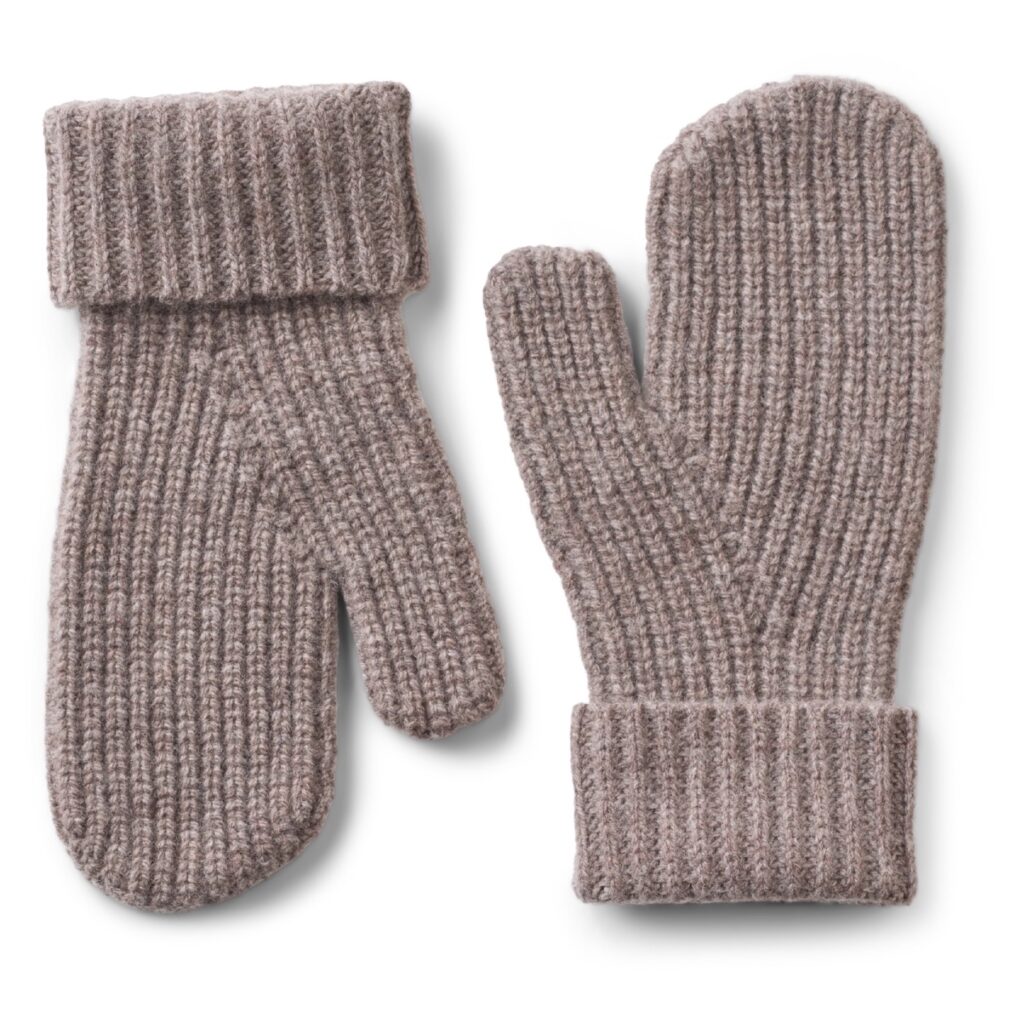
Dilling represents a benchmark for natural-fibre, plastic-free cold-weather garments. Their collection includes 100% GOTS-certified lambswool mittens priced at £29.99, available in four distinct colorways. The organic certification ensures that the lambswool is naturally soft, breathable, and thermally efficient without the inclusion of synthetic blends.
Dilling maintains a rigorous commitment to animal welfare by sourcing exclusively from mulesing-free sheep farms. Furthermore, the company eliminates heavy metals from its textile dyeing processes, relying on gentler, eco-friendly alternatives.
A defining feature of Dilling’s operational model is its high degree of vertical integration. By owning and operating its own dye house, cutting facility, and manufacturing plants, the company retains exceptional control over labor standards, environmental compliance, and quality assurance. To further combat the linear "take-make-dispose" consumer model, Dilling sells specialized repair patches and provides instructional repair guides, empowering customers to mend accidental tears and significantly extend the lifespan of their garments.
European Manufacturing and Low-Impact Logistics
Isabella Oliver: European Craftsmanship and Road Freight
While widely recognised as an ethical maternitywear brand, Isabella Oliver maintains a robust collection of sustainable winter accessories, including hats, scarves, and balaclavas priced from £39. Available in a diverse palette of colors, these items are crafted entirely within Europe from recycled wool.
Logistics play a critical role in evaluating a garment’s true environmental impact. Isabella Oliver has committed to transporting its finished accessories to its central warehouse exclusively via road freight rather than high-emission air cargo, substantially reducing the carbon intensity of its supply chain operations.
Devold: Heritage Norwegian Performance Wool
For extreme cold-weather performance, Norwegian heritage brand Devold—with accessories available starting around £20 through specialized outdoor retailers—specializes in durable wool-based garments designed to withstand sub-zero temperatures.
Manufactured ethically in Norway, Devold’s collection of hats, gloves, and mittens utilises 100% organic, mulesing-free merino wool. Merino wool’s natural thermoregulating and moisture-wicking properties make it an industry gold standard for winter gear, offering superior warmth even when damp.

Broader Economic and Environmental Implications
The commercial viability of these ethical winter wear brands signals a structural transformation in the textile sector. As regulatory frameworks tighten around greenwashing and corporate sustainability disclosures, brands that have invested early in certified supply chains—such as GOTS and RWS compliance—are better positioned to meet upcoming legal mandates and shifting consumer expectations.
Industry analysts note that while certified organic and upcycled winter accessories often carry a higher upfront cost than fast-fashion alternatives, their superior durability, timeless design, and repairability offer a more economical and sustainable cost-per-wear over time. By prioritising transparency, animal welfare, and circularity, these brands demonstrate that winter fashion can successfully reconcile high performance with ecological responsibility.