Soulstice: O’BARRET Redefines the Architecture of Transformation at 080 Barcelona Fashion

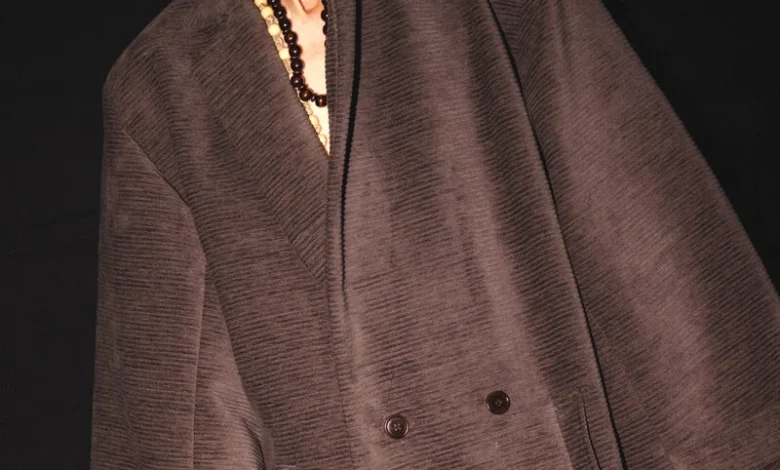
The latest collection from Milan-based design house O’BARRET, titled Soulstice, made a profound impact during its recent presentation at 080 Barcelona Fashion. Conceptualized by Alicante-born creative director Alicia Jiménez Barreto, the collection serves as a sophisticated exploration of human metamorphosis. By synthesizing the seasonal transitions of the celestial solstice with the internal psychological shifts of the individual, Barreto has moved beyond traditional garment construction to offer a meditation on the nature of change, resilience, and the endurance of personal history.
080 Barcelona Fashion, an event long recognized for its commitment to sustainability, innovation, and avant-garde design, provided the ideal backdrop for the unveiling of a collection that prioritizes process over product. The platform, which has recently focused on bridging the gap between established luxury and experimental design, served as the primary stage for Barreto’s debut of these complex, sculptural silhouettes.
The Philosophy of Materiality and Process
At the core of the Soulstice collection is the rejection of the "clean break" as a model for personal growth. In contemporary fashion, collections are often framed as static statements or absolute rejections of past aesthetics. O’BARRET, however, posits that change is a slow, iterative process of shedding and rebuilding.

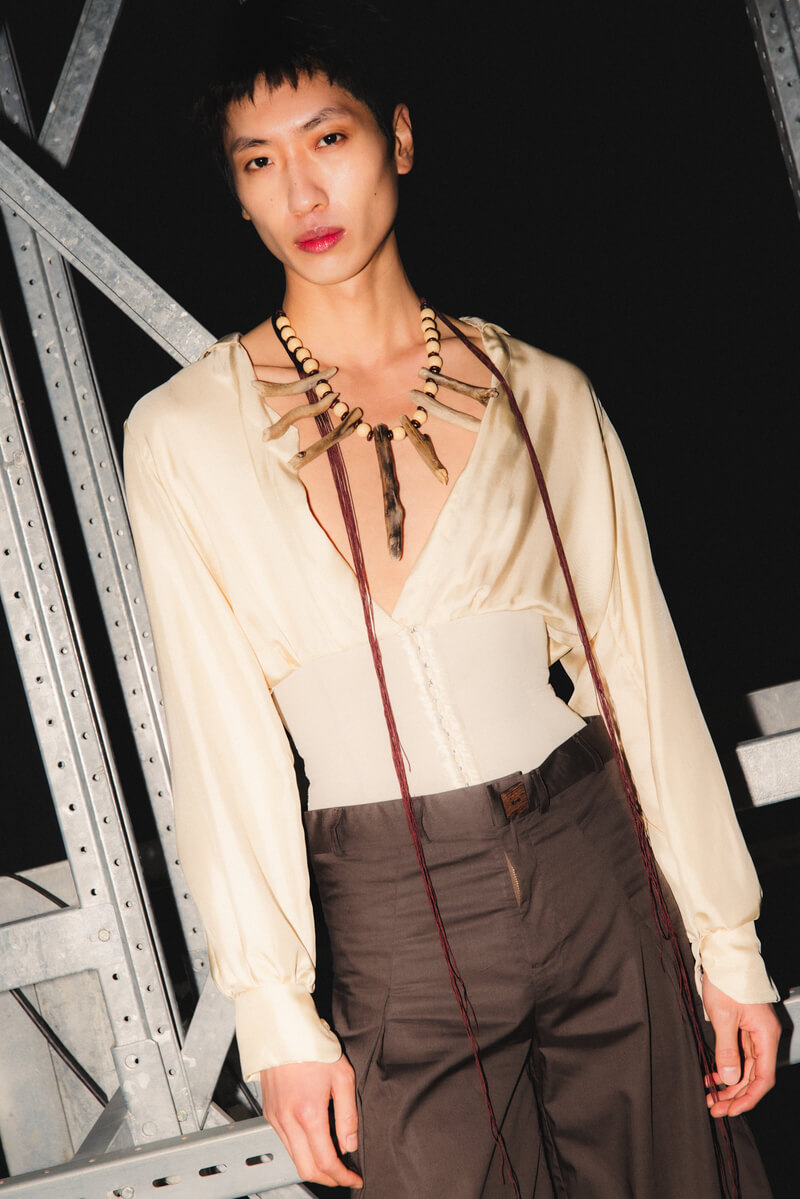
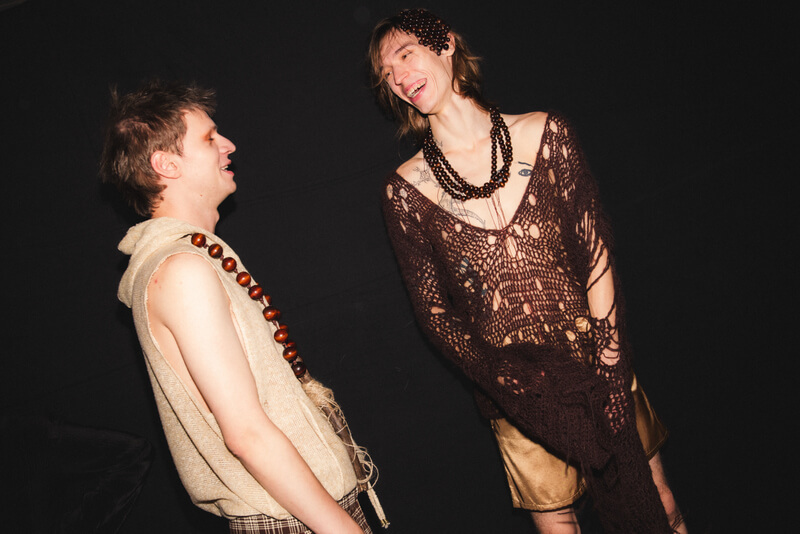
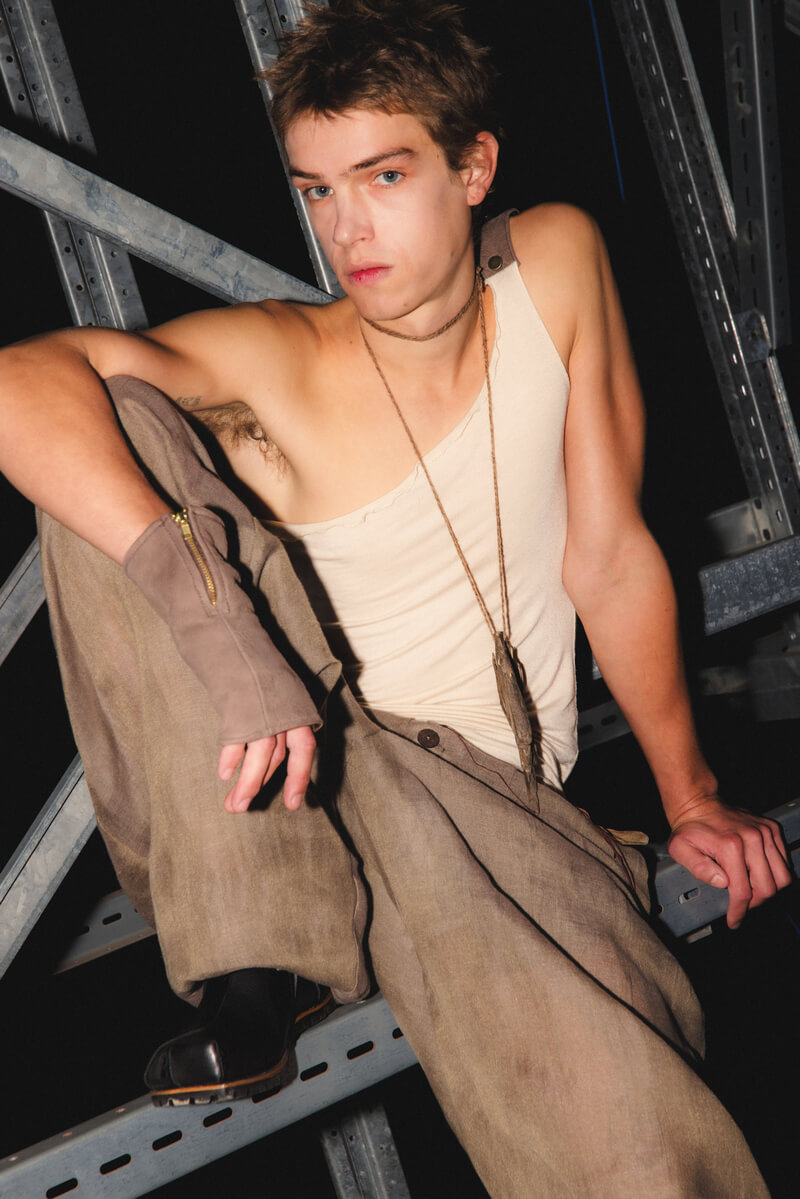
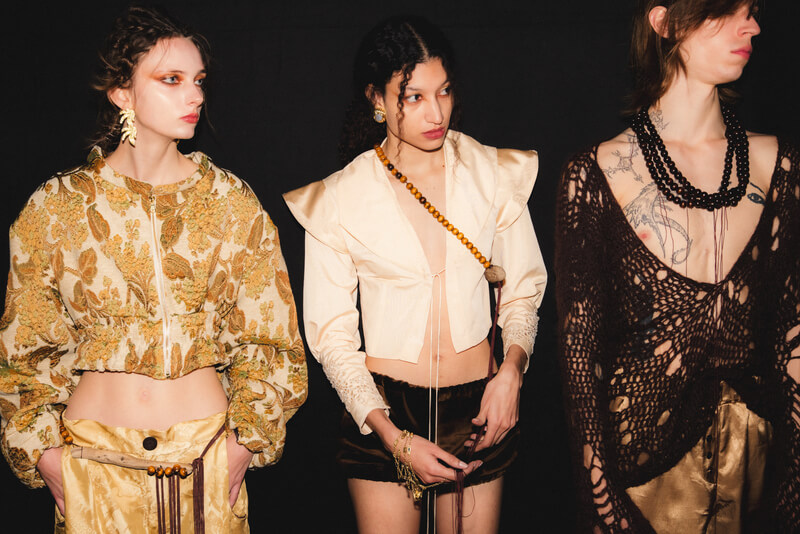
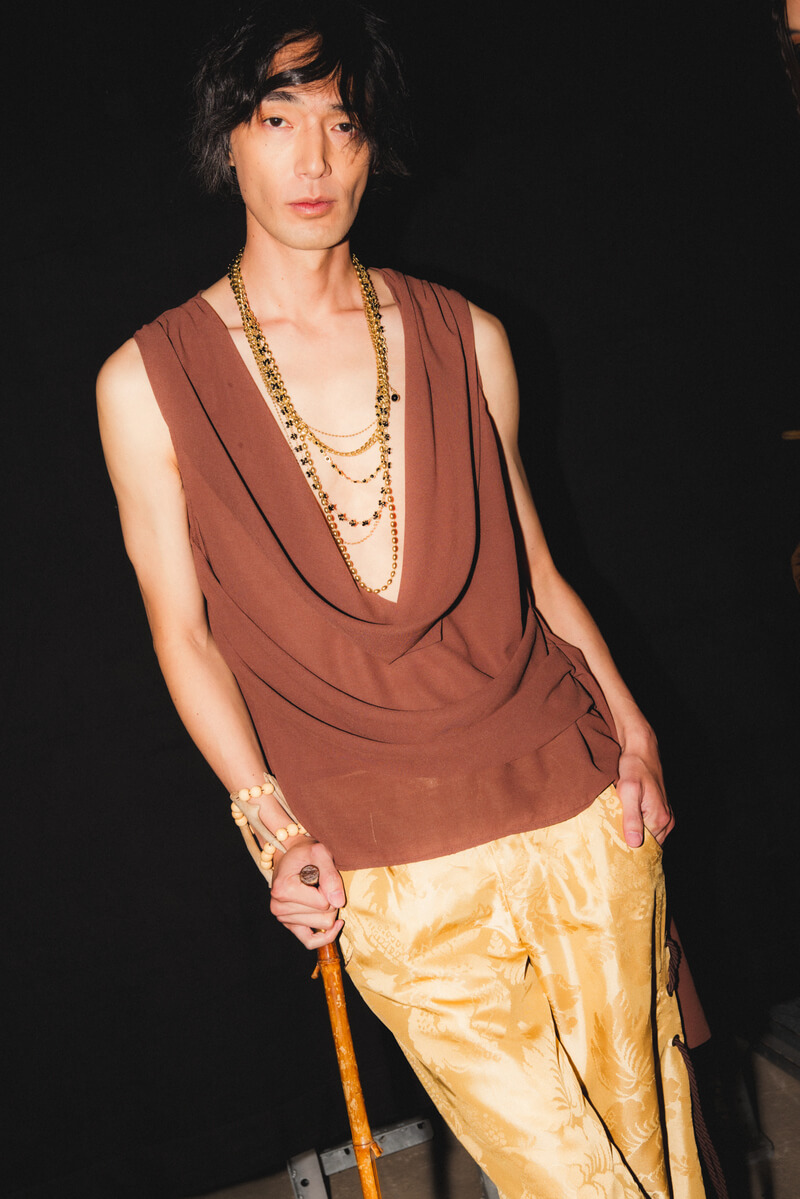
This philosophy is reflected in the technical execution of the garments. The collection features a distinct tension between softness and structure; fluid, draped fabrics are anchored by rigid, architectural elements that appear to function as a secondary exoskeleton for the wearer. The tactile nature of the clothing—highlighted by handcrafted braids, intentional fabric layering, and the manipulation of textile surfaces—suggests that each piece has undergone a rigorous, almost violent, process of formation. For the consumer, this creates an aesthetic that feels lived-in and history-laden, moving away from the mass-produced perfection often found in high-end ready-to-wear.

Contextualizing O’BARRET’s Artistic Practice
Alicia Jiménez Barreto’s work is characterized by a multidisciplinary approach that refuses to silo fashion as a purely functional endeavor. Her practice in Milan, where she oversees the O’BARRET brand, is deeply informed by her dual heritage—a synthesis of Andalusian warmth and the rhythmic, complex cultural narratives of Colombia.
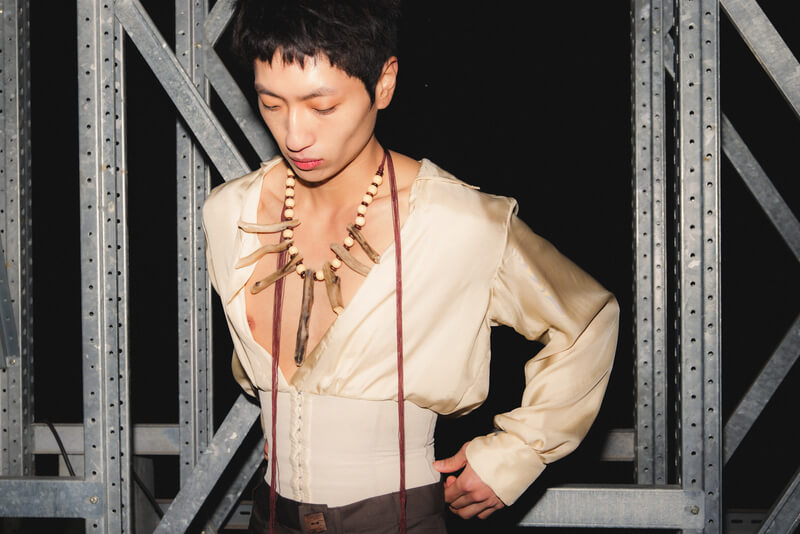
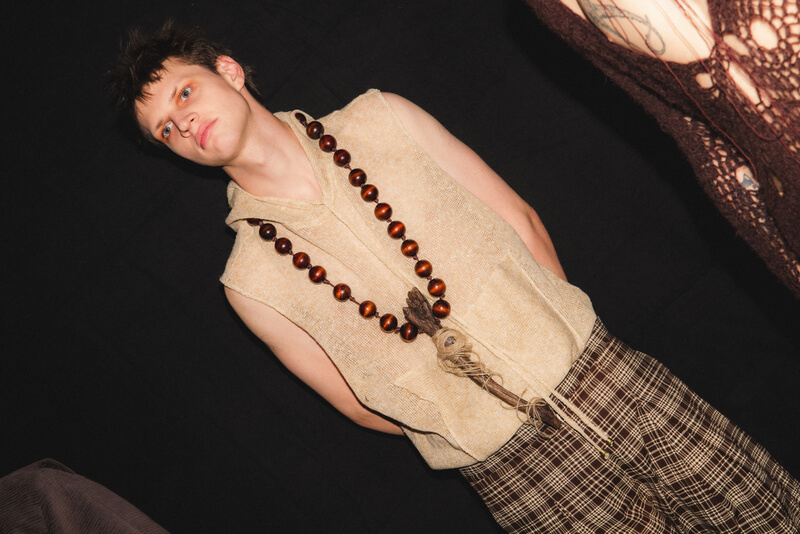
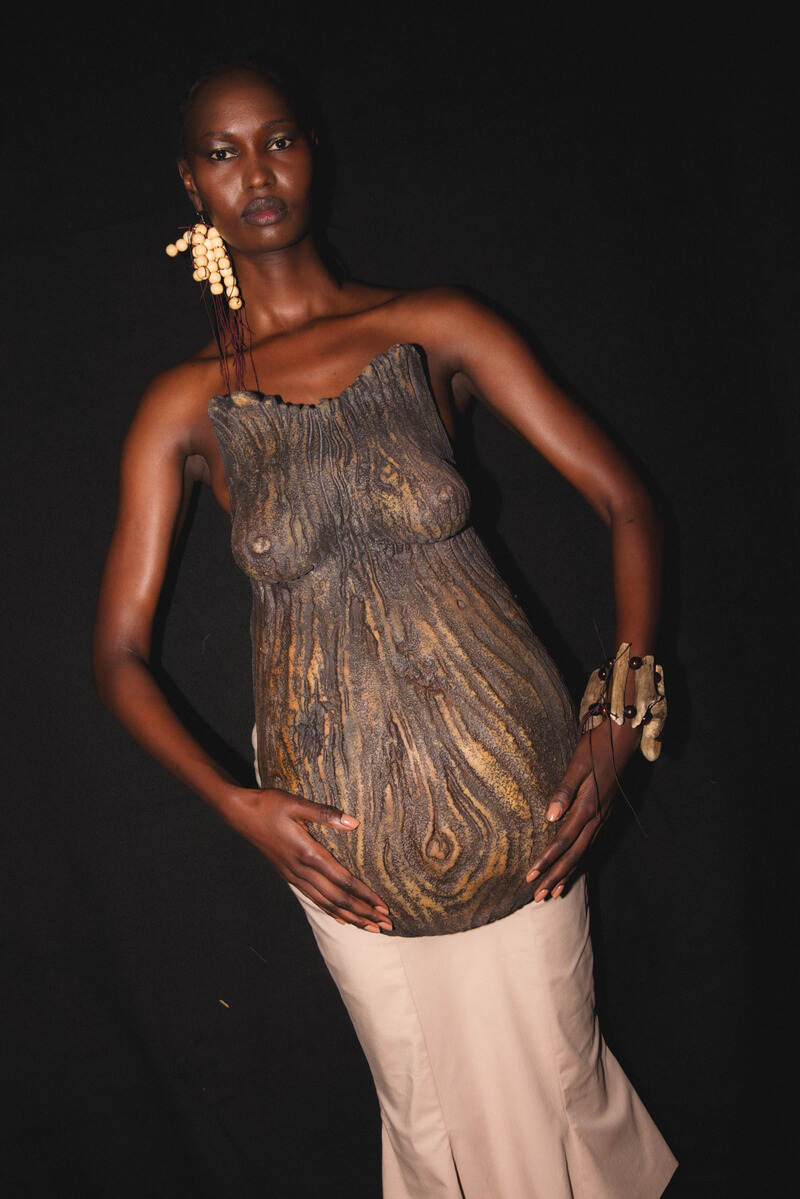
Observers of the collection have noted that Barreto uses memory and nostalgia as raw materials. By treating personal history as something to be reshaped rather than merely documented, she creates a dialogue between the past and the present. This is not merely an exercise in garment design; it is a form of visual storytelling that extends to the inclusion of small-scale sculptures and accessories made from organic wood and found materials. These pieces, which resemble contemporary relics, serve to ground the collection in the physical world, providing objects of permanence in an era defined by rapid, often ephemeral, change.

Data and Trends at 080 Barcelona Fashion
The 080 Barcelona Fashion event, held in the city’s historic and industrial hubs, has seen a marked shift toward what analysts call "narrative-driven design." According to recent industry data, there is a growing demand among luxury consumers for pieces that offer provenance, tactile storytelling, and evidence of human craft.
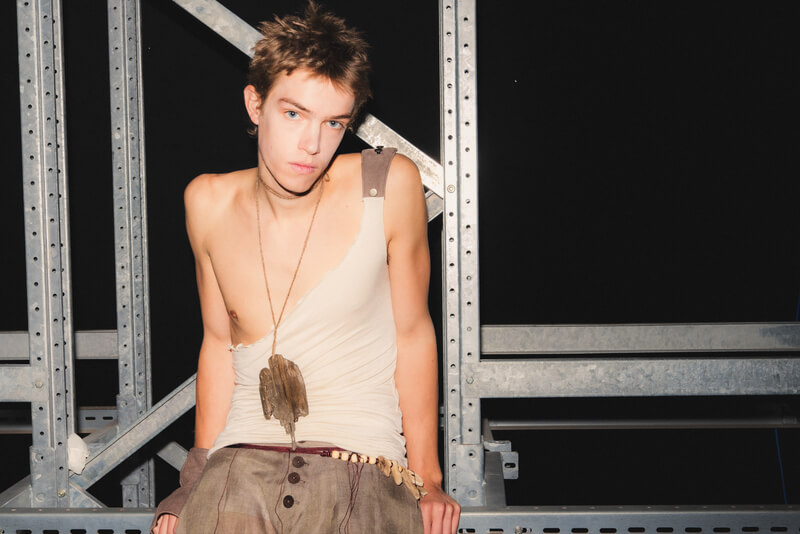
O’BARRET’s performance at the event aligns with the broader trend of "slow fashion" reaching the runway. While global retail data indicates that fast-fashion cycles are continuing to accelerate, the high-fashion sector is witnessing a counter-movement. Designers like Barreto are increasingly utilizing techniques such as raw-edge finishing and organic material integration to appeal to a demographic that values longevity and individual identity over trend-based consumption.
The Integration of Art and Accessories
Beyond the textiles, the inclusion of wooden body pieces and organic sculptures highlights the brand’s interest in the intersection of fashion and industrial design. These accessories act as a metaphor for the scars and marks left on the human body by the passage of time.

By treating the body as a canvas for these organic relics, O’BARRET challenges the conventional relationship between the wearer and their clothing. The accessories are not merely decorative; they are intended to be "objects to hold on to," a poignant reminder of the stability required during periods of intense personal transition. This focus on materiality is a hallmark of the current movement in European design, where sustainability is increasingly interpreted as the creation of items that endure not just physically, but emotionally.
Chronology of the Collection’s Development
The journey toward Soulstice began in late 2025, following the success of previous archival explorations by O’BARRET. The development phase was marked by an extensive period of material research in Milan, where Barreto worked with local artisans to refine the braiding and weaving techniques that define the collection’s texture.
- Early 2026: Initial concept development focused on the intersection of astronomy and human psychology.
- Mid-2026: Material selection and prototyping; emphasis placed on local, sustainable, and organic sourcing.
- October 2026: Formal presentation at 080 Barcelona Fashion, accompanied by backstage documentation by photographer Ángela Ibáñez.
- Post-Show: The collection has transitioned into a series of private showings, reinforcing the brand’s commitment to exclusive, high-concept, and slow-retail distribution models.
Industry Implications and Future Directions
The success of the Soulstice presentation has reignited conversations regarding the role of the designer as an artist. In an industry where the creative director’s role is often focused on marketing and brand identity, Barreto’s hands-on approach to the physical construction of her pieces serves as a reminder of the value of craftsmanship.
Industry analysts suggest that the "Soulstice" approach—which favors thematic consistency and emotional resonance—will likely influence the upcoming seasons in the Mediterranean fashion market. There is a growing consensus that the future of independent design lies in the ability to create a "world" around the collection. By integrating visual storytelling, object design, and personal heritage, O’BARRET has positioned itself as a leader in this burgeoning sub-sector of the fashion industry.
Furthermore, the brand’s refusal to treat transformation as a "final destination" resonates with contemporary sociological shifts. As global markets and social structures face unprecedented volatility, the idea that there is no "perfect version" of ourselves, and that life is simply a series of different skins, offers a level of intellectual depth that is increasingly sought after by the modern consumer.

A Legacy of Resilience
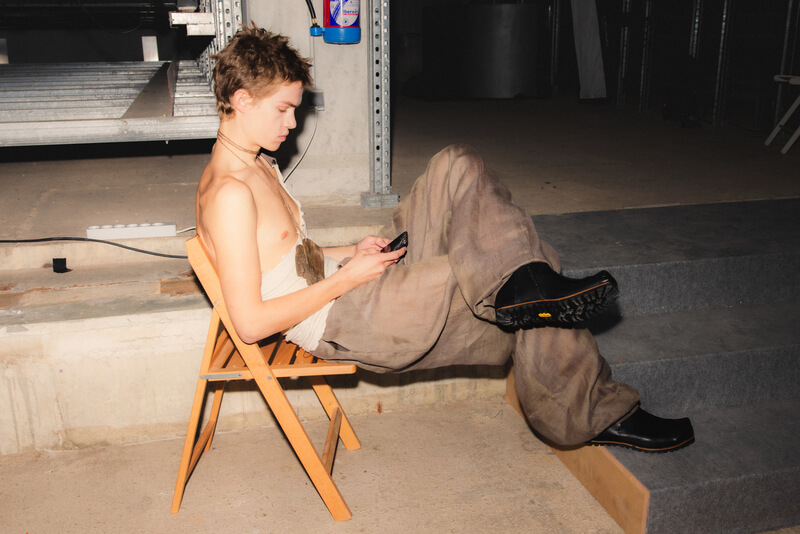
The backstage photography captured by Ángela Ibáñez offers a raw, unfiltered glimpse into the final hours before the runway presentation. These images, which have circulated widely in fashion media, emphasize the collaborative spirit of the production. The intensity visible in the preparation of the garments mirrors the collection’s themes of shedding and rebuilding.
As O’BARRET continues to evolve, the impact of Soulstice remains clear. The collection stands as a testament to the fact that when fashion is treated as a medium for artistic expression, it can provide more than just aesthetic pleasure; it can offer a framework for understanding our own experiences. Whether through the sculptural wood pieces or the fluid, layered textiles, Barreto invites the viewer to make peace with their history, suggesting that in the space between endings and beginnings, there is always the possibility of renewal.

Ultimately, Soulstice is not merely a collection for the current season; it is a sustained inquiry into the nature of identity. As O’BARRET moves forward, the industry will be watching to see how Barreto continues to bridge the gap between her personal heritage and the global stage, proving that, even in an age of rapid change, there is still immense power in the slow, deliberate work of self-creation. The brand’s ability to remain both personal and universally resonant is a rare accomplishment, one that firmly establishes its place within the changing landscape of European fashion.