Sri Lanka apparel exports encouraging in September amid annual decline

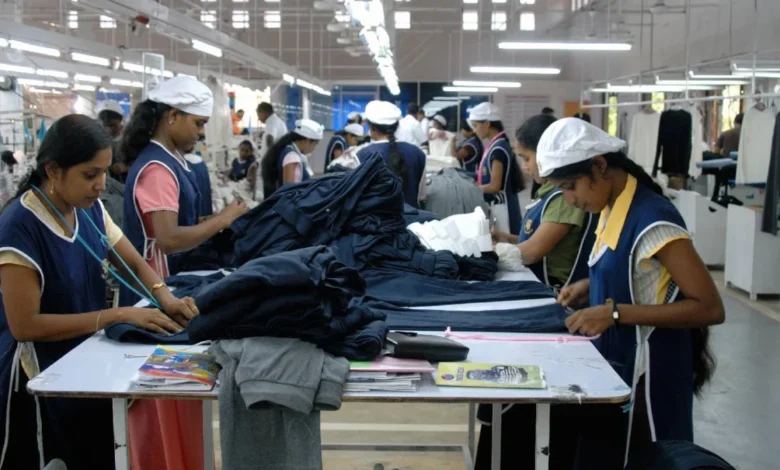
The global apparel manufacturing sector has long functioned as a barometer for broader economic health, consumer confidence, and international trade stability. Within this intricate web of global supply chains, Sri Lanka has carved out a reputation as a producer of high-quality garments for many of the world’s most recognized fashion brands and retailers. However, like many of its South Asian neighbors, the island nation’s textile and garment sector has faced a tempestuous multi-year period defined by fluctuating macroeconomic conditions, rising production costs, and shifting geopolitical trade dynamics.
Providing a nuanced glimpse into this evolving landscape, the Joint Apparel Association Forum (JAAF) released trade data indicating that apparel exports from Sri Lanka experienced a notable year-on-year increase in September 2026. Totaling $416.99m for the month, the figures represented a 3.47% rise compared to the corresponding period in 2025. This uptick was largely propelled by encouraging gains in the United States and European Union markets. Yet, despite this welcome reprieve, industry leaders and trade analysts remain cautious. When evaluated against the broader timeline of the year, the September growth does not yet signify a definitive sector-wide turnaround, underscoring the deep-seated structural and competitive challenges that continue to face Sri Lankan exporters.
A Closer Look at September 2026 Export Performance
A granular examination of the September 2026 trade data reveals where the pockets of resilience lay for Sri Lanka’s garment sector. According to JAAF figures, shipments bound for the United States climbed by 7.17% during the month, reaching a total value of $172.03m. Simultaneously, exports destined for the European Union—excluding the United Kingdom—grew by 6.5%, hitting $132.46m.
These twin engines of growth provided the primary momentum behind the month-on-month recovery. For American and European buyers, sourcing from Sri Lanka remains attractive due to the nation’s adherence to ethical manufacturing standards, specialized technical capabilities, and established partnerships with major Western brands.
However, the positive momentum in the US and EU markets was tempered by contractions elsewhere. Exports to the United Kingdom suffered a 5.92% decline in September, dropping to $47.33m. Furthermore, shipments categorized under other regional destinations decreased by 3.89%, bringing in $65.17m for the month. This uneven distribution of growth highlights the fragmented nature of current global demand, where recovery is happening in isolated pockets rather than across the board.
Cumulative Year-to-Date Realities: The Nine-Month Ledger
While the September figures offered a momentary morale boost to local manufacturers, a broader look at the first three quarters of 2026 reveals persistent headwinds. Cumulative apparel export data from January through September 2026 shows that the industry remains firmly in negative territory compared to the previous year.
During the first nine months of 2026, Sri Lanka’s total apparel exports were valued at $3.59bn. This represents a tangible decline of 5.52%, or roughly $210m, when measured against the same timeframe in 2025. A breakdown of these cumulative figures illustrates widespread contraction across nearly all major international destinations.
The United Kingdom recorded the sharpest year-on-year fall during this nine-month period, with exports plunging by 10.85%. Meanwhile, shipments to the European Union and alternative regional markets dropped by 5.44% and 5.43% respectively. The United States market demonstrated slightly better resilience, seeing a comparatively modest contraction of 3.69%. These cumulative statistics reinforce the perspective articulated by the JAAF: while individual months may display green shoots of recovery, the overarching trajectory of the industry continues to battle structural drag.
Shifting Global Trade Dynamics and Competitive Pressures
To fully understand the pressures facing Sri Lankan exporters in 2026, one must examine the macro-level transformations occurring within global trade flows. The international apparel market is undergoing a structural realignment driven by shifting trade policies, tariff adjustments, and regional diversification strategies by major global buyers.
Recent trade data from the United States indicates a significant reconfiguration of supply chains originating in East Asia. Notably, Chinese apparel shipments to the US market dropped by approximately 34% during the first seven months of 2026. This sharp contraction is largely attributed to heightened US tariffs and an increasing corporate emphasis on supply chain "de-risking" away from China.
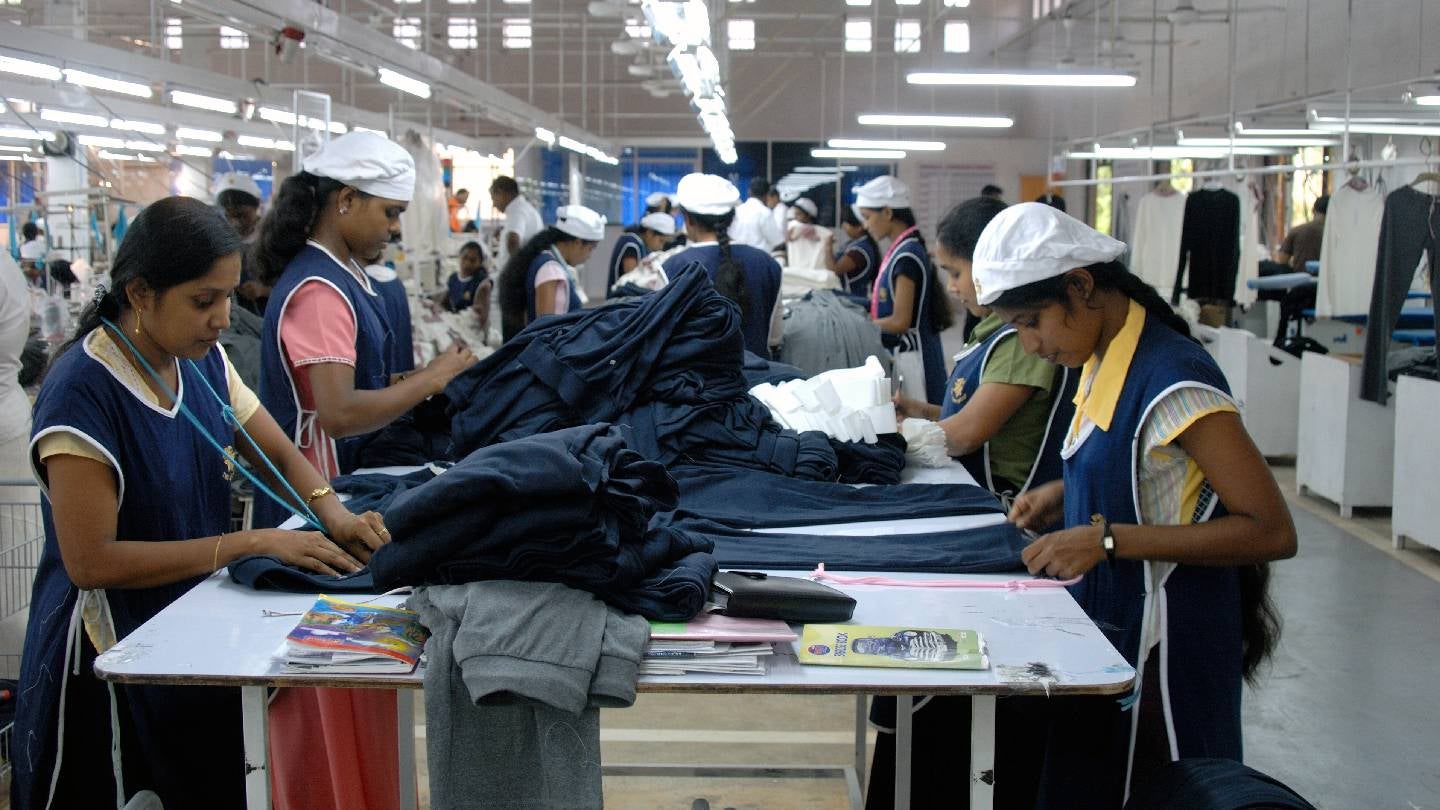
However, this dynamic has created secondary ripple effects that directly impact competitors like Sri Lanka. Industry stakeholders across various South Asian and Southeast Asian manufacturing hubs have observed that major exporting nations, particularly China and India, have strategically redirected their excess capacity toward Europe. Facing tighter barriers in the American market, these massive manufacturing economies have aggressively targeted the EU, intensifying competition on the continent.
European import data validates this observation. Between January and April 2026, China’s share of total apparel imports into the European Union expanded notably, rising from 26.9% to 28.6%. For a mid-sized exporting nation like Sri Lanka, competing against the immense scale, vertical integration, and aggressive pricing strategies of Chinese and Indian manufacturers in the European market represents a formidable challenge. Consequently, the intensifying competition in Europe has underscored the urgent imperative for Sri Lankan producers to double down on their unique selling propositions: uncompromised product quality, supply chain reliability, and targeted market diversification.
Industry Leadership Perspective: The Call for Domestic Reform
Navigating these turbulent international waters requires not only strategic agility from private enterprises but also proactive support from national policymakers. Addressing the delicate balance between September’s encouraging numbers and the broader annual decline, JAAF Secretary General Yohan Lawrence offered a clear-eyed assessment of the industry’s current standing.
"September’s growth in the US and EU is encouraging, and it shows our manufacturers can compete when demand is there," Lawrence stated. He was quick to contextualize the milestone, however, adding, "We’re still more than five percent behind where we were this time last year."
Lawrence emphasized that sustaining any positive momentum will require direct intervention in domestic economic conditions that impact manufacturing overheads. "What the industry needs now is steady, competitively priced energy and a supportive policy environment, so that this momentum lasts beyond a single month," he noted.
For years, Sri Lankan apparel manufacturers have grappled with high utility costs—particularly electricity tariffs—as well as financing hurdles and labor market pressures. These operational expenses directly erode the price competitiveness of local firms when bidding for international orders against regional rivals who benefit from lower state-subsidized energy costs or massive economies of scale.
Broader Economic Implications and the Road Ahead
The trajectory of Sri Lanka’s apparel sector carries profound implications for the nation’s broader economic stability. As one of the country’s largest foreign exchange earners and a massive employer of a predominantly female workforce, the health of the garment industry serves as a crucial pillar for national economic recovery following the macroeconomic crises of recent years.
When apparel exports contract, the repercussions are felt across the domestic supply chain, affecting everything from local logistics providers and packaging manufacturers to service industries in major urban and rural manufacturing hubs. Conversely, a sustained rebound in export revenues bolsters foreign reserves, stabilizes the local currency, and secures hundreds of thousands of livelihoods.
Looking ahead, the path forward for Sri Lanka’s apparel industry hinges on a dual approach: internal operational optimization and external strategic positioning. Domestically, industry stakeholders and government bodies must collaborate to streamline regulatory frameworks, modernize port and logistics infrastructure, and establish predictable, competitive energy pricing structures. These measures are essential to lowering the cost of production and enabling factories to absorb pricing pressures without sacrificing profit margins.
Externally, Sri Lankan manufacturers are increasingly turning their attention toward value-added segments of the market. Rather than competing purely on high-volume, low-margin basic garments, local firms are heavily investing in sustainable production practices, circular fashion initiatives, advanced textile technologies, and ethical sourcing compliance. By positioning themselves as pioneers in eco-friendly and socially responsible manufacturing, Sri Lankan apparel exporters aim to carve out an indispensable niche among Western brands that are facing rigorous regulatory compliance demands, such as the European Union’s expanding due diligence and sustainability mandates.
Ultimately, the September 2026 trade data serves as both a testament to the resilience of Sri Lanka’s garment makers and a cautionary reminder of the headwinds that remain. While the 3.47% year-on-year increase demonstrates that the industry retains its competitive edge when global demand flickers upward, the broader 5.52% nine-month decline illustrates that the journey toward complete recovery will require sustained effort, strategic adaptability, and steadfast policy support from all facets of society.
Related posts: