From Barren Lawn to Thriving Ecosystem: How One Suburban Backyard Became a Vital Wildlife Sanctuary and a Model for Urban Biodiversity

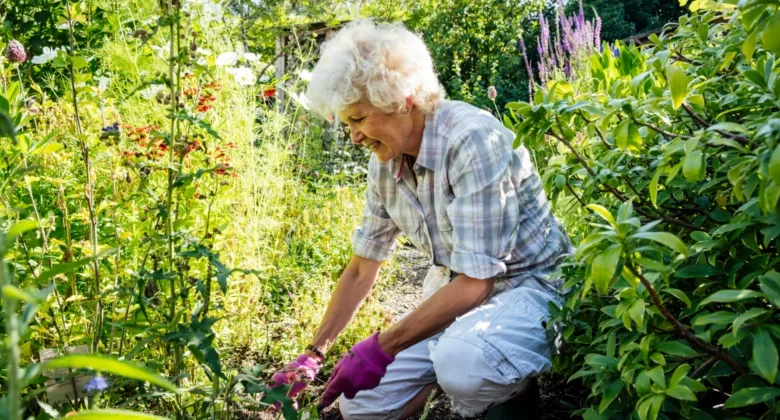
In a compelling demonstration of individual action catalyzing significant ecological change, a former nurse in a suburban Australian community has transformed her conventional backyard into a flourishing native habitat, providing a critical refuge for local wildlife and offering profound insights into urban biodiversity restoration. Three years ago, Helen Taylor, 63, initiated this project, driven by a stark observation of a struggling bee amidst her dying lavender, a stark symbol of the pervasive habitat loss affecting suburban ecosystems globally. Her endeavor has not only revived local insect and bird populations but has also underscored the broader implications of native planting for environmental sustainability, community engagement, and personal well-being.
The Urgent Need for Urban Habitat Restoration
The conversion of Taylor’s garden comes at a critical juncture for global biodiversity. Urbanization, coupled with conventional gardening practices that favor exotic plants and expansive lawns, has led to a dramatic decline in natural habitats. Scientific studies consistently report alarming rates of insect population decline, often referred to as an "insect apocalypse," with some research indicating a global decrease of 25-50% in insect biomass over the last few decades. This decline is catastrophic, as insects form the base of many food webs, acting as pollinators, decomposers, and a vital food source for birds and other wildlife. Concurrently, bird populations in urban areas are increasingly under pressure, facing reduced food availability, nesting sites, and shelter. The widespread adoption of monoculture lawns, which offer minimal ecological value, and the frequent use of pesticides further exacerbate these environmental challenges, transforming potential green spaces into biological deserts.
The background context to Taylor’s initiative is the growing awareness among environmentalists and urban planners that individual backyards collectively represent a significant land area within urban footprints. When managed with ecological principles, these spaces can form vital green corridors, connecting fragmented habitats and bolstering urban biodiversity. The concept of "rewilding" urban spaces, even on a micro-scale, is gaining traction as a tangible response to the biodiversity crisis, offering a localized solution to a global problem.
Helen Taylor’s Transformative Journey: From Lawn to Lifeline
Taylor’s journey began approximately three years ago, sparked by a poignant moment in her backyard. Holding a tray of native seedlings, she observed a single bee laboring fruitlessly on her non-native lavender. This seemingly small incident personalized the abstract concept of habitat loss she had been reading about, prompting an immediate and decisive shift in her approach to gardening. Within a week, she commenced the arduous task of removing approximately half of her existing lawn, dedicating the newly liberated space to plants specifically chosen to support local fauna.
Her initial approach was rooted in practicality and an evolving understanding of ecological needs. She quickly learned that traditional garden center offerings—often exotic species prized for aesthetics—provided little sustenance or shelter for native wildlife. The turning point was embracing native flora, plants that have co-evolved with local insect and bird species over millennia. This meant a deliberate shift away from common ornamental varieties like roses, replaced by indigenous species such as grevilleas, banksias, and bottlebrush, known for their rich nectar and pollen. Along her fence lines, dense shrubs of westringia and correas were planted, providing essential cover, while groundcovers like native violets and lomandra grasses introduced vital lower strata to the nascent ecosystem.
The Science of Native Planting: A Pharmacy and Pantry for Wildlife
The success of Taylor’s garden is deeply rooted in ecological science. Native plants are inherently superior for supporting local ecosystems because they are adapted to the specific soil types, rainfall patterns, and climate of their region. This adaptation means they generally require less water and fertilizer compared to exotic species, which often struggle to thrive outside their native ranges without significant human intervention. Furthermore, native plants have developed intricate relationships with local insect species, often serving as host plants for butterfly and moth larvae – a critical food source for nesting birds.
For instance, grevilleas and bottlebrush (Callistemon species) are renowned for their abundant nectar, attracting a diverse range of honeyeaters, lorikeets, and native bees. Banksias provide not only nectar but also structural complexity for nesting and shelter. Westringia and correas offer dense foliage, ideal for small birds seeking refuge from predators or harsh weather. The introduction of these species effectively turned Taylor’s garden into a "pharmacy and a pantry" for wildlife, providing a continuous supply of food, medicine (in the form of diverse plant compounds), and shelter that was previously absent. This ecological engineering, guided by natural principles, rapidly began to restore the disrupted food web.
Beyond the Flora: Fostering a Thriving Fauna Community
The impact of Taylor’s native planting efforts became evident within a remarkably short period. Within six months, her garden began to teem with life. Native bee species, including the distinctive blue-banded bees and fuzzy teddy bear bees, discovered the abundant new food sources. Critically, a colony of native stingless bees established a hive within an old fence post Taylor had deliberately left standing, highlighting the importance of providing undisturbed microhabitats.
The avian response was equally impressive. Honeyeaters, attracted by the nectar-rich flowers, were among the first birds to return. They were soon followed by the vibrant rainbow lorikeets, known for their gregarious nature and fondness for bottlebrush nectar. Even more significantly, noisy miners, often dominant in urban settings, began to coexist with other species, and a pair of iconic kookaburras became regular morning visitors, indicating a healthy and diverse insect and small reptile population for them to prey upon. This rapid increase in biodiversity demonstrates the latent potential within suburban landscapes to support complex ecosystems, given the right conditions.
Cultivating Resilience: The Unexpected Ease of Native Gardens
One of the most surprising outcomes for Taylor was the reduced maintenance demands of her native garden. Contrary to the common perception that lush gardens require intensive care, native plants, once established, proved to be remarkably self-sufficient. Their adaptation to local conditions meant they thrived with minimal watering, even during periods of drought, and required virtually no chemical fertilizers. Taylor transitioned from watering three times a week to only during extreme heatwaves, significantly conserving water and reducing her environmental footprint. This observation aligns with broader ecological gardening principles, which advocate for working with nature rather than against it, leading to more resilient and sustainable landscapes.
A Shift in Perspective: Embracing Nature’s Imperfections
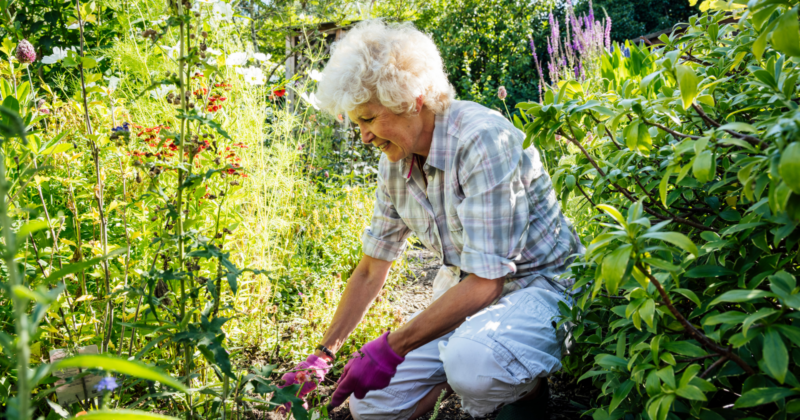
Helen Taylor’s professional background as a nurse instilled in her a deep-seated value for control and precision – qualities essential for patient safety and effective healthcare. However, cultivating a wildlife garden demanded a radical departure from this mindset. The pursuit of a "perfect" aesthetic, often characterized by manicured lawns and pristine foliage, directly conflicts with the needs of a thriving ecosystem. Taylor had to learn to embrace what she initially perceived as imperfections: holes in leaves where caterpillars fed, a necessary stage in the life cycle of butterflies and moths; standing seed heads, providing food and shelter through winter; and "messy" areas, crucial for small birds seeking shelter and insects overwintering.
This shift was epitomized when king parrots "shredded" her kangaroo paw plants for nesting material. Her initial instinct was to intervene, but observing the birds carry the plant fibers to a nearby eucalyptus to build their future nest provided a profound realization: the garden was no longer solely hers. It had become a shared space, a vital resource for other living beings, and she was merely its caretaker. This philosophical pivot underscores a fundamental principle of ecological stewardship: recognizing humanity’s interconnectedness with nature and relinquishing anthropocentric control.
The Therapeutic Power of Green Spaces: A Morning Ritual
Beyond the ecological benefits, the native garden profoundly impacted Taylor’s personal well-being. Prior to its transformation, her mornings were often characterized by anxiety about the day ahead. The garden has replaced this with a calming, meditative ritual. Each morning, she now takes her coffee outdoors, spending twenty minutes observing the vibrant activity: lorikeets feasting on bottlebrush nectar, blue wrens foraging for insects, and bees diligently starting their work.
This informal "nature therapy" has proven to be a potent antidote to stress. While not a formal meditation practice, the act of witnessing life unfold, indifferent to human concerns, provides a grounding perspective. Scientific research increasingly supports the therapeutic benefits of exposure to nature, often termed "forest bathing" or "green exercise," which can reduce cortisol levels, lower blood pressure, and alleviate symptoms of anxiety and depression. Taylor’s experience, particularly after a difficult shift at work, highlights how direct engagement with nature can offer solace and a powerful reminder of life’s persistent continuity, even in the face of loss.
Reimagining Purpose: Lessons from the Bees
The short, industrious lives of the bees in her garden offered Taylor a powerful metaphor for purpose and identity, particularly as she approached retirement. With a lifespan of only about six weeks, bees dedicate themselves entirely to their biological imperative: foraging, pollinating, and contributing to the colony. They exhibit no existential doubt or identity crises, simply fulfilling their role until they can no longer.
This observation provided Taylor with a new framework for considering her own future beyond her long and impactful nursing career. Instead of dwelling on a loss of identity, she found inspiration in the bees’ relentless utility. Her plans for retirement now include continuing her part-time nursing work as long as possible, volunteering at a community kitchen, and nurturing her garden. This redefinition of purpose, driven by a deep connection to the natural world, emphasizes contribution and usefulness over a fixed professional identity, aligning with principles of active aging and community engagement.
Community Engagement and Intergenerational Learning
A thriving wildlife garden, particularly one as vibrant as Taylor’s, naturally becomes a focal point for the wider community. Neighbors who had previously exchanged only perfunctory nods began to pause, drawn by the spectacle of the lorikeets. Children, captivated by the blue-banded bees, pressed against the fence with questions. One elderly neighbor now regularly joins Taylor for morning coffee, simply to share in the quiet observation of the garden’s life.
This spontaneous community building highlights the social benefits of urban greening. Green spaces foster social interaction, reduce feelings of isolation, and strengthen neighborhood bonds. Furthermore, the garden has become a powerful intergenerational learning tool. Taylor’s grandson, now a frequent visitor, has become an amateur naturalist, learning to identify bee species and bird calls, understanding the dietary preferences of lorikeets, and respecting the sanctity of bird nests. This direct, experiential learning echoes Taylor’s own childhood experiences, reinforcing the idea that paying attention to the small wonders of the natural world can foster a profound sense of connection and belonging.
The Abundance Paradigm: Sharing for a Richer Ecosystem
Perhaps the most profound lesson Taylor learned from her three years of cultivating a wildlife garden revolves around the concept of abundance. She realized that true abundance is not about accumulation or hoarding resources but about sharing. Every flower in her garden feeds an insect; every shrub shelters a bird; every water dish provides sustenance on a hot day. This observation challenges conventional economic models that often equate security with accumulation and protection of resources.
The garden ecosystem, in contrast, thrives on circulation and mutual benefit. The more nectar the plants produce, the more pollinators are attracted. The more insects flourish, the more birds appear. This interconnected web demonstrates that sharing creates a richer, more resilient system for all participants. Taylor, who had spent a lifetime giving as a nurse and single mother, initially believed retirement was a time for self-interest. However, the garden taught her the critical difference between depletion and circulation. Depletion arises from giving without receiving, whereas circulation signifies participation in an exchange that enriches everyone, including oneself. This realization represents a holistic understanding of sustainability, extending beyond environmental metrics to encompass personal and communal well-being.
Broader Implications and a Call to Action
Helen Taylor’s suburban backyard serves as a powerful microcosm for broader ecological principles and a tangible model for urban sustainability. Her initiative demonstrates that significant environmental impact can begin at the individual level, transforming overlooked spaces into vibrant biodiversity hotspots. The implications extend beyond ecological restoration:
- Urban Planning and Policy: Taylor’s success highlights the potential for local councils and urban planners to encourage and support native planting initiatives through incentives, educational programs, and the integration of native species in public green spaces.
- Citizen Science and Community Empowerment: Her story inspires others to engage in citizen science, contributing to data collection on local biodiversity, and empowers individuals to become active participants in conservation efforts.
- Mental Health and Well-being: The documented personal benefits reinforce the importance of accessible green spaces for public health and stress reduction, advocating for nature integration in daily life.
- Economic Considerations: Reduced water and fertilizer usage in native gardens offers economic benefits for homeowners and reduces the environmental burden associated with chemical inputs.
As Taylor sits on her back deck each evening, enveloped by the sounds of the settling birds and the last bees returning home, she grasps a fundamental truth: humanity is not separate from nature, nor are we merely its saviors. We are an integral part of it, with the capacity to either contribute to its flourishing or its decline. This choice, she concludes, is both smaller than we often imagine—starting with what we plant—and immeasurably larger in its ultimate impact. Her garden stands as a living testament to the transformative power of a single individual’s decision to re-engage with the wildness within their own backyard, offering hope and a clear path forward for urban biodiversity in the 21st century.
Related posts: