Neither Farm Nor Hotel: Why Agritourism Needs Its Own Architectural Typology

The Economic Emergence of Agritourism
The transition of agritourism from a niche rural activity to a primary economic driver is supported by significant international data. In Spain, the phenomenon of "España Vacía" (Empty Spain) has seen rural municipalities hollowed out by decades of urban migration. However, a 2023 study by CaixaBank revealed that rural tourism now accounts for 11.9% of total tourism spending in the country. This represents a significant increase from pre-pandemic levels, signaling that travelers are increasingly prioritizing immersion in natural and productive environments over traditional urban or coastal resorts.
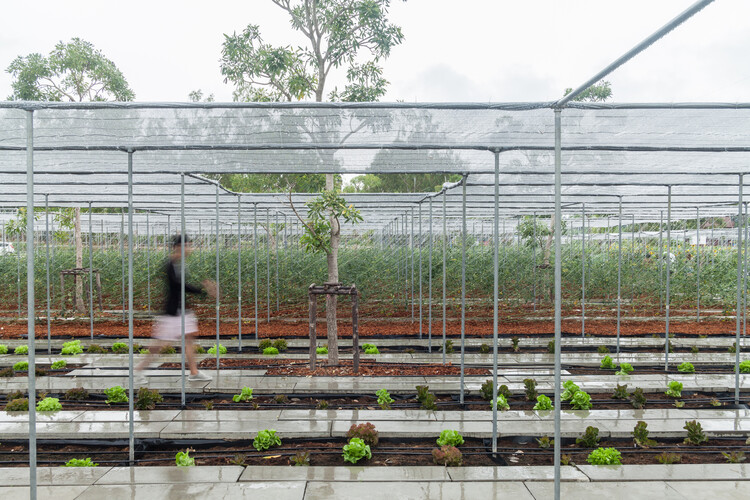
Globally, the agritourism market was valued at approximately $45.2 billion in 2023 and is projected to reach over $100 billion by the early 2030s. This growth is fueled by a post-pandemic "collective curiosity" regarding food security, animal welfare, and the mechanics of the productive landscape. From whiskey trails in Scotland to olive oil circuits in Tuscany and rice paddy retreats in China, the visitor economy has become the lifeblood of regions that once relied solely on wholesale commodity yields.
A Chronology of Rural Leisure and Production
The evolution of agritourism can be traced through several distinct phases, each marked by a specific architectural response:
- The Traditional Farm Stay (Pre-1980s): Architecture was purely utilitarian. Visitors stayed in spare rooms of existing farmhouses. There was no "designed" experience; the appeal was the lack of infrastructure.
- The Agriturismo Movement (1985–2000): Pioneered by Italy’s 1985 legal framework, this era saw the first formal regulations defining agritourism. Architecture began to focus on the "adaptive reuse" of barns and silos, often prioritizing rustic aesthetics to signal authenticity.
- The Luxury Rural Retreat (2000–2019): Hospitality began to dominate. Working farms were often sidelined in favor of boutique hotel experiences that used the landscape as a scenic backdrop rather than an active participant.
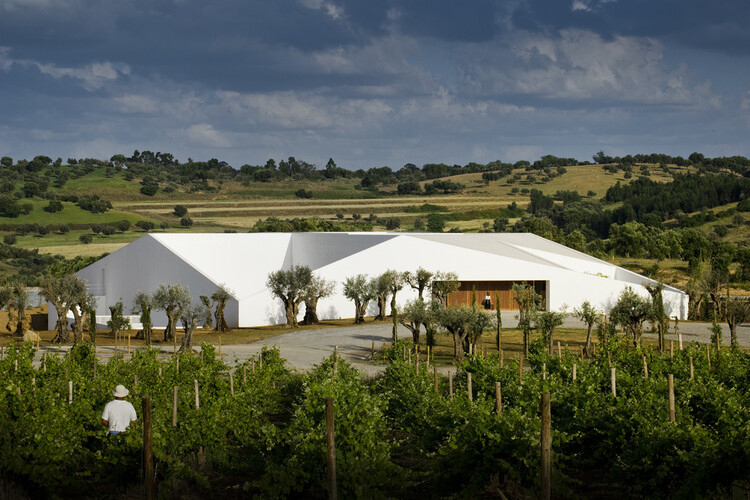
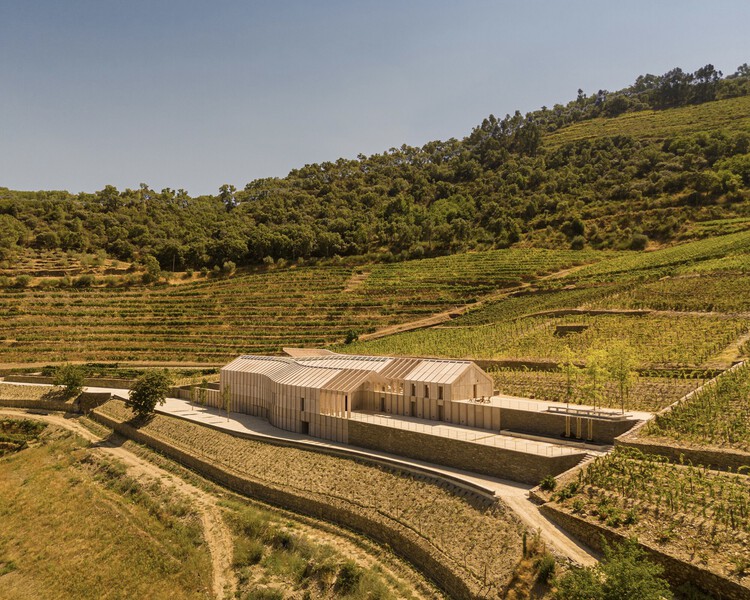
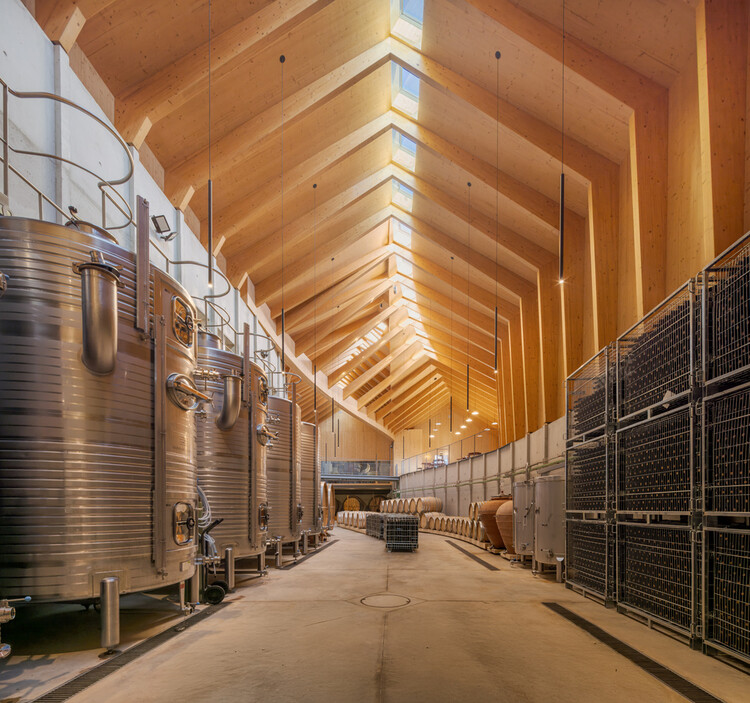
- The Integrated Typology (2020–Present): The current era, characterized by projects like the CORO Project in Thailand or L’And Vineyards in Portugal, where the architecture is designed from the ground up to serve both production and education simultaneously.
The Architectural Conflict: Efficiency vs. Choreography
Traditional agricultural architecture is a product of necessity. Barns, silos, and greenhouses are designed to protect machinery, livestock, and crops from environmental extremes. Their success is measured by durability, cost-effectiveness, and the optimization of labor. In these spaces, "circulation" refers to the movement of tractors and the flow of harvested goods.
Conversely, hospitality architecture is a product of curation. It is designed to hide labor, ensuring that the "back-of-house" operations—cleaning, maintenance, and preparation—remain invisible to the guest. Success in hospitality is measured by comfort, intuitive navigation, and the creation of a narrative.

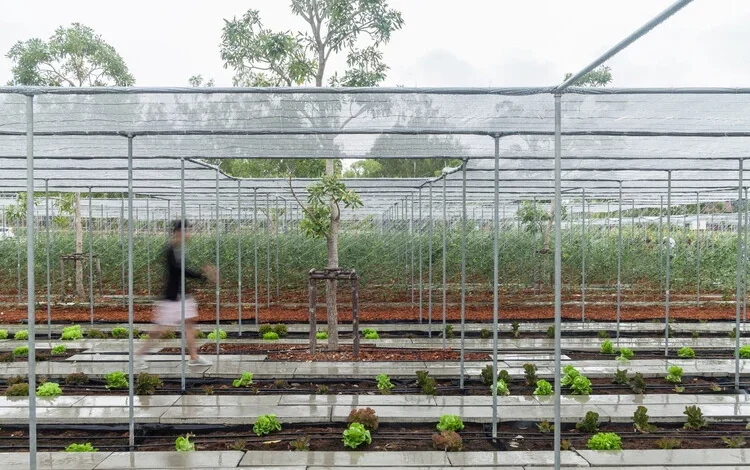
The failure of many contemporary agritourism projects stems from an attempt to force one of these typologies to perform the duties of the other. When a working farm is treated merely as a hotel setting, the "authenticity" the guest seeks is often lost to over-sanitization. When a guest is dropped into a raw industrial farm, the lack of orientation and comfort can lead to a negative experience. The industry now requires a "third way"—a typology that makes production visible and educational without compromising the safety or efficiency of the farm’s daily operations.
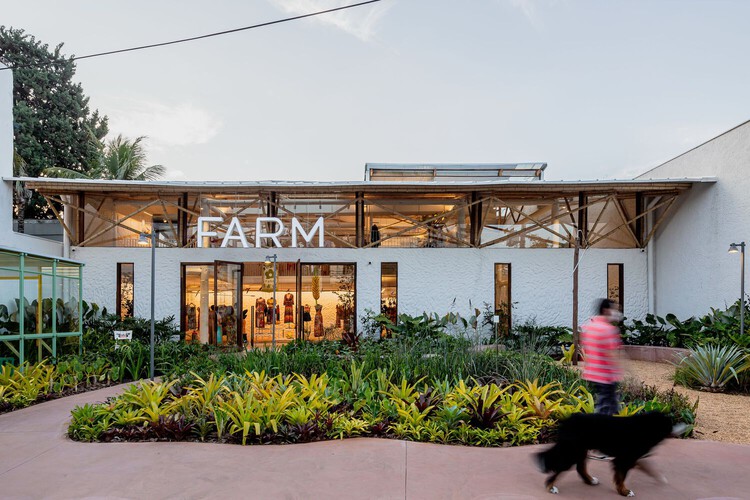
Case Studies in New Typology Development
Several international projects illustrate the emergence of this new architectural language, moving away from "barn renovations" toward purpose-built agritourism infrastructure.
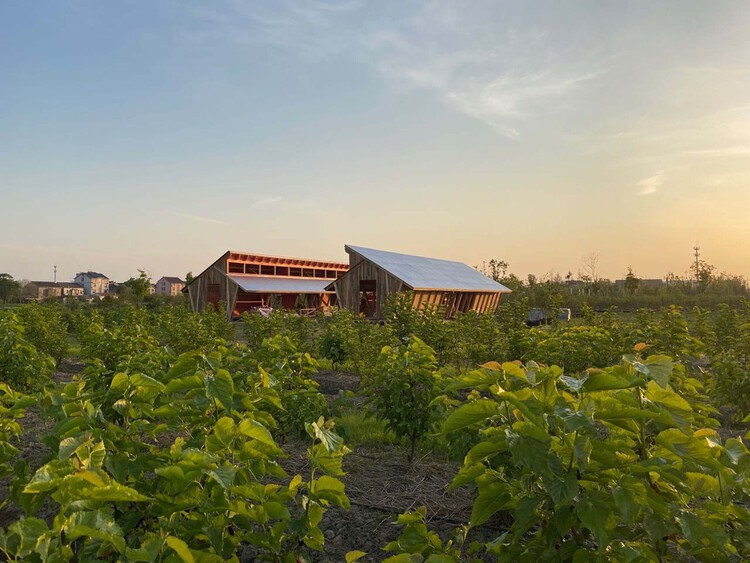
The Rice Field Bookstore (Jiaxing, China)
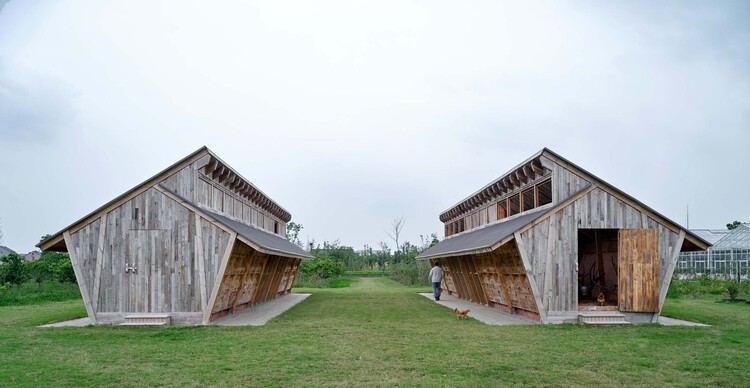
Designed by Beeeed Atelier, this project reimagines the role of a cultural institution within an agricultural context. Located in the Tanjiawan Agricultural Site Park, the building features a reverse-sloping roof that serves as a landmark within the rice paddies. Rather than separating the "knowledge" of the bookstore from the "labor" of the field, the glass-walled structure allows visitors to engage with literature while observing the active cultivation of the land. This suggests that agritourism can accommodate civic and cultural programs that have no precedent in traditional rural architecture.
The CORO Project (Suan Phueng, Thailand)
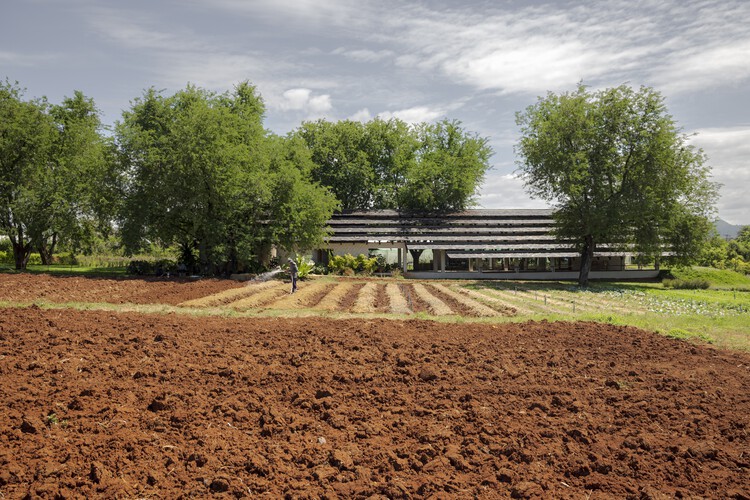
Integrated Field’s design for the CORO Project moves away from vernacular references entirely. Instead, the architects utilized a modular grid system based on a 1.5-meter dimension—the standard spacing of farm rows. This creates a showroom-like environment where the structure itself is an extension of the field’s logic. The modularity allows the space to be reconfigured based on seasonal needs, serving as a market, a classroom, or a processing facility.
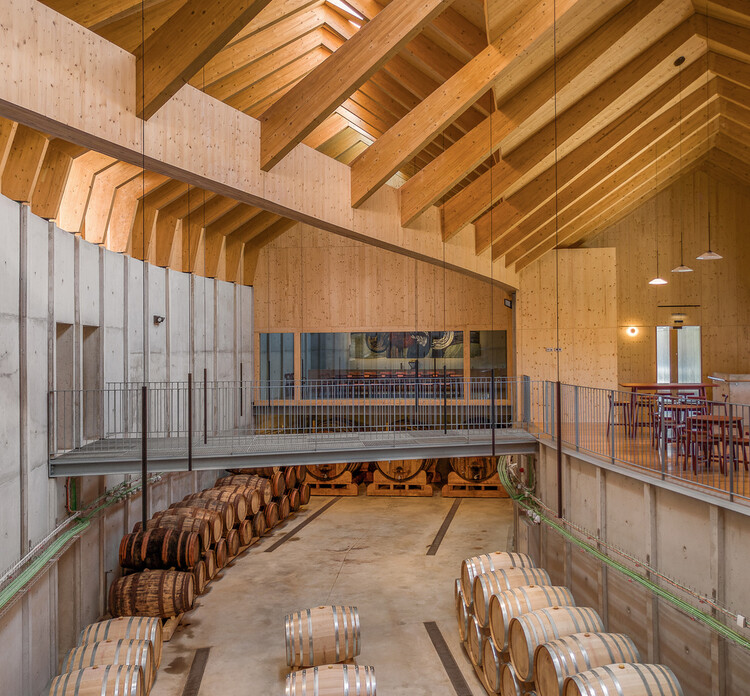
Aaranya Farmstay Resort (Gujarat, India)
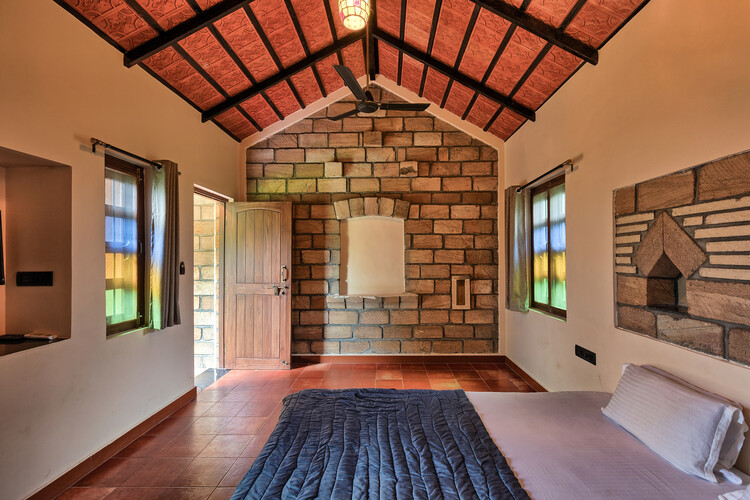
Located on the edge of a lion sanctuary, this project by d6thD design studio uses local materials like terracotta and rubble stone. However, its innovation lies in its "bio-fence" and spatial orientation. The cottages are positioned to maximize cross-ventilation from the adjoining fields, using the farm’s microclimate to enhance guest comfort. Here, the architecture does not hide the farm; it uses the farm as a primary environmental system.
Regional Infrastructure and Policy Reactions
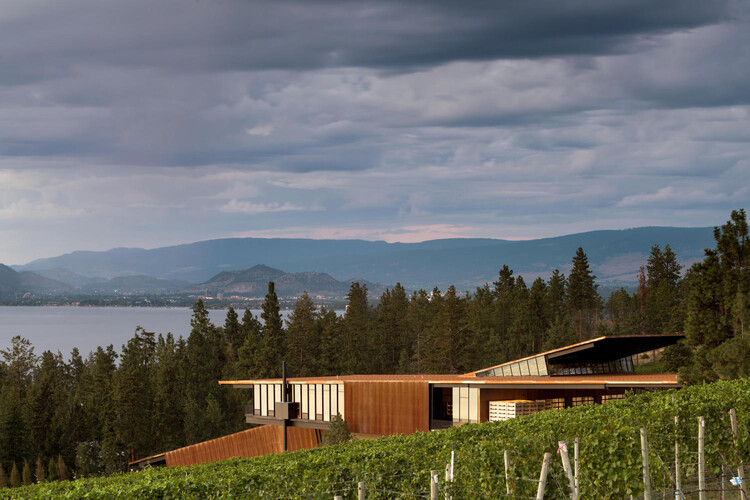
The shift toward a distinct agritourism typology is not happening in isolation; it is being reinforced by regional governments and tourism boards. In Spain, the "Rutas del Vino" (Wine Routes) represent a coordinated effort to design entire territories as curated itineraries. These routes connect individual producers through shared signage, visitor centers, and marketing infrastructure.
Regional authorities in Portugal and Italy have also begun to adjust zoning laws to recognize "agritourism" as a unique land-use category. This allows for the construction of buildings that do not fit the strict definitions of "residential," "commercial," or "industrial." This legislative flexibility is crucial for architects attempting to design hybrid spaces that include tasting rooms, processing plants, and guest suites under a single roof.
Statements from regional planning boards in the Alentejo region of Portugal suggest that future rural development will prioritize "productive landscapes" over "scenic landscapes." The goal is to ensure that tourism revenue directly supports the maintenance of agricultural heritage rather than replacing it with suburban-style hospitality developments.
Broader Impact and the Politics of Belonging
The rise of a specific agritourism typology has profound implications for rural revitalization and the global "politics of belonging." By creating a distinct architectural language for these spaces, designers are helping to bridge the gap between urban consumers and rural producers. This is not merely an aesthetic choice; it is a socio-economic strategy.
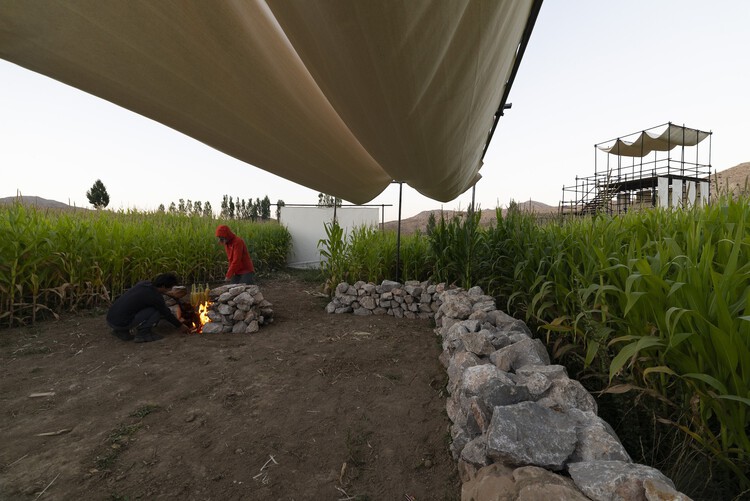
When agritourism is designed correctly, it provides a "spatial choreography" that allows visitors to observe and even participate in labor. This transparency fosters a deeper connection to the land and a greater understanding of the complexities of food production. Furthermore, by providing high-quality, modern infrastructure in rural areas, these projects help combat depopulation. They create professional opportunities for young architects, chefs, agronomists, and managers within their home communities, reversing the "brain drain" that has plagued rural regions for decades.
Implications for Future Design
As the sector continues to mature, several trends are likely to define the next generation of agritourism architecture:
- Technological Integration: The use of smart sensors and automated systems to manage both crop health and guest comfort within the same building envelope.
- Hyper-Local Materiality: A move beyond "rustic" cliches toward the use of agricultural byproducts (such as hempcrete or mycelium insulation) as primary building materials.
- Climate Resilience: Designing structures that can withstand the increasing volatility of rural environments while serving as "refuges" for both crops and people during extreme weather events.
In conclusion, agritourism is no longer a hybrid of two older industries; it is a sovereign economic and cultural sector. Treating it as a subset of agriculture or hospitality is an architectural and economic mistake. The projects that will define the next decade of rural development are those that recognize agritourism as its own typology—one that values the visibility of labor, the education of the visitor, and the long-term health of the productive landscape.