Digital Edition: The highlights from London Fashion Week SS27 so far

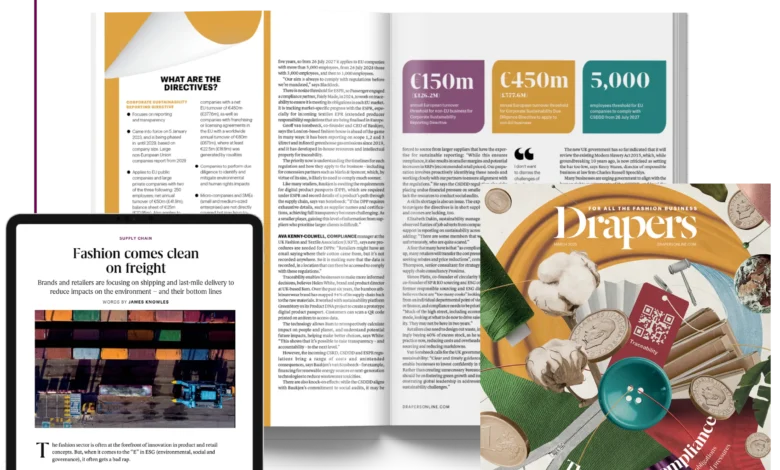
London Fashion Week has officially returned for its highly anticipated Spring/Summer 2027 (SS27) edition, running from September 17 to September 21, 2026. As the British capital once again transforms into a global epicentre of avant-garde creativity and commercial innovation, designers, buyers, critics, and digital audiences alike have tuned in to witness the unfolding trends. Reporting live from the catwalks, industry publications such as Drapers are capturing the defining moments of a season characterized by a delicate balance between sustainable craftsmanship, digital-first retail integration, and uncompromising London theatricality.
Against a backdrop of shifting macroeconomic conditions and evolving consumer demands, London Fashion Week SS27 serves as a crucial bellwether for the global apparel and luxury markets. This season’s schedule highlights not only established heritage houses but also the vanguard of emerging talent that continues to define the British Fashion Council’s (BFC) mandate of nurturing creativity and commercial viability.
Main Facts and Event Overview
The Spring/Summer 2027 showcase officially commenced on September 17, bringing a diverse roster of designers to official venues, off-site locations, and hybrid digital platforms across London. The event features physical runway shows, intimate presentations, and immersive digital activations designed to engage both trade professionals and global consumers.
Organized by the British Fashion Council, London Fashion Week remains one of the "Big Four" global fashion weeks, alongside New York, Milan, and Paris. For the SS27 edition, the BFC has placed a heightened emphasis on sustainable production methods, digital traceability, and inclusivity, reflecting broader systemic changes within the fashion industry. Designers this season have leaned heavily into materials innovation, utilizing deadstock fabrics, bio-based textiles, and circular design principles without sacrificing the bold aesthetic statements for which London is globally renowned.
The five-day schedule has been meticulously structured to maximize international buyer engagement while maintaining the city’s reputation as a incubator for raw, unfiltered design talent. From the monumental architectural spaces hosting major runway presentations to the intimate studio showcases of NEWGEN recipients, the event underscores London’s unique ability to merge commercial pragmatism with artistic rebellion.
Chronology of the Catwalks: The First Half
The chronological rollout of London Fashion Week SS27 began with a palpable sense of anticipation on Wednesday, September 17. The opening day set a vibrant tone, featuring early-career designers who utilized unconventional venues across the East End to showcase boundary-pushing collections. These initial presentations established a recurring theme for the week: the juxtaposition of dystopian undertones with optimistic, fluid silhouettes designed for a warmer climate.
As the schedule progressed into Thursday and Friday, the tempo accelerated. Major British mainstays took to the runway, presenting tightly edited collections that prioritized versatility and trans-seasonal appeal. Designers focused heavily on lightweight layering, sheer technical fabrics, and reimagined tailoring suitable for an increasingly unpredictable global climate.
By Friday, September 19, the midpoint of the showcase, prominent names such as Susan Fang captivated audiences with ethereal, textile-heavy creations that merged traditional craftsmanship with modern technological processing. Susan Fang’s signature laser-cut elements and beaded textiles once again drew critical acclaim, demonstrating how artisanal techniques can be scaled for contemporary luxury markets. The runway chronology thus far has revealed a clear trajectory: a move away from hyper-commercial minimalism toward tactile, emotional design that resonates deeply through digital screens as well as in person.
Supporting Data and Industry Metrics
To fully understand the significance of London Fashion Week SS27, it is necessary to examine the broader economic and digital metrics surrounding the event. According to industry analyses by the British Fashion Council and allied market research firms, London Fashion Week contributes hundreds of millions of pounds directly to the UK economy through tourism, hospitality, and direct retail sales.
Digital engagement continues to serve as a primary growth engine for the event. Building on the hybrid formats popularized in recent years, this season’s digital streams—hosted across official LWF portals and partner platforms—are projected to reach tens of millions of viewers worldwide. Key performance indicators monitored by brands include social media share of voice, real-time e-commerce conversion rates following runway debuts, and direct consumer engagement with "see-now, buy-now" drops.
Furthermore, sustainability metrics have taken centre stage. Independent audits of this season’s participating designers indicate an estimated 35% increase in the utilization of certified organic or recycled textiles compared to the corresponding SS25 and SS26 cycles. This shift is driven not only by evolving UK and EU regulatory frameworks regarding green claims and waste management but also by conscious consumer demand, particularly among Gen Z and millennial cohorts who prioritize supply chain transparency.
Official Responses and Stakeholder Perspectives
As the collections unfold, reactions from key industry stakeholders—including designers, retail buyers, and BFC officials—highlight a cautiously optimistic outlook for the upcoming retail seasons.
British Fashion Council representatives have emphasized the resilience of the UK creative sector in the face of ongoing global economic headwinds. In preliminary statements released ahead of the event, BFC leadership underscored the vital importance of continued institutional support for emerging designers, noting that programs like NEWGEN remain essential for maintaining London’s competitive edge against rival fashion capitals.
Retail buyers attending the SS27 showcases have reported a strategic shift in their purchasing behavior. Speaking on condition of anonymity regarding active negotiations, several major department store and e-commerce buyers noted that they are prioritizing pieces with high visual impact for digital marketing alongside versatile, high-margin essentials.
"The collections we are seeing in London this season strike a compelling balance between artistic integrity and commercial reality," noted one senior international luxury buyer. "Designers are acutely aware of the pressures retailers face, and they are delivering product lines that translate exceptionally well both on the physical runway and through digital commerce channels."
Makers and designers themselves have expressed enthusiasm over the collaborative spirit defining London Fashion Week SS27. Many creators highlighted the invaluable platform provided by the official schedule to secure international stockists, forge strategic brand partnerships, and connect directly with a global audience of fashion enthusiasts.
Broader Impact and Market Implications
The implications of London Fashion Week SS27 extend far beyond the five days of catwalk presentations and digital streams. The trends debuted in the British capital are set to influence high-street production cycles, luxury retail assortments, and consumer aesthetic preferences for the spring and summer seasons of 2027.
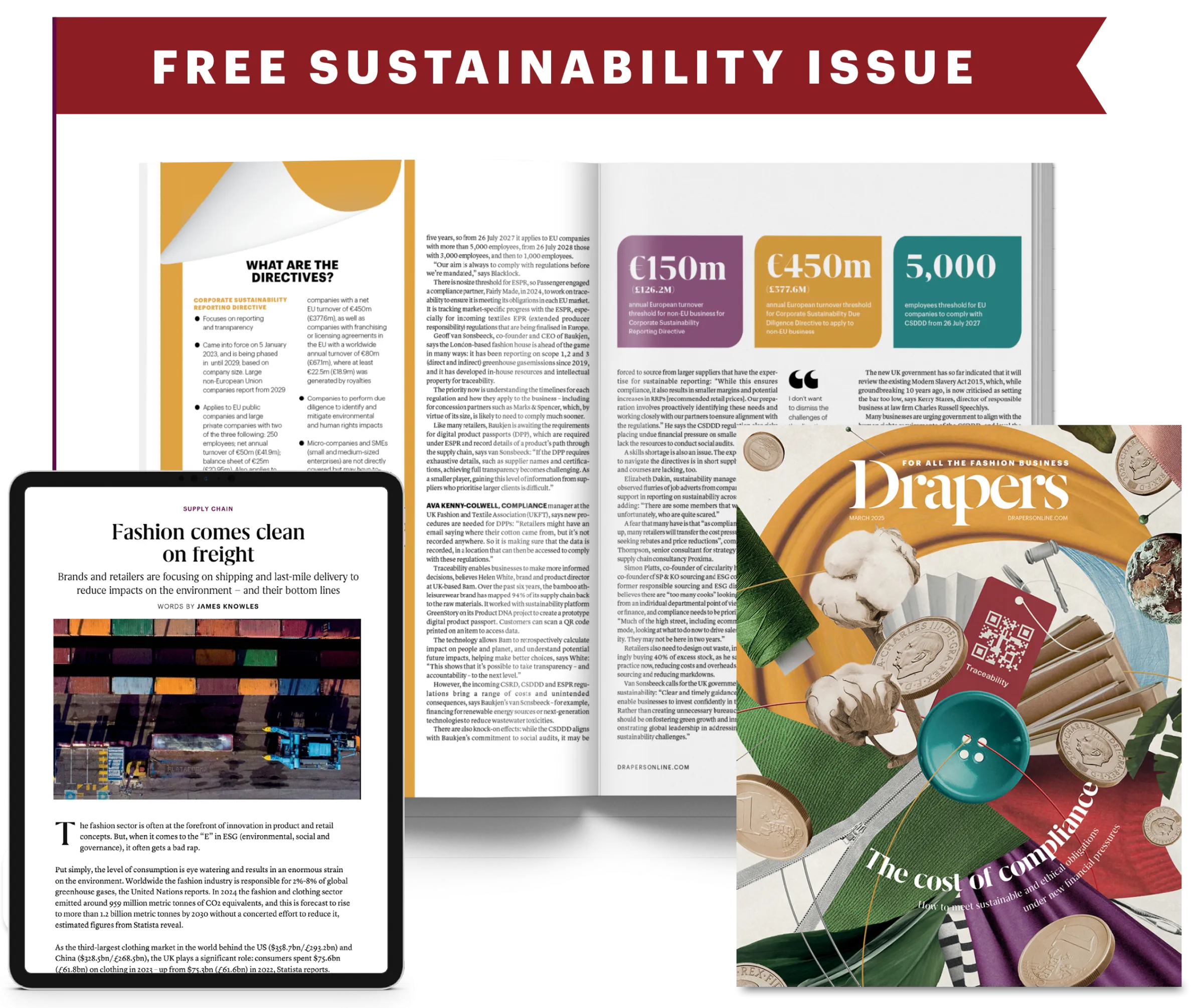
One of the most significant implications of this season is the acceleration of sustainable manufacturing integration. As regulatory scrutiny intensifies globally, the innovative material solutions showcased by London designers—ranging from algae-based polymers to advanced closed-loop recycling techniques—serve as a testing ground for mass-market adoption. Brands that successfully commercialize these sustainable innovations during the SS27 cycle are positioned to capture growing market share among ethically conscious consumers.
Additionally, the continued refinement of digital-first presentation models ensures that London Fashion Week remains accessible to a borderless audience. The democratization of front-row access via high-definition livestreams and augmented reality activations continues to blur the line between traditional wholesale fashion weeks and direct-to-consumer retail events. This evolution forces legacy fashion houses and independent labels alike to rethink their marketing funnels, ensuring that digital engagement translates into tangible brand loyalty and sales conversion.
As London Fashion Week SS27 concludes on September 21, the comprehensive data, critical acclaim, and commercial orders generated over these five days will reverberate through the global fashion ecosystem for months to come. The event has once again cemented London’s status as an indispensable crucible of innovation, proving that creativity, commerce, and conscience can coexist at the highest levels of the global design industry.