Welch’s Fruit Snacks Embraces Functional Wellness and Next-Gen Consumers in Sweeping Brand Transformation

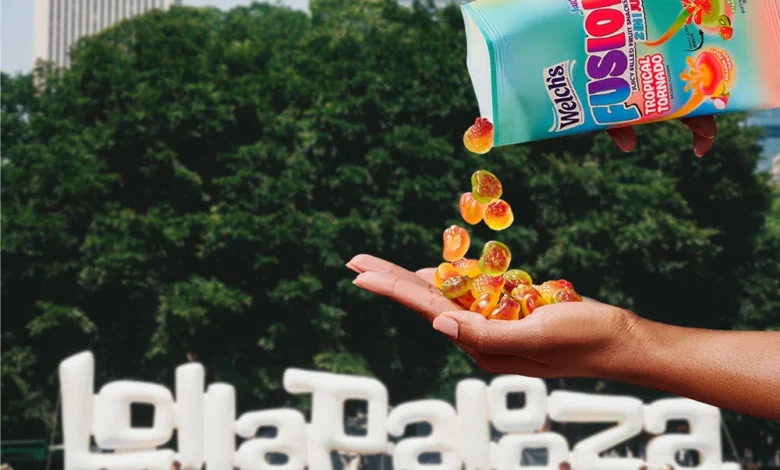
As the global wellness industry continues its robust expansion, with gut health emerging as a pivotal driver in consumer preferences, Welch’s Fruit Snacks, a venerable brand with over 25 years of market presence, is executing a comprehensive strategic pivot. This legacy brand is actively adapting its portfolio to align with evolving health-conscious consumption habits, venturing beyond its traditional fruit snack offerings to embrace the "better-for-you" segment and cater to a broader, more discerning demographic, including the influential Gen Z cohort. This year marks a significant period of innovation for the company, characterized by the launch of functional products and a steadfast commitment to cleaner ingredient profiles.
The consumer landscape has undergone a profound shift in recent years, propelled by increased awareness of the gut microbiome’s role in overall health, including digestion, immunity, and even mood. This burgeoning understanding has fueled an insatiable demand for functional foods and beverages – products that offer health benefits beyond basic nutrition. The global functional food market, valued at approximately $280 billion in 2022, is projected to reach over $500 billion by 2030, growing at a compound annual growth rate (CAGR) exceeding 8%. Within this expansive market, the probiotics segment, specifically targeting digestive health, is experiencing particularly rapid growth. Consumers, particularly younger generations, are actively seeking snacks that not only taste good but also provide tangible health advantages, moving away from purely indulgent treats.
Welch’s Strategic Evolution: A Multi-Pronged Approach to Modern Snacking
In response to these powerful market currents, Welch’s Fruit Snacks, under the stewardship of its parent company PIM Brands, has embarked on a multi-faceted transformation. This strategic evolution is not merely an incremental adjustment but a fundamental reorientation of the brand’s identity and product development philosophy, aiming to solidify its position as the top-selling fruit snack brand in the country while simultaneously capturing new market share.
A cornerstone of this transformation is the brand’s unequivocal commitment to ingredient transparency and natural sourcing. Earlier this year, Welch’s Fruit Snacks announced the successful completion of phasing out all artificial food dyes across its entire product portfolio. This move is a significant declaration in an industry where artificial colors have long been a staple, signaling a clear alignment with consumer demand for "clean label" products. For a brand deeply embedded in the childhood memories of generations, shedding artificial ingredients is a bold step that underscores a dedication to perceived health and safety standards. This decision places Welch’s in a distinct category compared to some competitors, such as Frito-Lay, which, as noted by John Scheer, co-founder and chief creative director of strategic brand agency Herman Scheer, has only "dipped their toes" into dye-free options, potentially "hedging their commitment to see if consumers actually care." Welch’s, by contrast, has fully committed, indicating a belief in the long-term value of this transition.
Entering the Functional Space: Probiotic Yogofruits
The most prominent manifestation of Welch’s functional play arrived this summer with the launch of Welch’s Probiotic Yogofruits. This innovative product marks the brand’s formal entry into the burgeoning yogurt snack category, a segment inherently associated with digestive wellness. Yogofruits are designed to directly address the consumer demand for snacks that harmoniously blend taste with functional health benefits. Lisa Eustic, Senior Vice President of Marketing at PIM Brands, articulated the brand’s philosophy, stating, "The consumer is at the center of everything we’re doing. We never stop listening or innovating in the fruit snacks space." This ethos is clearly reflected in the Yogofruits offering.
Each serving of Welch’s Probiotic Yogofruits contains a robust 2 billion probiotic cultures, specifically selected to support digestive health. Beyond its probiotic benefits, the product boasts an impressive nutritional profile tailored to modern consumer expectations: it is non-GMO, corn syrup-free, and peanut-free, addressing common allergen concerns and preferences for more natural sweeteners. Furthermore, it provides three grams of fiber per serving and is certified halal, demonstrating a comprehensive approach to inclusivity and diverse dietary needs. Retailing at $7.99 per box, aligning with the pricing structure of core Welch’s Fruit Snacks multi-packs, Yogofruits represents a strategic expansion into a higher-value, health-oriented segment. Eustic emphasized, "We increasingly see ourselves as a more functional snack that supports digestive wellness, which is what Yogofruits is all about. This is a reflection of us listening to consumers about function and delivering something for specific usage and times in their life."
Expanding the "Better-For-You" Horizon: Fruitfuls and Fusions
Beyond the probiotic innovation, Welch’s is also refining other product lines to meet evolving consumer demands. The brand is actively increasing its array of zero-sugar and no-sugar-added options. This year, for instance, saw the relaunch of Welch’s Fruitfuls, a line of fruit strips, with a new formula featuring no added sugar. This initiative directly addresses the widespread consumer trend towards reducing sugar intake, especially prevalent among parents and younger adults who are increasingly scrutinizing nutritional labels.
Concurrently, the Welch’s Fruit Snacks Fusions line has undergone a significant rebrand and relaunch. While the original article states a "relaunched in 2025," implying a future or very recent strategic pivot, the context of current promotional activities suggests it is an active and ongoing strategy from around 2023/2024. This line, a reinterpretation of the previous Juicefuls iteration, is now meticulously crafted around innovative flavor combinations and dual textures designed to offer unexpected and exciting sensory experiences. Flavors such as watermelon lemon, peach green apple, and pink grapefruit tangerine exemplify this approach, appealing to a demographic seeking novelty and adventure in their snacking choices. Eustic highlighted that these "combinations that people wouldn’t necessarily expect, but that are really delicious and reflect Gen Z’s sense of adventure and discovery."
Targeting the Next Generation: Gen Z Engagement and Experiential Marketing
A critical component of Welch’s strategic overhaul is its sharpened focus on Gen Z. This demographic, often characterized by its digital native status, strong social consciousness, and preference for authenticity and unique experiences, represents a powerful force in the consumer market. To effectively reach this cohort, Welch’s is deploying innovative marketing strategies, particularly in the experiential realm.
The Fusions line, with its adventurous flavor profiles, is being specifically promoted to Gen Z through targeted activations at major music festivals. Earlier this summer, Welch’s established a significant presence at Gov Ball, a popular music festival, engaging attendees directly with its new offerings. The brand is also set to activate at Lollapalooza later this month, a premier event that draws hundreds of thousands of young attendees. The Lollapalooza campaign is designed to maximize Gen Z engagement through creator partnerships, leveraging the influence of digital personalities, and nationwide sweepstakes offering coveted VIP Lollapalooza tickets and a trip to the Chicago festival. This approach taps into Gen Z’s appreciation for experiences, community, and digital connectivity, moving beyond traditional advertising channels.
Furthermore, Welch’s has significantly amplified its digital presence, particularly on platforms favored by Gen Z. Eustic proudly noted that the brand’s TikTok followers have surged by over 70% in the past year. This exponential growth in social media engagement is a direct indicator of the effectiveness of the brand’s content strategy and its ability to resonate with a younger audience. "That engagement, product modernization and cool content is being reflected in both the numbers and the engagement on social," Eustic affirmed, underscoring the interconnectedness of product innovation and digital marketing prowess.
Broader Industry Implications and Competitive Landscape
Welch’s Fruit Snacks’ transformative journey is emblematic of a broader trend sweeping through the consumer packaged goods (CPG) industry. Established brands, particularly those with a long heritage, are increasingly compelled to modernize their portfolios to align with the evolving health and wellness goals of millennials and Gen Z. This involves not only ingredient reformulations but also shifts in branding, packaging, and marketing strategies. The pressure comes from both agile direct-to-consumer (DTC) startups that have built their brands on "better-for-you" premises, like Olipop and BelliWelli in the gut health space, and from increasingly health-aware consumers.
The move away from artificial dyes, the introduction of functional ingredients like probiotics, and the emphasis on reduced sugar options are becoming table stakes for relevance in the modern snack market. Brands that fail to adapt risk being perceived as outdated or less trustworthy by health-conscious consumers. Welch’s, by fully committing to these changes, is not merely reacting but actively shaping its future relevance. This strategic agility, particularly for a brand of its tenure, demonstrates a deep understanding of market dynamics and consumer sentiment.
Performance Metrics and Future Outlook
The initial indicators suggest that Welch’s proactive approach is yielding positive results. According to Eustic, the Fusions business, a relatively new line, has already doubled in performance, demonstrating strong consumer reception to its innovative flavors and textures. This growth, coupled with the impressive surge in TikTok engagement, provides tangible evidence that the brand’s investments in R&D, marketing, and consumer insights are paying off.
The success of these initiatives positions Welch’s Fruit Snacks not just as a legacy brand adapting to change, but as an innovator within the competitive snack food sector. As consumer demand for functional, clean-label, and adventurous snacking options continues to grow, Welch’s appears well-prepared to capitalize on these trends. The brand’s commitment to continuous listening and innovation, as articulated by Eustic, suggests a dynamic future where Welch’s will likely continue to explore new product formats, expand its functional offerings, and deepen its engagement with diverse consumer segments. This strategic evolution ensures that Welch’s Fruit Snacks remains a dominant force, not just in the lunchbox, but across the evolving landscape of modern, health-conscious snacking.