The Definitive Guide to Boho Wedding Dresses: Styles, Trends, and Expert Insights for Modern Brides


The bohemian aesthetic has firmly cemented its place as a dominant force in modern bridal fashion, transitioning from an alternative subculture trend into a multi-million-dollar mainstream market segment. Characterized by a free-spirited, unconventional, and artistic approach to design, boho-chic wedding attire appeals to brides seeking comfort without sacrificing elegance. According to recent bridal industry retail reports, demand for bohemian, rustic, and casual wedding gowns has steadily increased over the past decade, driven by a cultural shift toward outdoor, intimate, and non-traditional wedding venues.
To understand the enduring appeal of the boho bridal gown, industry analysts point to its intrinsic versatility. Unlike highly structured, heavy ballgowns that require rigid foundations and petticoats, bohemian dresses utilize lightweight fabrics such as silk, crepe, satin, chiffon, and artisanal lace. This construction allows for maximum mobility, making these gowns ideal for destination weddings, beach ceremonies, forest elopements, and barn receptions. As modern couples increasingly prioritize experiential weddings over formal, highly regimented proceedings, bridal designers have responded with collections that emphasize personal expression, comfort, and effortless sophistication.
Industry Leaders and Silhouette Economics
At the forefront of this design movement are avant-garde bridal houses such as Grace Loves Lace and Dreamers & Lovers, whose creative directors have redefined contemporary luxury. Megan Ziems, founder and creative director of Grace Loves Lace, notes that the success of modern boho gowns lies in their ability to serve as a blank canvas. Gowns featuring clean silhouettes crafted from fluid silk and satin allow brides to elevate or downplay their look through intentional styling.
Conversely, brides seeking a pronounced romantic statement frequently gravitate toward textured lace fabrications. Intricate crochet-look patterns, 3D floral appliques, and geometric lace inserts provide a striking visual contrast against bare skin or nude linings. These design choices create the quintessential "wow" moment during aisle processions, marrying traditional bridal gravitas with an organic, earthy sensibility.
Comprehensive Style Breakdown: From Sleeved Elegance to Minimalist Chic
The versatility of the boho bridal genre is best demonstrated through its diverse sub-categories, each tailored to specific venue types, seasonal climates, and personal aesthetics.
Long-Sleeve and Illusion Sleeve Gowns
Long-sleeve boho wedding dresses offer a compelling intersection of timeless romance and practical utility. While traditionally associated with autumn and winter ceremonies due to the warmth provided by full-length sleeves, contemporary bridal trends have defied seasonal boundaries. Designers frequently utilize sheer illusion tulle, delicate lace, and bishop or bell sleeves, allowing brides to wear these styles comfortably in warmer climates. Industry experts note a rising trend of brides wearing full-sleeved gowns for outdoor winter elopements in mountainous regions, as well as pairing airy lace sleeves with Mediterranean summer backdrops.
Casual and Minimalist Interpretations
For couples hosting relaxed, understated celebrations, casual boho wedding dresses deliver an effortless aesthetic. These designs are characterized by unpretentious silhouettes, soft draping, and minimal structural hardware. Fabrics like lightweight cotton blends and fine linen provide a breathable alternative to traditional mikado or heavy duchess satin. To prevent these gowns from appearing overly informal in formal photographic settings, contemporary designers incorporate subtle tiered skirts, delicate embroidery, or structured necklines that anchor the dress firmly in the bridal category.
Rustic, Western, and Country-Inspired Designs
With the continued popularity of barn and countryside venues, rustic boho wedding dresses have evolved to incorporate distinct western elements. These gowns often feature earthy color palettes—ranging from ivory and champagne to soft taupe—alongside crochet details, fringe accents, and tiered skirts. Brides frequently pair these looks with leather accessories, customized hats, or western boots. However, fashion analysts caution against over-accessorizing, advising brides to let the natural textures of the dress remain the focal point of the ensemble.
Beach and Coastal Boho Gowns
Oceanfront nuptials demand attire that responds dynamically to coastal elements. Beach boho wedding dresses prioritize lightweight, breezy fabrics such as chiffon and georgette that catch the sea breeze. Off-the-shoulder cuts, open backs, and slit skirts are standard features that prevent overheating while offering a graceful, ethereal silhouette. Designers strictly advise against heavy trains or rigid embellishments that can collect sand and restrict movement along the shoreline.
Vintage and Heritage-Inspired Aesthetics
Vintage boho bridal gowns bridge historical design motifs with modern sensibilities. Drawing inspiration from Edwardian, 1970s vintage, and art nouveau eras, these dresses feature intricate beadwork, delicate picot edges, and classic A-line or flared silhouettes. The challenge within this category lies in maintaining historical cohesion; stylists recommend pairing vintage-inspired lace with authentic retro accessories while avoiding overly modern jewelry that disrupts the chronological illusion.
Plus-Size Boho Bridal Evolution
The inclusivity movement within the bridal industry has profoundly impacted the boho market, resulting in specialized collections designed to celebrate fuller figures. Plus-size boho wedding dresses utilize strategic draping, empire waistlines, and lightweight stretch-lace fabrics to accentuate curves without relying on rigid boning or heavy internal corsetry.
Addressing common misconceptions regarding fabrics for curvy brides, leading bridal couturiers emphasize that structural design supersedes material choice. When implemented strategically, fabrics such as satin and chiffon can be layered over supportive foundations to sculpt the silhouette while maintaining the breezy, fluid ethos inherent to bohemian fashion. Empire cuts, A-line skirts, and 3D floral appliques placed along vertical lines further elongate the frame, offering both physical comfort and visual harmony.
Expert Styling and Accessorizing Strategies
According to industry authority Megan Ziems, the golden rule of boho bridal styling is restraint. Because bohemian gowns often feature intricate lace patterns, textured embroidery, or flowing elements, accessories should be curated to complement rather than compete with the garment.
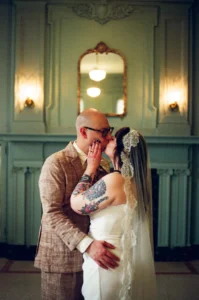
Veils serve as a transformative element within the boho styling framework. A delicate, unstructured tulle veil provides traditional gravitas during the ceremony. Post-ceremony, the removal of the veil allows the bride to transition the look for the reception by introducing statement jewelry, alternative footwear—such as embroidered white boots or block heels—and modified hairpieces. This modular approach to bridal fashion allows brides to curate multiple distinct looks throughout their wedding day without requiring a complete wardrobe change.
Price Guide and Market Segmentation
The financial investment required for a bohemian wedding dress spans a broad spectrum, influenced by brand positioning, material provenance, and artisanal craftsmanship:
- Budget-Friendly Options: Ranging from $300 to $1,000, these dresses typically utilize synthetic blends, machine-made lace, and simpler construction methods, appealing to cost-conscious brides or those planning casual elopements.
- Mid-Range Designer Gowns: Priced between $1,000 and $3,000, this tier represents the core of the bridal market. It features natural fibers like silk, high-grade crepes, intricate hand-finished lace, and superior internal construction from established independent labels.
- Luxury and Couture Bohemian Gowns: Ranging upward of $3,000 to $6,000+, luxury pieces involve bespoke tailoring, rare vintage textiles, complex hand-beading, and couture-level craftsmanship tailored to individual measurements.
Broader Implications and Future Outlook
The sustained popularity of bohemian bridal fashion reflects broader cultural shifts toward authenticity, sustainability, and personal expression in modern celebrations. As couples continue to move away from rigid, formulaic traditions, the bridal industry must adapt by offering garments that prioritize comfort, environmental consciousness, and versatility. With upcoming 2026 design forecasts pointing toward sustainable textiles, 3D botanical appliques, and modular silhouettes, the boho wedding dress remains a resilient, highly adaptable staple of modern matrimonial culture.