The Evolution of Craft: How Yuhan Ao is Redefining the Independent Fashion Label Through Material Autonomy and Ethical Production

In the high-stakes landscape of contemporary luxury fashion, the journey from a design graduate to the head of a sustainable, independent label is fraught with structural challenges. Yuhan Ao, a designer whose formative years were spent amidst the rhythmic looms of a Chinese linen factory, has emerged as a compelling case study in this evolution. Balancing the visceral, tactile education of his upbringing with the avant-garde academic rigor of London’s fashion institutions, Ao is currently navigating the delicate equilibrium between creative experimentation and the harsh economic realities of the global textile industry. As his brand, YUHAN AO, gains traction, the designer’s focus remains anchored in a philosophy that treats every garment as a nexus of labor, history, and material science.
A Chronology of Artistic Development and Industrial Integration
The trajectory of the YUHAN AO brand is best understood through a timeline that bridges East and West. Ao’s early life in China provided a foundational understanding of the "hidden" labor behind the garment—a perspective that stands in stark contrast to the often idealized fashion education found in Western capitals. Following his move to London, Ao faced the classic dilemma of the emerging designer: how to develop an individual voice while contending with the shadow of established fashion houses.
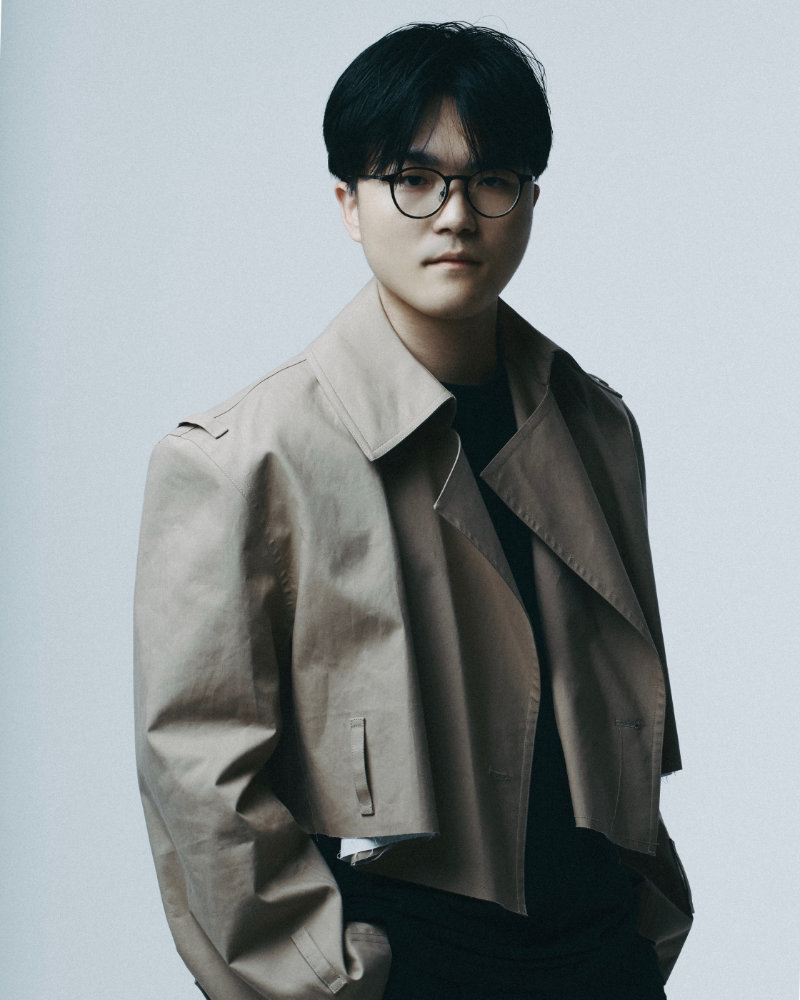
During his nascent years, critics frequently drew parallels between his deconstructivist approach and the work of Maison Margiela. Rather than rejecting this comparison, Ao utilized it as a catalyst for rigorous self-reflection. He interrogated his own design impulses, tracing them back to the factory floor of his youth. This period of maturation led to a pivot in production strategy. Initially, Ao adhered to the industry convention of "Made in London" to ensure quality and avoid the stigmas often unfairly associated with international manufacturing. By 2025, however, the economic realities of small-batch production necessitated a change.
In October 2025, during Paris Fashion Week, Ao began articulating a new vision for his label, one that moved beyond the "Made in…" label as a marketing gimmick and toward a model of transparent, high-standard Chinese manufacturing. By August 2026, his London atelier had evolved into a hub for design and development, while the heavy lifting of production was transitioned to specialized, carefully vetted factories in China. This shift was not merely a cost-cutting measure; it was a strategic decision to align his production with manufacturers capable of meeting the technical precision required for his increasingly complex designs.
Material Autonomy: The Philosophy of SS27
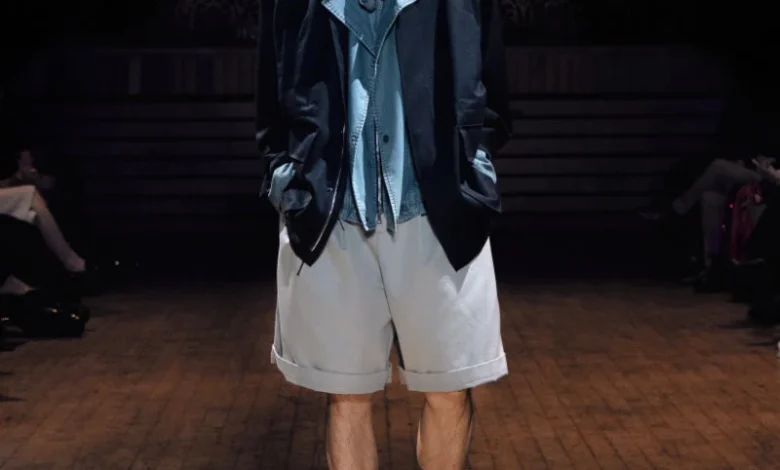
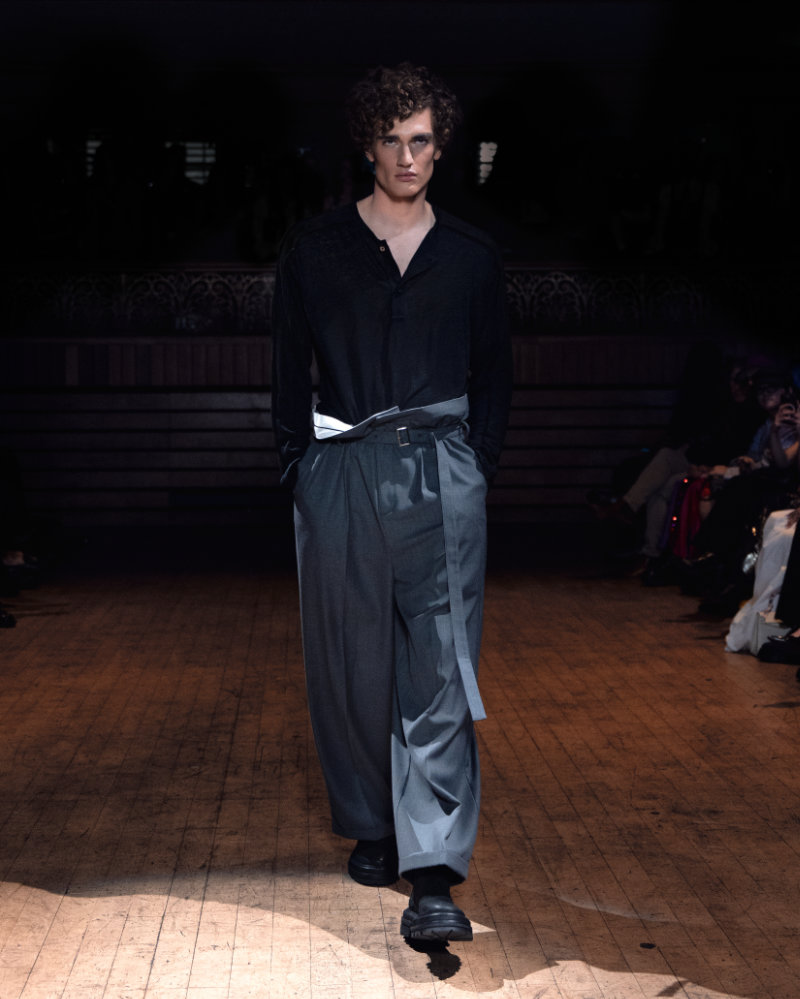
The Spring/Summer 2027 collection, titled NO LONGER GUIDED, represents a departure from traditional fashion design methodologies. Inspired by Arthur Rimbaud’s poem The Drunken Boat, the collection is a meditation on material autonomy. In traditional garment construction, fabrics are forced into shapes dictated by the designer’s whim. Ao, however, seeks to allow the physical properties of the textiles to inform the garment’s form.
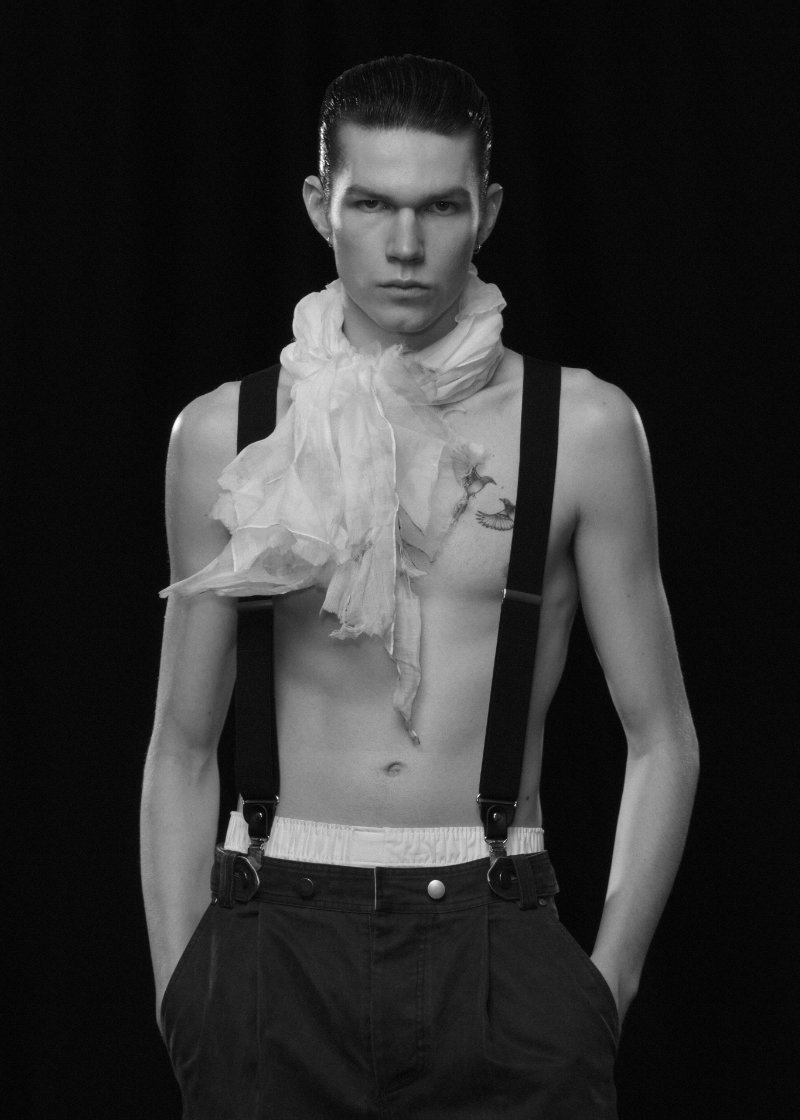
A primary example of this is the collection’s signature ramie-and-mohair blend. Ramie is notoriously stiff and difficult to manipulate, a characteristic that often leads designers to blend it with synthetics for ease of use. Ao, respecting the material’s innate resilience, combined it with the softness of mohair to achieve a structural silhouette that is both wearable and architecturally distinct. Because the traditional weaving process limits the width of the fabric, Ao constructed the garments around these inherent constraints, rather than forcing the fabric to conform to standard patterns. This approach highlights a core tenant of the brand: the designer as a facilitator rather than a dictator of the material.
Economic Realities and the Cost of Craft
A significant tension in the luxury sector is the justification of pricing through the lens of "hand-made" processes. Ao offers a sobering analysis of this industry-wide trend. He argues that the term "handmade" is often weaponized by brands to inflate value without substantive evidence of artisan labor.
From a data-driven perspective, the fashion industry has seen a rise in "luxury-adjacent" pricing for mass-produced items, leading to increased consumer skepticism. Ao suggests that the path to true luxury lies in radical transparency. His advice to consumers is to interrogate the supply chain: identifying exactly which processes are manual, who performs them, and how the time-cost ratio justifies the final retail price. For YUHAN AO, the goal is to translate the depth of bespoke tailoring—which can take months for a single piece—into a ready-to-wear format that maintains commercial viability without sacrificing the soul of the work.
The Challenges of Scaling an Independent Vision
As the brand grows, the role of the creative director shifts from pure design to a multifaceted management position encompassing public relations, logistics, and long-term business strategy. This transition poses the greatest threat to a brand’s creative integrity. Ao acknowledges that the primary challenge is to prevent these administrative duties from encroaching upon the "thinking time" essential for design.
"Commercial questions have actually helped me edit my work," Ao noted in recent discussions. By analyzing sales data and customer feedback, he has learned that coherence is often found in the refinement of existing ideas rather than the constant production of the "new." This shift has allowed the brand to maintain a recognizable visual language while evolving its product range through subtle variations in color and material rather than wholesale reinvention.
Industry Implications and Future Trajectory
The model being pioneered by YUHAN AO reflects a broader trend in the independent fashion sector: the rejection of the "growth at all costs" mentality in favor of sustainable, vision-led expansion. The industry is currently witnessing a push-back against the hyper-seasonal, high-volume production cycles that have dominated the last decade. Brands like Ao’s, which emphasize the "process" as much as the "product," are finding resonance with a demographic of consumers who prioritize narrative and ethics.
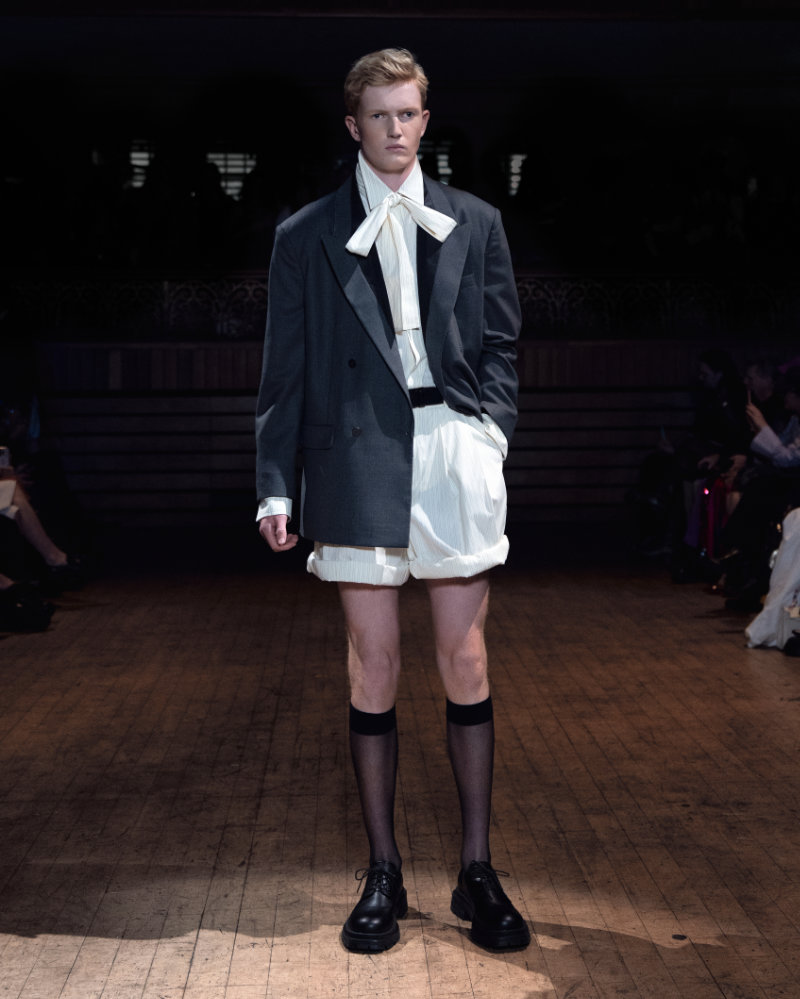
Furthermore, Ao’s decision to open his backstage to the public during the SS27 presentation serves as a metaphor for his broader business strategy. By inviting the audience to witness the human labor and technical preparations behind the show, he bridges the gap between the runway and the reality of the workshop. This inclusivity is not merely a marketing tactic; it is an effort to re-humanize the supply chain.
As the label looks toward the future, the primary metric of success for Ao is no longer limited to commercial reach or runway reviews. Instead, it is the integration of his designs into the daily lives of the wearer. Seeing a stranger wear his work, he suggests, transforms the garment from a static runway object into a lived experience. Protecting this connection—the link between his childhood memories, his rigorous education, and the final wearer—remains the ultimate goal of his practice.
In an era where fashion is increasingly viewed through the lens of ephemeral trends and digital virality, Yuhan Ao’s work stands as a reminder of the enduring power of craftsmanship. By honoring the origins of his materials and the reality of the labor behind them, he is constructing a brand that is, in every sense, built to last. The success of NO LONGER GUIDED suggests that there is a significant, growing audience for this brand of intellectual, material-first fashion, proving that independence is not a barrier to growth, but rather the most effective foundation for it.