The Evolving Landscape of Sustainable Dinnerware: Top Ceramic Plate Brands Championing Durability, Safety, and Design.

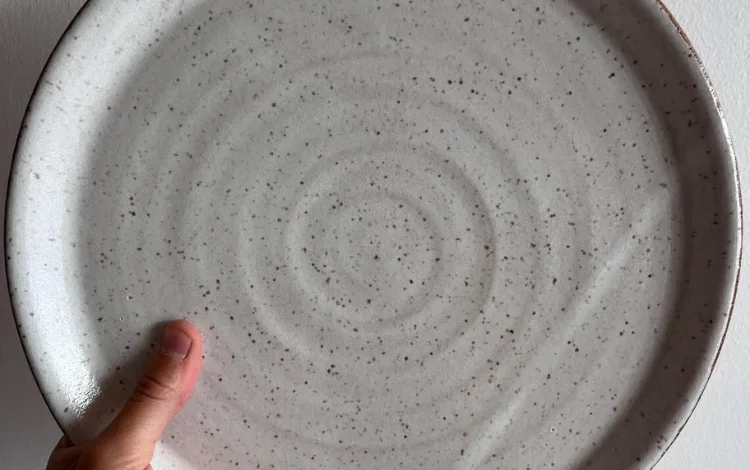
The global market for home goods is undergoing a significant transformation, driven by a burgeoning consumer demand for products that align with ethical and environmental sustainability principles. Within this shift, dinnerware, an essential component of every household, is experiencing a notable pivot away from conventional materials like easily breakable tempered glass or environmentally problematic plastics towards more robust and naturally derived alternatives. Ceramics, crafted from natural clay, have emerged as a frontrunner, offering a compelling combination of durability for long-term use, inherent safety, and aesthetic versatility. This report examines the key factors driving this market trend, delves into the technical aspects of ceramic dinnerware, and highlights leading brands that are setting new benchmarks in sustainable and responsible production.
The Imperative for Sustainable Dinnerware
The increasing awareness of environmental degradation and health concerns associated with mass-produced household items has fueled a critical re-evaluation of consumer choices. Traditional dinnerware often presents environmental liabilities, from the energy-intensive production of certain materials to the widespread use of non-biodegradable plastics that contribute to landfill waste and microplastic pollution. Furthermore, the presence of potentially harmful chemicals, such as lead and cadmium, in glazes of older or cheaply produced ceramicware has prompted consumers to seek safer alternatives.
In response, the demand for dinnerware that is not only functional and aesthetically pleasing but also responsibly sourced and manufactured has surged. Ceramics, being primarily composed of natural earth materials, offer a more eco-conscious choice. Their inherent durability means a longer lifespan, directly contributing to reduced consumption and waste. This alignment with circular economy principles—designing out waste and pollution, keeping products and materials in use—positions ceramic dinnerware as a cornerstone of sustainable living.
Understanding Ceramic Composition and Firing
The term "ceramic" encompasses a range of materials, each distinguished by its specific clay composition and firing temperature, which dictate its final properties, including strength, porosity, and aesthetic. Understanding these distinctions is crucial for informed consumer choices.
-
Earthenware: Fired at relatively lower temperatures, typically averaging 1,950 degrees Fahrenheit (1,000+ degrees Celsius), earthenware is characterized by its porous nature. This porosity often necessitates an additional glaze application to render it waterproof and food-safe. While aesthetically rustic and often handmade, earthenware can be more prone to chipping and breakage compared to higher-fired ceramics. Its lower firing temperature generally implies a slightly reduced energy footprint during production, though this can be offset by the need for multiple firing stages for glazing.
-
Stoneware: Representing a mid- to high-fired ceramic, stoneware undergoes firing at temperatures ranging from 2,200 to 2,350 degrees Fahrenheit (around 1,200 degrees Celsius). This elevated temperature vitrifies the clay, resulting in a denser, less porous, and significantly more durable product that is inherently waterproof, even without a glaze. Stoneware is highly prized for its robust nature, making it suitable for everyday use and capable of withstanding the rigors of dishwashers and microwaves. Its production requires more energy than earthenware but yields a product with superior longevity, potentially offering a better overall environmental profile through extended use.
-
Porcelain: Firing at the highest temperatures, typically exceeding 2,400 degrees Fahrenheit (1,300+ degrees Celsius), porcelain is renowned for its exceptional hardness, strength, and often translucent, brilliant white appearance. Its non-porous surface is highly resistant to staining and bacterial growth, making it exceptionally hygienic. The high firing temperature contributes to its superior durability and refined finish but also means a higher energy input during manufacturing. However, the extreme longevity of porcelain can justify this initial energy investment by minimizing the need for replacement over many decades.
The selection of ceramic type often balances aesthetic preference, required durability, and the environmental considerations tied to its manufacturing process. Modern sustainable brands are increasingly focused on optimizing these factors to deliver high-quality, eco-responsible dinnerware.
Key Criteria for Sustainable Ceramic Dinnerware
When evaluating sustainable ceramic plates, several critical criteria guide both consumer choice and industry best practices:
- Material Sourcing and Composition: Preference is given to brands that utilize locally sourced clays, minimizing transportation emissions. The use of recycled clay content, where feasible, further enhances sustainability. A non-negotiable aspect is the absence of lead and cadmium in glazes, ensuring food safety and consumer health.
- Manufacturing Ethics and Environmental Impact: Sustainable brands prioritize responsible manufacturing processes. This includes minimizing water and energy consumption, implementing waste reduction strategies (e.g., recycling clay scraps), and ensuring fair labor practices throughout their supply chain. Transparency in these processes is a hallmark of truly sustainable operations.
- Durability and Longevity: A core tenet of sustainability is creating products that last. Durable ceramics reduce the frequency of replacement purchases, thereby conserving resources and minimizing waste. Brands that offer robust, chip-resistant designs capable of enduring daily use and various cleaning methods (dishwasher, microwave, oven) are highly valued.
- Design and Aesthetic Appeal: While sustainability is paramount, design remains a crucial factor for consumers. Sustainable ceramic plates often feature timeless designs, earthy palettes, and artisanal finishes that reflect their natural origins and handcrafted quality. The ability of designs to integrate seamlessly into diverse home aesthetics encourages long-term appreciation and use.
The market has responded with a diverse array of brands, each bringing a unique approach to these criteria, catering to a broad spectrum of consumer preferences.
Leading Brands in Sustainable Ceramic Dinnerware
Our research and testing have identified several standout brands that exemplify excellence in durability, safety, sustainability, and design within the ceramic dinnerware market. These companies are not merely selling plates; they are offering investments in conscious living.
1. Year & Day
- Best For: Elegant, rimless dinner plates with a minimalist aesthetic.
- Made In: Portugal
- Price: $70/set of 4 plates
Year & Day has established itself through a commitment to four core values: thoughtful assortment, quality materials, direct and responsible shipping, and ethical manufacturing. Their ceramic dinner plates, designed in California and meticulously finished in Portugal, embody an understated elegance and robust durability. The brand’s focus on a refined color palette allows for seamless integration into various dining settings, promoting versatility and longevity. Customers, such as Pamela B., laud the plates for their enduring quality and aesthetic versatility, stating, "We love our Y&D large plates. Mixing them with other colors offered makes it fun and elegant to entertain. They wash up beautifully, serve perfectly and are made to last. I use for every day and special occasions, no need to have separate sets. Minimalist and chic. Obsessed." This sentiment underscores the brand’s success in merging daily functionality with sophisticated design. Year & Day’s direct-to-consumer model and responsible sourcing practices further reinforce their commitment to a sustainable business model.
2. East Fork
- Best For: Functional, locally-made stoneware with artisanal appeal.
- Made In: Asheville, North Carolina, USA
- Price: $192/set of 4 plates
East Fork stands as a beacon for handmade, modern ceramic plates, distinguished by its dedication to local production. Crafted in Asheville, North Carolina, from locally sourced clay, their stoneware collection is celebrated by both ceramic artists and home chefs. The brand emphasizes supporting small-batch artistry and regional economies, aligning with principles of localized sustainable production. Our Community Manager, Kate Arceo, praises the brand, noting, "Finished in East Fork’s signature palette of rich, earthy glazes, these pieces stack beautifully, feel substantial in hand, and bring an easy elegance to any table setting. You’ll frequently find me procuring snack plates of either size depending on appetite, and the durability of these plates gives me peace of mind – enough to let my two- and four-year-olds carry their own to the table!" This endorsement highlights not only the aesthetic and tactile qualities but also the practical durability that makes East Fork a household favorite, especially for families. Their commitment to transparency in sourcing and manufacturing resonates deeply with the values of the sustainable consumer.
3. Etsy
- Best For: Unique, vintage, locally-made, and custom dinnerware options.
- Made In: Varies by seller
- Price: Varies by seller
Etsy serves as a vibrant global marketplace where consumers can discover an unparalleled array of unique and custom ceramic dinnerware that often transcends mass-produced offerings. This platform empowers independent artisans and small businesses, fostering a diverse ecosystem of handcrafted goods. A notable example is KJ Pottery, a women-owned small business specializing in handcrafted ceramic plates made from high-quality earthenware clay. Each piece from such sellers is often made to order and customizable, offering a distinctive touch to the dining experience. A customer, Jacklyn, attests to the quality, stating, "Impeccable quality and so safely packed for the shipping. Gorgeous use of color!" The ability to directly support small, often local, businesses through Etsy aligns with principles of ethical consumption and community empowerment, making it an excellent resource for unique and sustainably-minded dinnerware. The platform inherently promotes longevity by offering unique, cherished items less likely to be discarded due to fleeting trends.
4. Our Place
- Best For: Restaurant-grade stoneware designed for everyday home use.
- Made In: Manufactured by artisans & partners in the US, Thailand, China, India, Morocco & Mexico
- Price: $85/set of 4 plates
Our Place has garnered significant attention for its thoughtfully designed, hand-glazed ceramic stoneware. Their collection of full plates is crafted from natural earth materials, emphasizing both aesthetic appeal and practical functionality. A standout feature is their stackable design, optimized for space efficiency, a common concern in modern living environments. These plates are engineered for resilience, being both oven and dishwasher safe, which underscores their suitability for frequent use. Charles K., a satisfied customer, notes, "The dinner plates are sturdy and a beautiful addition to our table top." Our Place’s global artisan partnerships demonstrate a commitment to skilled craftsmanship across various regions, although the broader geographic distribution of manufacturing sites implies a more complex supply chain, which the brand seeks to manage responsibly. The brand’s focus on creating versatile, durable pieces encourages reduced consumption by eliminating the need for specialized or less resilient dinnerware.
5. Material
- Best For: One-of-a-kind, thoughtfully crafted plates with cultural heritage.
- Made In: South Korea
- Price: $240/set of 4 plates
Material, founded by Eunice and Dave, is deeply rooted in the cultural significance of food and community, drawing inspiration from their Korean and Vietnamese traditions. Their ceramic plates are conceived as tasteful, timeless heirlooms, crafted from natural Korean soil and hand-finished to ensure lasting quality. The brand emphasizes the elevation of daily meals into meaningful moments, reflecting a philosophy that values enduring pieces over transient trends. Beyond its commitment to quality kitchenware, Material actively supports organizations dedicated to combating food insecurity among underserved groups, integrating social responsibility into its business model. This holistic approach to sustainability, encompassing cultural heritage, ethical sourcing, and community engagement, positions Material as a brand that offers more than just dinnerware—it offers a narrative of connection and purpose.
6. GOODEE
- Best For: Global, artisan-crafted styles with a strong ethical backbone.
- Made In: Japan, Egypt
- Price: Starting at $196/set of 4 plates
GOODEE distinguishes itself as a curated marketplace for ethically sourced, artisan-made ceramic dinnerware. The platform meticulously partners with companies that share its stringent ethical and environmental values, including a focus on heritage craft production and community engagement initiatives. This rigorous selection process ensures that consumers receive high-quality, unique pieces that directly contribute to the livelihoods of local artisans and their communities. Brands featured on GOODEE, such as 1616/Arita Japan (known for its luxurious porcelain) and Malaika (celebrated for its Egyptian clay dinnerware), exemplify sophisticated craftsmanship. All products are designed for modern convenience, being dishwasher and microwave-safe, marrying traditional artistry with contemporary utility. GOODEE’s model supports the preservation of traditional craft techniques while providing economic opportunities in various global regions, embodying a commitment to both cultural and environmental sustainability.
7. Hamkke
- Best For: Heirloom-quality dinnerware made from recycled clay.
- Made In: Portugal
- Price: Starting at $100/set of 4 plates
Hamkke, whose name is inspired by the Korean concept of "coming together," epitomizes thoughtful design and timeless craftsmanship from its origins in a charming coastal village in Portugal. Their ceramic plates are produced using locally sourced and recycled clay, reflecting a strong commitment to resource conservation and reduced environmental impact. Each piece is finished with a smooth semi-matte glaze, offering a refined yet exceptionally durable surface suitable for daily use. A crucial safety feature is its non-toxic design, completely free from lead and cadmium, ensuring consumer health. Engineered for practical living, Hamkke plates are safe for the dishwasher, microwave, freezer, and even the oven. Megan A. notes, "Love The Legacy Collection Set in Wave. It is well made, non-toxic and so pretty. Highly recommend!" Hamkke’s philosophy extends beyond the product to fostering meaningful shared moments around the table, positioning their dinnerware as integral to a lifestyle centered on connection and mindful consumption.
8. Jenni Kayne
- Best For: Chic stoneware plates that balance everyday utility with sophisticated design.
- Made In: Portugal
- Price: Starting at $140/set of 4 plates
Jenni Kayne offers stoneware plates that seamlessly blend everyday practicality with an elevated aesthetic, making them suitable for both casual meals and formal dinner parties. Handcrafted in Portugal, each plate possesses subtle color variations, imparting a unique, artisanal character to any table setting. This individuality fosters a sense of a "collected" rather than mass-produced feel, enhancing the emotional connection consumers have with their dinnerware. Functionally, these plates are designed for maximum convenience and durability, being microwave, oven, freezer, and dishwasher safe. Anne G. attests to their quality, stating, "Beautiful, durable plates that look great on our table and hold up well for everyday use. We’re very happy with this purchase." Jenni Kayne’s focus on high-quality, versatile, and enduring pieces aligns with sustainable principles by encouraging long-term ownership and reducing the cyclical demand for replacements.
9. Pass the Plate (Heath Ceramics)
- Best For: Vintage and secondhand dinner plates, promoting circularity.
- Made In: Varies by seller (original Heath Ceramics made in California, USA)
- Price: Varies by seller
In an innovative move towards circularity, Heath Ceramics has partnered with Treet to launch "Pass the Plate," a dedicated secondhand marketplace. This initiative allows consumers to acquire pre-loved dinnerware, including both everyday pieces and rare vintage Heath finds, all verified to be in excellent or good condition. This model significantly reduces the environmental impact associated with new production by extending the lifecycle of existing products. Pass the Plate offers a unique opportunity to discover beautiful, high-quality ceramics while actively participating in a more sustainable consumption pattern. By giving these pieces a second life, the platform helps divert waste from landfills and conserves the resources that would otherwise be used to create new items. This marketplace represents a forward-thinking approach to sustainability, embracing the value of existing goods and promoting responsible consumption.
10. Made In
- Best For: Chip-free, restaurant-grade dinner plates with advanced durability.
- Made In: England
- Price: Starting at $109/set of 4 plates
Made In delivers dinner plates that boast restaurant-level quality, meticulously engineered for the demands of home use. Manufactured in Stoke-on-Trent, England—a region historically celebrated for its superior plateware—these plates are crafted from high-alumina vitrified china. This advanced material composition renders them exceptionally durable, remarkably smooth, and impressively resistant to chips, stains, and scratches. The fully glazed top-to-bottom design ensures they stack neatly without scuffing, optimizing storage and preserving their pristine condition. Furthermore, Made In plates are robust enough for rigorous use, being safe for the oven (up to 580°F), dishwasher, microwave, and freezer. A crucial aspect of their commitment to safety and sustainability is their third-party testing, which confirms the absence of PFAS, lead, cadmium, BPA, and other harmful materials. Rie, a customer, enthusiastically states, "I love the Made-in table ware. We started with the Entree bowls, and then added the side bowls, and most recently we added the Dinner Plates. We love the look and the durability of this tableware. It is chip resistant and scratch proof. We currently have service for 8, and we will continue to add to our collection." This blend of professional-grade performance, aesthetic appeal, and verified material safety positions Made In as a premier choice for discerning, sustainably-minded consumers.
Broader Impact and Future Implications
The rise of these sustainable ceramic dinnerware brands reflects a broader, positive shift in consumer values and industry practices. This movement carries several significant implications:
- Empowered Consumer Choices: By providing detailed information on material sourcing, manufacturing processes, and product longevity, these brands empower consumers to make informed decisions that align with their ethical and environmental convictions. This transparency fosters trust and educates the market.
- Driving Industry Standards: The success of sustainable brands puts pressure on larger, conventional home goods retailers to re-evaluate their supply chains, material choices, and manufacturing ethics. This competitive landscape can drive industry-wide improvements in sustainability, moving towards a more responsible global market.
- Economic Support for Artisans and Local Economies: Many of these brands prioritize artisanal craftsmanship and local sourcing, directly supporting skilled workers and regional economies. This approach not only preserves traditional techniques but also creates sustainable livelihoods.
- Environmental Stewardship: By opting for durable, non-toxic, and responsibly produced ceramics, consumers contribute to a reduction in landfill waste, minimize exposure to harmful chemicals, and support manufacturing processes with lower environmental footprints. Initiatives like Heath Ceramics’ "Pass the Plate" further champion circularity, extending product lifespans and reducing the demand for new resources.
- Innovation in Materials and Processes: The demand for sustainable dinnerware is spurring innovation in ceramic technology, leading to the development of even more durable materials, energy-efficient kilns, and non-toxic glaze alternatives. This continuous improvement ensures that the future of dinnerware will be increasingly sustainable.
In conclusion, the market for ceramic plates is evolving beyond mere utility, becoming a focal point for sustainable living. Brands that prioritize durability, safety, and responsible production are not just selling dinnerware; they are contributing to a more conscious consumer culture and a healthier planet. As awareness continues to grow, these pioneers will undoubtedly shape the future of home goods, demonstrating that elegance and ethics can indeed go hand-in-hand.