The Intersection of Subculture and Fine Art: Kolya Nemoi and the Evolution of Modern Creative Identity

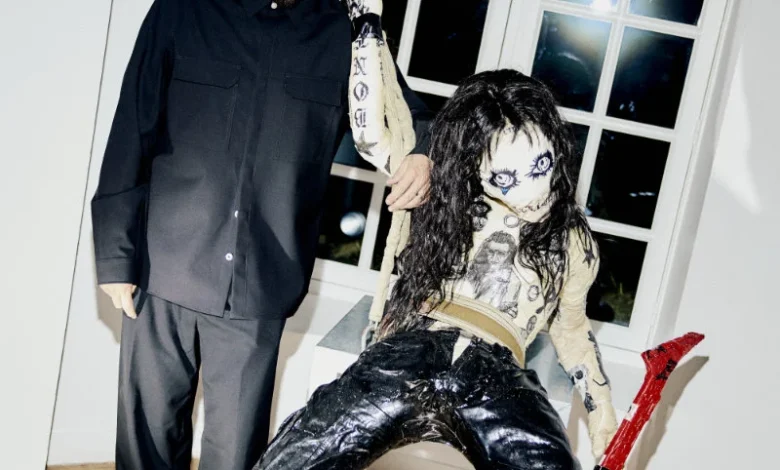
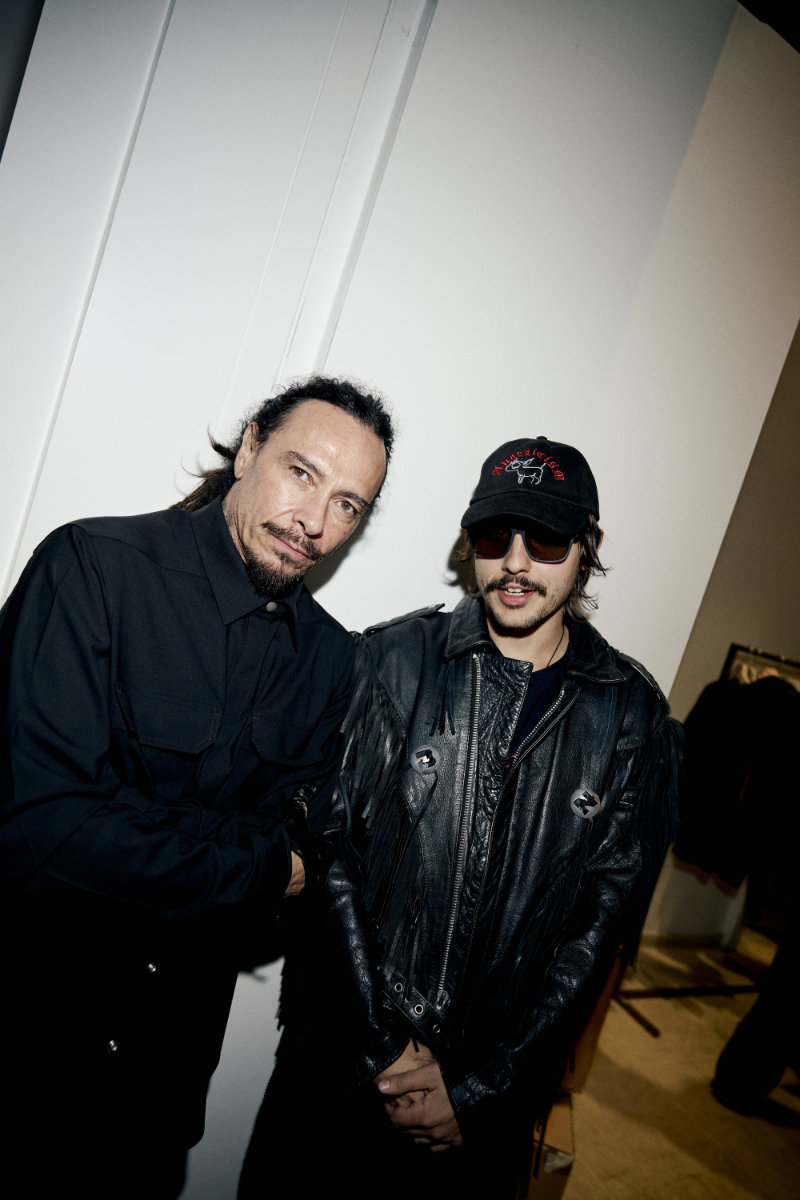
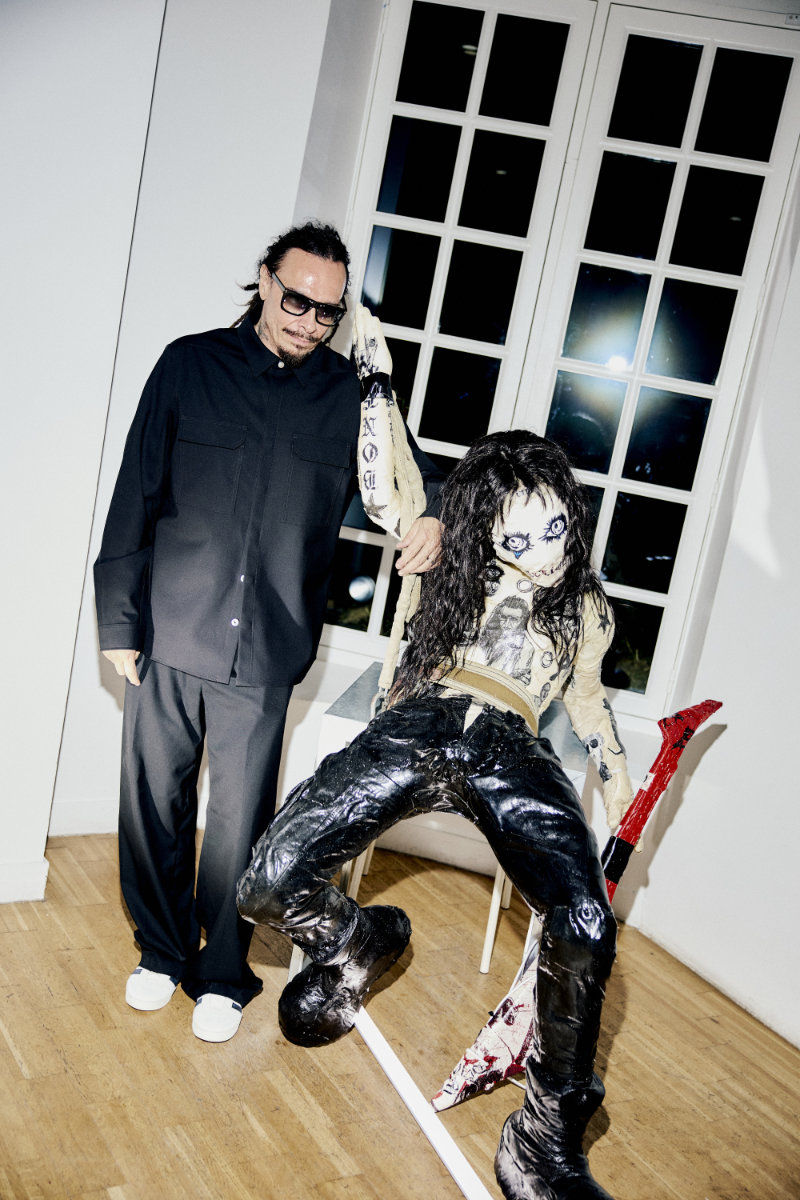
During the recent iteration of the REFERENCE FESTIVAL in Paris, a convergence of heavy metal iconography and contemporary underground art took center stage at Dover Street Market. The event featured Ukrainian-born multidisciplinary artist Kolya Nemoi, whose recent work—characterized by visceral, graphic intensity—has begun to bridge the gap between niche musical subcultures and the high-fashion retail environment. The festival served as a platform for a collaboration between Nemoi and James "Munky" Shaffer, the guitarist of the influential nu-metal band KoЯn. This partnership, which also includes contributions from Norwegian artist Bjarne Melgaard, represents a growing trend in the fashion industry: the integration of raw, DIY-inspired artistic practice into high-end retail spaces.
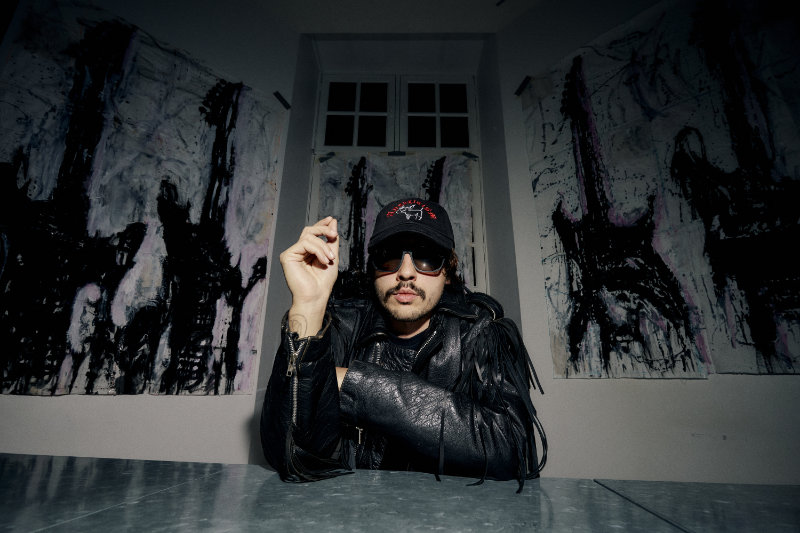
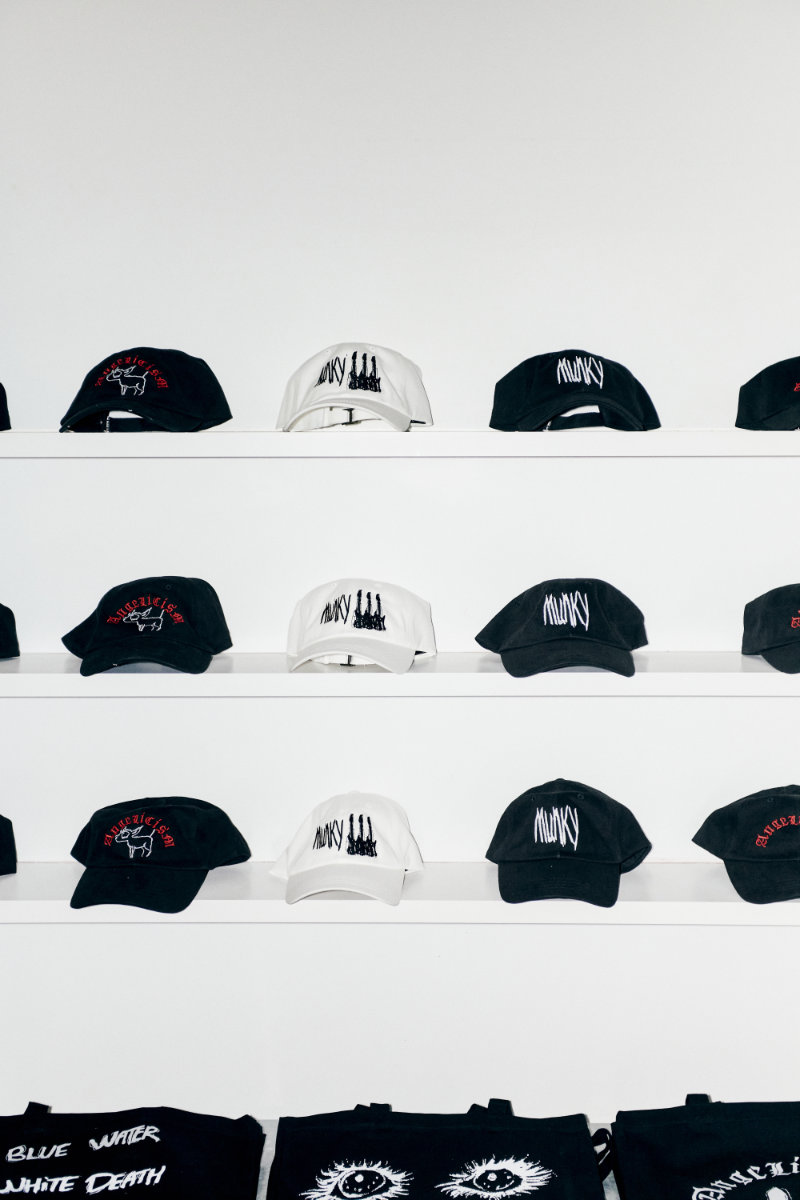
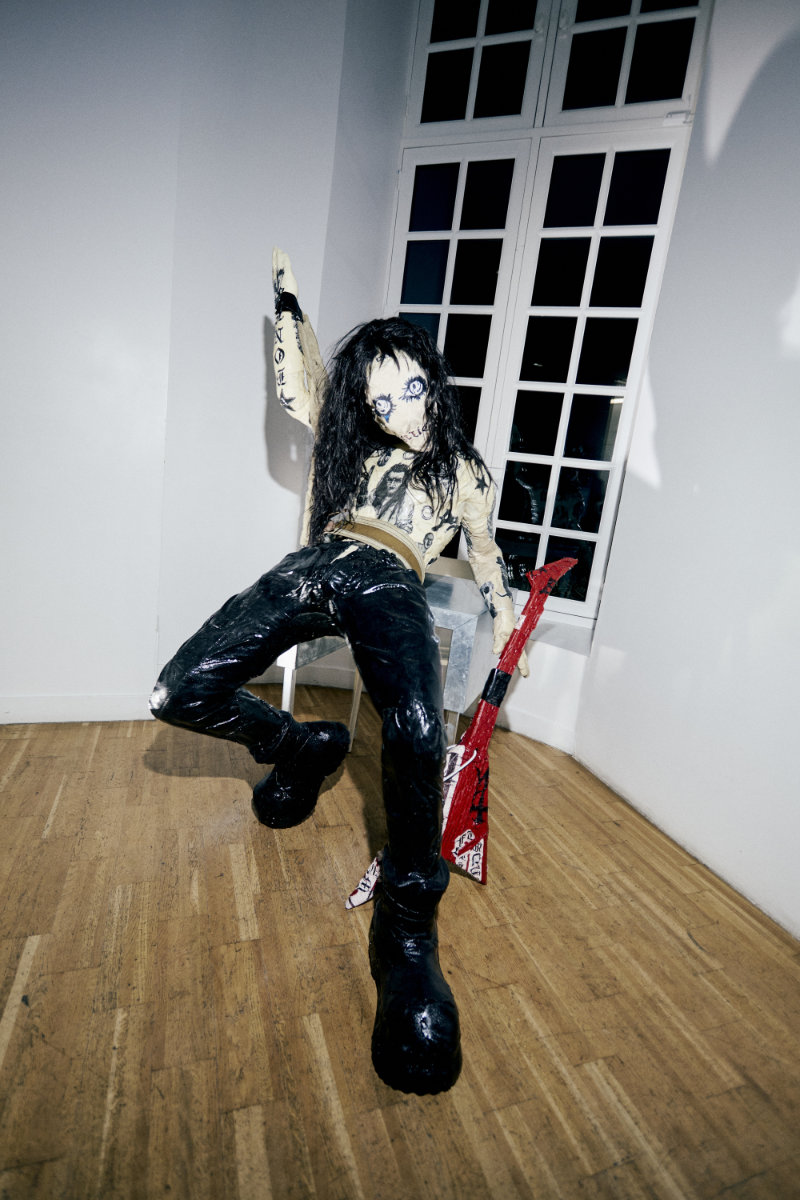
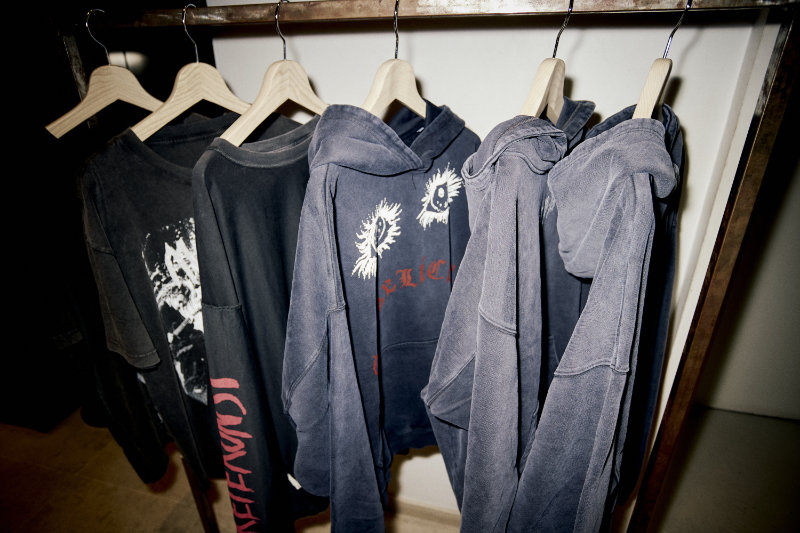
The event, which included a merchandise signing and an installation of Nemoi’s sculptures, highlighted the increasingly porous nature of artistic disciplines. As the art world faces questions regarding its accessibility and rigid institutional structures, figures like Nemoi are utilizing unconventional mediums—such as band merchandise and tattoo art—to bypass traditional gatekeepers.
The Genesis of a Hybrid Aesthetic
Kolya Nemoi’s artistic development is rooted in a nomadic and eclectic background. Growing up in Ukraine, his early exposure to aesthetic structures was heavily influenced by his mother’s work in a high-end fashion boutique. Nemoi recalls this environment not merely as a commercial space, but as a formative landscape of "mirrors and empty spaces," where the process of organizing clothing served as his first encounter with design and material layering.
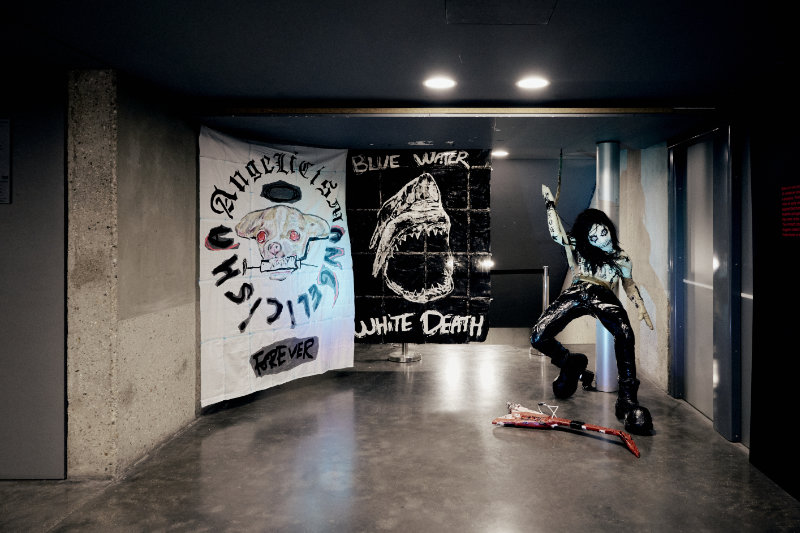
This background has informed his current practice, which fluidly moves between painting, drawing, sculpture, and textile work. Nemoi’s approach is notably characterized by a rejection of the static, white-cube gallery model. His work often manifests as portable, foldable, or wearable, a design choice he attributes to a pragmatic, almost survivalist mindset influenced by the realities of conflict and displacement. "The war has left its mark on me in this way: I feel that at any moment, I might have to move somewhere else, so everything needs to be mobile," Nemoi stated during the event.
Chronology of a Collaboration: From Studio to Storefront
The collaboration with Munky of KoЯn was not a result of conventional agency representation but rather an organic process of digital and personal networking. The sequence of events leading to the Dover Street Market showcase began with a casual exchange between the artist and Mumi Haiati of Reference Studios. Upon viewing Nemoi’s sculpture—a broken guitar piece adorned with metalhead-inspired figures—Haiati facilitated an introduction to Shaffer.
According to those familiar with the project, the synergy was immediate. The shared aesthetic language of the metal community and Nemoi’s darker, subterranean imagery created a seamless integration. By mid-2024, the partnership had expanded beyond individual commissions to include broader collaborative projects with bands such as Show Me The Body and HO99O9. This shift demonstrates a broader shift in the music industry, where high-level artists are increasingly seeking out visual collaborators who possess an authentic connection to the underground scenes they inhabit.
The Institutional Critique of the Art World
A central theme in the discourse surrounding the REFERENCE FESTIVAL was the perceived elitism of the contemporary art world. For many young artists, traditional institutions are increasingly viewed as stagnant or exclusionary. Nemoi’s perspective reflects a common frustration among his cohort: the contradiction between an industry that prides itself on "freedom" and the restrictive, often exclusionary nature of gallery hierarchies.
Data regarding the demographics of the contemporary art market suggests that barriers to entry remain significant. According to reports from the Art Basel and UBS Art Market Report, the primary segments of the art world remain dominated by established, high-net-worth collectors and institutional curators, often leaving emerging, cross-disciplinary artists to cultivate their own audiences through social media and alternative retail spaces. By utilizing merchandise as a canvas, Nemoi bypasses these traditional structures, treating the garment as a "dialogue with its surroundings" rather than a static object for passive observation.
Music as a Visual Catalyst
The influence of music on visual art is a well-documented phenomenon, but for Nemoi, the connection is structural rather than purely thematic. Having served as a vocalist in a punk band and an MC in the nightclub circuit, Nemoi’s visual work is, in his own words, "mute." He views his drawings and paintings as an extension of the silence that followed his three-year hiatus from musical engagement.
His visual vocabulary is deeply indebted to specific subcultural sounds: the Dirty South and Memphis rap scenes provided a rhythmic foundation, while the electronic and dark EBM sounds of Kyiv’s underground scene shaped the atmospheric quality of his work. The influence of Death Grips, discovered during his teenage skateboarding years, further solidified his interest in the intersections of aggressive, chaotic sound and visual art. This synthesis is clearly present in his current series, which often explores themes of isolation, loss, and the "unexpectedness" of the subconscious.
Broader Implications for Underground Culture
The presence of artists like Nemoi at major events like the REFERENCE FESTIVAL suggests a shift in how we define "contemporary art." When a sculpture is presented alongside band merchandise at a venue like Dover Street Market, the traditional hierarchy of high art versus commercial product is challenged.
This integration has broader implications for how brands and cultural institutions approach youth culture. As noted by cultural analysts, the commercialization of underground aesthetics—often referred to as "the commodification of rebellion"—can be a double-edged sword. While it provides artists with essential financial resources and global platforms, it also risks stripping the work of its original, subversive context. However, for artists like Nemoi, the focus remains on the utility of the art. By creating work that is portable, wearable, and accessible, he ensures that his "universe" is not confined to the sterile environment of a gallery, but rather exists in the streets, in the clubs, and on the backs of his audience.
Future Trajectories: The Nomadic Artist
Looking ahead, Nemoi is moving away from the solitary, isolated figures that defined his earlier portfolios. He is currently experimenting with multi-figure compositions and the depiction of light and fire, techniques he describes as a challenge to his own technical limitations. His move to Lausanne, Switzerland, has further cemented his status as an "outsider," an identity he embraces as a catalyst for creative growth.
Despite recent setbacks with gallery curators—including a failed exhibition project in Zurich—Nemoi remains focused on maintaining his creative autonomy. His approach highlights an evolving model of the 21st-century artist: one who is a producer, a collaborator, and a nomad. By refusing to wait for the validation of the institutional "white cube," and instead finding value in the visceral, immediate connection offered by merchandise, tattooing, and underground music, Nemoi exemplifies a generation that is redefining the boundaries of artistic success.
As the industry continues to grapple with the democratization of art, the success of the KoЯn-Nemoi collaboration serves as a case study for future partnerships. It proves that when the visual language of an artist aligns with the ethos of a musical movement, the result is not merely a product, but a cultural signifier—a "leather jacket of artistic expression" that continues to accumulate layers of meaning long after the festival lights have dimmed.