The Modern Gentleman’s Guide to Elevating Winter Style Without Breaking the Bank

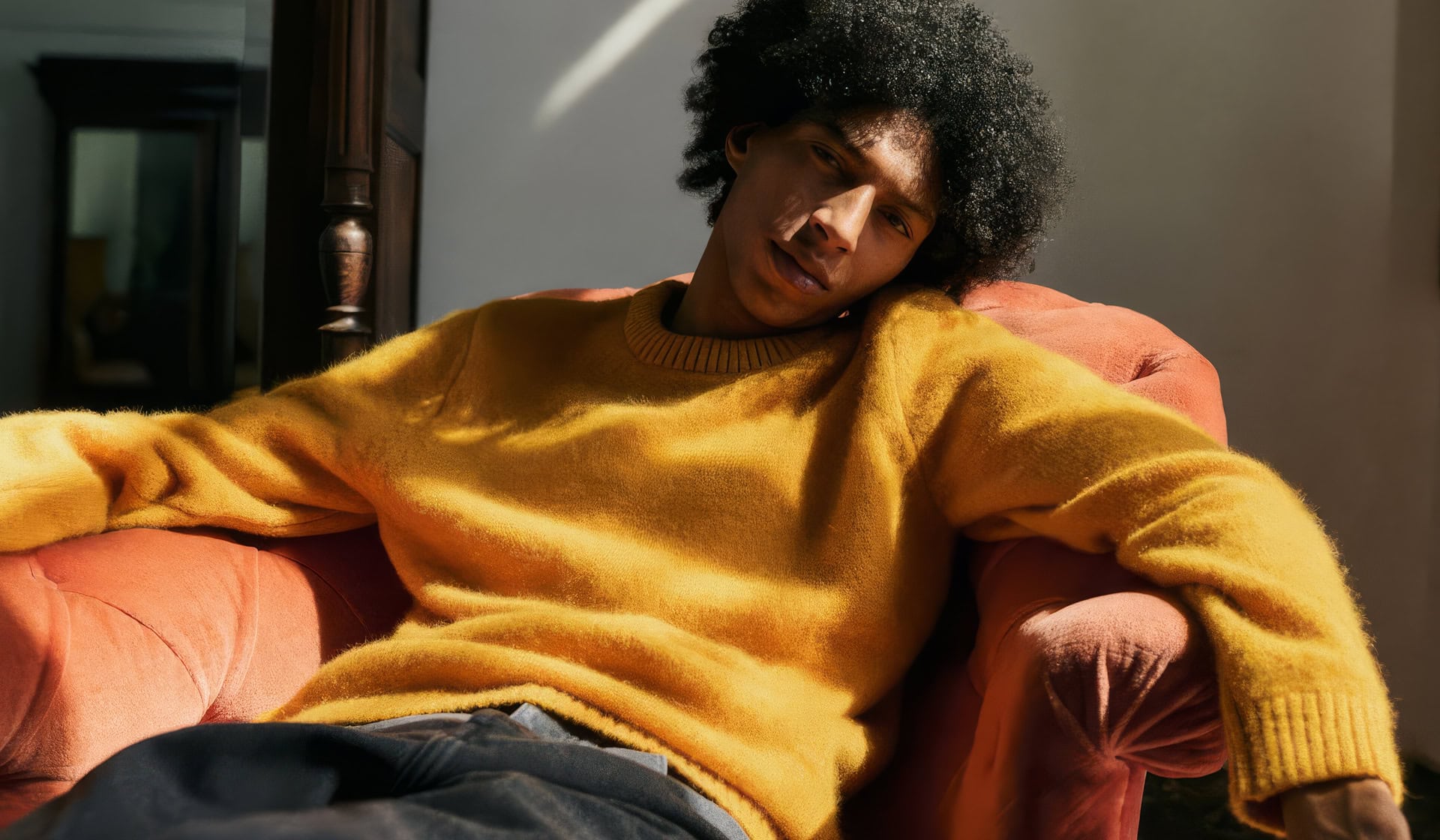
When winter temperatures drop, menswear undergoes an inevitable seasonal shift. The return of full-length trousers, heavy boots, and multi-layered outerwear marks a welcome departure from summer minimalism. However, this sartorial reawakening frequently triggers an impulse to overhaul an entire wardrobe, driving consumers toward excessive online shopping sprees and costly stylistic resets. Industry analysts note that retail spending on cold-weather apparel spikes significantly in the final quarter of the year, often driven by the psychological desire for reinvention rather than genuine necessity. Yet, fashion consultants and image experts emphasize that achieving a sophisticated winter aesthetic does not require depleting one’s financial reserves. Instead, a series of strategic, high-impact micro-upgrades can yield substantial visual improvements without the need for a total wardrobe reconstruction. By focusing on foundational elements, subtle textural variations, and intelligent accessory integration, individuals can refresh their cold-weather presentation efficiently and economically.
Securing a Solid Foundation: The Strategic Importance of Base Layers
The methodology of intelligent winter dressing invariably begins beneath the surface. While base layers such as T-shirts are largely obscured during the coldest months when heavy coats and knitwear take center stage, their contribution to the overall outfit architecture remains critical. Menswear historians and stylists have long maintained that a winning ensemble relies entirely on its foundation. Despite being hidden from public view for the duration of a winter commute, a substandard base layer compromises the wearer’s underlying comfort and mental assurance.
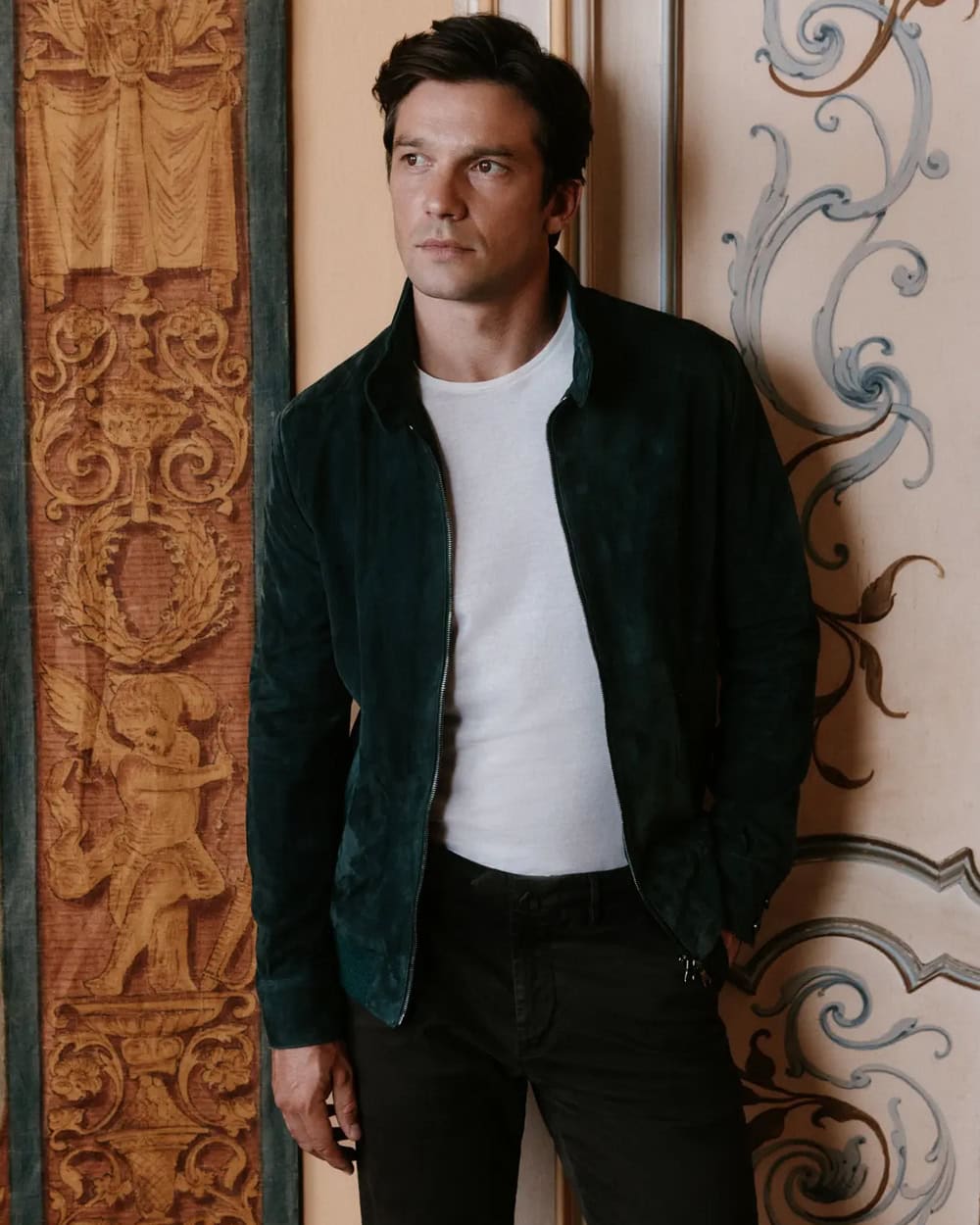
Standard cotton tees that have suffered from discoloration, stretching, or general degradation over successive seasons detract from the integrity of layered outfits. When stacking garments—such as pairing an open overshirt with a chunky knit—the base layer frequently becomes partially visible at the collar or hemline. Premium basics crafted from superior materials by heritage labels such as Sunspel, Armor Lux, and Merz b. Schwanen offer enhanced durability, superior breathability, and a refined drape. Investing in high-grade foundational pieces ensures that when garments shift during daily movement, the exposed elements reflect a commitment to quality. Furthermore, studies in consumer psychology indicate that wearing well-crafted foundational garments positively influences personal posture and confidence, proving that luxury in menswear often begins where the eye cannot immediately see.
Olfactory Adaptation: Transitioning to Winter-Appropriate Fragrances
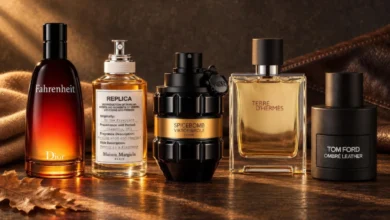
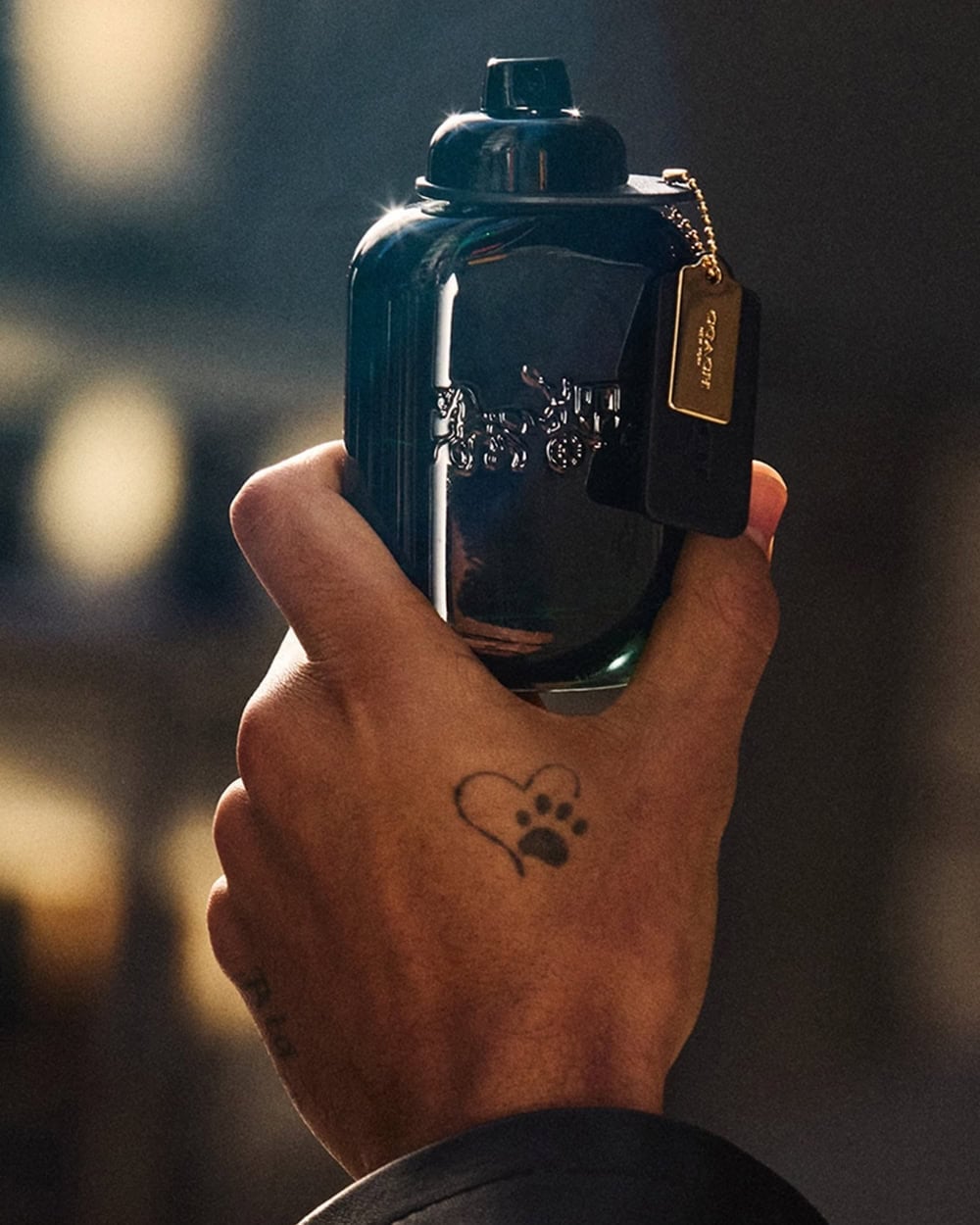
Just as heavy woolens replace lightweight linens in the wardrobe, the olfactory profile must adapt to the atmospheric shifts of the winter season. Fragrance experts and perfumers explain that cold ambient temperatures radically alter how scent molecules behave in the air. Fresh, citrus-forward compositions that perform admirably in the warmth of summer tend to fracture and evaporate rapidly in freezing conditions, losing their sillage and projection within minutes of outdoor exposure.
To maintain a consistent personal scent profile throughout the winter months, fragrance wearers must pivot toward denser, more assertive formulations. Winter scent architecture relies heavily on rich, grounding notes such as leather, dark woods, smoke, amber, and oud. These heavier molecular structures possess the density required to cling effectively to heavy winter fabrics like wool, tweed, and cashmere, allowing the fragrance to endure despite sub-zero winds. Consumers navigating this seasonal transition often utilize specialized digital archives and databases, such as Fragrantica, to research individual notes, accords, and seasonal suitability before purchasing. Selecting a fragrance with proper winter longevity ensures a subtle yet enduring presence that complements the gravitas of cold-weather attire.
Elevating Cold-Weather Protection Through Cashmere Accessories
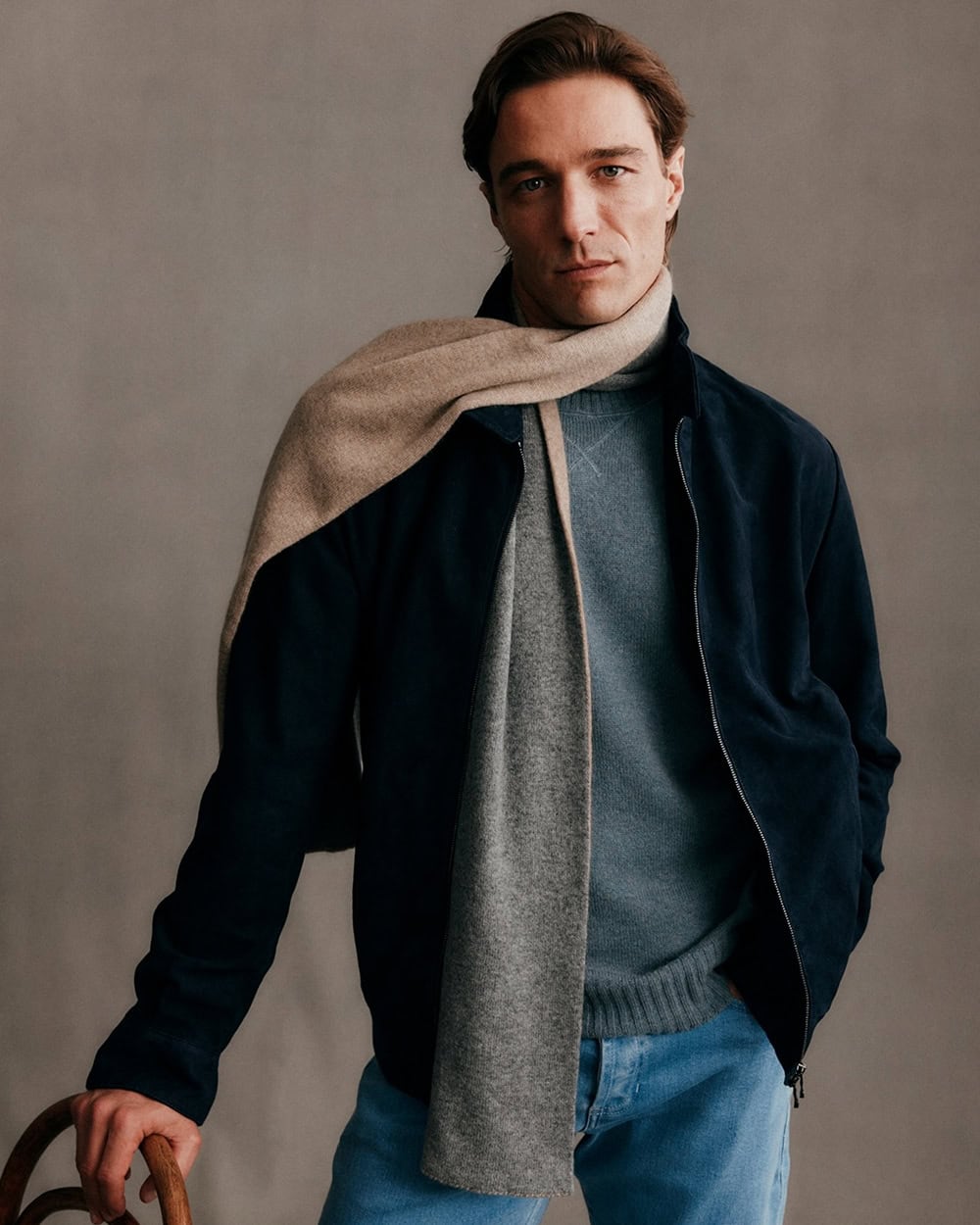
Accessories are frequently treated as utilitarian afterthoughts, yet items such as scarves, beanies, and gloves represent some of the most cost-effective leverage points in a gentleman’s winter wardrobe. Rather than opting for the most economical synthetic or scratchy lambswool alternatives, style authorities advocate for strategic upgrades to cashmere.
From an economic and stylistic perspective, a premium cashmere accessory delivers a disproportionately high return on investment. Because items like scarves and gloves are worn with near-daily frequency throughout the winter season, their visual and tactile impact is immediately noticeable to observers. While the initial financial outlay for cashmere exceeds that of mass-market wool blends, the longevity, superior thermal regulation, and luxurious hand-feel justify the expenditure. This single modification allows an individual to elevate the sophistication of an existing coat or jacket instantly, transforming a standard winter uniform into a polished, high-end presentation without purchasing new outerwear.
Precision Engineering: Perfecting the Trouser Break and Tailoring
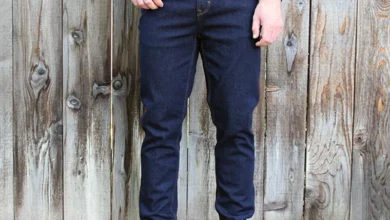
The interface between footwear and trouser hems is one of the most critical yet frequently neglected aspects of menswear proportion. Tailoring experts stress that the visual line of an outfit can be severely disrupted by incorrect trouser length, which either pools excessively over the shoe or leaves an excessive expanse of ankle exposed to the elements.
Achieving the ideal trouser break—whether a clean, slight kiss against the shoe or a precise, traditional break—requires careful calibration based on the width of the trouser leg and the profile of the footwear. For individuals uncertain of their precise measurements, local alterations services offer an inexpensive yet transformative solution. Hemming a rotation of winter trousers to fit specific boots or derbies creates an intentional, cohesive silhouette. This minor procedural adjustment eliminates sloppy fabric accumulation and presents a sharp, tailored aesthetic that signals careful attention to detail.
Optimizing Footwear Through Laces and Textural Contrast
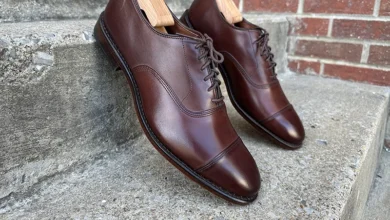
Footwear forms the literal and figurative anchor of any winter ensemble, yet many men limit their styling options to factory-default configurations. Industry insiders note that swapping standard shoe laces is an inexpensive method—often costing less than a single beverage—to radically alter the character of established footwear.
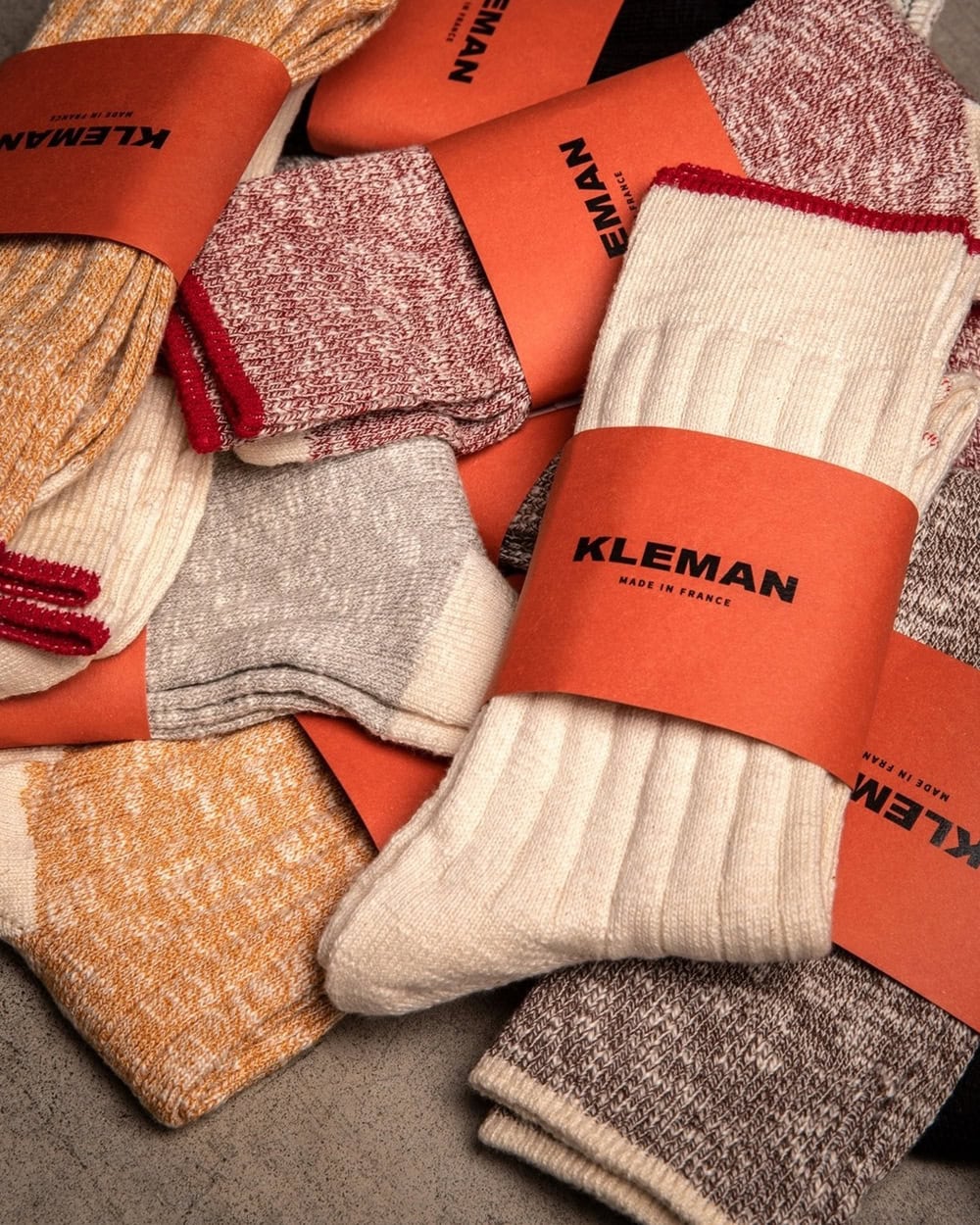
Standard flat cotton laces on leather boots can be replaced with thick, rounded hiking laces to project a rugged, utilitarian outdoors aesthetic. Conversely, switching to waxed cotton laces can elevate the formality of a standard Derby shoe, adding visual depth and refinement. This practice extends the lifecycle of existing footwear by offering a fresh aesthetic without requiring a new purchase. Additionally, pairing these shoes with upgraded, textured winter socks—such as chunky ribbed wool in oatmeal, charcoal, or burgundy—introduces sophisticated contrast when the trouser hem shifts during movement, all while providing essential thermal insulation against freezing ground temperatures.
Strategic Integration of Eyewear and Unexpected Color Accents
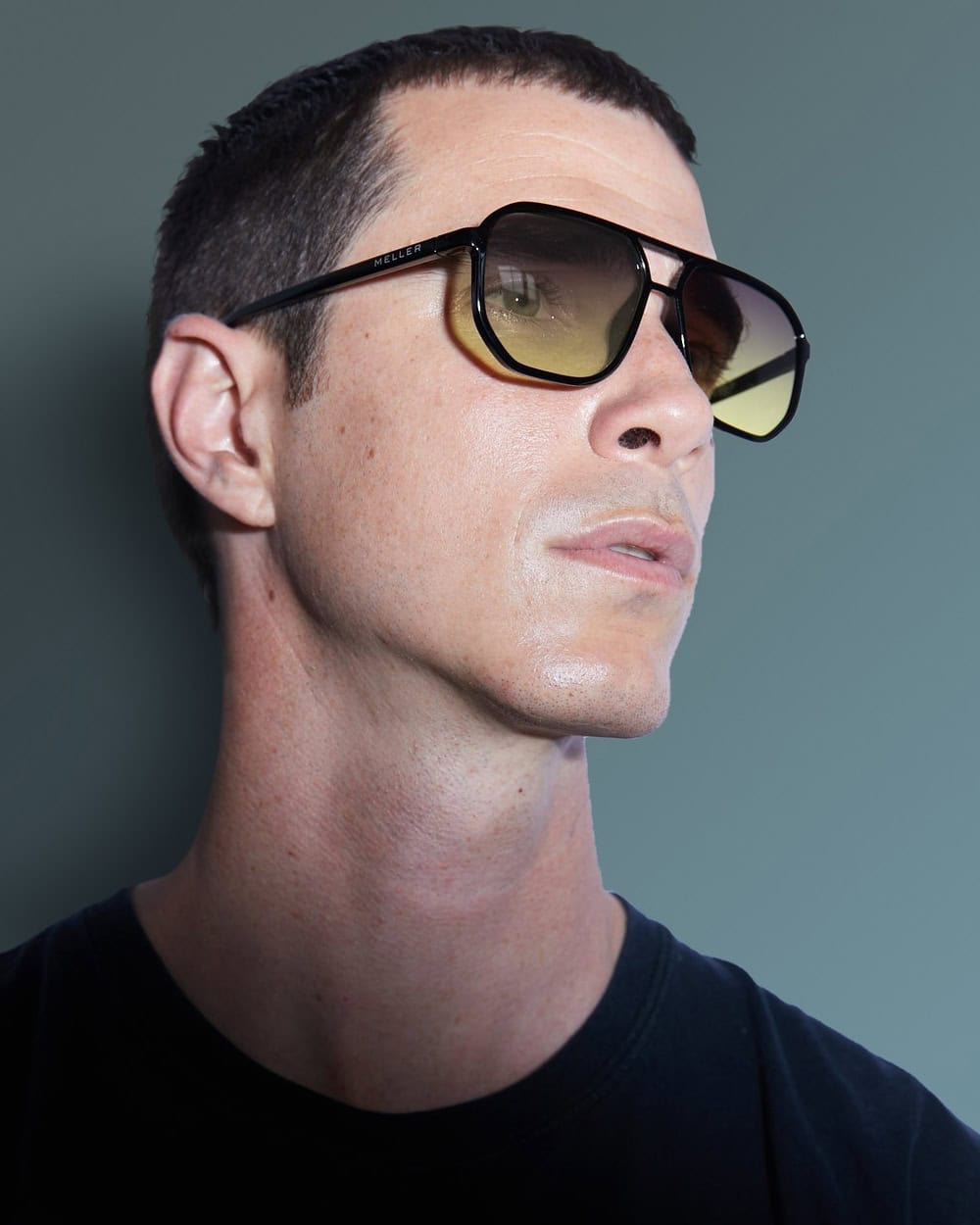
Eyewear remains a permanent fixture of daytime presentation regardless of the season. Style consultants advise against selecting sunglasses based purely on short-lived micro-trends, emphasizing instead that frames must harmonize with facial geometry and overall personal style. A pair of utilitarian wraparounds that suits technical sportswear will inevitably clash with traditional tailoring, just as delicate wire frames look misplaced alongside heavy winter outerwear. Finding a signature frame shape that complements one’s facial structure ensures that sunglasses act as a defining stylistic anchor rather than an afterthought.
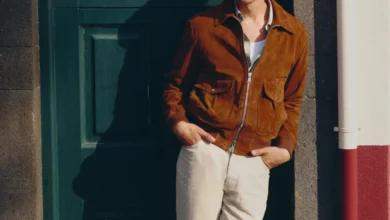
Furthermore, winter wardrobes are notoriously susceptible to monotony, frequently collapsing into a predictable palette of navy, grey, brown, and black. While these neutral tones provide a reliable foundation, over-reliance on them creates visual fatigue in urban environments. Introducing unexpected splashes of color through micro-accessories—such as a vibrant pocket square, a rich burgundy beanie, or a bold statement scarf—injects personality and warmth into an outfit. By restricting these chromatic interventions to one or two controlled focal points, the wearer achieves a sophisticated, intentional look that defies seasonal drabness without sacrificing professional composure.