The Renaissance of Human Connection: Why Direct-to-Consumer Brands Are Bringing Back Customer Service Phone Lines to Combat AI Fatigue


In an era dominated by hyper-automation, algorithmic efficiency, and digital-first operations, a quiet counter-revolution is unfolding across the direct-to-consumer (DTC) retail landscape. Companies that once championed automated chat functions and AI-driven ticketing systems are deliberately reversing course, opting instead for a deeply analog approach to client retention: the human-staffed telephone line.
While virtually every major global retailer continues to integrate artificial intelligence into their customer support ecosystems—handling millions of routine inquiries regarding shipping updates, product recommendations, and automated returns—a growing cohort of modern brands is betting its bottom line on the novelty and reassurance of real human voices. Far from a step backward in technological evolution, this pivot represents a sophisticated calculation by modern executives who recognize that in a marketplace saturated by frictionless, yet impersonal, digital interfaces, genuine human empathy has become the ultimate luxury differentiator.
The Shift From Algorithmic Deflection to Direct Dialogue
For the past decade, the trajectory of e-commerce customer service has been defined by cost-cutting measures and scalability pursuits. Faced with rising inflation, unpredictable supply chain disruptions, and escalating operational overhead—including tariff pressures—many consumer brands turned to artificial intelligence as a necessary shield. Chatbots were deployed to intercept customer grievances at the gate, deflecting high volumes of inquiries and replacing human representatives with conversational interfaces designed to operate 24 hours a day, 7 days a week.
However, this widespread adoption has generated a significant consumer backlash. Modern shoppers increasingly find themselves trapped in endless digital loops, desperately typing permutations of the word "agent" into chat windows just to reach a breathing human being. This friction has fundamentally altered consumer expectations, transforming basic customer service into a primary battleground for brand loyalty.
Recent empirical data underscores the depth of this consumer frustration. A comprehensive study conducted by SurveyMonkey revealed that a staggering 79% of American consumers strongly prefer interacting with a human representative over an AI agent when seeking resolution to problems. Furthermore, 41% of surveyed respondents reported that their overall customer service experiences have noticeably deteriorated as a direct consequence of corporate AI adoption. Industry research firm Gartner has even projected a forthcoming surge in assisted-volume interactions, predicting that frustrated consumers will increasingly exercise their right to explicitly bypass and opt out of automated systems altogether.
Recognizing these shifting tides, forward-thinking DTC brands are treating the restoration of telephone lines not merely as a customer support upgrade, but as a core pillar of their overarching marketing and brand differentiation strategies.
Pioneering the Human Touch: Case Studies from Sproos, Made In, and Trade Coffee
The mechanics of this tactile revival are best observed in brands founded during the digital boom that are now deliberately carving out an analog niche. Sproos, a digitally native DTC showerhead brand specifically catering to urban renters, operated for years exclusively through traditional email channels and standard digital chat interfaces. Seeking to deepen its connection with a demographic often alienated by corporate red tape, the company introduced a dedicated, human-staffed telephone line operating from Sunday through Friday.
Despite launching the initiative quietly, Sproos—which entered the market in 2020—quickly found steady demand, fielding approximately 30 calls a day. Co-founder Benjamin Fix has taken a hands-on approach to the initiative, personally spending hours on the phone with customers. By positioning the brand away from automated AI robots, Sproos aims to converse with consumers on a peer-to-peer level, offering authentic motivation, technical guidance, and personalized troubleshooting.
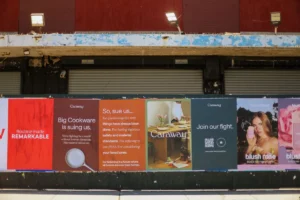
A similar philosophy governs Made In, a high-end cookware brand that has leveraged traditional communication channels to build profound emotional equity with home chefs. While Made In maintains standard technological infrastructure to handle high-volume operations at scale, the company actively operates a comprehensive phone line staffed by professionals with deep culinary backgrounds, including veteran line cooks and professional chefs.
The brand’s commitment to human support transcends standard audio phone calls. Made In representatives routinely transition interactions to video conferencing platforms like FaceTime and Zoom, walking customers step-by-step through complex culinary challenges such as seasoning carbon steel pans, maintaining cast iron surfaces, or troubleshooting heat distribution issues on specific stovetops. According to Lindsay Jackson, the brand’s chief marketing officer, artificial intelligence simply cannot bridge the knowledge gap required to diagnose a failed pan seasoning or provide the nuanced hospitality level service that home cooks crave.
Similarly, Trade Coffee, a subscription service curating specialty beans from dozens of independent roasters across the United States, has maintained an active human customer service line since its inception in 2018. Operating with a core team of approximately six phone agents—supplemented by additional seasonal contractors during the high-volume holiday gifting window—Trade Coffee’s support interactions routinely extend up to 30 minutes per call.
Crucially, Trade Coffee enforces a strict hiring prerequisite for its support personnel: every agent must be a former professional barista. This ensures that when a consumer calls with granular technical inquiries regarding grind sizes, extraction ratios, water temperatures, or espresso machine calibration, they receive expert, authoritative instruction. Jessica Crystal, Trade Coffee’s director of growth, notes that customer reviews frequently highlight specific support agents by name, attributing their long-term subscription loyalty directly to the emotional resonance established during these phone consultations.
The Historical Context: What’s Old Is New Again
The current resurgence of telephone-based customer service represents a textbook example of cyclical consumer trends—a phenomenon where historical norms are rediscovered and repurposed as modern innovations. For decades following the mass commercialization of telephony, direct phone access was the undisputed standard for corporate accountability and customer relations.
However, as e-commerce scaled globally in the late 2000s and 2010s, brands systematically dismantled their call centers to eliminate overhead costs, outsourcing support to offshore ticket-routing operations before ultimately replacing them with conversational bots. This systemic withdrawal created a void so pronounced that online communities, most notably Reddit threads, became populated by crowdsourced directories dedicated entirely to uncovering unlisted phone numbers for major corporations.
Lia Haberman, author of the prominent marketing Substack "ICYMI," highlights the strategic brilliance of reversing this trend. What was once viewed as an unavoidable operational expense has transformed into a powerful, unique selling proposition. In an economic environment where reaching a human being at a company feels nearly impossible, the sheer novelty of a functioning telephone line provides an unmistakable marker of quality, trustworthiness, and organizational maturity.
Strategic Advantages: Beyond Support to Market Intelligence
For the brands championing this human-centric shift, the benefits extend far beyond immediate customer satisfaction and retention. Direct phone conversations serve as an invaluable, unfiltered focus group, providing executives and marketing teams with rich qualitative data regarding consumer behavior, lifestyle habits, and product performance.
At Trade Coffee, insights gathered from phone inquiries are systematically channeled back to partner roasting operations, directly influencing product curation and shaping the brand’s digital marketing materials. When recurring questions emerge regarding specific brewing techniques, the company updates its public-facing content library to address those pain points proactively.
At Sproos, direct telephone interactions provide granular visibility into the complete consumer journey. Benjamin Fix notes that phone callers routinely share rich contextual narratives: detailing where they purchased their fixtures, explaining their interior design preferences, requesting expedited shipments for visiting houseguests, or describing how they discovered product accessories through physical instruction manuals included inside the product packaging. This qualitative storytelling offers marketing teams deep insight into how consumers actually live with products in the real world—data that automated chat logs and quantitative metric dashboards simply cannot replicate.
The Broader Economic Implications and Future Outlook
The pivot back to human-staffed communication channels highlights a broader ideological split within the direct-to-consumer and retail sectors. As artificial intelligence tools become cheaper and more sophisticated, companies face a strategic crossroads. They can choose to double down on algorithmic efficiency, accepting higher customer churn in exchange for lower operational costs, or they can invest in human infrastructure as a defensive moat against brand commoditization.
Industry analysts suggest that as the initial novelty of generative AI wears off, consumer fatigue will only accelerate. Brands that successfully balance technological scale with authentic human touch points are uniquely positioned to capture the loyalty of discerning shoppers who value emotional connection and accountability over instantaneous, automated deflection.
Ultimately, the reinvigoration of the customer service phone line serves as a powerful reminder of a foundational commercial truth: behind every digital transaction, subscription model, and e-commerce cart is a human being seeking reassurance, expertise, and respect. By answering the call, modern brands are proving that the most advanced technology a company can deploy is still, and may always be, a compassionate human voice.