The Ultimate Guide to Ethical and Sustainable Thermals for UK Winters Amid Rising Energy Costs

As UK households face persistent volatility in energy prices and the ongoing pressure of the cost-of-living crisis, consumer habits are shifting rapidly toward energy conservation. Recent data from energy regulators and consumer advocacy groups highlights that domestic heating accounts for the vast majority of an average household’s energy consumption. In response to fluctuating utility caps and colder seasonal temperatures, modern consumers are increasingly adopting historic energy-saving strategies, chief among them being passive thermal layering. Rather than turning up thermostats—a costly and carbon-intensive practice—homeowners, remote workers, and outdoor enthusiasts alike are investing in high-performance, sustainable base layers.
This behavioral pivot has created a thriving market for ethical and sustainable thermals across the United Kingdom. Modern base layers have evolved far beyond the bulky, synthetic mountaineering gear of the past. Today’s market offers sophisticated garments crafted from organic, traceable, and biodegradable materials designed to regulate body temperature efficiently while minimizing environmental impact. Whether for navigating unheated home offices or embarking on alpine excursions, consumers now demand transparency, fair labor practices, and circular product lifecycles from apparel brands.

The Economic and Environmental Impetus for Thermal Layering
The resurgence of thermals is deeply tied to broader macroeconomic trends. Over recent years, European energy markets have experienced severe disruptions, causing wholesale gas and electricity prices to surge. According to market analysts and regulatory bodies such as Ofgem, price cap adjustments continue to place a heavy financial burden on domestic consumers, particularly during the autumn and winter quarters. Consequently, households are actively seeking low-tech, high-efficiency interventions to reduce energy consumption at the source.
From an environmental perspective, reducing domestic heating demand directly lowers carbon emissions associated with fossil fuel combustion. However, the textile industry itself carries a significant ecological footprint. Traditional thermal wear frequently relies on synthetic fibers like polyester and nylon, which shed microplastics into aquatic ecosystems during washing and depend on petrochemical extraction. Furthermore, conventional wool production can involve controversial practices such as mulesing and a lack of transparency regarding animal welfare and farmworker compensation.
In response, ethical UK and European brands have restructured their supply chains to prioritize organic agriculture, mulesing-free merino wool, closed-loop bamboo processing, and recycled synthetics. These materials offer superior thermal regulation—trapping body heat while remaining breathable and moisture-wicking—without compromising ecological integrity.

Leading Sustainable Thermal Brands Available in the UK
A comprehensive evaluation of the current sustainable apparel market reveals several standout brands catering to men, women, and children. These companies distinguish themselves through rigorous environmental certifications, ethical manufacturing standards, and innovative repair or take-back programs designed to extend product lifecycles.
BAM (Bamboo Clothing)
For consumers seeking high-performance, vegan-friendly alternatives to animal fibers, BAM has established itself as a market leader. Specializing in bamboo-based activewear and base layers, the brand offers a comprehensive range of garments including long-sleeve tops, short-sleeve shirts, zip-necks, and long johns suitable for both men and women.
Bamboo is lauded for its rapid growth rate and minimal water requirements compared to conventional cotton. However, environmental watchdogs often scrutinize the chemical processing required to convert bamboo into soft textiles. BAM addresses this concern by partnering exclusively with producers that utilize closed-loop, responsible chemistry and advanced wastewater treatment practices. Additionally, the brand mandates strict labor standards across its supply chain, ensuring that workers are paid above the national minimum wage and provided with safe working conditions. The resulting bamboo jersey and organic cotton blend yields a sweat-wicking, breathable fabric engineered to prevent overheating during physical exertion while offering chafe-free comfort via flatlock stitching.

Findra
Hailing from Scotland, Findra represents the intersection of outdoor performance wear and circular design principles. The brand focuses heavily on natural and recycled fabrics, utilizing mulesing-free merino wool to manufacture an extensive catalog of thermals ranging from torso base layers to undergarments.
Findra’s operational model emphasizes local manufacturing, with over half of its collection produced within the UK—specifically across Scotland and England. For items outsourced internationally, the company enforces strict auditing to ensure partner facilities meet high standards for environmental compliance and fair labor practices. Furthermore, Findra combats the linear "take-make-dispose" model of fast fashion by offering a dedicated garment repair service, allowing customers to mend damaged items and significantly extend their usability.
Dilling
Operating with a high degree of supply chain vertical integration, Danish brand Dilling offers an extensive collection of 100% organic merino wool base layers for adults and children, including vests, long- and short-sleeve tops, shorts, and long johns.
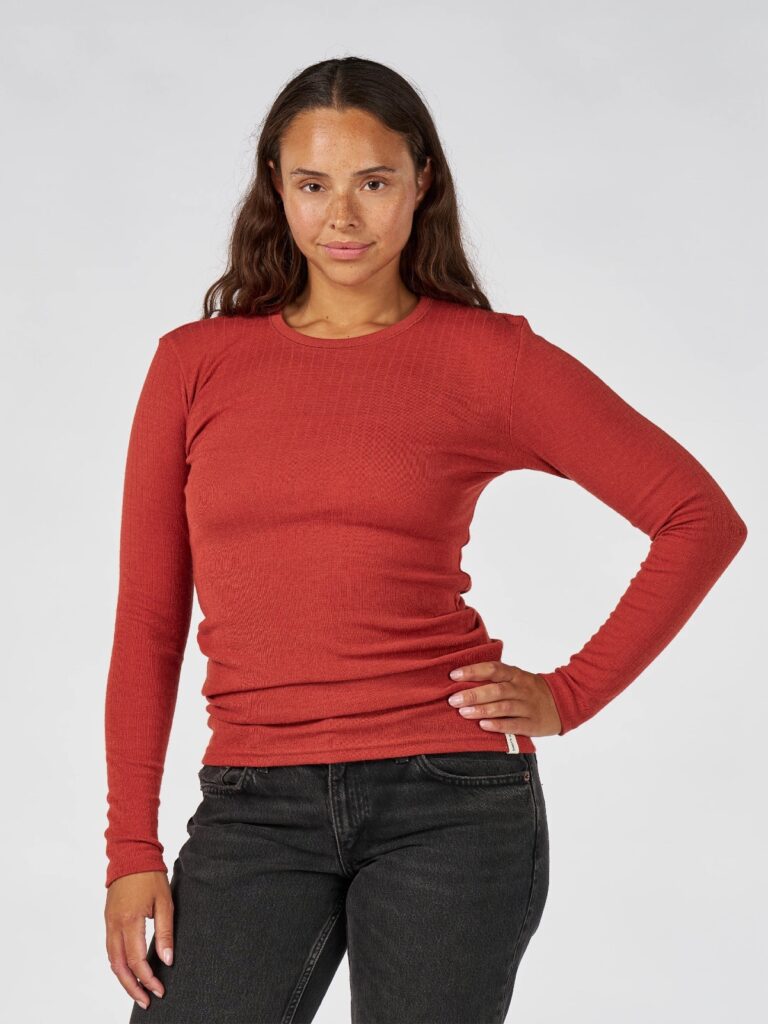
Dilling’s commitment to environmental stewardship is underscored by its widespread adoption of the Nordic Swan Ecolabel, an independent certification that evaluates products against stringent criteria concerning chemical use, resource efficiency, and overall durability. Notably, Dilling owns and operates its own dye house and manufacturing facilities. This vertical integration grants the company direct oversight of labor conditions and chemical applications, ensuring that heavy metals are avoided during the wool-dyeing process. To promote garment longevity, Dilling supplies specialized repair patches and educational resources, empowering consumers to repair minor wear and tear rather than discarding the garment.
Finisterre
As a certified B Corporation headquartered in the UK, Finisterre places social and environmental governance at the core of its business model. Specializing in cold-weather apparel for outdoor and marine environments, the brand offers a robust selection of merino wool thermals, including long johns, boxers, and roll-necks for men and women.
Finisterre’s wool is sourced exclusively from traceable, non-mulesed sheep farms, aligning with strict animal welfare guidelines. Since its founding in 2003, the company has systematically eliminated plastic packaging and optimized its supply chain for circularity. Finisterre operates an established repair initiative alongside a comprehensive take-back scheme, ensuring that garments reaching the end of their functional lifespan are systematically recycled or upcycled rather than entering the waste stream.

Polarn O. Pyret
Addressing the children’s apparel market, Swedish brand Polarn O. Pyret has built a long-standing reputation for durability and sustainable sourcing. Catering to infants and children up to age twelve, the brand utilizes responsibly sourced wool and recycled synthetic fibers to produce heavy-duty thermal layers.
Understanding that children rapidly outgrow clothing, Polarn O. Pyret designs its garments with longevity in mind, frequently noting that individual items are durable enough to be passed down through multiple siblings. To reinforce this circular ethos, the brand operates a formalized buy-back and resale scheme, facilitating the transfer of outgrown garments to new owners while incentivizing participating families with online vouchers.
Joha
With a heritage spanning over half a century, Scandinavian brand Joha—widely available in the UK through specialized outdoor retailers—focuses exclusively on thermal apparel manufacturing. Utilizing strictly certified organic cotton and mulesing-free merino wool, Joha eschews synthetic fibers entirely in its production lines.

Joha’s entire product catalog holds Oeko-Tex Standard 100 certification, verifying that every component of the garment, down to the stitching thread, has been laboratory-tested for harmful substances. Coupled with independent Scandinavian certifications verifying ethical wool sourcing, Joha provides a high degree of product safety and environmental assurance for families and individuals seeking natural insulation.
Broader Implications and Industry Outlook
The expansion of the ethical thermal market signals a permanent shift in consumer purchasing psychology. As climate change accelerates weather volatility and geopolitical pressures continue to impact global energy supplies, the demand for passive personal climate control is projected to grow.
Industry analysts suggest that the standard set by pioneering sustainable brands will increasingly become a baseline expectation for the broader textile sector. Consumers are no longer willing to compromise on ethics for the sake of utility; transparency in material sourcing, fair wages throughout the supply chain, and post-purchase repair infrastructure are rapidly transitioning from niche selling points to fundamental market requirements. By investing in durable, responsibly produced base layers, UK consumers are not only mitigating personal heating expenditures but are also actively participating in a necessary transition toward a more resilient and sustainable circular economy.