The Ultimate Guide to Sustainable and Ethical Plus-Size Clothing Brands in the UK


The landscape of sustainable fashion has undergone significant evolution over the past decade, yet a profound inclusivity gap has historically persisted regarding body size representation. While the average woman in the United Kingdom wears a size 16, the British ethical clothing market was, for many years, severely lacking in extended sizing options. When sustainability advocates first began investigating the availability of ethically manufactured plus-size apparel in 2013, the search yielded virtually no UK-based options, forcing consumers to look toward a handful of North American brands. This historical oversight underscored a broader systemic issue within the eco-friendly fashion movement: sustainability had largely catered to conventional, slender body types, alienating a vast demographic of consumers eager to align their wardrobes with their environmental values.

The Evolution of Inclusivity in British Sustainable Fashion
Throughout the 2010s, the fashion industry faced mounting pressure from consumer advocacy groups and body positivity movements to address its narrow sizing parameters. Historical data from organizations like the UK Fashion and Textile Association indicated that standard high-street sizing routinely ignored the demographic reality of the British population. Ethical fashion brands, often positioning themselves as an antidote to fast-fashion exploitation, paradoxically mirrored traditional retail exclusions by capping their size ranges at a UK 14 or 16.
By the early 2020s, however, consumer demand and a growing awareness of intersectional sustainability began to shift corporate attitudes. Slow-fashion enterprises recognized that true ethical integrity must encompass social justice, body diversity, and economic accessibility. Gradually, a cohort of British sustainable brands began introducing extended sizing, catering to curvy figures up to a UK size 32. Despite these positive developments, industry analysts note that representation in marketing materials frequently lags behind actual inventory availability, with plus-size models remaining underrepresented on digital storefronts.
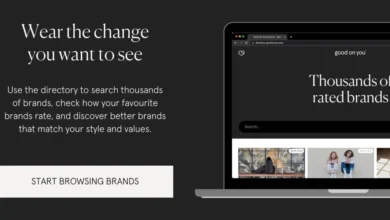
Curated Directory of UK Sustainable and Ethical Plus-Size Brands
Navigating the current market requires an understanding of both sizing parameters and pricing structures. To assist consumers, ethical fashion indexes typically categorize brands using a standard currency symbol scale, where a single pound sign (£) denotes items under £50, a double symbol (££) indicates a price range of £50 to £100, and a triple symbol (£££) represents luxury pieces exceeding £100. Several notable brands currently lead the UK market in combining ethical production with extended sizing.
Seasalt
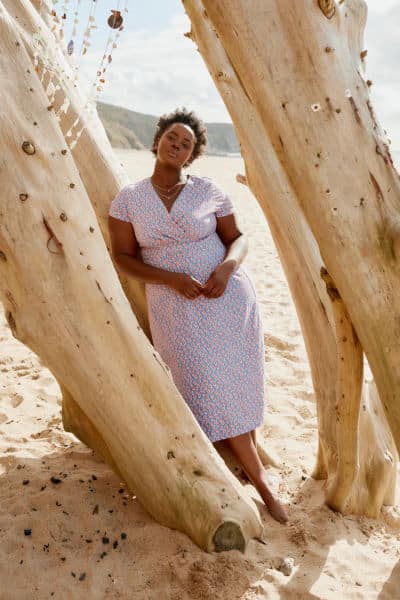
Operating at accessible high-street price points, Seasalt has established a reputation for producing durable, thoughtfully designed apparel that accommodates consumers up to a UK size 28. A pioneer in sustainable textiles, Seasalt became the first fashion company in the UK to achieve Soil Association Global Organic Textile Standard (GOTS) certification in 2005. The brand heavily utilizes GOTS-certified organic cotton and recycled fibres across its collections. While consumer advocates praise its commitment to lowering environmental impact while maintaining inclusive sizing, critics frequently point out the scarcity of plus-size models featured in its digital lookbooks, highlighting an area requiring future improvement.

The Spark Company
Specializing in slogan-driven, vegan-friendly apparel, The Spark Company offers an array of T-shirts, hoodies, sweatshirts, and jogging bottoms featuring progressive feminist and LGBTQ+ messaging. Every item is produced using organic cotton and is priced under £50, with T-shirts averaging £28 and heavier garments ranging up to £46. The brand maintains strict manufacturing protocols, guaranteeing the complete absence of sweatshops and child labour. Furthermore, its operational model incorporates zero-waste policies, vegan dyes, and biodegradable packaging. Demonstrating a commitment to social equity, every purchase triggers a financial donation to Bloody Good Period, a charity addressing menstrual poverty among displaced and marginalized populations.
Not Basics
Focusing on foundational wardrobe elements, Not Basics provides underwear, leggings, jumpers, tops, and trousers in sizes up to a UK 22. The brand adopts an innovative approach to textile waste by utilizing unsold deadstock fabrics sourced from external manufacturers, cotton mills, and other fashion houses to construct its underwear line. This circular practice prevents usable textiles from entering landfills. For its other apparel lines, the brand relies on breathably soft organic cotton cultivated without synthetic pesticides, ensuring both wearer comfort and reduced agricultural pollution.
The Nearly New Cashmere Co.
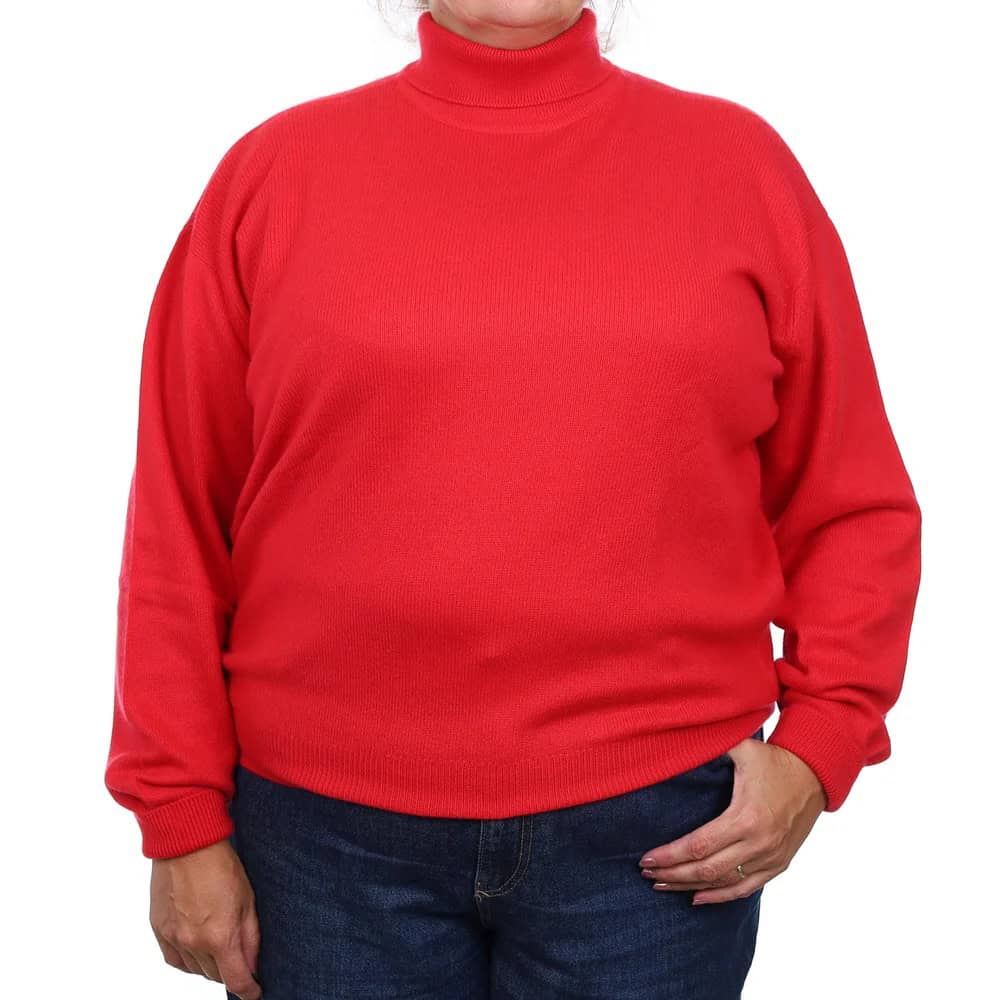
For consumers seeking sustainable luxury knitwear, this Yorkshire-based enterprise rescues, restores, and recirculates preloved 100% pure cashmere garments. Offering a curated selection of cardigans, polo necks, V-neck vests, and jumpers in sizes up to a UK 26, the company extends the lifecycle of high-grade natural fibres. Additionally, it operates an affordable repair service designed to maintain garment longevity, thereby reducing the systemic resource consumption associated with primary cashmere production.
Lucy & Yak
Renowned for its vibrant aesthetic and robust ethical framework, Lucy & Yak offers dungarees, jumpsuits, and trousers catering to individuals up to a UK size 32. The brand prioritizes environmentally responsible materials, incorporating organic cotton, recycled polyester, and low-impact dyes into its design cycles. All garments are manufactured in independently audited factories that maintain rigorous standards regarding fair wages, safe working environments, and the ethical treatment of every worker within the supply chain.
Girlfriend Collective
For those seeking athletic wear, Girlfriend Collective provides high-performance activewear in sizes up to a UK 30, distributed in the UK via retail partners like The Sports Edit. The brand utilizes textiles derived from recycled post-consumer plastic bottles for its leggings and sports bras, while incorporating Cupro—a regenerated cellulose fibre created from cotton industry waste—for its tops and T-shirts. Manufacturing takes place in SA8000-certified facilities, ensuring independent verification of fair labor practices, safe working conditions, and the absolute prohibition of forced or child labor. Moreover, the brand’s proprietary ReGirlfriend scheme allows customers to return worn activewear to be recycled directly into new garments, reinforcing a closed-loop production cycle.
Addressing the Representation and Sourcing Gap
Despite these advancements, structural barriers persist within the broader ethical fashion ecosystem. Numerous independent labels continue to restrict their production caps to a UK size 14 or 16, occasionally mislabeling a size 14 as an "extra-large." Industry representatives often defend these limitations by citing perceived low commercial demand or the technical complexities of grading patterns for diverse body proportions.
Sustainability advocates encourage consumers to challenge these practices directly by communicating with brands to express demand for representative sizing. Furthermore, economic barriers frequently restrict access to sustainable fashion, given that ethical production methods inherently command higher price points than fast-fashion alternatives. Experts emphasize, however, that participation in the ethical fashion movement extends beyond direct retail purchases. Consumers can actively support systemic reform by engaging in labor rights advocacy, demanding corporate supply chain transparency, and critically evaluating greenwashing within the mainstream retail sector.