The Ultimate Men’s Fall Fashion Edit: 12 Essential Pieces to Navigate the Seasonal Transition

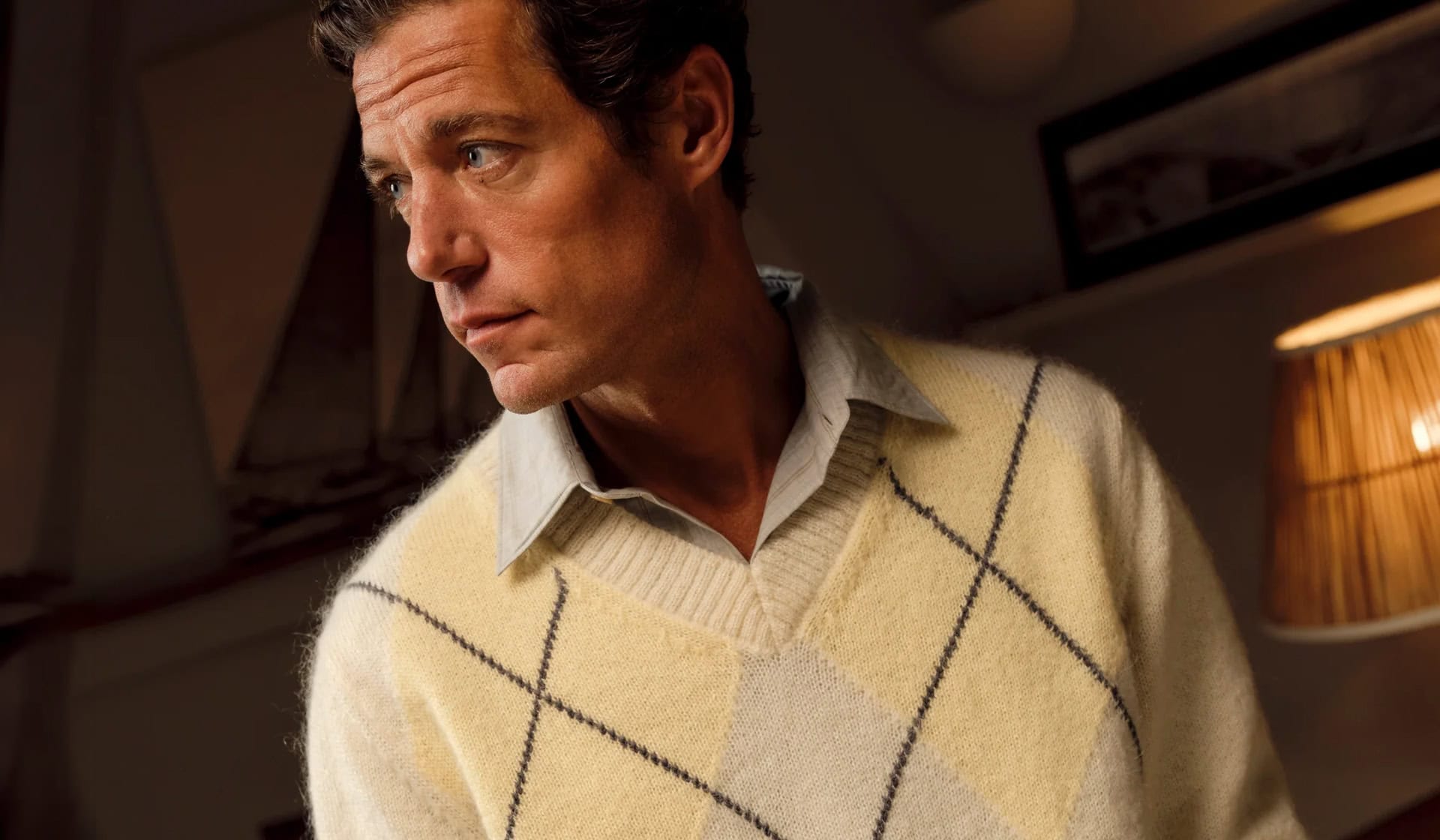
As the scorching days of summer steadily yield to the crisp, brisk atmosphere of autumn, wardrobes worldwide face a familiar and recurring transitional challenge. The undeniable liberating simplicity of warm-weather dressing—typically anchored by lightweight shorts and breathable cotton T-shirts—can quickly become monotonous, leaving style-conscious individuals feeling constrained by a repetitive daily uniform. The arrival of the fall season offers a much-anticipated reprieve, reintroducing the intricate art of layering, a diverse spectrum of tactile fabrics, and elongated silhouettes that restore depth and character to everyday menswear.
With shifting meteorological conditions on the horizon, industry analysts and wardrobe curators recommend proactively auditing existing wardrobes to determine which foundational garments merit retention and which contemporary updates are required for the upcoming months. The process of cold-weather dressing necessitates a strategic balance between timeless sartorial investments and timely, trend-led additions designed to withstand both dropping temperatures and shifting aesthetic currents. To navigate this seasonal pivot successfully, style experts have compiled a comprehensive breakdown of the essential menswear pillars required to maintain a polished, functional, and weather-appropriate aesthetic as the foliage begins to turn.
The Evolution of Cold-Weather Layering and Transitional Wardrobes
Historically, the transition from summer to autumn has prompted significant adjustments in the global textile and retail markets, registering increased consumer demand for versatile, durable garments. Sartorial shifts are rarely arbitrary; they reflect both climatic necessity and prevailing cultural movements within fashion capitals. In recent years, menswear has leaned heavily into utilitarian functionality, heritage workwear, and a sophisticated reimagining of Ivy League preppiness.
Industry data from major apparel markets indicates that consumer spending on outerwear, knitwear, and heavy-duty denim consistently spikes during the late third quarter of the calendar year. This predictable market behavior underscores the importance of curating a versatile capsule wardrobe capable of bridging the gap between late September and deep winter. Below is the definitive catalog of the twelve essential items engineered to anchor any modern gentleman’s autumn rotation.
1. Durable Work Pants
Seeking comfortable, practical legwear that effortlessly transitions through fall and winter requires prioritizing structural integrity and utility. Proper work pants have cemented their status as a cold-weather staple, with vintage and thrifted items commanding significant cultural capital. Authentic vintage Carhartt Double Knee pants, in particular, continue to dominate streetwear and casual fashion spaces, pairing exceptionally well with burly counterparts such as heavyweight hoodies, thick outerwear, and textured knitwear.

For those unable to source original vintage pieces, contemporary alternatives featuring a straight-leg cut, utilitarian tool pockets, and robust fabrics—such as cotton drill or heavy-duty twill—serve as ideal substitutes. These garments offer superior wind resistance and longevity compared to standard lightweight chinos.
2. Tactile Hairy Knitwear
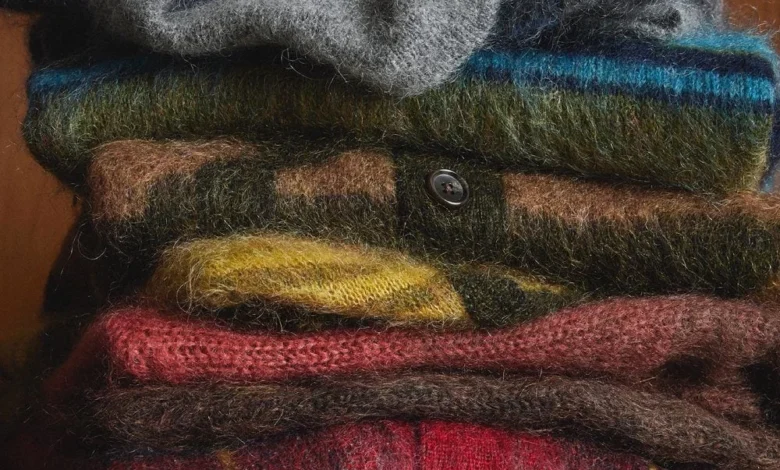
Textural contrast remains a dominant theme in contemporary cold-weather design. Fluffy, tactile pullovers and cardigans crafted from mohair, alpaca, and brushed wool continue to rank among the most sought-after items for tackling lower temperatures with elevated style.
Renowned design houses including Needles, Missoni, Beams Plus, and Marni have championed the mohair resurgence, though the trend has permeated virtually every tier of the contemporary menswear market. Incorporating a fuzzy knit into an otherwise muted outfit introduces visual interest and breaks the monotony of flat cottons and synthetic blends.

3. Knee-Grazing Long Outerwear
The return of knee-grazing outerwear to the forefront of autumn fashion has been widely welcomed by tailoring enthusiasts and casual dressers alike. Long coats, ranging from traditional cotton-gabardine trench coats to structured weatherproof macs, offer unparalleled versatility. They possess the unique ability to elevate even the most casual, relaxed ensembles into statements of deliberate elegance.
A quality trench coat functions seamlessly as a protective barrier over sophisticated tailoring on rainy mornings, yet pairs with equal confidence alongside a heavyweight hoodie, comfortable joggers, and premium sneakers. When treated as an investment piece, a well-constructed long coat is designed to endure for decades, transcending fleeting seasonal cycles.
4. Heavyweight Jersey Pullovers
When evaluating hoodies and sweatshirts for the autumn and winter months, fabric density is paramount. A genuine heavyweight jersey pullover functions as an exceptional insulating layer on frigid days while acting as a standalone outerwear piece during milder autumn afternoons.

Garments constructed from jersey weights exceeding 12 ounces provide superior warmth, structural drape, and cozy comfort. Selecting these pullovers in neutral colorways—such as oatmeal, charcoal, or navy—ensures maximum compatibility with the remainder of a cold-weather casual rotation.
5. Rain-Friendly Lug-Sole Deck Shoes
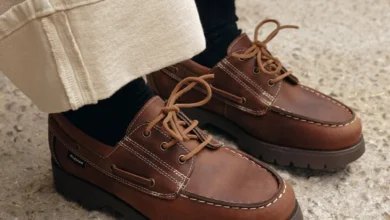
While the ongoing resurgence of Ivy League and traditional preppy aesthetics has revitalized classic boat shoes, standard leather deck shoes often prove inadequate when subjected to rain, slush, and dropping temperatures. Enter the ruggedized update: a traditional upper paired with a grippy, deep-lugged rubber sole.
This hybrid footwear category delivers the classic, timeless silhouette of traditional deck shoes in a robust, weather-friendly package engineered for unpredictable autumn precipitation. While several iterations exist across the market, the Timberland 3-Eye Lug Deck Shoe remains the benchmark for this functional crossover style.

6. Mid-Wash Denim Jeans
Mid-wash denim serves as the ideal sartorial middle ground, bridging the bright, sun-bleached tones of summer stonewash and the deep, dark indigo reserved for mid-winter. This wash is subtle, highly versatile, and harmonizes effortlessly with the preppy, Ivy-inspired pieces dominating contemporary wardrobes.
Japanese denim manufacturers, notably Okayama-based brand OrSlow, have set a high standard in this category, utilizing premium Japanese selvedge fabrics and meticulous construction techniques. The OrSlow 105 model, for instance, offers an ideal silhouette—avoiding extremes of excessive slimness or baginess—characterized by a classic straight leg and rich denim texture.
7. Textured Soft Tailoring
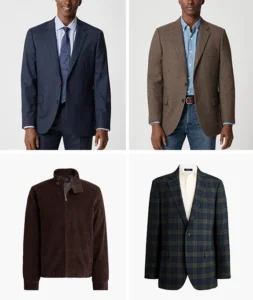
Autumn provides the optimal climate for experimenting with tactile variations in formal and smart-casual tailoring. Soft tailoring, in particular, offers considerable flexibility through the introduction of tactile, high-texture fabrics.

Enthusiasts are encouraged to incorporate heavy wool trousers, unstructured corduroy blazers, and knitted silk or wool ties into their rotation. Sartorial experts advise moderation, however; overloading an outfit with excessive earth tones risks drifting past sophisticated heritage dressing and into uninspired territory.
8. Versatile Puffer Jackets
For day-to-day utility throughout the colder months, a reliable puffer jacket remains an indispensable asset. Modern designs allow wearers to throw the jacket over a simple T-shirt and retain complete thermal comfort, while minimalist styling ensures compatibility with virtually any casual ensemble.
While iconic pieces like The North Face Nuptse jacket maintain cultural dominance, a growing market exists for understated, branding-free alternatives. Contemporary Scandinavian and Japanese minimalist labels, including Arket and Uniqlo, offer refined, matte-finish down jackets tailored for urban commuters.

9. Heavyweight Flannel Shirts
The heavyweight flannel shirt endures as a cornerstone of autumn fashion due to its exceptional adaptability and enduring comfort. Unlike lightweight summer cottons, a dense flannel provides genuine thermal insulation while retaining a soft, broken-in handfeel.
Styling possibilities are extensive: a heavy flannel can be worn unbuttoned over a knitted pullover, layered directly over a T-shirt during transitional weather, or positioned beneath a heavy jacket and hoodie combination as temperatures plummet.
10. Lightweight Insulated Gilets
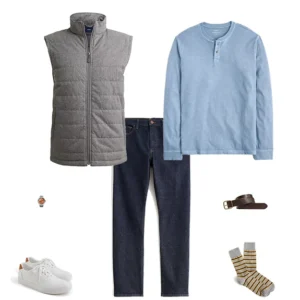
To maximize thermal efficiency without restricting arm mobility, a thin, insulated gilet (vest) serves as an essential mid-layer. These garments can be layered over hoodies or crewneck sweaters to provide core warmth, or worn over light outerwear pieces like overshirts that might otherwise prove insufficient on brisk days.

For advanced dressers, a low-profile, neutral-colored gilet can even be integrated beneath a tailored sports coat or suit jacket, offering a contemporary twist on traditional layering.
11. High-GSM Heavyweight T-Shirts
T-shirts remain foundational layering elements throughout the autumn and winter seasons, provided their fabric weight is sufficient to withstand cooler ambient temperatures. Stocking a rotation of high-quality heavyweight tees simplifies daily cold-weather dressing significantly.
Fabric density in T-shirts is measured by GSM (grams per square metre); textiles registering 200 GSM (approximately 6 ounces) or higher officially qualify as heavyweight. Established heritage brands such as Camber and 3Sixteen lead this category, while budget-conscious consumers frequently turn to reliable staples like the Hanes "Beefy" tee.

12. Heavy-Duty Work Boots
The category of work boots encompasses any high-top leather, suede, or nubuck footwear engineered for durability, featuring thick uppers, heavy-duty commando soles, and robust Goodyear-welted construction.
These boots are indispensable for the autumn and winter seasons, offering vastly superior weather protection and traction compared to standard low-top sneakers or fashion shoes. Furthermore, their rugged aesthetic complements standard cold-weather staples, including raw denim, flannel shirts, technical fleeces, and heavy outerwear.
Broader Economic and Industrial Implications
The seasonal pivot toward these twelve essential categories highlights broader shifts within the global retail and apparel sectors. Supply chain logistics for menswear brands increasingly prioritize early third-quarter delivery windows to capture peak consumer interest as temperatures drop. Furthermore, the sustained demand for durable, heritage-inspired garments—such as vintage Carhartt workwear, heavy selvedge denim, and Goodyear-welted boots—signals a broader cultural rejection of fast-fashion obsolescence in favor of longevity, repairability, and timeless utility. As consumers continue to invest in versatile, multi-season pieces, the menswear market adapts by merging functional heritage with contemporary refinement, ensuring that utility and style remain permanently intertwined.