Vintage Whimsy Wedding on a $6,500 Budget: A Masterclass in Personalization and Financial Efficiency

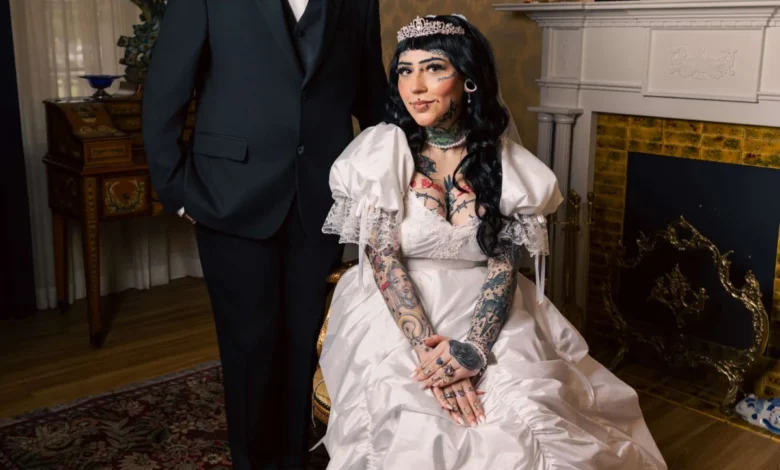
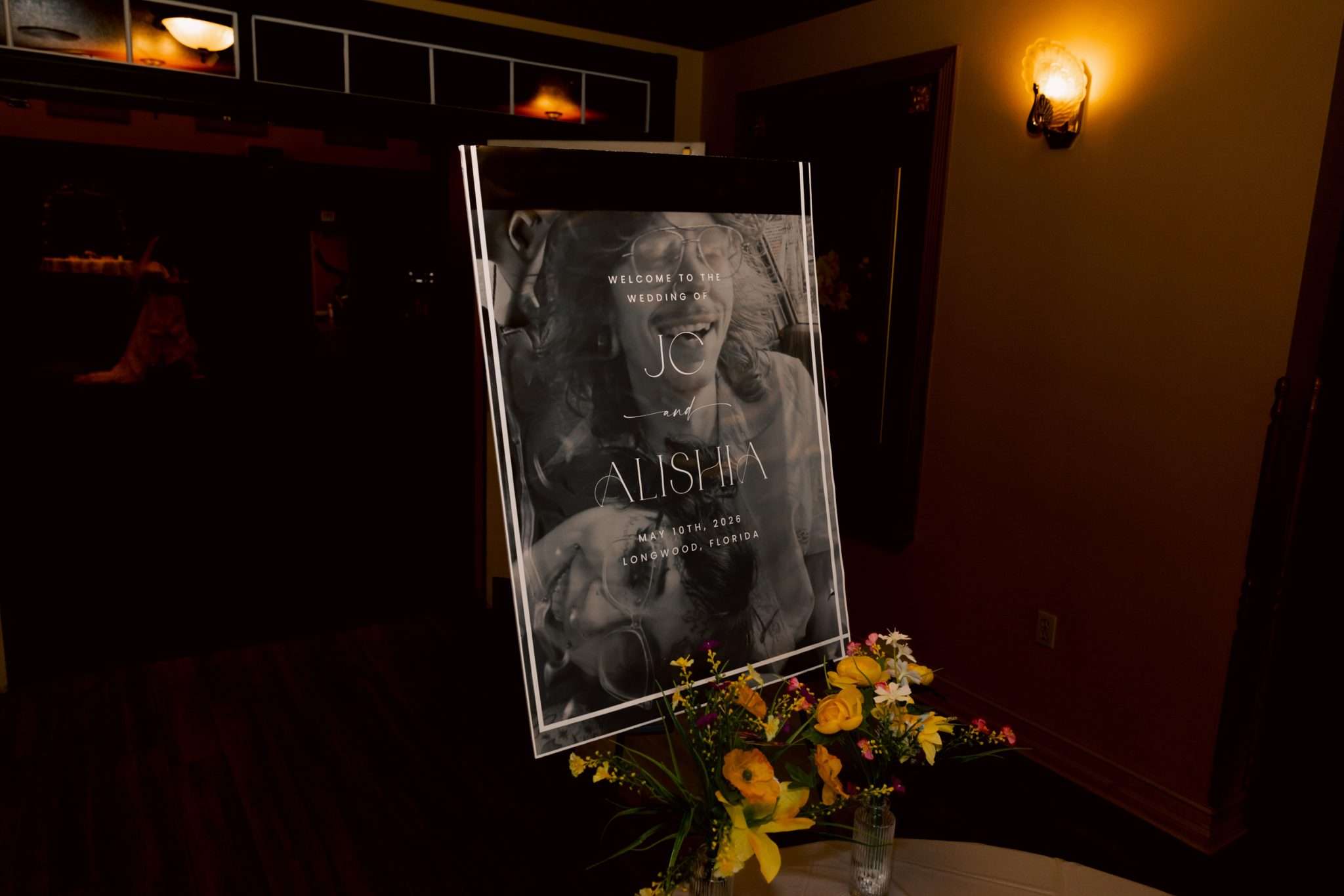
The modern wedding industry, often characterized by rising costs and an insistence on traditional conformity, is increasingly being challenged by couples who prioritize authenticity over conventional extravagance. A recent celebration held at the Longwood Historic Community Building serves as a case study in how personal narrative, creative resourcefulness, and a strict adherence to individual values can produce a memorable event for a fraction of the average national cost. Alishia and JC, who finalized their nuptials just three months after a chance meeting at a local grocery store, orchestrated a wedding that defied standard industry expectations while operating on a total budget of $6,500.
A Rapid Journey from Meeting to Marriage
The timeline of the couple’s relationship deviates significantly from the traditional American courtship model. After encountering one another at a local grocery store, the pair discovered they were residents of the same apartment complex. This proximity accelerated their connection, leading to a legal union within three months. While the legal aspect of their marriage was handled quickly, the couple chose to wait one year to organize a full celebration for their friends and family. This gap allowed for a measured planning phase that focused on sourcing meaningful elements rather than adhering to a predetermined checklist of luxury wedding requirements.
The Economics of an Unconventional Wedding
According to data from recent industry reports, the average cost of a wedding in the United States often fluctuates between $28,000 and $35,000, depending on the region and the scale of the guest list. By maintaining a budget of $6,500, Alishia and JC achieved a cost-saving of approximately 80% compared to the national average. This financial discipline was not a result of austerity, but rather a strategic decision to bypass high-cost service providers in favor of DIY projects, upcycled fashion, and sentimental, low-cost decor.
The financial success of the event was anchored by several key decisions:
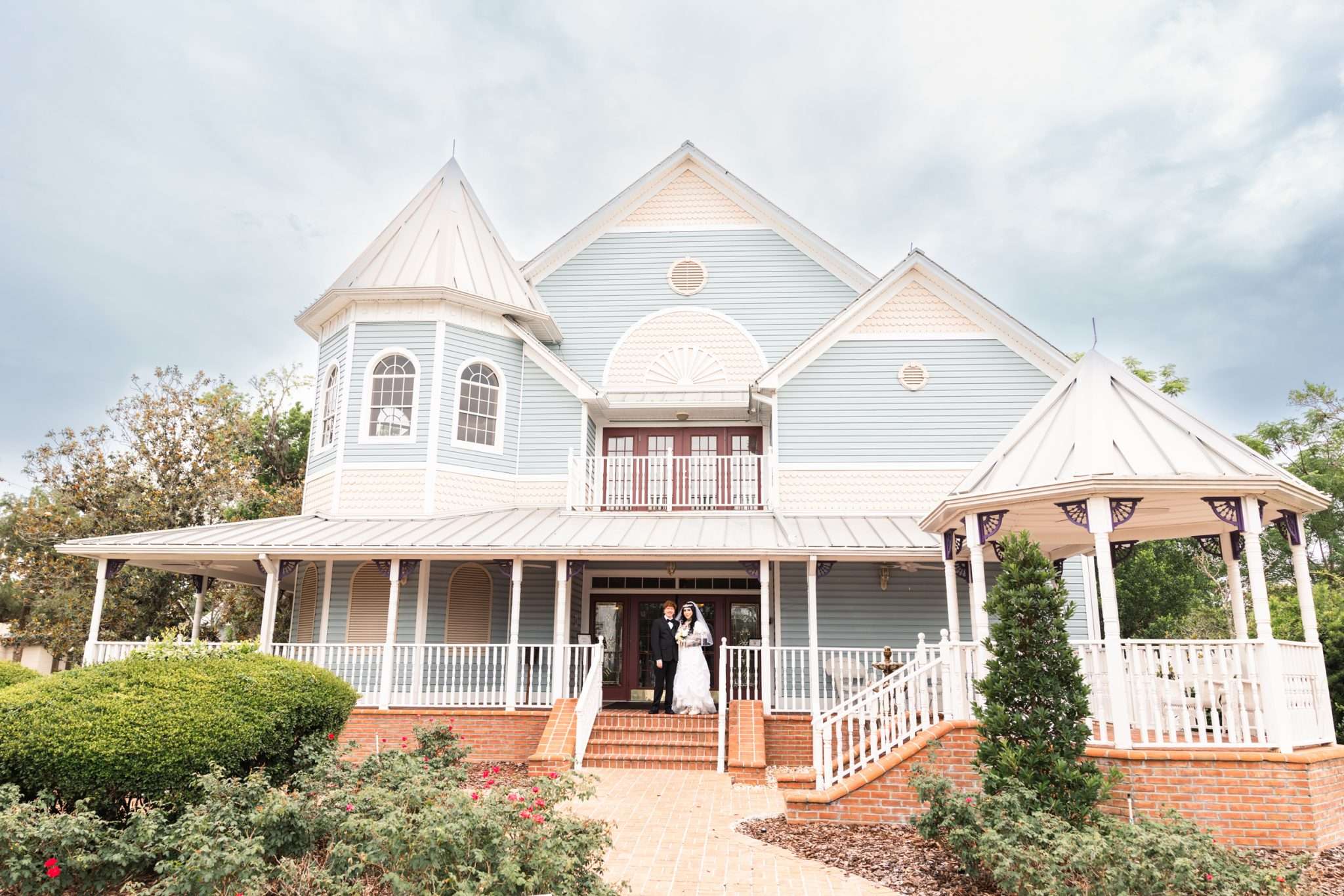
- Venue Selection: By choosing the Longwood Historic Community Building, the couple utilized a space with architectural character that required minimal additional staging or expensive decor.
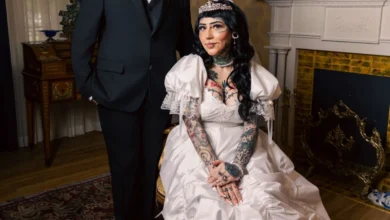
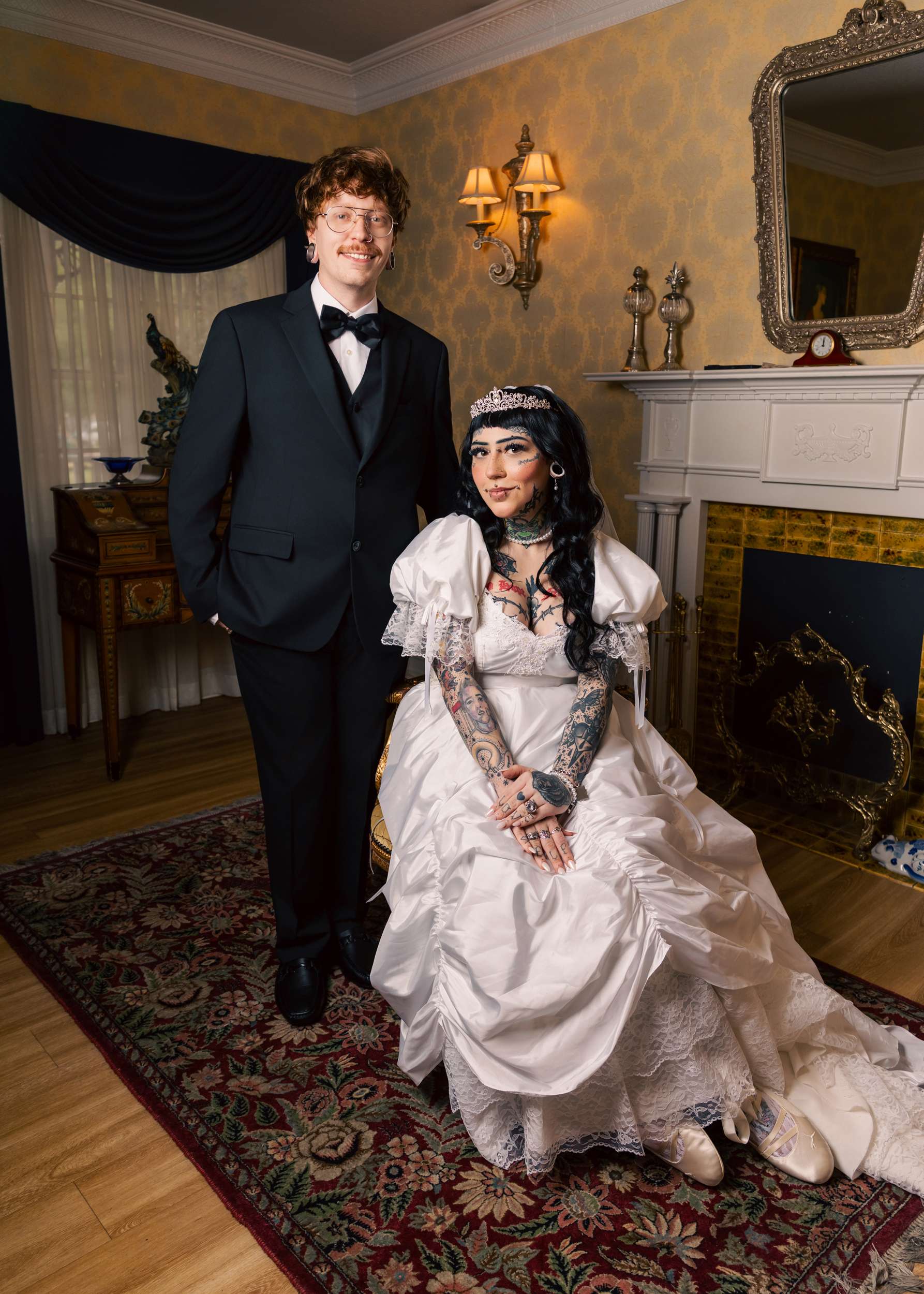
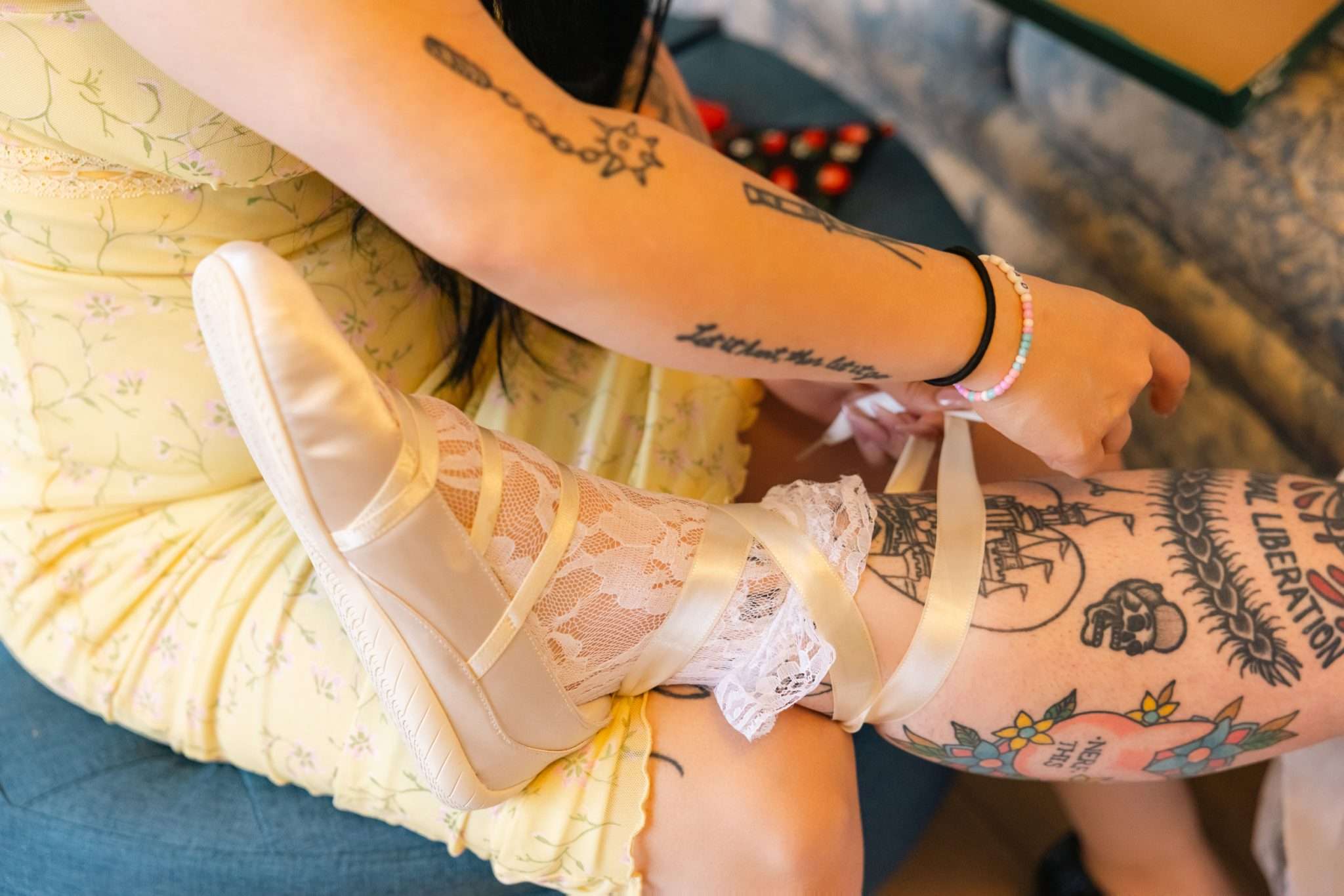
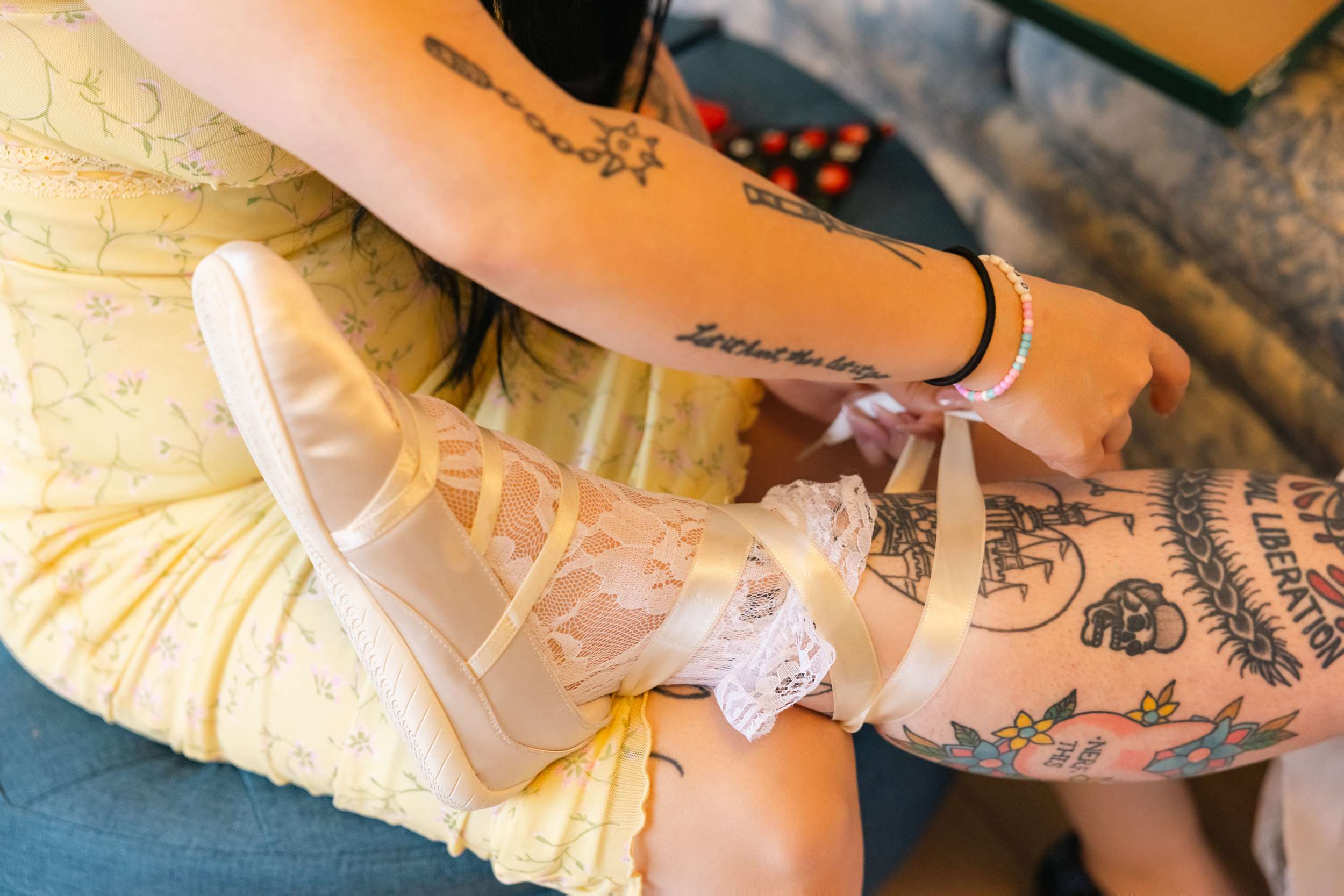
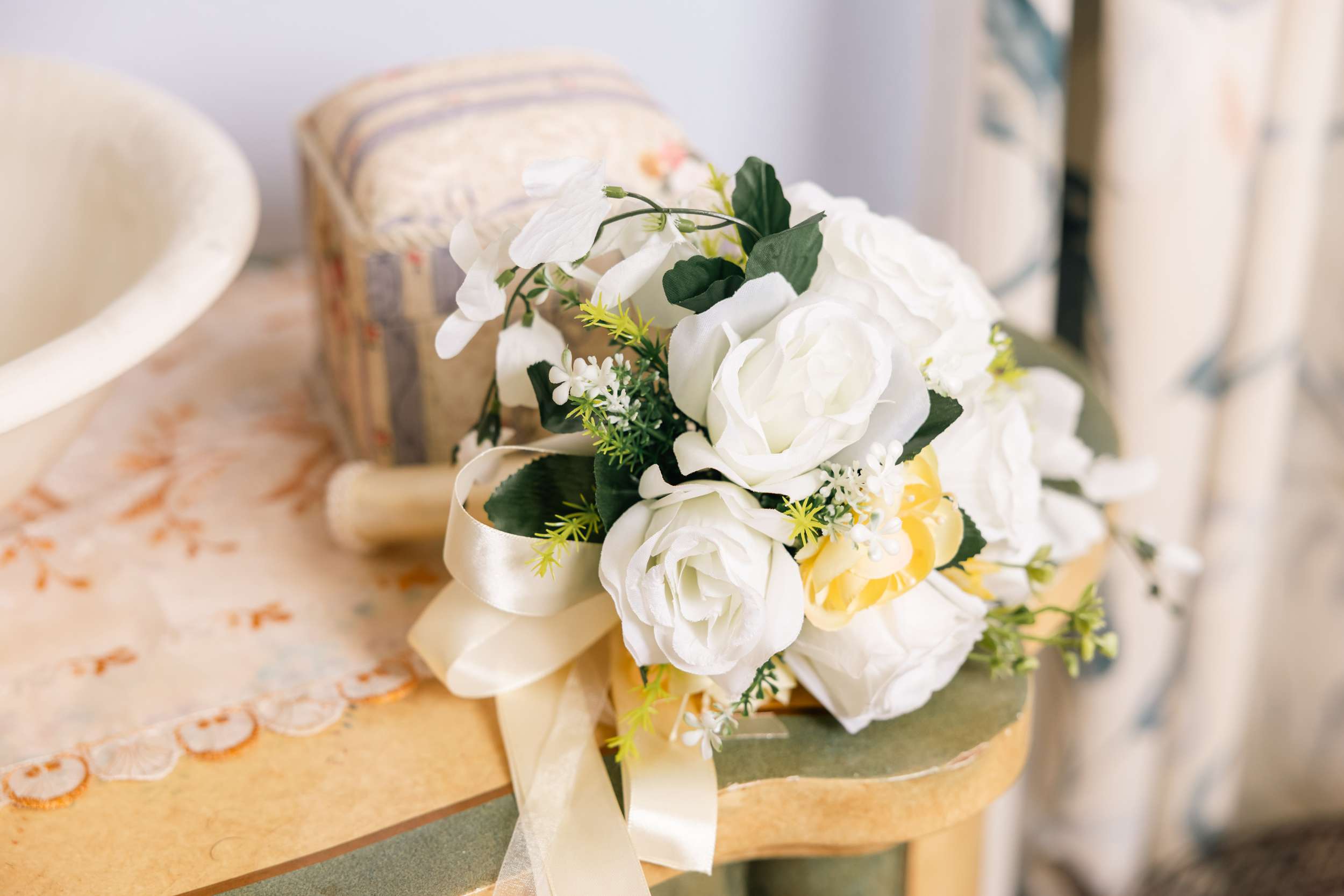
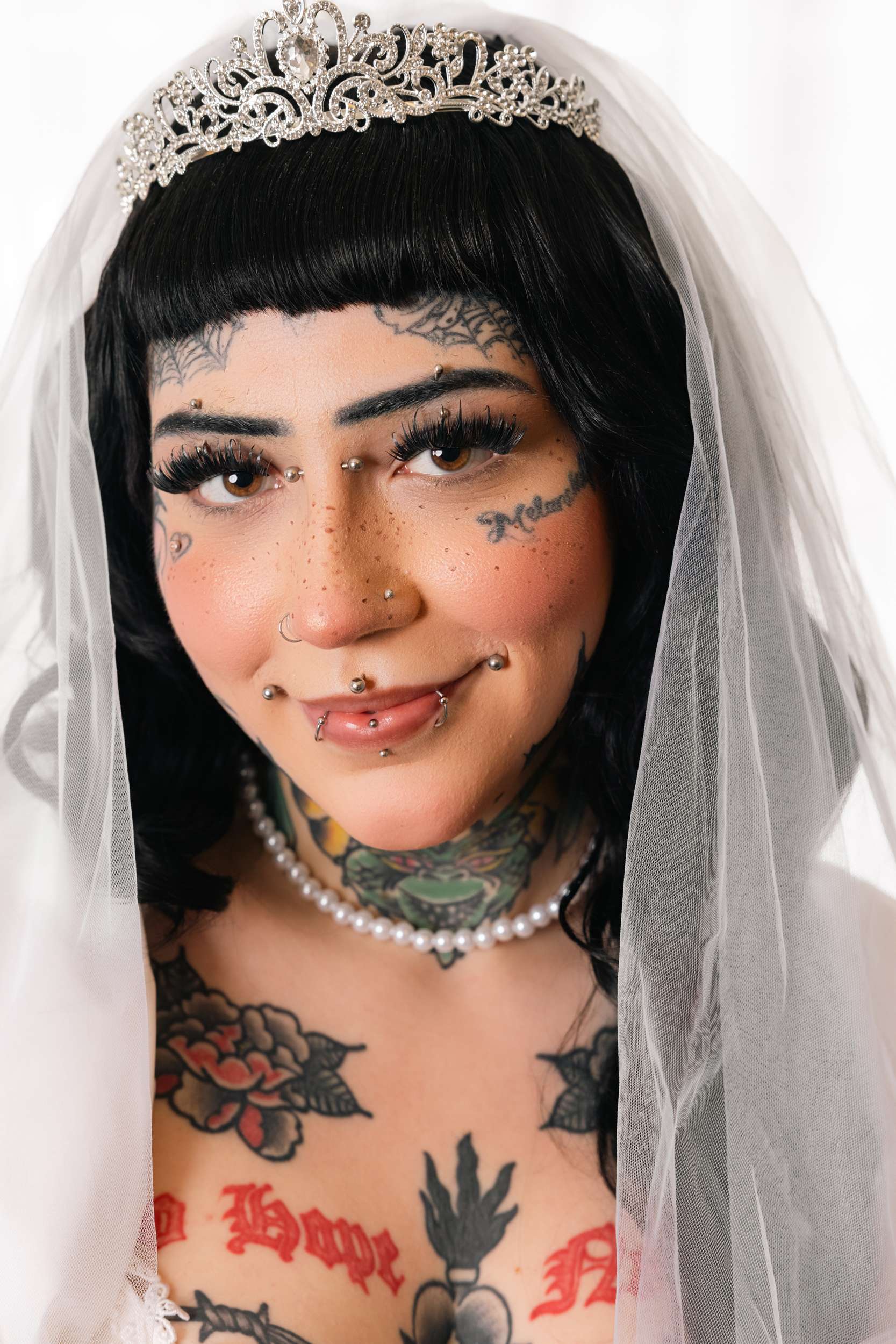
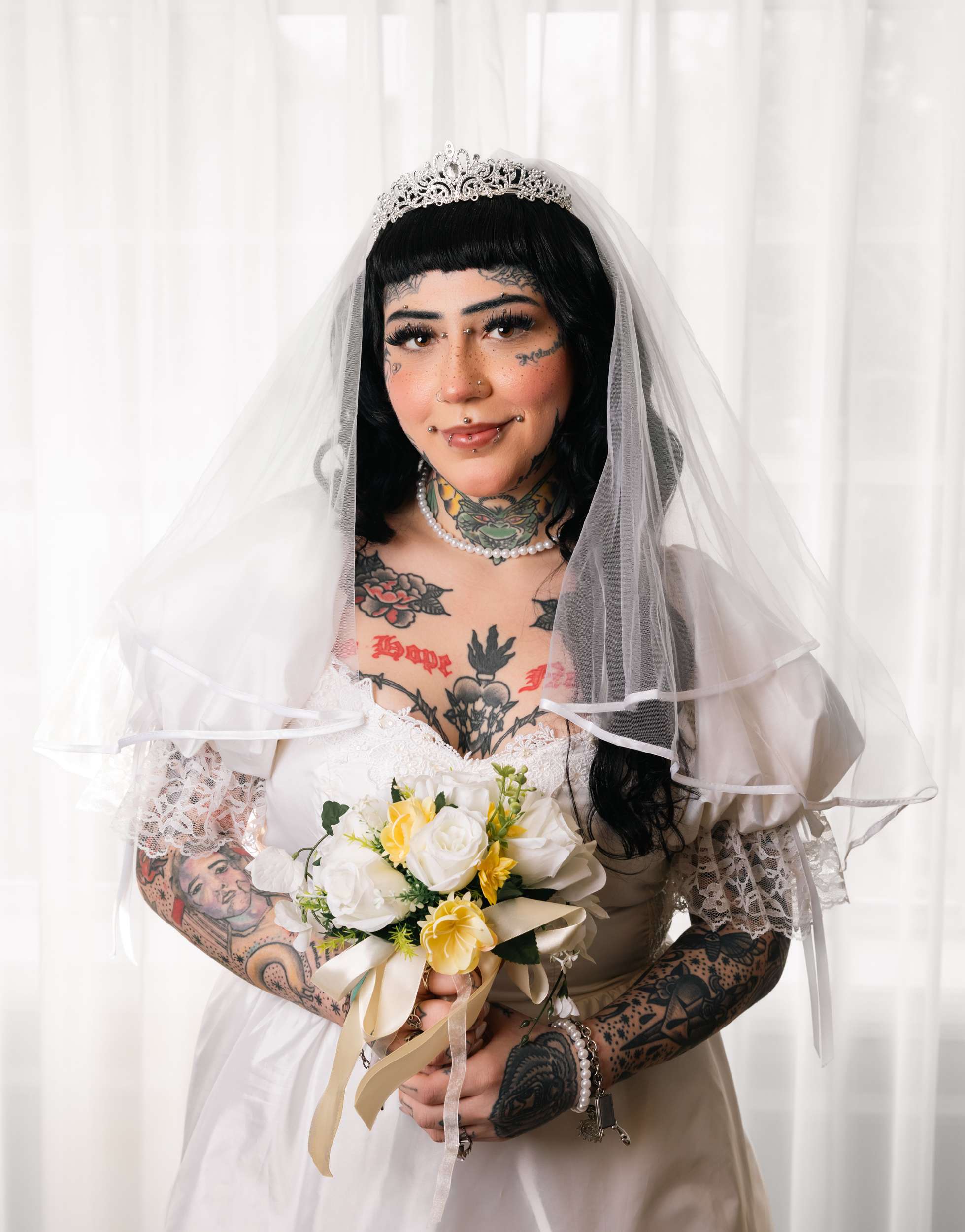
- Upcycled Attire: The bride opted for an heirloom wedding dress originally worn by the groom’s mother in the 1980s. Alterations to the garment ensured a contemporary fit, while the styling—incorporating a tiara, vintage jewelry, and PUMA Speedcat Ballet shoes—highlighted a fusion of eras rather than a replication of modern bridal trends.
- In-House Catering and Construction: A significant portion of the budget was preserved by family involvement. The groom’s mother played a pivotal role, constructing the ceremony arch and preparing a substantial portion of the catering, thereby reducing the reliance on third-party hospitality vendors.
Prioritizing Personal Identity and Expression
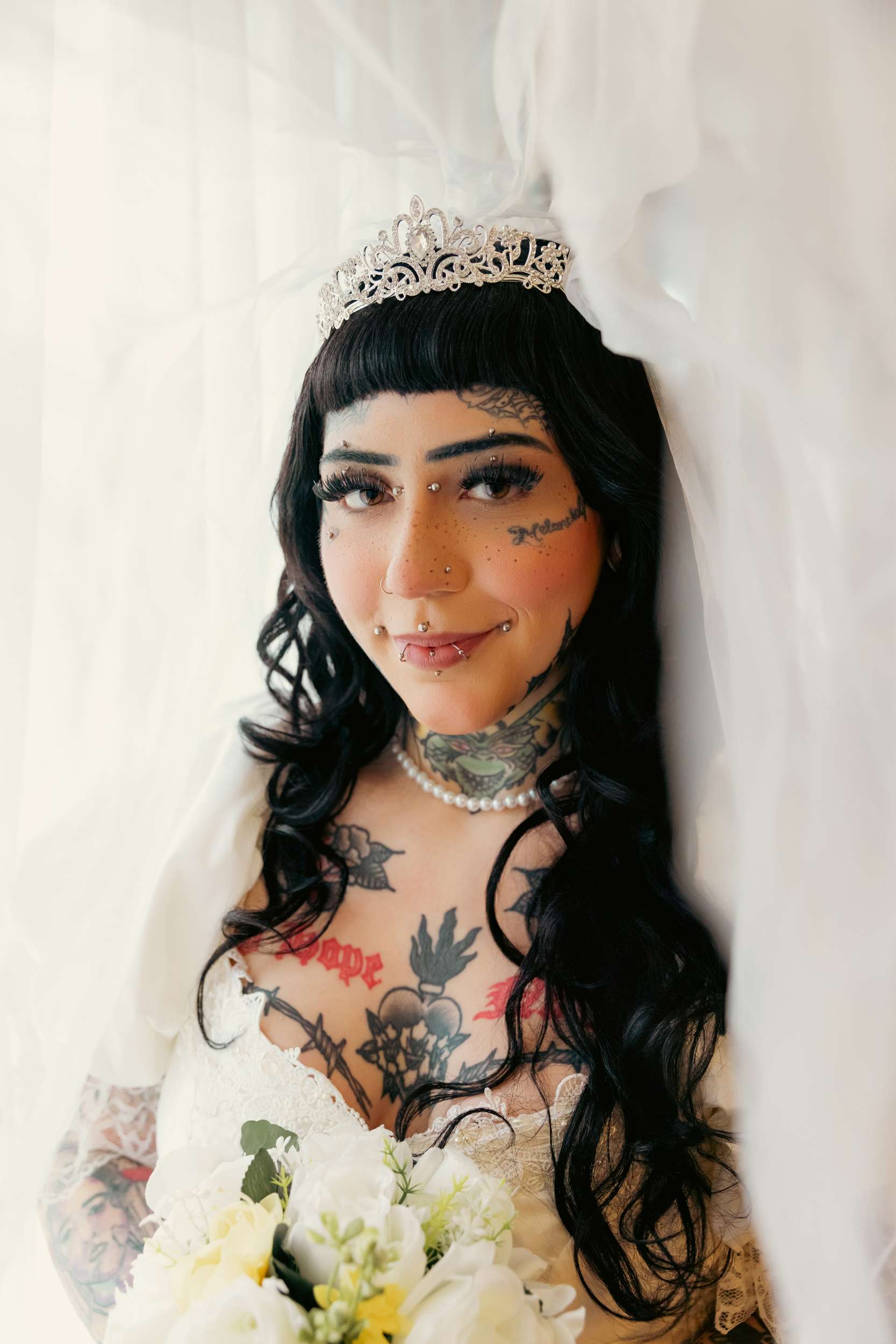
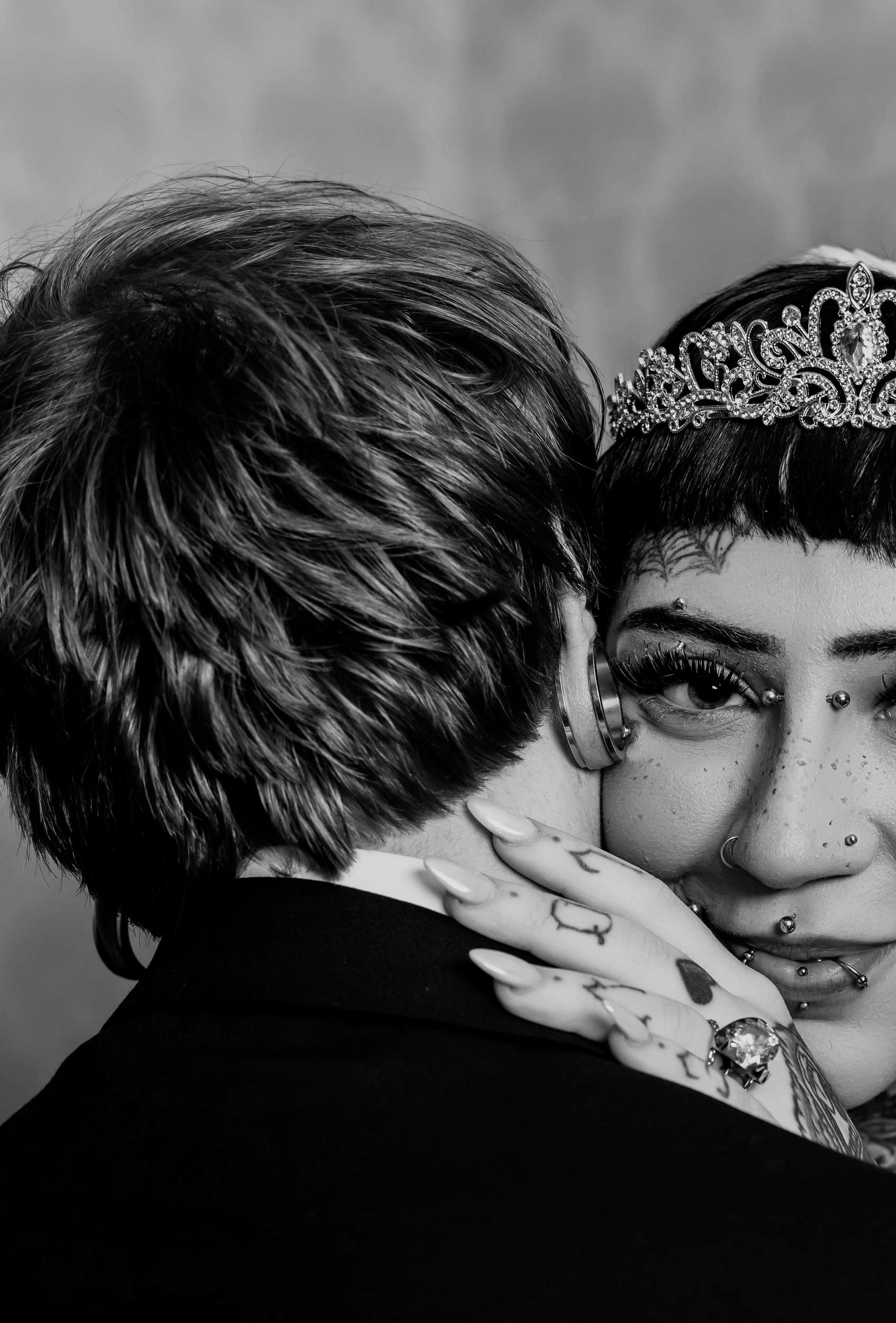
A central theme of the event was the rejection of the "bridal mask"—the social pressure often placed on brides to conform to specific aesthetic standards. Alishia, who maintains visible tattoos and piercings, explicitly rejected the notion that these elements should be concealed for the sake of the wedding day. Her perspective reflects a growing movement within the wedding industry that emphasizes the "authentic self" over traditional presentation.
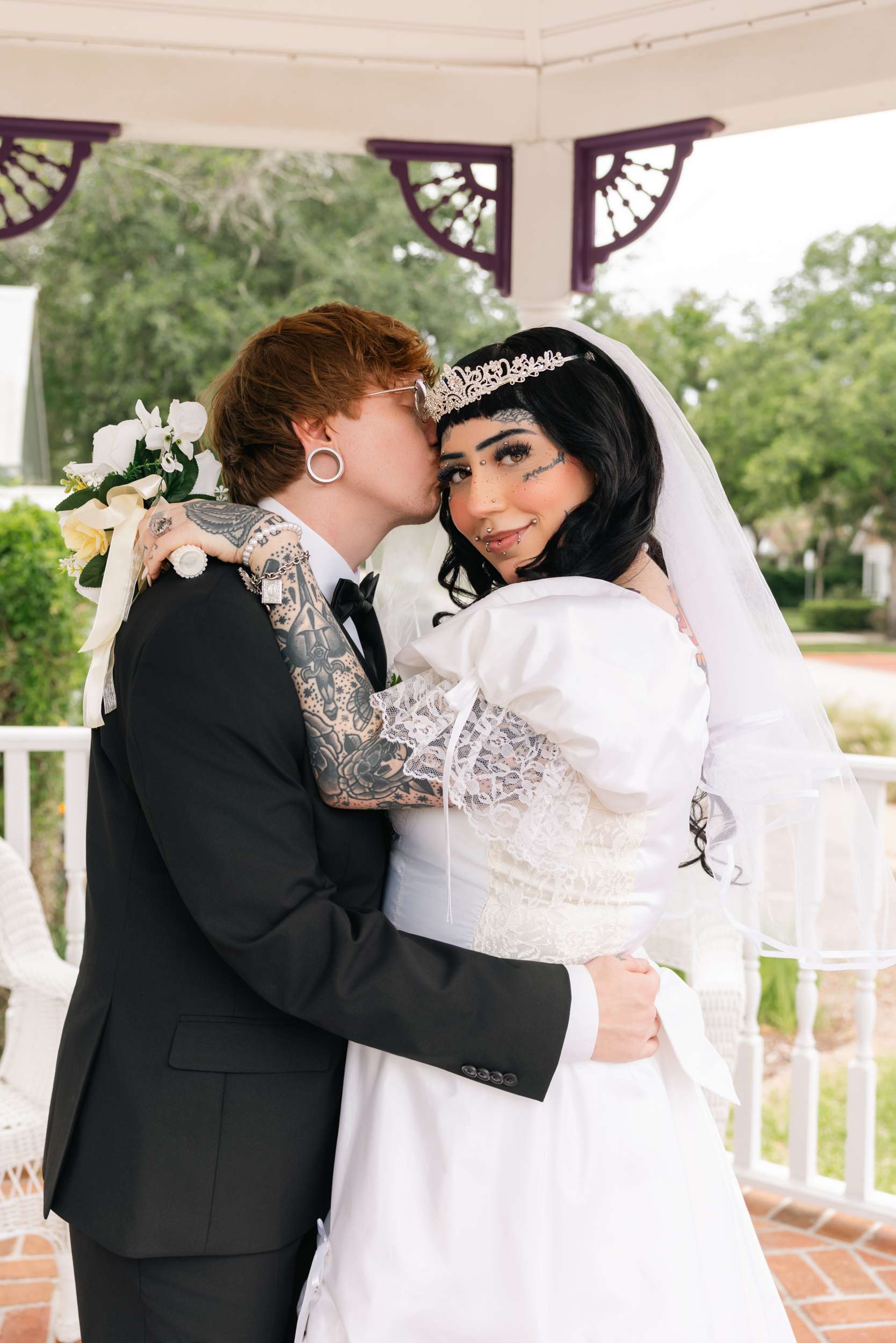
"To anyone who feels like they need to hide their tattoos for their wedding, take out their piercings, or dial down their unique look… don’t," the bride noted. "I do not regret a single thing about how I portrayed myself."
This commitment to personal truth extended to the ceremony itself. The couple opted to place the bride on the right side of the altar, citing personal preference regarding her "good side." Such departures from established customs serve as a reminder that the utility of wedding traditions is subjective and that couples are increasingly empowered to adapt or discard rituals that do not align with their personal values.
Curating an Eclectic Atmosphere
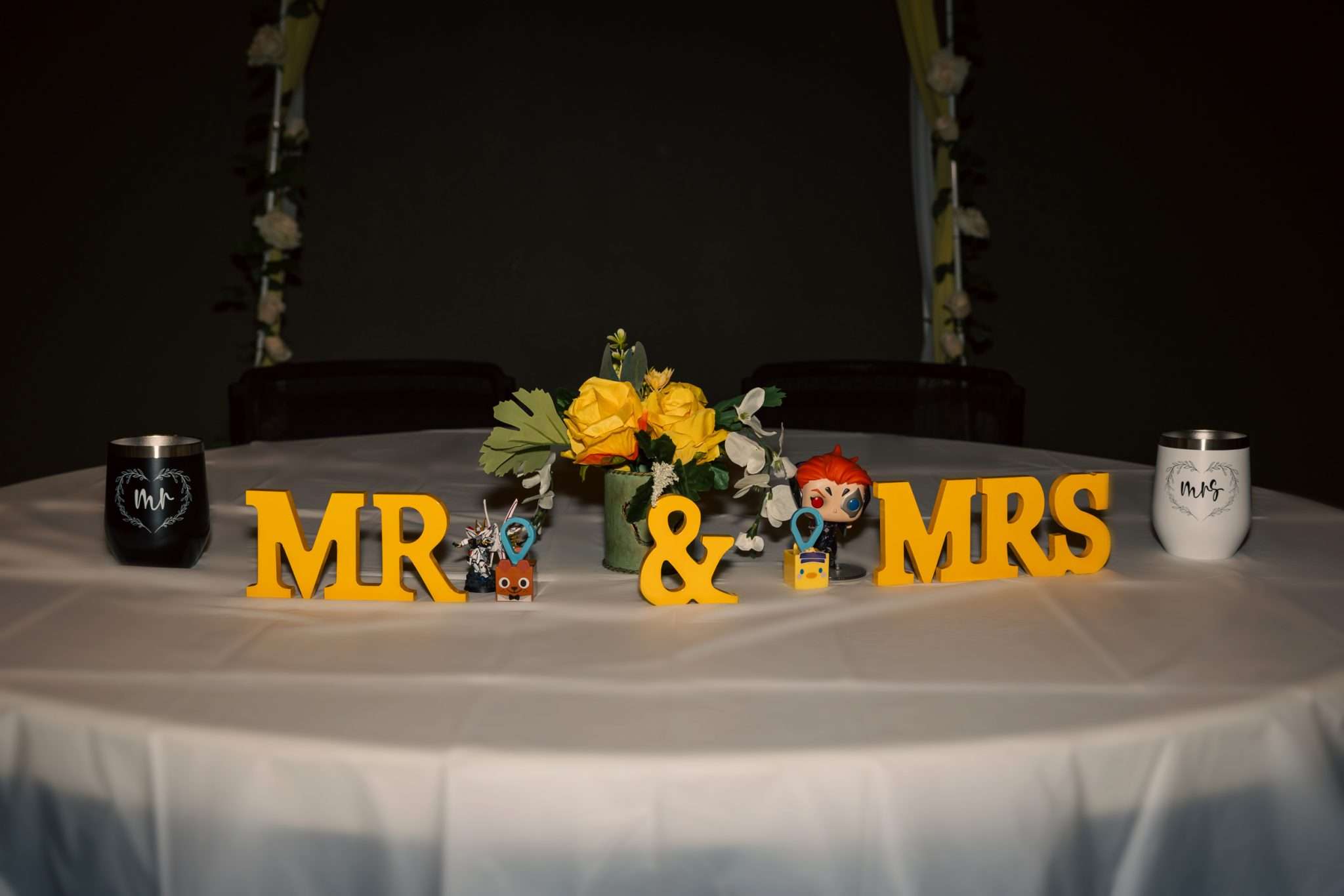
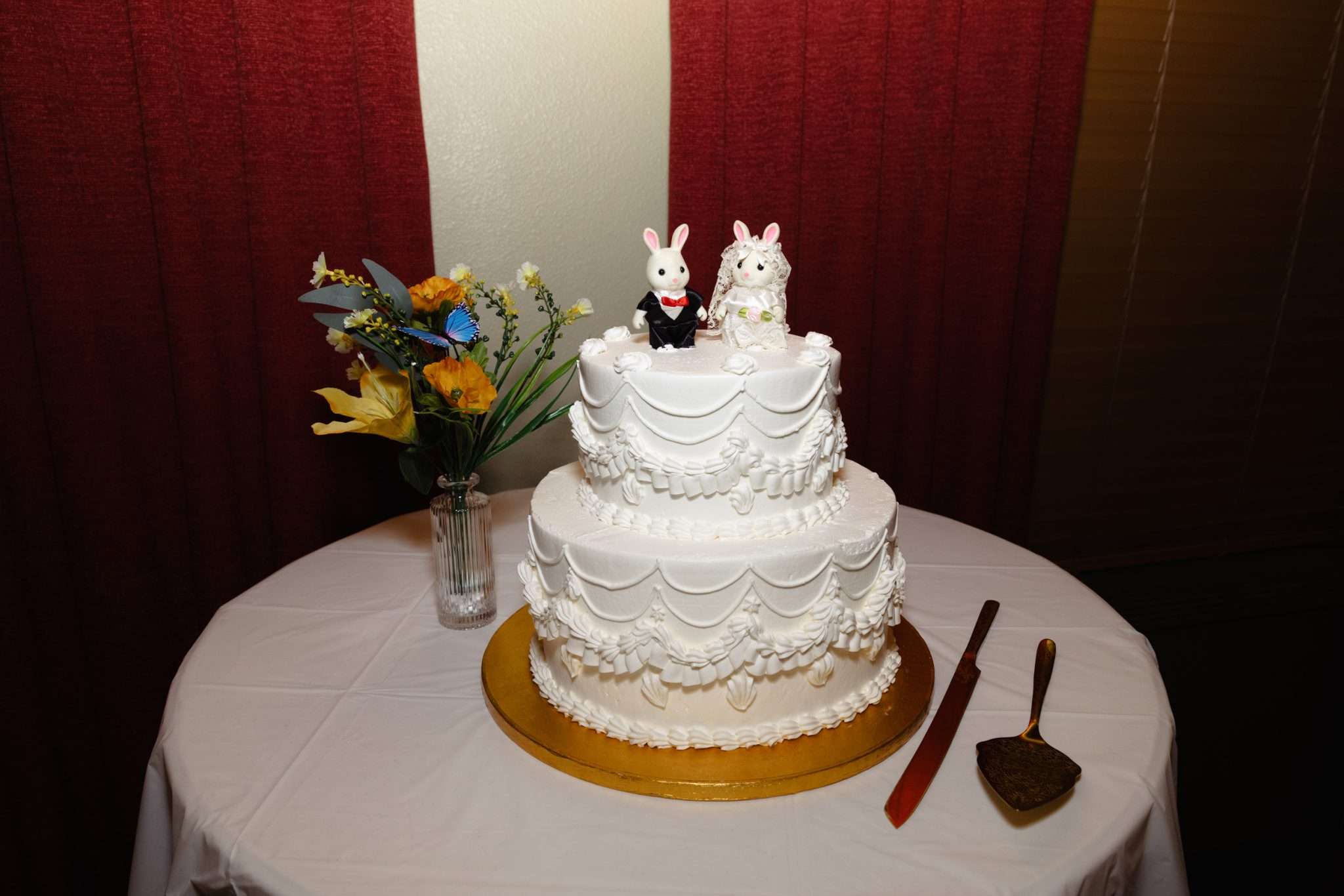
The reception served as a physical manifestation of the couple’s shared history. The decor was defined by objects of personal significance rather than generic rental centerpieces. Notably, the table settings included small toy clips from Happy Meals, which the couple had saved from their very first date, displayed alongside a collection of Calico Critters and other personal trinkets.
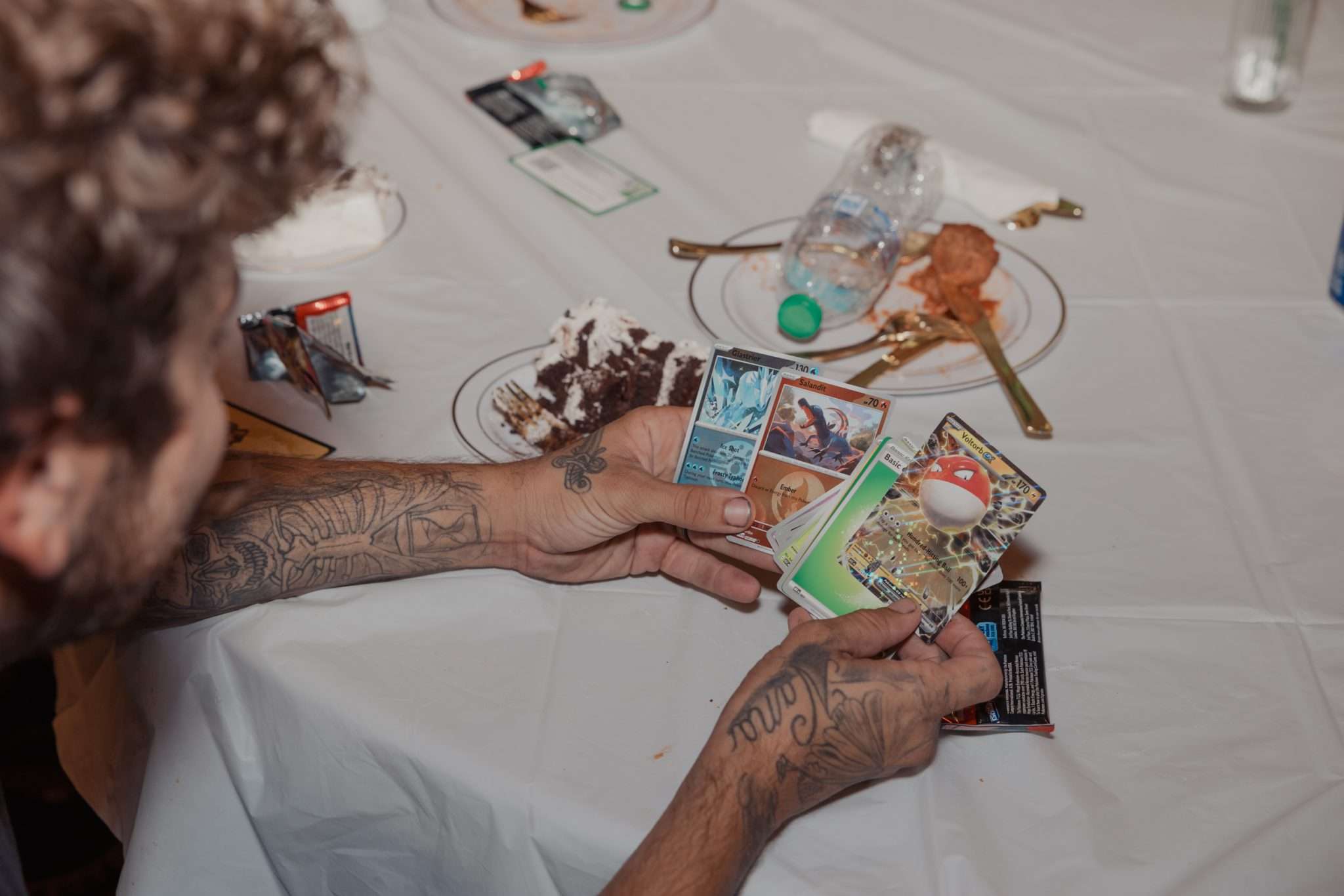
The entertainment profile was equally idiosyncratic. Moving away from the traditional DJ-led wedding dance floor, the couple utilized a carefully curated playlist featuring artists such as beabadoobee, Deftones, Linkin Park, M83, Tigers Jaw, and Harry Styles. The evening’s live entertainment was provided through a karaoke setup, which facilitated guest participation and lowered the costs associated with professional bands or high-end sound production. Furthermore, the couple replaced the traditional garter toss with a Pokémon booster box toss, incorporating their personal hobbies into the social fabric of the event.
Navigating the Pressures of Modern Planning
The couple’s experience highlights a common friction point in the planning process: the tension between personal desire and the external pressure to perform a "standard" wedding. Alishia described the difficulty of navigating the "endless lists of wedding must-haves" that dominate social media and wedding publications.
The strategy employed by the couple was one of deliberate subtraction. By identifying what was truly important to their relationship—vintage aesthetics, shared interests, and close family—they were able to eliminate the "noise" of industry-standard expectations. This approach suggests that the most stressful aspects of wedding planning are often self-imposed or externally driven by industry marketing, rather than inherent to the union itself.
Broader Implications for the Wedding Industry
The success of this $6,500 celebration underscores a potential shift in the consumer behavior of younger couples. As economic pressures increase and the desire for individuality grows, the "all-inclusive, high-cost" wedding model is facing competition from "bespoke, low-cost" alternatives.
This trend has several implications:
- Shift in Value Proposition: Couples are increasingly looking for venues that offer a "blank canvas" rather than full-service packages that include unwanted add-ons.
- Rise of the Prosumer: With the aid of digital tools and social media inspiration, couples are more willing to take on the roles of event planner, designer, and decorator.
- De-institutionalization of Rituals: The willingness to replace a garter toss with a Pokémon card opening or to alter a mother’s vintage dress signifies a broader trend where tradition is treated as a menu of options rather than a requirement.
Conclusion
The wedding of Alishia and JC serves as an example of how the event can act as a reflection of a couple’s identity rather than a performance of social status. By prioritizing their own aesthetic and emotional preferences, the couple managed to host an event that was both fiscally responsible and deeply meaningful. As the industry evolves, their experience suggests that the most successful weddings are those that define themselves by the people involved rather than the budget spent. For many, this case study offers a template for how to maintain personal integrity while navigating the complex, and often expensive, journey of wedding planning.
In the final analysis, the couple’s message remains consistent: the wedding is a day for the couple to enjoy, not a series of hoops to jump through for the benefit of others. As Alishia noted, "Our wedding was definitely unconventional, but it felt true to us and every single one of our guests could see that. I think that’s what weddings should be about." By choosing their own path, the couple achieved what many aspire to: a day that was uniquely, and undeniably, their own.