The integration of artificial intelligence into consumer-facing retail has reached a critical juncture where the beauty industry is significantly outpacing the fashion sector in both sophistication and utility. While fashion brands frequently rely on AI for surface-level personalization—such as recommending garments based on browsing history—the beauty industry has successfully leveraged hardware-integrated AI to create longitudinal, data-driven feedback loops. This disparity in adoption rates highlights a fundamental shift in how consumer goods can be measured, personalized, and validated through technological intervention.
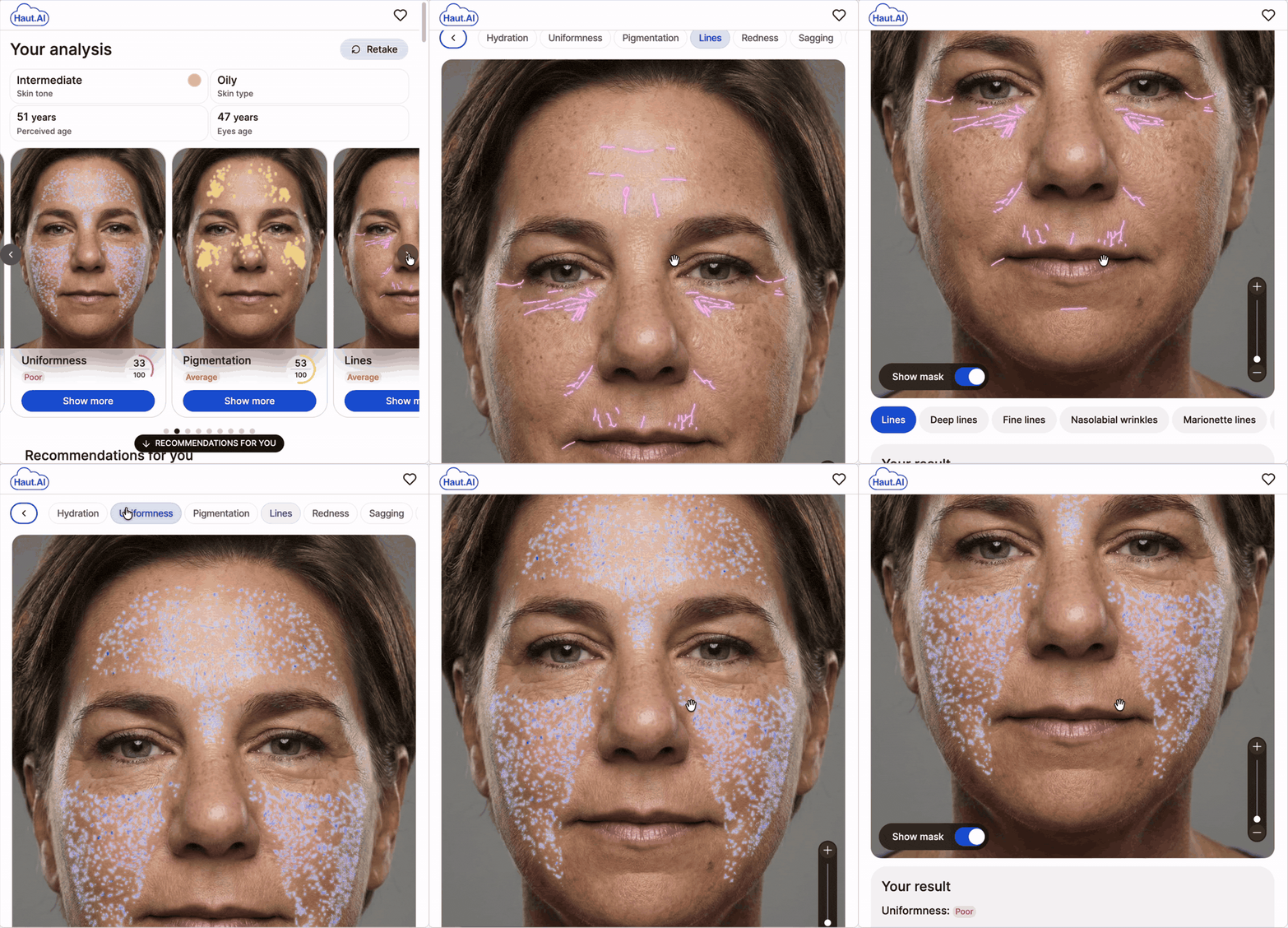
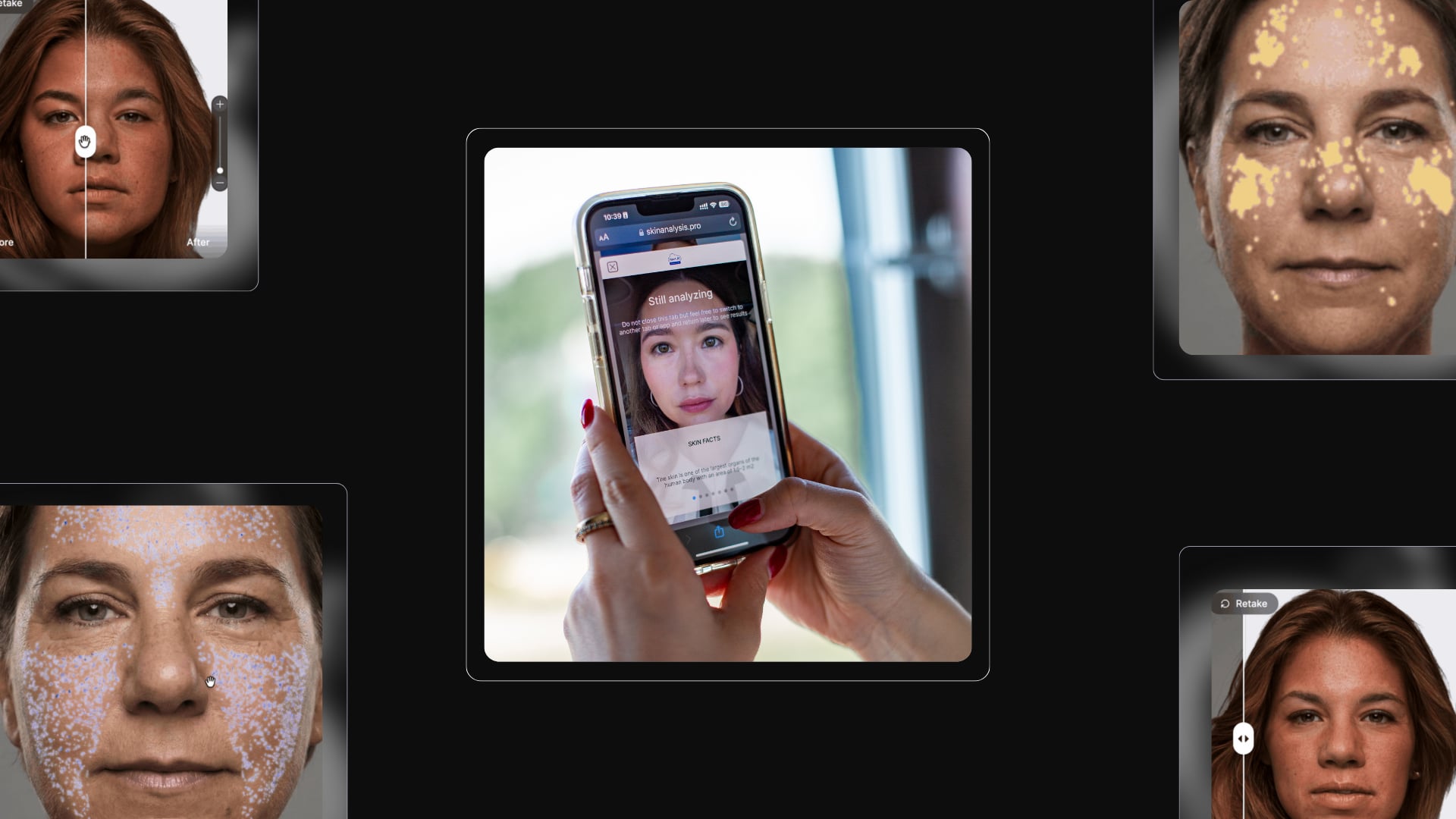
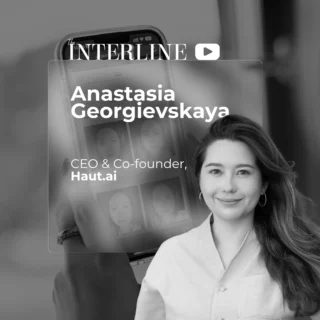
The core of this divergence lies in the nature of the products themselves. Fashion is largely constrained by the limitations of fit and style, which are subjective and ephemeral. In contrast, skincare and cosmetics are increasingly treated as quantifiable health assets. Anastasia Georgievskaya, CEO of Haut.AI and a scientist by training, emphasizes that personalization cannot be achieved without objective measurement. Beauty brands are now utilizing AI to identify up to 30 high-level skin features and 250 individual biomarkers, allowing for a degree of precision in product recommendations that the fashion industry, with its reliance on standard sizing and broad demographic categorization, currently lacks.
The Technological Divide: Hardware and Feedback Loops
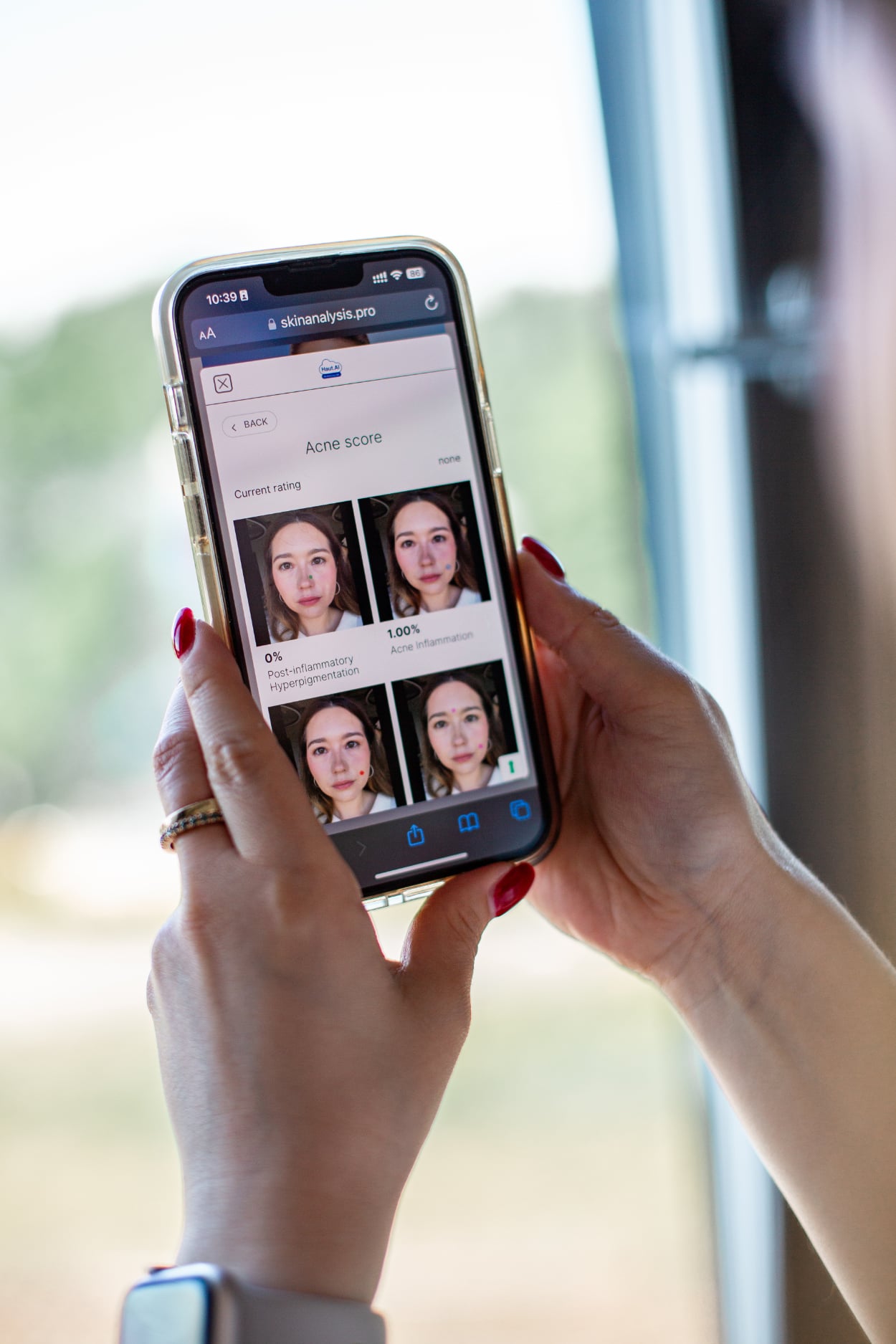
A defining characteristic of the beauty sector’s lead is the deployment of consumer-grade hardware. From smart mirrors to mobile scanning applications, beauty brands have successfully moved from virtual try-ons (VTO)—which were once a gimmick—to diagnostic tools that track efficacy over time. In fashion, beyond limited experiments with wearables, the ability to monitor the "performance" of a product after purchase remains largely absent.
In beauty, the feedback loop is immediate and measurable. A consumer can scan their skin, receive a personalized formulation or routine, use the product, and subsequently re-scan to observe changes in skin biomarkers. This longitudinal tracking creates a sticky, high-retention environment. For the fashion industry, the equivalent would be a digital infrastructure capable of tracking garment durability or fit satisfaction in real-time, but such an ecosystem remains theoretical.
Regulatory Rigor as a Catalyst for Trust
The beauty industry operates under stringent regulatory frameworks, particularly in the European Union, which mandates that all product claims must be substantiated by scientific evidence. This necessity for proof has inadvertently provided the perfect foundation for AI implementation. Because beauty brands are legally required to prove efficacy, the AI models they deploy are built on hard clinical data rather than probabilistic, fuzzy estimations.
This stands in stark contrast to the fashion sector, which lacks a standardized, regulated chain of accountability for product claims—such as environmental impact or material authenticity. Because beauty brands must anchor their AI-driven recommendations in verified clinical endpoints, consumer trust in these tools is significantly higher. Data from recent industry surveys suggests that consumers are increasingly turning to AI to navigate complex scientific categories, with approximately 70% of US beauty consumers expressing interest in using AI for skincare advice, provided the technology is backed by transparent, clinical data.
Bridging the Vocabulary Gap
One of the most significant challenges identified in the integration of AI is the translation of natural language into technical requirements. Consumers often use colloquial, emotional, or vague terminology to describe their concerns, which rarely aligns with the clinical vocabulary used by product developers.
Recent research, including studies referenced by industry leaders like Allergan Aesthetics, highlights the disconnect between consumer-facing terminology and the clinical language used by dermatologists. The successful application of AI in this space involves "translation engines"—specialized LLMs (Large Language Models) trained on both consumer sentiment and clinical literature. By infusing domain knowledge into these models, companies like Haut.AI are bridging the gap, allowing for a seamless interaction where a user’s "revenge" or "tired" aesthetic concern is interpreted through the lens of objective, measurable biomarkers.
Market Implications and Future Trajectories
The long-term impact of this technological integration is expected to reshape brand loyalty. Currently, the retail environment for fashion is largely a zero-sum game, where brands struggle to capture market share from competitors in a stagnant total addressable market. In beauty, however, the "skin passport" concept—a portable, longitudinal profile of a consumer’s dermatological history—could shift the power dynamic.
If a consumer holds their own data profile, the lock-in effect of a specific brand may weaken, as users gravitate toward the products that provide the best measurable results according to their individual data. Conversely, brands that successfully embed their products into these AI-driven, longitudinal feedback loops will likely secure higher customer lifetime values (CLV).
Industry Outlook: Beyond 2027
Looking toward the 2027 horizon, industry analysts expect two major trends to dominate the AI-beauty landscape. First, the move toward daily, routine longitudinal monitoring—akin to wearable health tracking—will become the new standard for skincare. Consumers will expect daily data-backed insights into their skin’s resilience and health, forcing brands to pivot from being mere product manufacturers to becoming long-term partners in wellness.
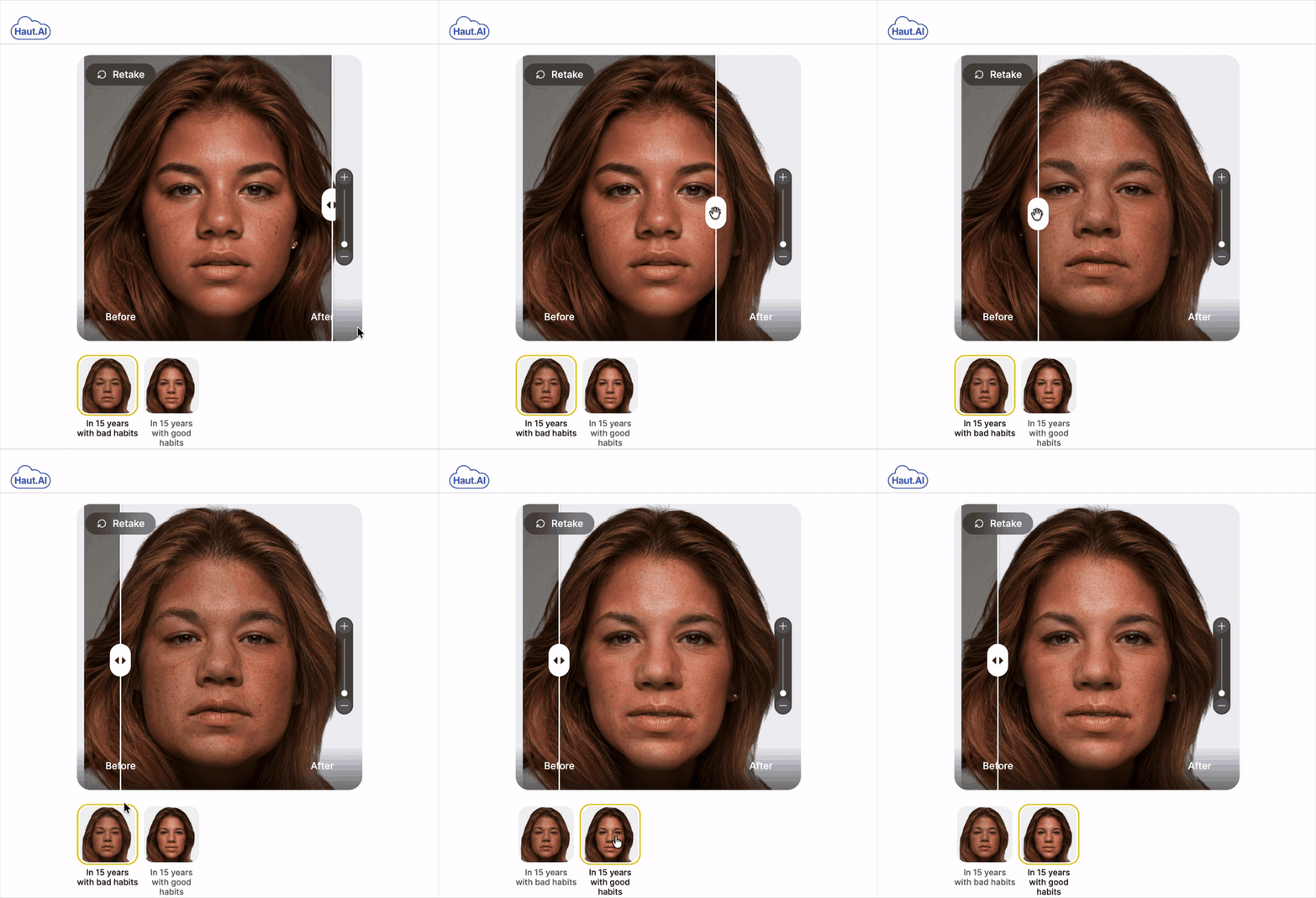
Second, the development of new ingredients will be significantly accelerated by AI. By leveraging massive datasets derived from consumer interactions and clinical trials, brands can identify unmet needs in specific skin profiles and custom-engineer ingredients to address those gaps. This shift from reactive product development to predictive, data-informed innovation is the primary lesson fashion must learn if it hopes to keep pace.
As the industry moves forward, the role of human advisors will not be diminished, but rather transformed. By automating the routine diagnostic and recommendation processes, AI allows professionals—dermatologists and beauty associates—to focus on the emotional and subjective aspects of the consumer experience. The future of retail, as demonstrated by the beauty sector, is a hybrid model where AI provides the objective, scientific backbone, and human experts provide the necessary empathy and contextual judgment to turn data into a truly personalized experience. The fashion industry, currently struggling with low trust and high volatility, has a clear roadmap in the beauty sector’s success, provided it is willing to commit to the rigors of scientific validation and longitudinal data management.