Brooks Running Gave This ’70s Sneaker an Upgrade for All-day Comfort and It’s Available Now

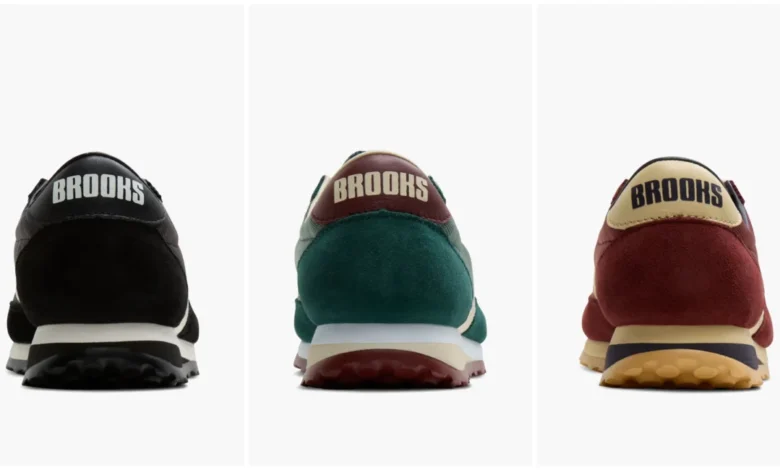
Brooks Running, a brand long synonymous with performance running, is strategically expanding its footprint in the burgeoning lifestyle athletic footwear market with the reintroduction of one of its most iconic heritage models, the Vanguard. Fifty years after its initial debut, the Brooks Vanguard is set to return for 2026, meticulously recreated to honor its 1976 low-profile design while seamlessly integrating advanced comfort technologies. This strategic move underscores Brooks’ commitment to blending its rich athletic legacy with contemporary consumer demands for versatile, all-day wear.
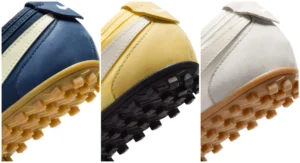
The re-engineered Vanguard maintains a faithful aesthetic to its original silhouette, featuring a classic nylon base reinforced with soft suede overlays at the toe and heel. This design choice pays homage to the era’s minimalist running shoe construction, appealing to a growing segment of consumers seeking retro-inspired footwear. However, the true innovation lies beneath the surface, where Brooks has discreetly incorporated its proprietary DNA Loft cushioning into the shoe’s midsole. This technological upgrade, a hallmark of the brand’s top-performing running shoes, transforms the otherwise vintage construction into a highly comfortable option suitable for extended wear, addressing a common limitation of authentic ’70s-era sneakers. The initial launch will see the Vanguard available in five distinct colorways, ranging from versatile neutral blacks and burgundies to vibrant, spring-like pastel shades, catering to diverse aesthetic preferences.

The Return of a Legend: The Vanguard’s Enduring Legacy
The original Brooks Vanguard, launched in 1976, emerged during a pivotal era for running. The 1970s witnessed a global running boom, transitioning the activity from an niche pursuit to a widespread fitness phenomenon. As participation soared, so did the demand for specialized running footwear. Brooks, established in 1914, was already a respected name in athletic shoes, but the Vanguard marked a significant entry into the competitive running shoe market of the decade. Its design, characterized by simplicity, lightweight construction, and functional support, quickly garnered a following among runners who valued unpretentious performance.
The Vanguard was lauded for its innovative herringbone outsole, which provided superior traction and durability on various surfaces, a crucial feature for runners training on diverse terrains. The shoe’s minimalist upper, typically crafted from nylon and suede, offered a snug yet flexible fit, emphasizing the natural movement of the foot. In an era before the sophisticated cushioning systems of today, the Vanguard represented the pinnacle of accessible running shoe technology, setting a standard for comfort and performance that resonated with a generation of athletes. Its enduring design, therefore, is not merely a stylistic choice for the 2026 reissue but a nod to a foundational period in modern running shoe history, showcasing Brooks’ deep roots in authentic athletic innovation.
Modern Comfort Meets Vintage Style: The Technology Underneath
The genius of the new Vanguard lies in its "invisible" upgrade. While its exterior faithfully replicates the 1976 model, the internal architecture has been completely reimagined to meet contemporary comfort expectations. At the heart of this transformation is Brooks’ DNA Loft cushioning. This proprietary foam technology, developed through extensive biomechanical research, is engineered to provide an exceptionally soft and protective underfoot experience without sacrificing responsiveness or durability. Unlike traditional EVA foams, DNA Loft is a blend of EVA, rubber, and air, designed to adapt to each runner’s unique stride and weight, delivering personalized cushioning.

This strategic infusion of DNA Loft into the Vanguard’s midsole ensures that while the shoe projects a classic aesthetic, its wearability is distinctly modern. For consumers who appreciate vintage style but demand all-day comfort, this fusion is a critical selling point. The technology effectively bridges a half-century gap in footwear evolution, allowing the Vanguard to transcend its historical context and become a relevant, comfortable option for today’s casual and lifestyle wear. This approach mirrors a similar strategy Brooks employed in February with the reissue of its Adrenaline GTS 10. That early 2000s runner received an upgrade with nitrogen-infused DNA Tuned foam, another testament to Brooks’ ability to imbue classic designs with 21st-century performance and comfort attributes. These reissues demonstrate a clear pattern in Brooks’ product strategy: leveraging its extensive archive of iconic designs by updating them with its most advanced cushioning systems, thereby offering a "best of both worlds" proposition to consumers.
Strategic Vision: Brooks’ Broader Lifestyle Push
The reintroduction of the Vanguard is not an isolated event but a calculated move within Brooks Running’s broader strategy to diversify its market presence beyond its core performance running segment. While Brooks remains a dominant force in specialized running footwear, the global athletic lifestyle market presents a significant opportunity for growth and brand expansion. This segment, often referred to as "athleisure" or "run leisure," capitalizes on the blurring lines between athletic apparel, casual wear, and fashion, where consumers seek versatile footwear that performs well and looks stylish.
The company’s commitment to this strategic direction was further solidified in February with the appointment of Claire Wood as its new vice president of footwear product strategy. Wood brings a wealth of experience from prominent lifestyle and athletic brands, having previously held executive positions at New Balance and Sorel. Her expertise in product development and brand strategy within the casual and fashion-oriented footwear sectors is invaluable as Brooks aims to carve out a renewed niche for itself. Her hiring signals a clear intent to elevate Brooks’ design language and market positioning within the lifestyle category, ensuring that products like the Vanguard resonate with a broader consumer base while maintaining the brand’s performance credibility. This focus on lifestyle, complemented by strong leadership, positions Brooks to capture a larger share of the overall footwear market, enhancing its brand appeal and revenue streams.

Industry analysts observe that Brooks’ strategic pivot is well-timed. The retro sneaker trend has shown remarkable staying power, with consumers increasingly drawn to silhouettes and color palettes reminiscent of past decades. Brands that can authentically tap into their heritage while delivering modern comfort and performance are particularly well-positioned. For Brooks, a brand with over a century of history in athletic footwear, the Vanguard reissue is a natural and authentic extension of its narrative, allowing it to appeal to a younger, fashion-conscious demographic without alienating its loyal running community.
Market Landscape and Competitive Dynamics
The lifestyle athletic footwear market is fiercely competitive, dominated by global giants like Nike, Adidas, and Puma, all of whom have extensive heritage archives and robust lifestyle divisions. However, there’s also a significant space for brands like New Balance, which has successfully revitalized many of its classic models, such as the 990 series and the 550, to become highly sought-after lifestyle staples. Brooks’ entry into this space with models like the Vanguard and the Adrenaline GTS 10 reissue places it in direct competition with these established players for the attention of the fashion-forward consumer.
The "athleisure" trend, which gained significant momentum in the 2010s, has evolved beyond mere gym-to-street transitions. Today’s consumers demand footwear that offers versatility for various activities, from daily commutes and social outings to light recreation, all while prioritizing comfort and style. The Vanguard, with its understated aesthetic and enhanced cushioning, is perfectly suited to meet these multifaceted demands. Its no-frills appearance makes it an ideal complement for a wide range of spring and summer wardrobes, offering a stylish yet comfortable alternative to heavier, more structured footwear, especially in warmer climates.

Brooks Running, while traditionally strong in the performance running sector, has been witnessing substantial growth in recent years. This growth is partly attributed to its consistent innovation in running shoe technology and its strong community engagement. By leveraging this established credibility and injecting it into lifestyle products, Brooks aims to attract consumers who may not be core runners but appreciate the brand’s reputation for quality and comfort. This strategy is not just about selling more shoes; it’s about broadening brand perception and establishing Brooks as a relevant player across the entire spectrum of athletic and casual footwear.
Pricing, Availability, and Future Outlook
The Brooks Vanguard is now available for purchase in unisex sizing directly from brooksrunning.com and through select authorized Brooks Running retailers. Priced at $130, the shoe offers a compelling value proposition, combining historical design appeal with modern comfort technology. The debut collection features a thoughtfully curated palette of colorways, including the versatile Black/Coconut Milk, the earthy Mallard Green/Bone White/Port, the serene Cloud Blue/Coconut/Larkspur, the vibrant Grape Shake/Eggnog/Rose Brown, and the rich Port/Crepe/Odyssey. This diverse range ensures that consumers can find a style that resonates with their personal aesthetic, further enhancing the shoe’s appeal as a lifestyle staple.
The successful reintroduction of the Vanguard and the Adrenaline GTS 10 suggests a clear direction for Brooks Running’s future product development. It indicates a sustained focus on mining its extensive archive for other potentially viable heritage models that can be reimagined with contemporary technology. This strategy not only celebrates the brand’s rich history but also provides a distinct competitive edge in a crowded market, offering consumers a unique blend of nostalgia and innovation.

Looking ahead, the implications for Brooks are significant. By successfully expanding into the lifestyle segment, the company can mitigate reliance on the often-cyclical performance running market and tap into a broader, more consistent consumer base. This diversification strengthens its financial outlook and reinforces its position as a multifaceted athletic brand. For the industry, Brooks’ approach highlights the continued importance of brand heritage and the power of thoughtful technological integration in breathing new life into classic designs. As consumer preferences continue to evolve, blending the best of the past with the necessities of the present, Brooks Running appears well-equipped to navigate the future of athletic footwear with its "retro-modern" strategy.