QVC Group Inc. Files for Chapter 11 Bankruptcy to Slash $5.3 Billion Debt Amid Retail Transformation

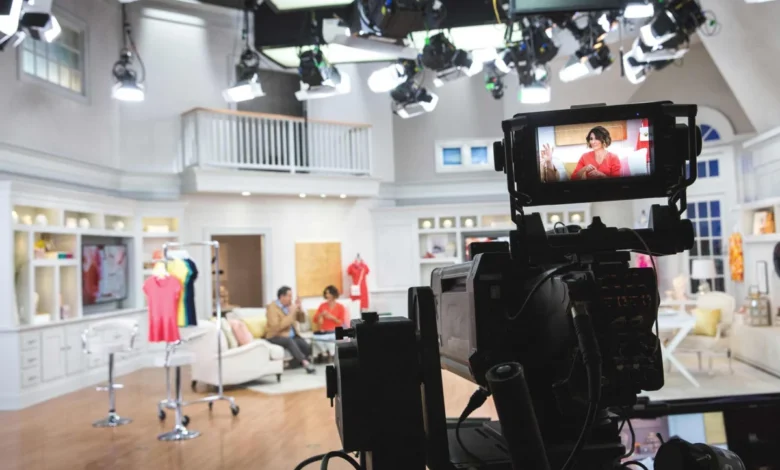
Home shopping network QVC Group Inc., a long-standing fixture in direct-to-consumer retail, has initiated Chapter 11 bankruptcy court proceedings in Texas, a strategic move designed to significantly reduce its substantial debt load by an estimated $5.3 billion. The company, which also operates HSN and Cornerstone Brands, announced a voluntary pre-packaged bankruptcy filing accompanied by a comprehensive restructuring plan, aiming for an expedited exit from court supervision within a tight 90-day timeframe. This financial maneuver is a direct response to a rapidly evolving retail landscape, marked by a structural decline in traditional cable television viewership and the ascendance of digital and social commerce platforms.
A Proactive Restructuring to Address Financial Pressures
The decision to file for Chapter 11 was made public on Thursday night, with QVC Group revealing it had secured a restructuring support agreement with the majority of its lenders. This agreement is critical to the success of the pre-packaged bankruptcy, facilitating a streamlined process that seeks to transform the company’s capital structure. Under the terms of the accord, QVC Group’s total debt is projected to decrease dramatically from approximately $6.6 billion to a more manageable $1.3 billion. This significant reduction in financial leverage is intended to provide the company with the necessary flexibility and resources to invest in its "WIN Growth Strategy" and navigate the competitive modern retail environment.
Crucially, the bankruptcy proceedings are confined to QVC Group’s U.S. operations, ensuring that its extensive international businesses remain unaffected and continue to operate independently. The petition filed with the court listed estimated assets and liabilities each ranging between $1 billion and $10 billion, underscoring the substantial scale of the enterprise undergoing restructuring. Despite the financial overhaul, QVC Group has committed to maintaining operational continuity. The company explicitly stated that vendors, suppliers, and other general unsecured creditors are slated to be "paid in full for all goods and services," a commitment designed to reassure its extensive network of partners. Furthermore, the company affirmed that there are "no planned layoffs or furloughs" associated with the financial restructuring, aiming to minimize disruption to its workforce.
The Creditor Landscape: A Glimpse into QVC’s Partnerships
The bankruptcy filing shed light on QVC Group’s intricate web of supplier relationships, listing its top 30 creditors with the largest unsecured claims. Among these are several prominent names in the footwear and fashion industries, highlighting the diverse range of products QVC offers across its platforms.
In the footwear sector, C&J Clark America Inc., the U.S. subsidiary of the venerable British footwear firm Clarks, stands as a significant creditor, owed approximately $6.27 million. Clarks, known globally for its classic designs like the Wallabee and Desert Boot, has long been a staple on home shopping channels, offering comfort and style to a broad demographic. Another notable shoe vendor is Waco Shoe Co LLC, which specializes in men’s and women’s footwear designed to alleviate common foot ailments such as plantar fasciitis and heel pain. Waco Shoe Co. is owed $2.91 million, reflecting its role in providing specialized comfort solutions to QVC’s customer base. Popular comfort shoe brand Skechers USA Inc. is also listed, with an unsecured claim of $1.65 million. Skechers, a dominant player in the global footwear market, has successfully leveraged home shopping channels to reach consumers seeking accessible and comfortable shoe options. The presence of these major footwear brands among the top creditors underscores the significant role QVC has played as a distribution channel for the industry.
Beyond footwear, other fashion and beauty brands are also among the unsecured creditors. Beauty brand Beekman 1802, known for its goat milk-based skincare and lifestyle products, is owed $3.15 million. Diane Gilman Jeans LLC, a popular denim brand frequently featured on QVC, has a claim of $2.21 million. Additionally, denim brand NYDJ (Not Your Daughter’s Jeans), which specializes in flattering fits, is owed $2.15 million. These figures illustrate the substantial trade relationships QVC Group maintains across various consumer product categories, and the company’s commitment to paying these creditors in full is crucial for preserving these valuable partnerships post-restructuring.
Background: Navigating a Paradigm Shift in Retail
QVC Group’s financial challenges and subsequent restructuring reflect broader seismic shifts within the retail industry. For decades, QVC, alongside its sister network HSN, thrived on a business model deeply rooted in traditional cable television consumption. The live, interactive format, featuring hosts showcasing products and engaging with viewers, created a unique shopping experience that resonated with millions of households. However, the media landscape has undergone a profound transformation. The rise of streaming services, on-demand content, and a proliferation of social media platforms have led to a structural decline in linear cable television viewership. Consumers, particularly younger demographics, are increasingly discovering and purchasing products through digital channels, often influenced by social media influencers, short-form video content, and direct brand engagements.
Compounding these challenges, QVC Group also faced external economic pressures, notably the tariffs imposed under the Trump administration. These tariffs significantly impacted the cost of goods sourced from China, a major manufacturing hub for many of QVC’s products. The company was compelled to strategically pivot its sourcing operations, diversifying its supply chain to mitigate the financial impact of these trade policies. This dual pressure – from evolving consumer habits and geopolitical trade dynamics – created a compelling need for QVC Group to re-evaluate its operational and financial strategies.
The "WIN Growth Strategy": A Vision for the Future
In response to these market forces, QVC Group had already embarked on an ambitious three-year "WIN Growth Strategy" (2024 to 2026), designed to reposition the company at the forefront of "live social shopping." David Rawlinson, QVC Group’s president and CEO, articulated the core tenets of this strategy, emphasizing the imperative to "reach customers wherever they shop" while simultaneously driving operational efficiencies.
Rawlinson highlighted several early successes and key initiatives under this strategy. The company has made significant inroads into the burgeoning live social shopping arena, particularly on platforms like TikTok Shop U.S., where it has rapidly become a top seller. This strategic focus has yielded tangible results: QVC Group reported acquiring nearly 1 million new U.S. customers on TikTok Shop in 2025. This influx of new customers contributed to QVC US growing its total customer file last year (2025) for the first time in over four years, signaling a crucial turnaround in customer acquisition trends.
Beyond social media, QVC Group has also aggressively expanded its presence on streaming platforms. The QVC+ and HSN+ streaming service has gained considerable traction, now boasting 1.5 million monthly active users. Sales attributed to streaming grew by an impressive 19 percent in 2025, demonstrating the effectiveness of diversifying beyond traditional cable. Furthermore, the company has undertaken internal consolidations, streamlining its HSN and QVC operations to enhance synergy and efficiency. Strategic partnerships with critical social and media entities have also been forged, aiming to broaden reach and engagement. Rawlinson underscored that the support of lenders and the establishment of a more appropriate capital structure through the Chapter 11 process are vital to accelerate the company’s return to sustainable growth and fully realize the potential of its WIN Growth Strategy. He reiterated the company’s unwavering focus on serving its customers, confident that the restructuring will provide the financial foundation needed for future expansion.
Operational Stability and Ample Liquidity
Despite the bankruptcy filing, QVC Group assures its stakeholders of full operational continuity across its entire brand portfolio. This includes the flagship QVC network, the Home Shopping Network (HSN), and its collection of Cornerstone Brands. Cornerstone Brands encompass a suite of popular home and apparel lifestyle brands such as Ballard Designs, Frontgate, Grandin Road, and Garnet Hill. All these entities are operating as usual, ensuring that customers can continue to shop and interact with their favorite brands without interruption.
Financially, QVC Group reported a robust cash position, holding over $1 billion in cash and cash equivalents as of December 31, 2025. This substantial liquidity, combined with cash flow generated from ongoing operations, provides the company with "ample liquidity to meet its business obligations during the U.S. court-supervised process." This strong financial footing is a critical factor in the company’s ability to navigate the Chapter 11 proceedings smoothly and efficiently, reinforcing its commitment to its vendors, employees, and customers.
QVC’s Filing in a Broader Context of Corporate Bankruptcies
QVC Group’s Chapter 11 filing is not an isolated incident but rather indicative of a broader trend of elevated corporate bankruptcies across the U.S., particularly within the retail and consumer sectors. Data from S&P Global Market Intelligence highlights a significant increase in court-supervised bankruptcy filings. In March, large U.S. corporate bankruptcies surged to 69, up from 54 in February, marking the highest monthly total for the first quarter of the year. The cumulative number of large corporate filings for the first three months of the year reached 180, signaling a challenging economic environment for many enterprises.
The fashion industry, in particular, has seen several high-profile bankruptcies recently. Among the 10 largest U.S. bankruptcies filed since January 1, with liabilities exceeding $1 billion, two were fashion companies: Saks Global Enterprises, which filed on January 13, and Eddie Bauer LLC, which submitted its petition on February 9. Additionally, Lycra Co. LLC, a key supplier in the apparel industry, filed last month with liabilities ranging between $100 million and $500 million. QVC Group’s inclusion in this list further underscores the pressures faced by established retail giants grappling with shifting consumer behaviors, increased digital competition, and macroeconomic headwinds. The company’s strategic use of a pre-packaged Chapter 11 aims to differentiate its process, allowing for a quicker, more controlled resolution compared to more contentious bankruptcy proceedings, ultimately positioning it for a more resilient future in the dynamic world of retail.