9 More Sustainable Sandals Like Birkenstocks You’ll Love – Good On You

The ubiquitous presence of Birkenstock sandals, particularly the iconic Arizona style, marks a significant chapter in the ongoing narrative of comfort fashion. These chunky German sandals, once relegated to niche counter-culture movements or considered a fashion faux-pas, have staged an undeniable resurgence, cementing their status as a global footwear phenomenon. However, as their commercial star continues to ascend, an independent assessment of their environmental and social footprint reveals a less stellar trajectory, leading to a "Not Good Enough" rating across critical sustainability metrics. This divergence between popular appeal and ethical performance prompts a closer examination of the brand’s practices and a search for alternatives that align with evolving consumer values.
The Phenomenon of the "Dad Sandal" and Birkenstock’s Resurgence
The "dad sandal" trend, characterized by its practical, often clunky aesthetic, has proven remarkably resilient in the fashion landscape. Its enduring appeal lies in a blend of comfort, utility, and a nostalgic, somewhat ironic embrace of styles previously deemed unfashionable. Birkenstock’s Arizona, with its distinctive two-strap design and anatomically shaped cork-latex footbed, has been a quintessential emblem of this trend. Its design, initially developed for orthopedic support, found an unexpected home in mainstream fashion, evolving from a hippie staple in the 1960s and 70s to a symbol of effortless cool in the 21st century.
Birkenstock’s journey to mainstream popularity has been a multi-faceted phenomenon. Originating in Germany in 1774, the brand boasts a rich heritage rooted in health and wellness footwear. For centuries, the Birkenstock family focused on developing supportive insoles, culminating in the creation of the flexible cork footbed in 1897. The sandal designs that are recognizable today began to take shape in the mid-20th century, with the Madrid model introduced in 1963 and the Arizona following shortly after. These designs, initially embraced by health-conscious consumers and later by counter-culture movements for their natural aesthetic and comfort, maintained a steady presence for decades.
The most recent surge in Birkenstock’s popularity, particularly noted in the 2020s, can be attributed to several convergent factors. Social media platforms, such as Instagram and TikTok, played a pivotal role in disseminating the "dad sandal" aesthetic, turning once-niche items into viral sensations. Celebrity endorsements, both overt and subtle, further amplified their desirability. The brand’s strategic entry into high fashion, through collaborations with esteemed designers like Rick Owens, Valentino, Dior, and Manolo Blahnik, successfully elevated its image from casual comfort to luxury chic. A notable appearance in the highly anticipated 2023 Barbie movie further cemented its place in popular culture. By 2026, Birkenstock’s commercial momentum is robust, evidenced by its continued expansion into new product categories, including a bridal collection launched with Danielle Frankel and a recent foray into nail polish. This consistent growth culminated in the brand’s initial public offering (IPO) on the New York Stock Exchange in October 2023, underscoring its significant market value and global reach.
The Sustainability Dilemma: Why Birkenstock Rates "Not Good Enough"
Despite its widespread appeal and commercial triumphs, Birkenstock faces increasing scrutiny regarding its sustainability performance. According to independent ratings, the brand is assessed as "Not Good Enough" across critical environmental, labor, and animal welfare indicators. This comprehensive evaluation suggests that while Birkenstock has mastered market penetration, its commitment to ethical production practices lags behind its public image.
The "Not Good Enough" rating, assigned by organizations dedicated to assessing fashion brands’ impact, signifies that the brand demonstrates limited progress or transparency in addressing key sustainability challenges. In a detailed review, several areas of concern were highlighted:
- Lack of Lower-Impact Materials: Birkenstock’s traditional construction heavily relies on materials such as leather, cork, and EVA (ethylene-vinyl acetate). While cork is a renewable resource, the sourcing and processing of leather raise significant environmental and ethical questions. Conventional leather production is resource-intensive, requiring substantial amounts of water, land, and chemicals, and contributes to greenhouse gas emissions. The brand’s reported use of lower-impact materials, such as recycled or organic alternatives, appears to be insufficient to significantly offset its overall material footprint.
- Absence of Living Wages: A crucial aspect of ethical production is ensuring that workers throughout the supply chain earn a living wage—an income sufficient to afford a decent standard of living for themselves and their families. The assessment indicates a lack of verifiable commitment or implementation of living wage policies within Birkenstock’s extensive manufacturing network. This raises concerns about potential labor exploitation and social inequities, particularly in regions where manufacturing costs are lower. Transparency regarding supplier factories, auditing processes, and remedial actions for non-compliance are vital components often missing from brands rated "Not Good Enough."
- Insufficient Animal Welfare Regulations: Given Birkenstock’s reliance on leather and wool (for certain linings), animal welfare practices in its supply chain are a significant consideration. The "Not Good Enough" rating suggests that the brand either lacks robust policies to ensure animal welfare, or fails to provide adequate evidence of their implementation. This could pertain to the conditions under which animals are raised, the methods of their slaughter, or the traceability of animal-derived materials to certified, ethical sources. For consumers increasingly concerned about animal cruelty, this aspect presents a considerable ethical hurdle.
Industry Context and Consumer Demand for Transparency
The scrutiny faced by Birkenstock is part of a broader trend within the fashion industry. Consumers globally are becoming more discerning, demanding greater transparency and accountability from brands regarding their environmental and social impact. This shift is driven by increasing awareness of climate change, human rights issues in supply chains, and the ecological footprint of fast fashion. Data from various consumer surveys consistently show a growing preference for sustainable and ethical products, even if it means paying a premium. For instance, a 2023 report by Statista indicated that over 60% of consumers globally consider sustainability an important factor when making purchasing decisions.
Sustainability experts emphasize that a holistic approach is necessary for brands to genuinely be considered sustainable. This includes not only material choices but also energy consumption in manufacturing, waste reduction strategies, water management, fair labor practices, and circularity initiatives. Brands that fail to address these interconnected issues risk losing market share among conscious consumers and facing reputational damage.
Birkenstock’s Response and Broader Implications
While Birkenstock has not publicly detailed a comprehensive response to specific "Not Good Enough" ratings from independent bodies, the brand has historically emphasized the durability and longevity of its products, its use of natural materials like cork, and its commitment to quality. The argument often presented by brands in similar situations is that investing in durable products inherently reduces consumption and waste, thereby contributing to sustainability. However, critics argue that durability alone does not absolve a brand from responsibility concerning the origins of its materials or the treatment of its labor force. It is reasonable to infer that Birkenstock, like many large corporations, is likely engaged in internal discussions and strategies to address sustainability concerns, particularly as investor and consumer pressure mounts. Their IPO prospectus, for example, would have detailed certain ESG (Environmental, Social, and Governance) commitments, however nascent.
The broader implications of such ratings extend beyond individual brands. They highlight a fundamental tension between rapid commercial expansion, trend cycles, and the slow, complex process of embedding deep-seated sustainability throughout a global supply chain. For the fashion industry, the spotlight on brands like Birkenstock serves as a powerful reminder that "business as usual" is no longer acceptable. It encourages investment in innovation for lower-impact materials, fairer labor practices, and greater supply chain transparency.
Navigating Conscious Consumption: Ethical Alternatives to Birkenstocks
For consumers who appreciate the comfort and style of Birkenstock sandals but wish to align their purchases with stronger ethical and sustainable principles, a growing number of brands offer compelling alternatives. These companies have taken the popular foot-contouring sandal style and reinterpreted it through a conscious lens, prioritizing people, planet, and animals. It is crucial to remember, however, that the most sustainable fashion choice is always what one already owns. Therefore, the recommendation stands: use existing sandals until they are beyond repair, explore second-hand options, and only purchase new if genuinely needed. When the time comes for a new pair, consider these ethically-minded brands:
ESSÄN
Founded in 2016 by Marre Muijs, ESSÄN emerged as a direct challenge to the fashion industry’s prevalent overproduction and trend-driven cycles. The brand champions a philosophy of careful craftsmanship over mass production, focusing on timeless classics rather than fleeting trends. ESSÄN limits its production runs to minimize waste and employs low-waste cutting techniques in its manufacturing processes. Rather than adhering to a seasonal fashion calendar, ESSÄN offers a single, permanent collection, fostering a sense of enduring style and responsible consumption. This approach significantly reduces the environmental impact associated with conventional fashion cycles, making it a strong contender for conscious consumers.
Elk
As a pioneering force in independent Australian design, Elk has been a beacon of thoughtful fashion since its inception in Melbourne in 2004. The brand is distinguished by its bi-annual collections, which are meticulously informed by a design ethos that seamlessly blends simplicity with innovation, all while prioritizing sustainability. Elk’s commitment extends to its material choices, production methods, and the longevity of its designs. They strive to create pieces that are not only stylish but also durable and ethically produced, reflecting a deep respect for both the environment and the artisans involved. Many of their items are available in a broad range of sizes, from AU 6-18, promoting inclusivity.
Up-Fuse
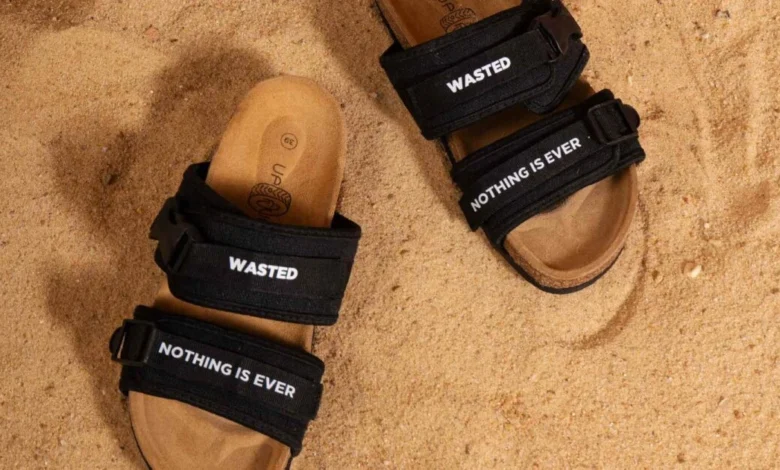
Up-Fuse is a Cairo-based social enterprise that embodies the principles of a circular economy and social empowerment. Operating under the belief that "one’s trash is another’s fabric," Up-Fuse specializes in transforming discarded materials into unique and functional products. Beyond its innovative material use, the brand holds a profound social mission: it actively collaborates with Syrian, Ethiopian, and Sudanese female refugees in Egypt. This partnership provides meaningful employment, fair wages, and skill development opportunities, directly contributing to the economic empowerment and integration of marginalized communities. Choosing Up-Fuse supports both environmental regeneration and humanitarian efforts.
Spell
An Australian fashion label renowned for its bohemian aesthetic, Spell draws inspiration from a rich tapestry of far-off places, treasured vintage finds, and nostalgic childhood memories. While celebrated for its distinctive style, Spell is equally committed to responsible production. Its garments are proudly designed and sampled in Byron Bay, Australia, with production managed responsibly across various factories globally. Spell emphasizes ethical sourcing and manufacturing practices, striving to minimize its environmental footprint while ensuring fair labor conditions. The brand offers a wide range of sizes, from 2XS to 2XL, ensuring accessibility for a diverse customer base.
Vesica Piscis
Hailing from Spain, Vesica Piscis is a dedicated vegan footwear brand that stands out for its profound commitment to environmental stewardship. The brand utilizes a high proportion of lower-impact materials, specifically avoiding all animal-derived products. A significant aspect of its sustainability strategy is the exclusive use of renewable energy in its manufacturing facilities, dramatically reducing its carbon footprint. Furthermore, Vesica Piscis operates on a made-to-order basis, a production model that virtually eliminates waste from overproduction, a common issue in the fashion industry. This meticulous approach ensures that each pair of shoes, available in sizes 36-46, is crafted with both quality and environmental integrity in mind.
Agazi
Agazi, a vegan footwear brand based in Poland, offers a diverse collection ranging from stylish sneakers and heels to comfortable sandals and flats. Its core philosophy revolves around creating fashionable yet ethical shoes entirely free from animal-derived materials. Agazi innovates by incorporating novel lower-impact materials such as hemp, and plant-based alternative leathers derived from apple skin and grapes. This forward-thinking approach not only provides cruelty-free options but also promotes the use of sustainable, renewable resources, demonstrating a clear path forward for responsible footwear production.
Conclusion: The Power of Conscious Choices
The story of Birkenstock, from orthopedic staple to global fashion icon, reflects the dynamic and often complex nature of the modern fashion industry. While its commercial success and cultural impact are undeniable, the imperative for brands to integrate robust sustainability practices has never been stronger. The "Not Good Enough" rating serves as a critical reminder that consumer choice carries significant power.
As the demand for ethical consumption continues to grow, brands that prioritize transparency, fair labor, environmental stewardship, and animal welfare will increasingly define the future of fashion. By supporting alternatives like ESSÄN, Elk, Up-Fuse, Spell, Vesica Piscis, and Agazi, consumers can enjoy the comfort and style they desire without compromising their values. Ultimately, conscious consumption is about making informed decisions that contribute to a more equitable and sustainable world, one thoughtfully chosen pair of sandals at a time.