The Evolution of Antique Jewelry Curation and the Rise of the Talismanic Aesthetic in the Modern Market

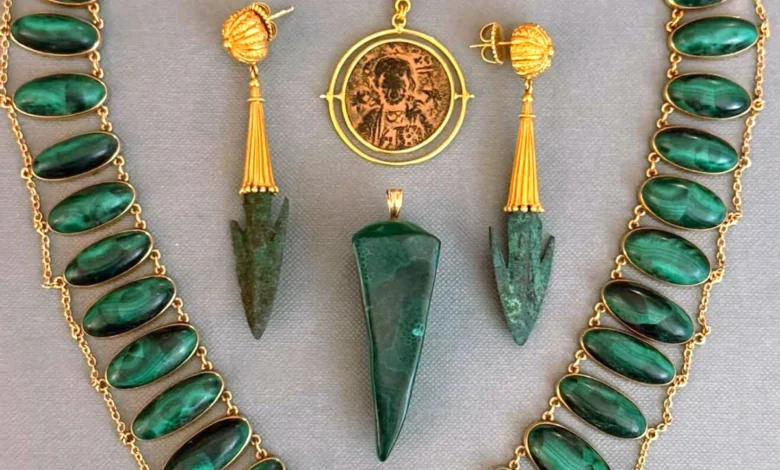
The global antique jewelry market has witnessed a significant transformation over the last decade, transitioning from a niche hobby for estate collectors into a robust secondary market driven by digital communities and the rising popularity of "conversion jewelry." Central to this movement is Cyndi, the curator behind the influential brand @TheFabNab, whose thirteen-year journey from a casual collector to a prominent industry figure illustrates the broader shifts in how historical artifacts are valued, repurposed, and traded in the 21st century. Her collection, characterized by a distinct blend of Victorian symbolism, Art Deco geometry, and edgy, talismanic themes, serves as a case study for the modern "selective collector"—an individual who prioritizes a cohesive aesthetic identity over mere acquisition.
The Chronological Evolution of a Specialized Collection
The trajectory of Cyndi’s career in jewelry reflects the accessible entry points of the early 2010s, a period when the digital marketplace was beginning to democratize access to estate pieces. Her journey began approximately 13 years ago, a timeline that aligns with the post-recession surge in interest for tangible assets and unique, non-mass-produced luxury goods. Initially experimenting with semi-precious beadwork—a trend that dominated the DIY jewelry space in the mid-2000s—she eventually pivoted toward precious metals and historical stones.

Her initial foray into the professional antique market was marked by the acquisition of antique stick pins. At the time, these items were frequently overlooked by major auction houses and could be acquired at relatively low price points. This strategic entry allowed for the development of a "conversion" philosophy: the practice of taking historically significant but functionally outdated items, such as brooches or pins, and modifying them into contemporary rings or charms. This methodology not only maximized a limited budget but also laid the groundwork for what would become her signature "Lucky Numbers + Talismans" collection. This specific capsule line utilizes Edwardian and Art Deco components, reimagining them as personalized emblems that resonate with modern consumers seeking "good juju" or spiritual protection through their adornments.
The Art of Conversion: Reimagining Historical Artifacts
Conversion jewelry has become a significant sub-sector of the antique trade, providing a sustainable way to breathe new life into damaged or underutilized historical pieces. Cyndi’s focus on Victorian-era ruby spikes—originally brooches—highlights a specific trend within the "neckmess" community (a term used by collectors to describe the artful layering of multiple necklaces). These spikes, which symbolize strength, fidelity, and courage, are increasingly rare.
Industry data suggests that genuine Victorian rubies, particularly those with high clarity and saturation, have seen a steady appreciation in value due to the depletion of traditional mines and the high labor costs associated with authentic lapidary work from that era. Because original Victorian spikes are described as being "rarer than hens’ teeth," the modern curator’s role has shifted toward "re-dreaming" existing Art Deco pins into similar silhouettes. This practice satisfies the market demand for "edgy toughness" while preserving the integrity of the antique materials used.

Design Motifs and the Egyptian Revival Influence
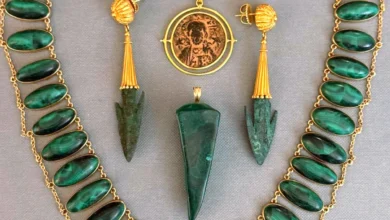
A hallmark of the @TheFabNab collection is its adherence to specific historical movements, most notably the Egyptian Revival and Celestial themes. The Egyptian Revival movement, which saw peaks in the mid-19th century and again following the discovery of King Tutankhamun’s tomb in 1922, is represented in the collection through winged scarabs and brushed gold serpents. These pieces are often characterized by "buttery" high-karat gold, a finish achieved through specific Victorian-era alloying and finishing techniques that are difficult to replicate in modern mass production.
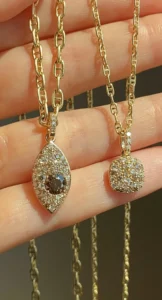
Furthermore, the collection emphasizes celestial motifs—stars and moons—which have remained a staple of jewelry design for centuries. Cyndi’s appreciation for the H.Stern Genesis line indicates a bridge between contemporary high jewelry and antique inspiration. The H.Stern collection is noted for its ability to recreate the "glimmering within a darkened silver setting" look typical of Georgian and Victorian diamond jewelry. The use of old mine cut diamonds, which feature higher crowns and smaller tables than modern brilliant cuts, remains a primary draw for collectors seeking the soft, romantic glow characteristic of candlelight-era jewelry.
Global Sourcing and the Role of Digital Networks
The sourcing strategy employed by modern curators has evolved from local estate sales to a sophisticated global network. Cyndi’s experience highlights several key hubs of the international jewelry trade:

- The Paris Flea Market (Marché aux Puces de Saint-Ouen): A historical epicenter for European antiques, providing access to rare French hallmarks and high-karat gold pieces that rarely reach the American mass market.
- Portobello Road, London: Recognized as one of the world’s premier destinations for antique silver and jewelry, this location serves as a critical networking hub for dealers.
- Major U.S. Trade Shows: Events such as the Miami Antique Show, the Hillsborough Show, and the Las Vegas Antique Jewelry & Watch Show are essential for high-value transactions and professional networking.
The role of social media, particularly Instagram, cannot be overstated in this context. The platform has transitioned from a photo-sharing app to a primary B2B and B2C marketplace. Relationships formed digitally—such as those with Ishy of @IshyAntiques or the team at @treasuresforliesel—often translate into physical trade partnerships. This digital ecosystem allows for the rapid dissemination of information regarding new finds and market trends, creating a "jewelry gang" or community that supports both the emotional and financial aspects of the trade.
Market Analysis: The Shift Toward Talismanic Value
The contemporary jewelry market is seeing a shift away from "investment-only" purchasing toward "talismanic" collecting. This trend is driven by a desire for personal connection and empowerment. As Cyndi notes, jewelry is increasingly viewed as a "layer of love that protects and shields," rather than just superficial glitter. This psychological shift has practical implications for the market:
- Self-Gifting: There is a measurable increase in women purchasing high-end antique jewelry for themselves to commemorate personal victories or milestones, rather than waiting for traditional gifting occasions.
- Customization: The demand for "meaningful" pieces, such as destiny numbers or specific symbols (snakes for rebirth, rubies for strength), has led to a premium on curated, one-of-a-kind items.
- Sustainability: Antique jewelry is inherently eco-friendly, as it involves the reuse of existing stones and metals, appealing to the environmentally conscious Gen Z and Millennial demographics.
Implications for the Future of the Antique Trade
The success of curators like Cyndi indicates that the future of the antique jewelry industry lies in the balance between historical preservation and creative reinvention. While some purists argue against the conversion of original pieces, the market reality suggests that "re-dreaming" artifacts is what keeps the industry viable for a new generation of collectors.

As original Victorian and Edwardian pieces become scarcer, the value of "signature curation"—where a dealer’s specific eye and brand identity become as valuable as the gold itself—will continue to rise. The @TheFabNab collection serves as a blueprint for this new era, where the collector is not just a hoarder of history, but a storyteller who uses ancient symbols to help modern wearers find their "inner badass goddesses."
In conclusion, the antique jewelry market is no longer a static field defined by dusty display cases. It is a dynamic, global, and digitally-integrated industry where the provenance of a piece is matched by the personal narrative of its curator. Through the lens of Cyndi’s thirteen-year evolution, we see a market that is increasingly focused on the intersection of historical craftsmanship, emotional resonance, and the enduring power of the personal talisman. For the discerning collector, the "edgy bit of toughness" found in a repurposed ruby spike is more than a fashion statement; it is a wearable reminder of resilience in an ever-changing world.