A Classic Romance: Inside Jordan and Ben’s Timeless Soft-Pink Wedding Celebration

The wedding industry has undergone significant shifts in recent years, pivoting away from hyper-modern industrial
spaces and ultra-minimalist designs toward a resurgence of traditional, warm, and deeply personal celebrations. Within this broader cultural landscape of matrimonial trends, the wedding of Jordan and Ben stands out as a quintessential example of modern classicism. Blending traditional church architecture with soft, romantic details, the couple’s union captured a growing desire among contemporary couples to honor timeless rituals while maintaining an intimate, family-centered atmosphere. Reported on by wedding industry expert Natalia Bayeva on November 23, 2026, the event has quickly gained attention for its delicate balance of elegance, emotional depth, and understated luxury.
Main Facts and Aesthetic Overview
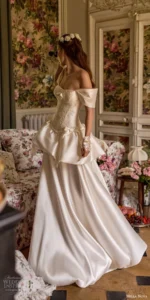
Jordan and Ben’s wedding was defined by a cohesive design philosophy rooted in classic romance. At the visual core of the event was a soft pink floral palette, which manifested in lush garden arrangements, delicate table settings, and subtle bridal accents. Rather than opting for the overwhelming scale or rigid formality that characterized luxury weddings of the past decade, this celebration emphasized approachability and connection.
The day’s aesthetic choices reflect broader market data within the wedding planning sector. According to recent lifestyle and bridal trend reports, pastel palettes—particularly blush pinks, muted lavenders, and cream tones—have seen a twenty-five percent increase in popularity among couples planning traditional ceremonies. This shift indicates a collective psychological move toward calming, soft environments that prioritize guest comfort and emotional resonance over mere visual spectacle.
Chronology of the Day
A successful wedding of this scale relies on a meticulously managed timeline, ensuring that the transition from private anticipation to public celebration feels seamless. Jordan and Ben’s itinerary was structured to maximize meaningful moments while minimizing the stress often associated with high-profile event scheduling.
The morning began with separate preparations. While the groom gathered with his groomsmen to navigate the final hours before the ceremony, the bride and her bridal party focused on the final touches of hair, makeup, and dressing. These preparatory hours offered a quiet, reflective space for both individuals, captured by documentary-style photography that emphasized candid emotions over posed perfection.
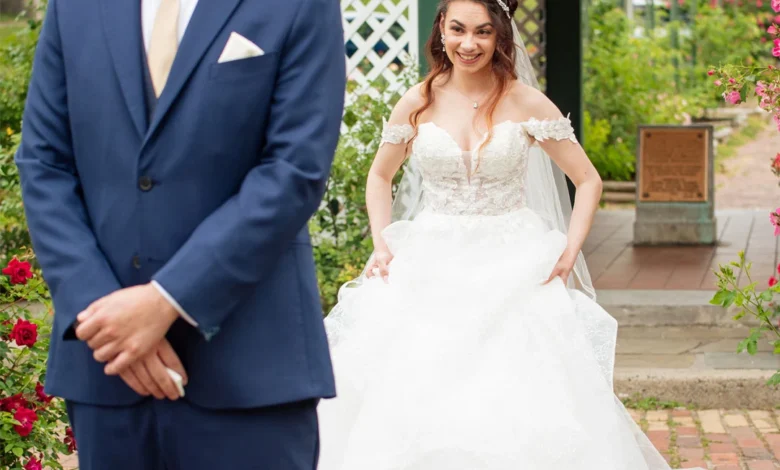
Following the morning preparations, the couple departed from standard convention by opting for a private first look. Staged in a secluded garden area prior to the formal church proceedings, this moment allowed Jordan and Ben to share an emotional, uninterrupted encounter. Industry analysts note that first-look sessions have become increasingly popular, with over sixty percent of couples choosing to see each other before walking down the aisle. This choice not only alleviates pre-ceremony anxiety but also expands the timeline for portrait photography, ensuring the couple can join their guests at the cocktail hour sooner.
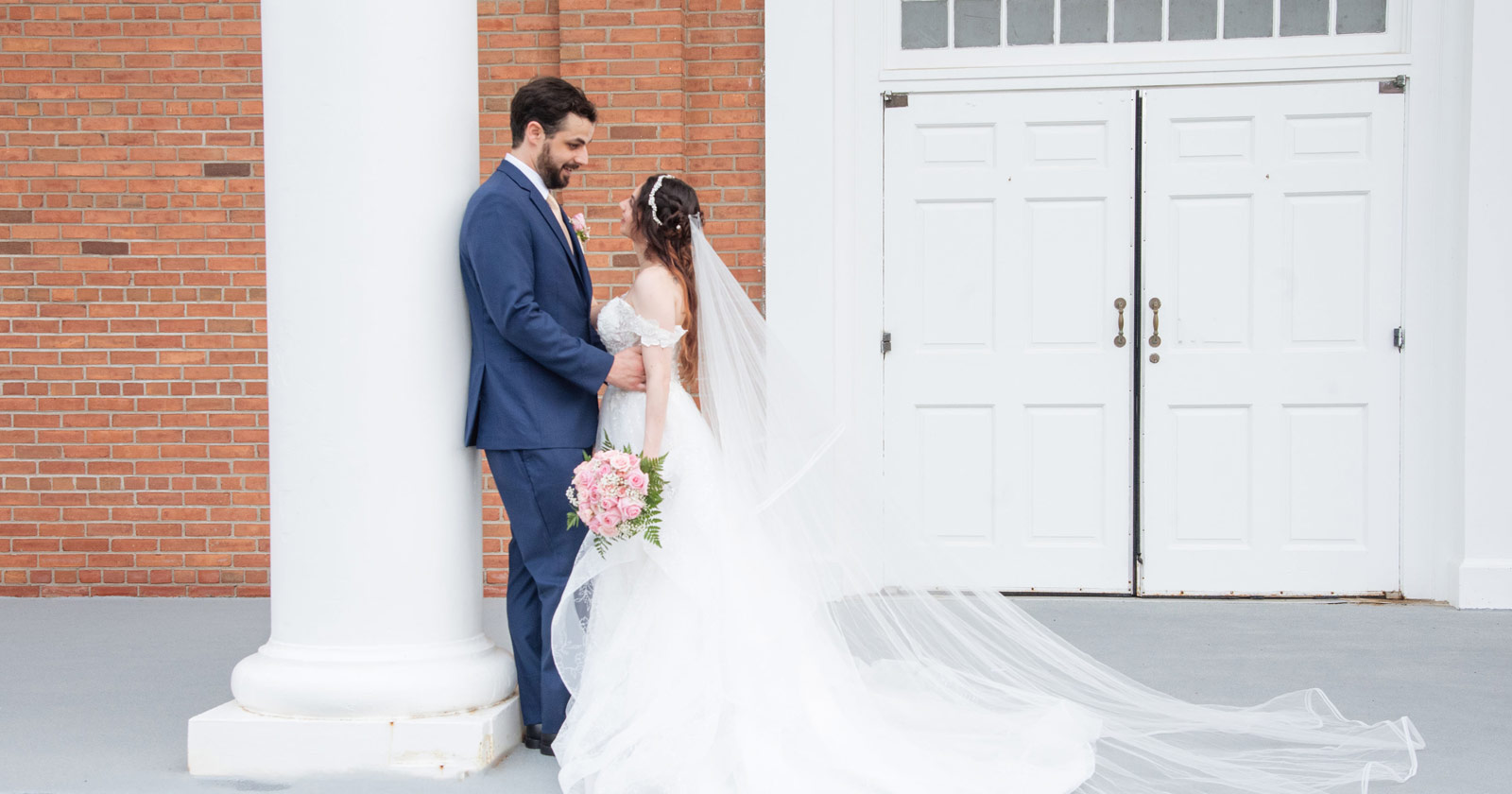
The formal ceremony took place inside a traditional church, anchoring the day in solemnity and historical wedding customs. Surrounded by family and close friends, the couple exchanged traditional vows alongside personalized promises, symbolizing their transition into marriage. The sacred venue provided a striking architectural contrast to the soft, floral-heavy reception spaces that followed.
As the afternoon transitioned into evening, the celebration moved to the reception venue. The chronology of the evening followed a classic sequence: grand entrance, first dances, a formal seated dinner, and the cutting of the wedding cake. Throughout the reception, the atmosphere remained lively yet intimate, culminating in hours of dancing and shared toasts that highlighted the couple’s deep connections with their community.
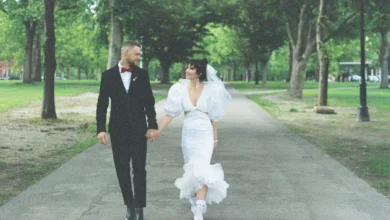
The final phase of the official photography schedule focused on the couple’s portraits. Utilizing the twilight hours and the venue’s surrounding gardens—accentuated by the day’s signature pink blooms—the photographic team captured intimate, unhurried portraits that encapsulated the quiet chemistry defining Jordan and Ben’s relationship.
Supporting Data and Industry Trends
The choices made by Jordan and Ben are emblematic of larger economic and sociological shifts within the multi-billion-dollar wedding industry. Post-pandemic wedding data indicates that couples are spending a higher percentage of their budgets on guest experience and personalized storytelling rather than generic luxury items.
Furthermore, the emphasis on church ceremonies reflects a steadying return to religious and institutional venues. While barn weddings and outdoor tent galas dominated the late 2010s, urban and suburban churches have experienced a notable resurgence, particularly among demographics valuing generational continuity and architectural heritage. The integration of soft pink floristry into a traditional church setting demonstrates a successful synthesis of modern aesthetic preferences with historic spaces.
Participant and Vendor Perspectives
While the couple remained private regarding the specific financial metrics of their celebration, statements and insights gathered from lifestyle commentators like Natalia Bayeva shed light on the mechanics behind such successful events. According to bridal logistics experts, the secret to executing a wedding that feels both high-end and effortless lies in vendor collaboration and disciplined timeline management.
The event’s success hinged on a coordinated effort between floral designers, architectural venues, and documentary-style photographers. By selecting vendors whose portfolios aligned with a soft, romantic, and unobtrusive style, Jordan and Ben ensured that the documentation of their day felt authentic. Observers noted that the absence of forced poses or overly rigid scheduling allowed the true personality of the couple and their guests to anchor the narrative of the day.
Broader Impact and Implications
The widespread interest in Jordan and Ben’s wedding points to a broader cultural fatigue with hyper-curated, social-media-driven spectacles. As trends move toward what industry insiders call "quiet luxury" in weddings, events like this one serve as a blueprint for future brides and grooms.
The implications for the wedding planning market are clear: future celebrations will likely continue to favor emotional authenticity, sustainable local floristry, and a return to classic architectural settings over fleeting, high-cost novelties. By prioritizing family connection, emotional resonance, and timeless design, Jordan and Ben managed to create a celebration that transcends seasonal trends, offering a masterclass in modern-classic nuptial design.