Bi Pham Debuts His Inclusive Wedding Collection at New York Bridal Fashion Week

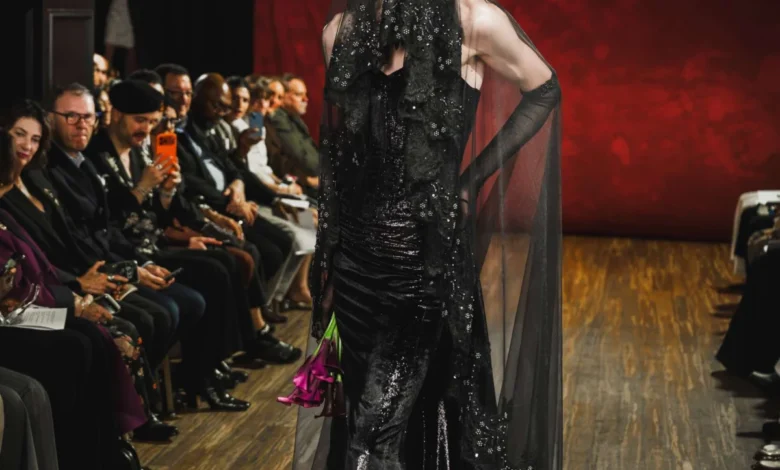
The landscape of bridal fashion is undergoing a seismic shift, and at the epicenter of this transformation stands designer Bi Pham. Following his notable tenure on Project Runway Season 22, Pham took to the runway at New York Bridal Fashion Week (NYBFW) to unveil his debut bridal collection, titled The Joy of Celebration. In an industry often criticized for its adherence to rigid, traditional aesthetics, Pham’s presentation served as a stark departure from the status quo, prioritizing radical inclusivity and intentional design over the industry’s typical "safe" commercial approach.
A Departure from Tradition
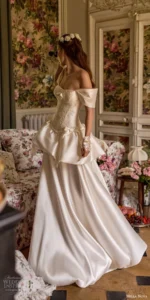
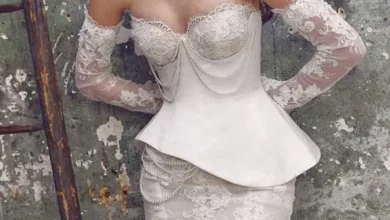
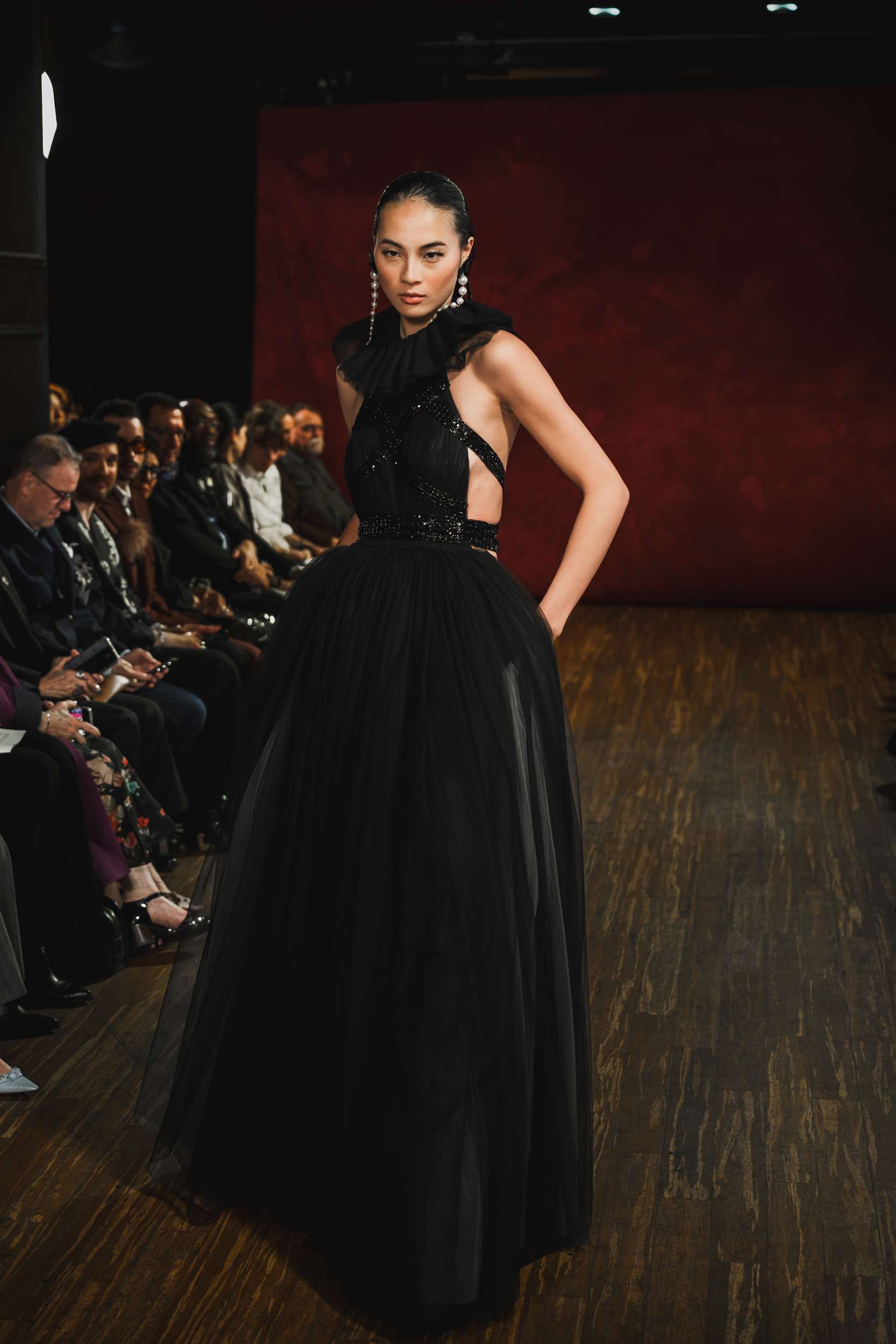
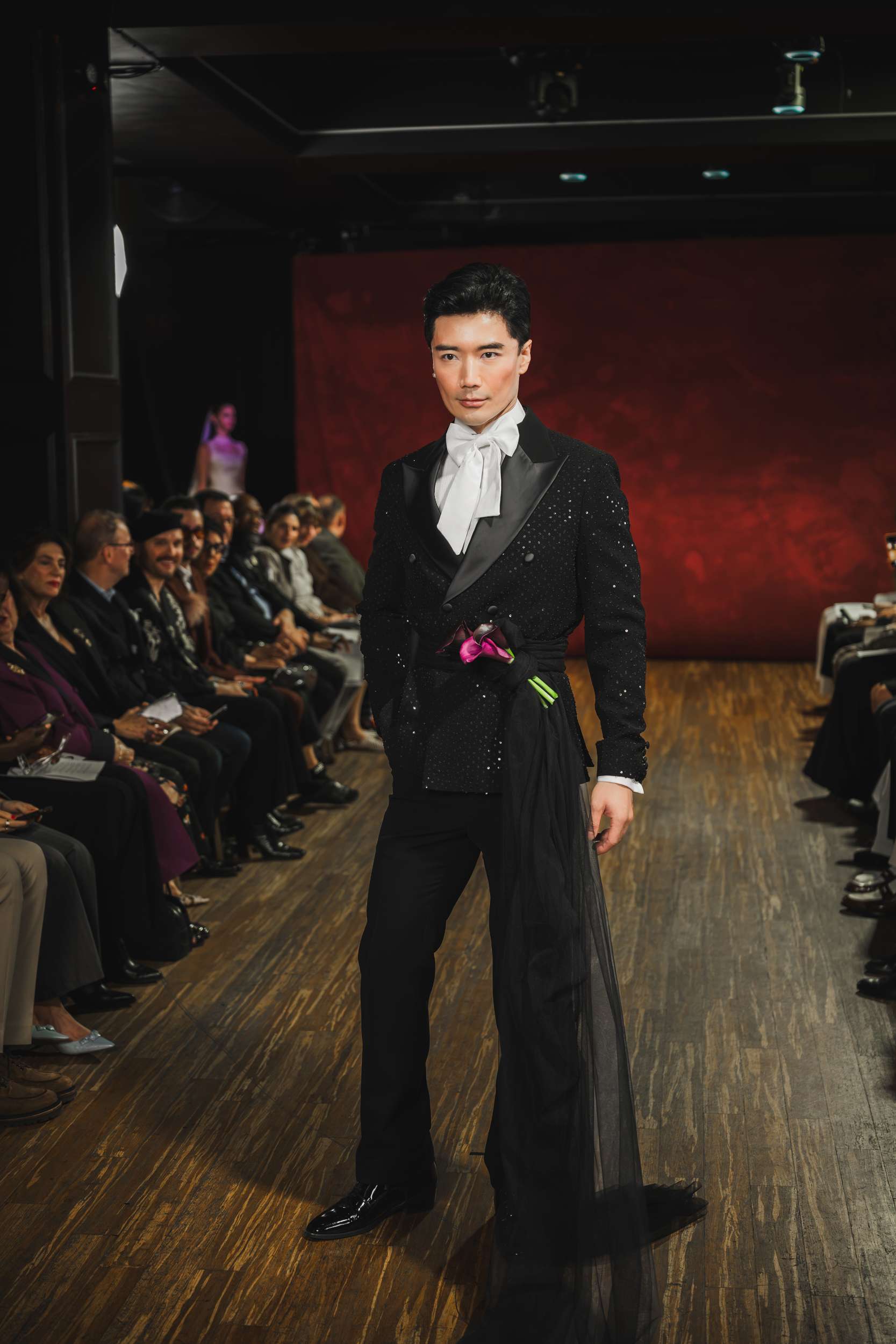
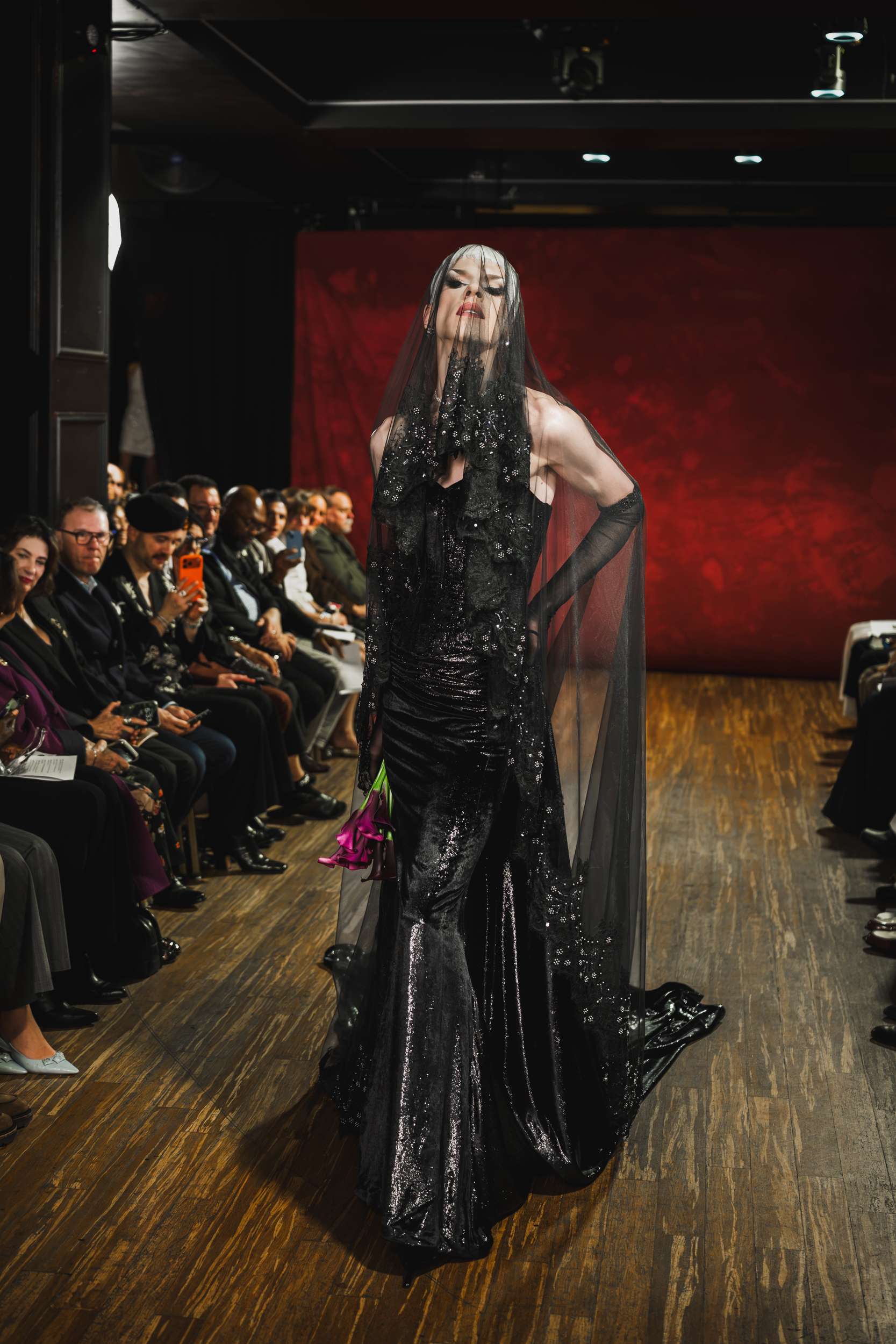
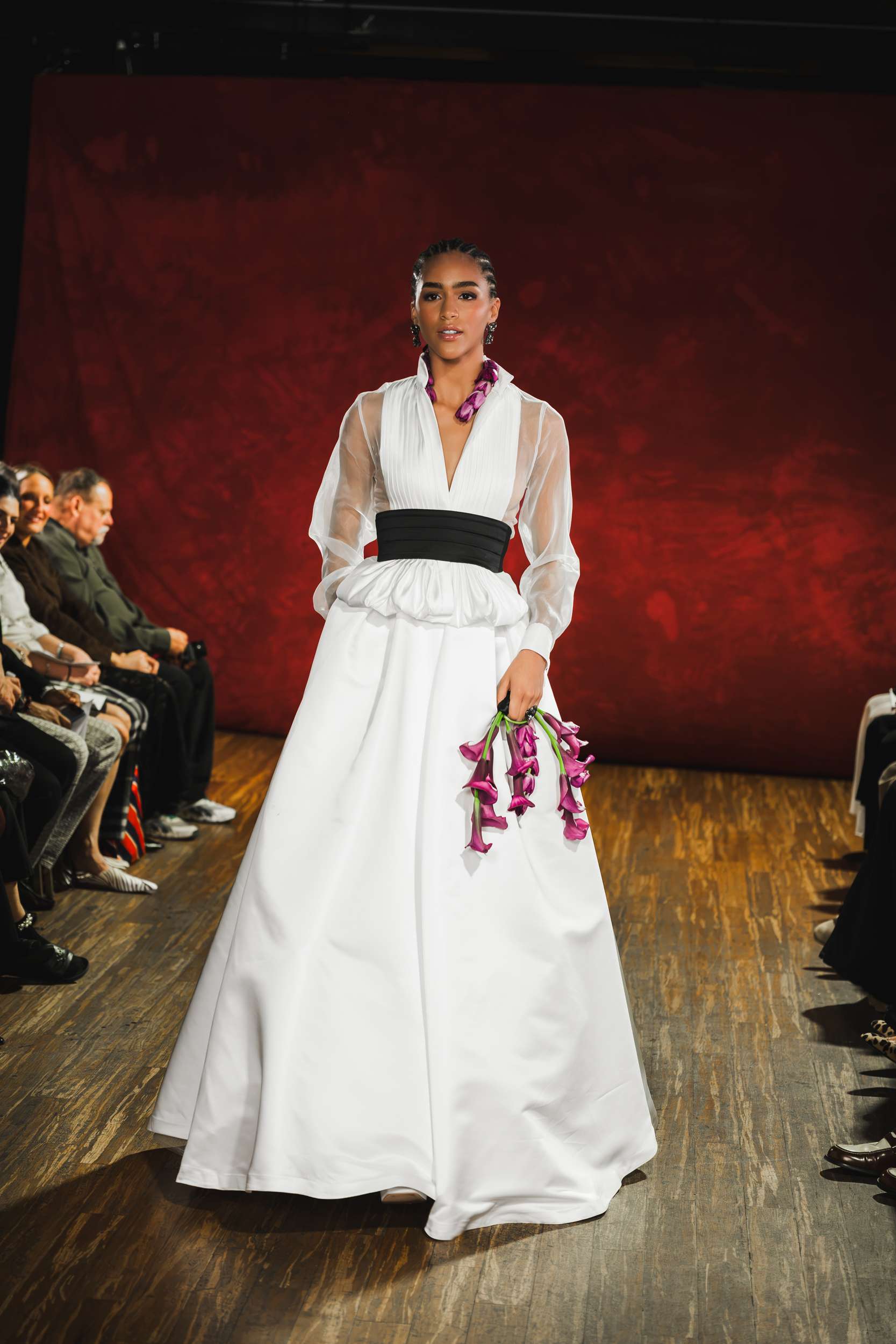
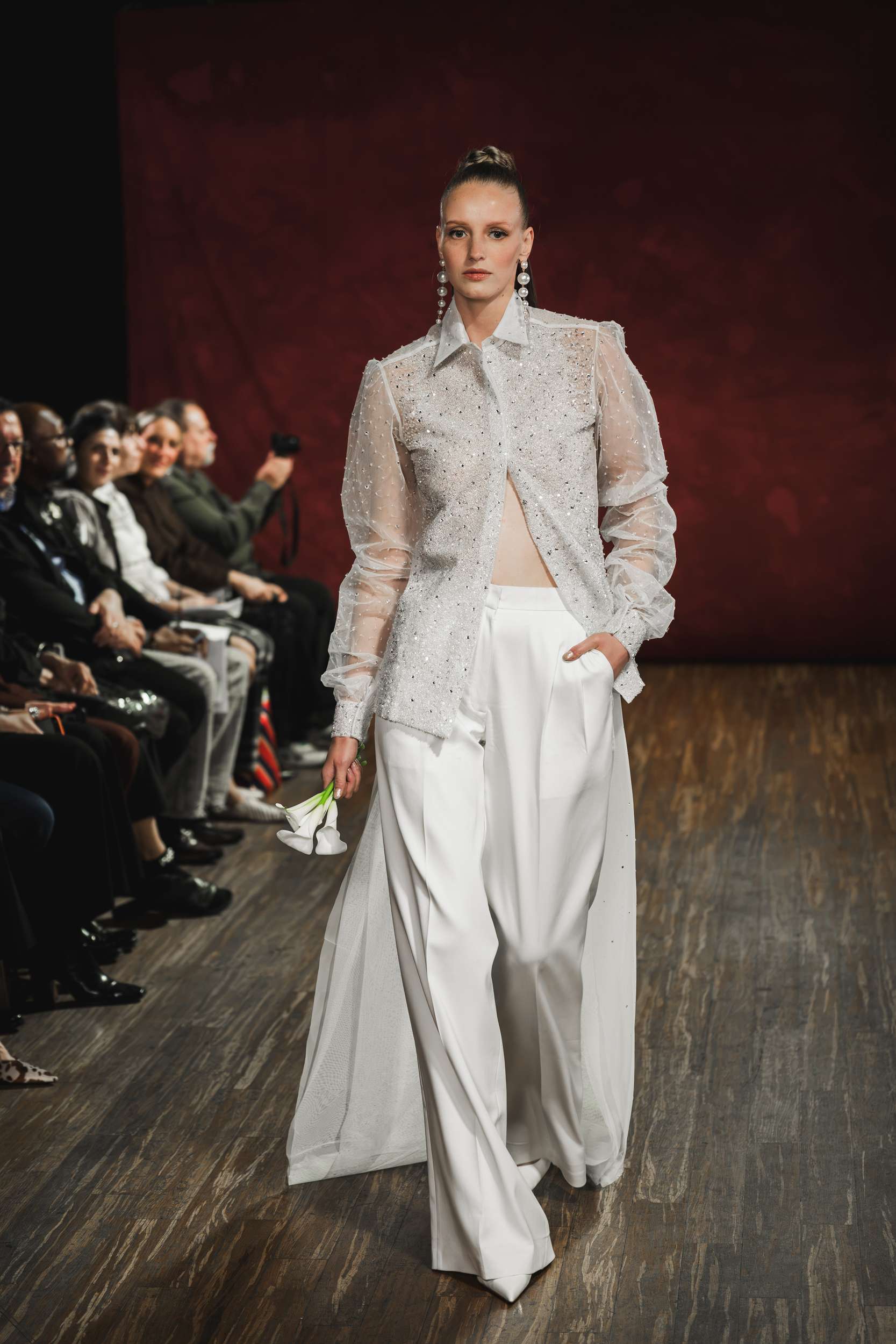
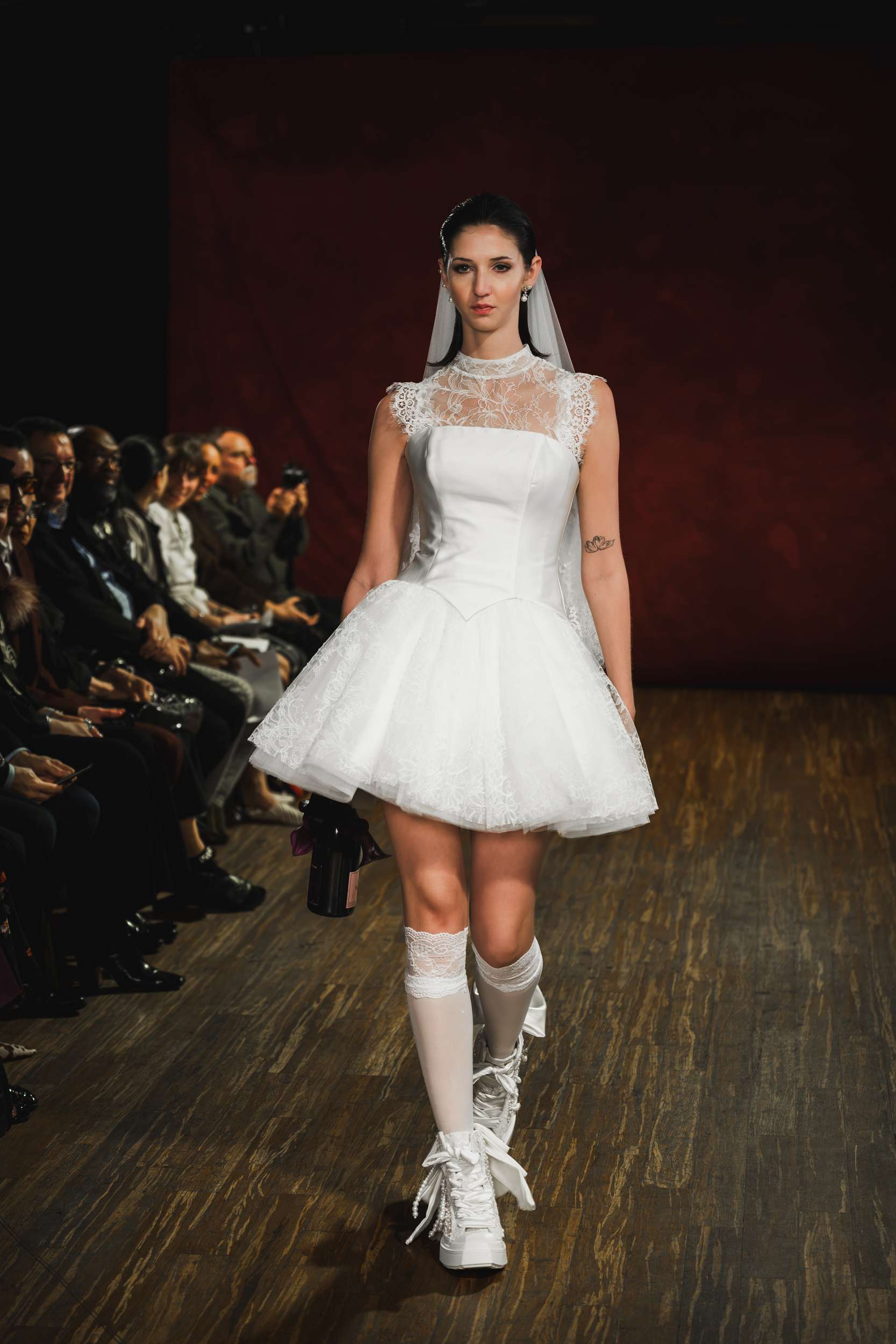
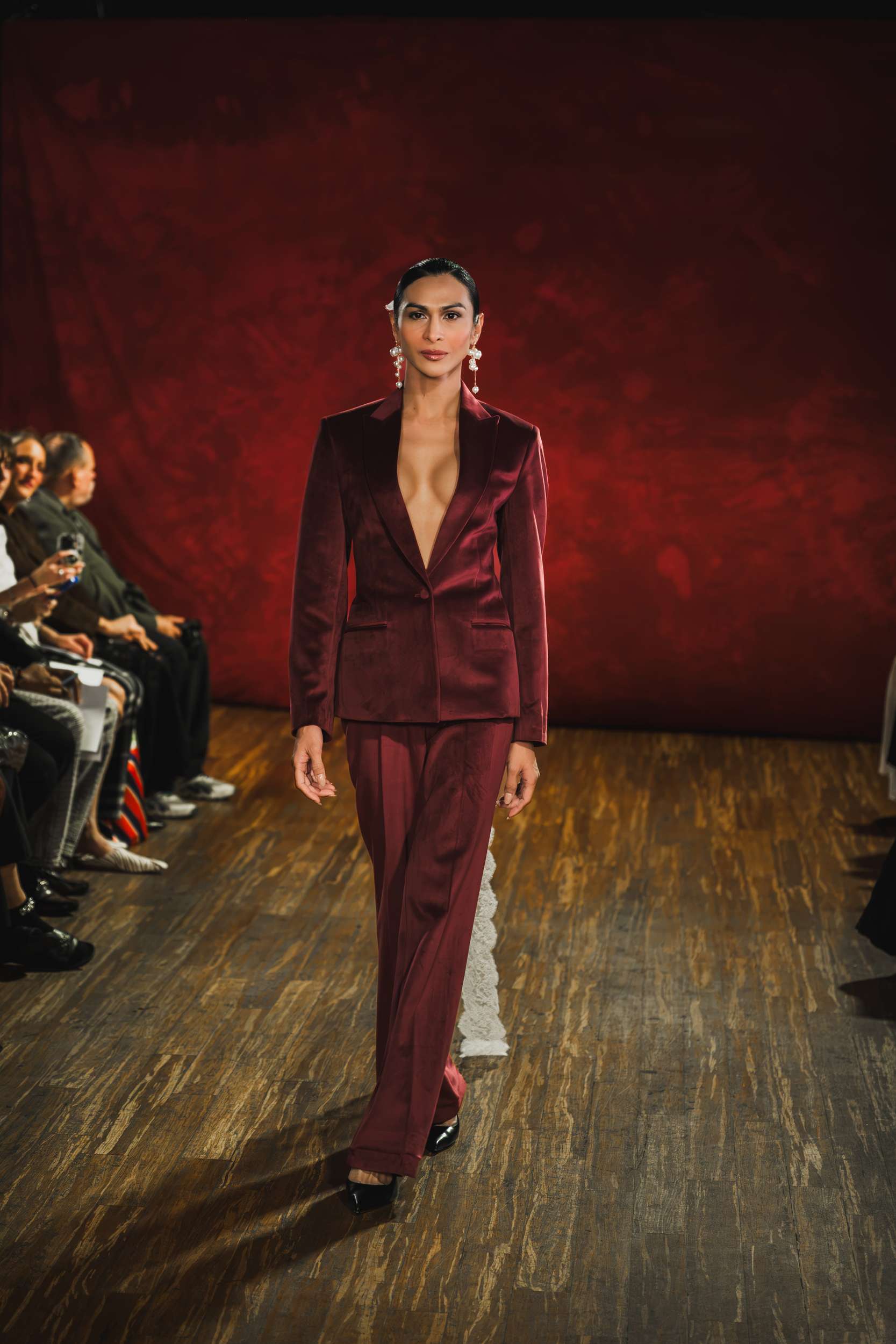
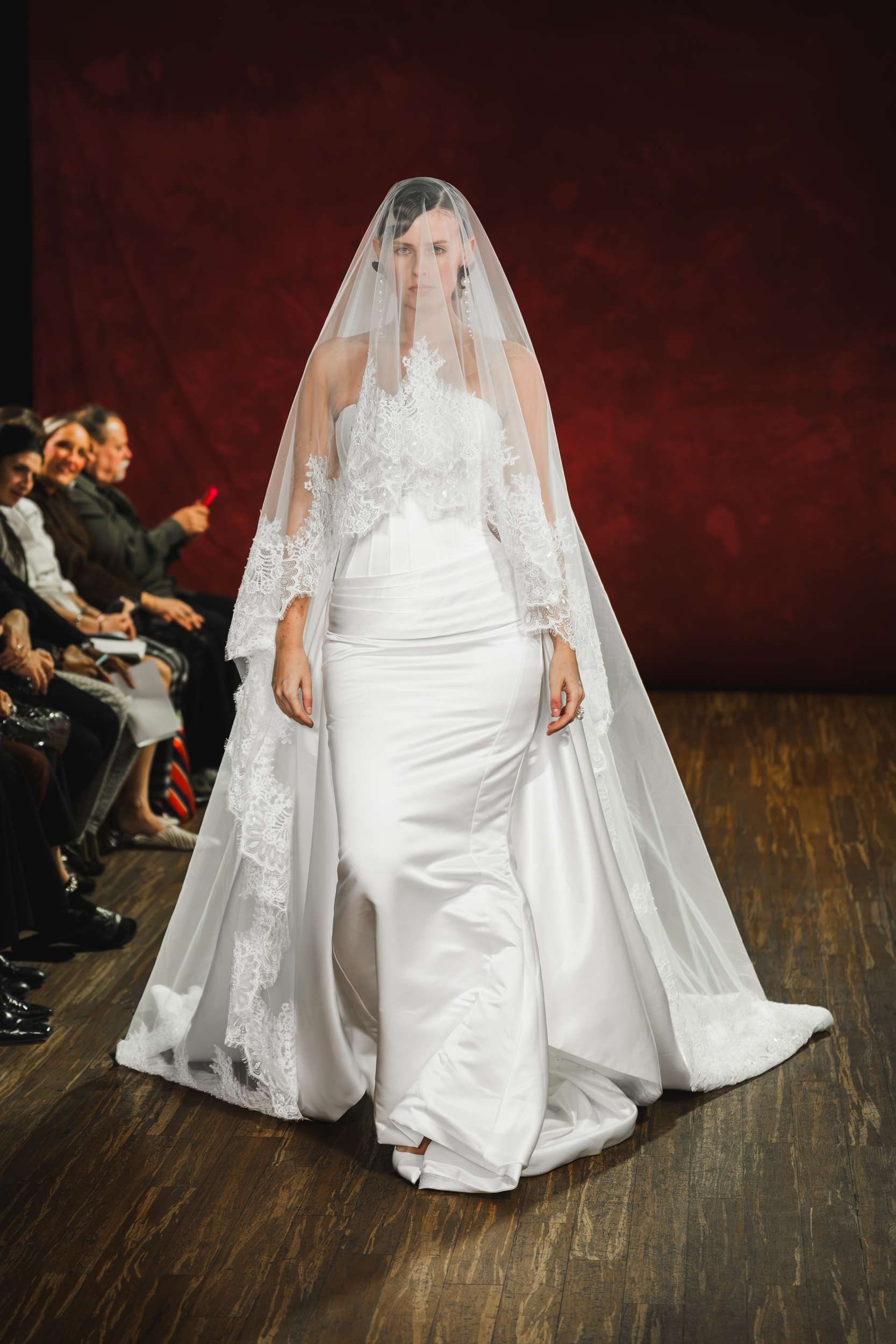
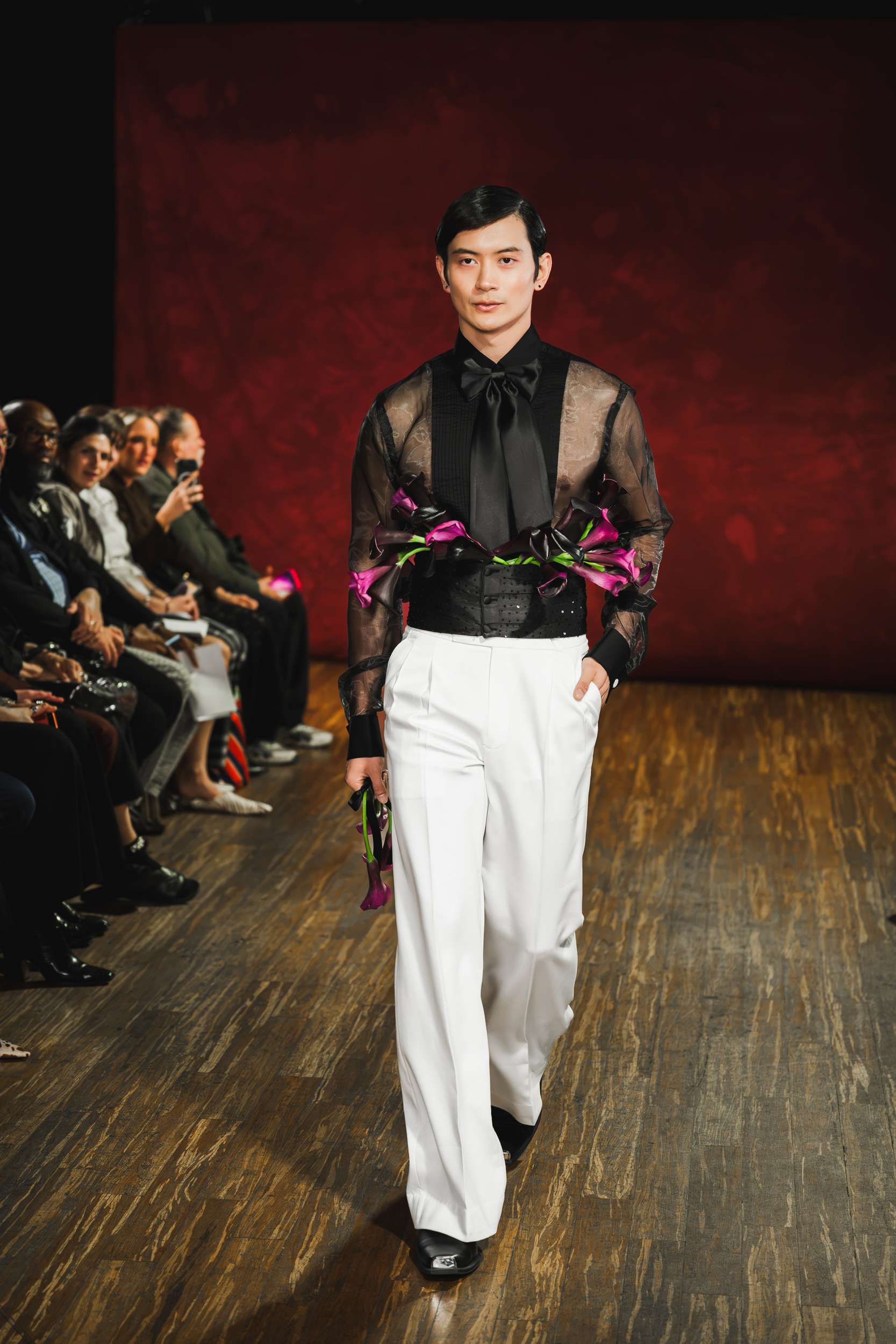
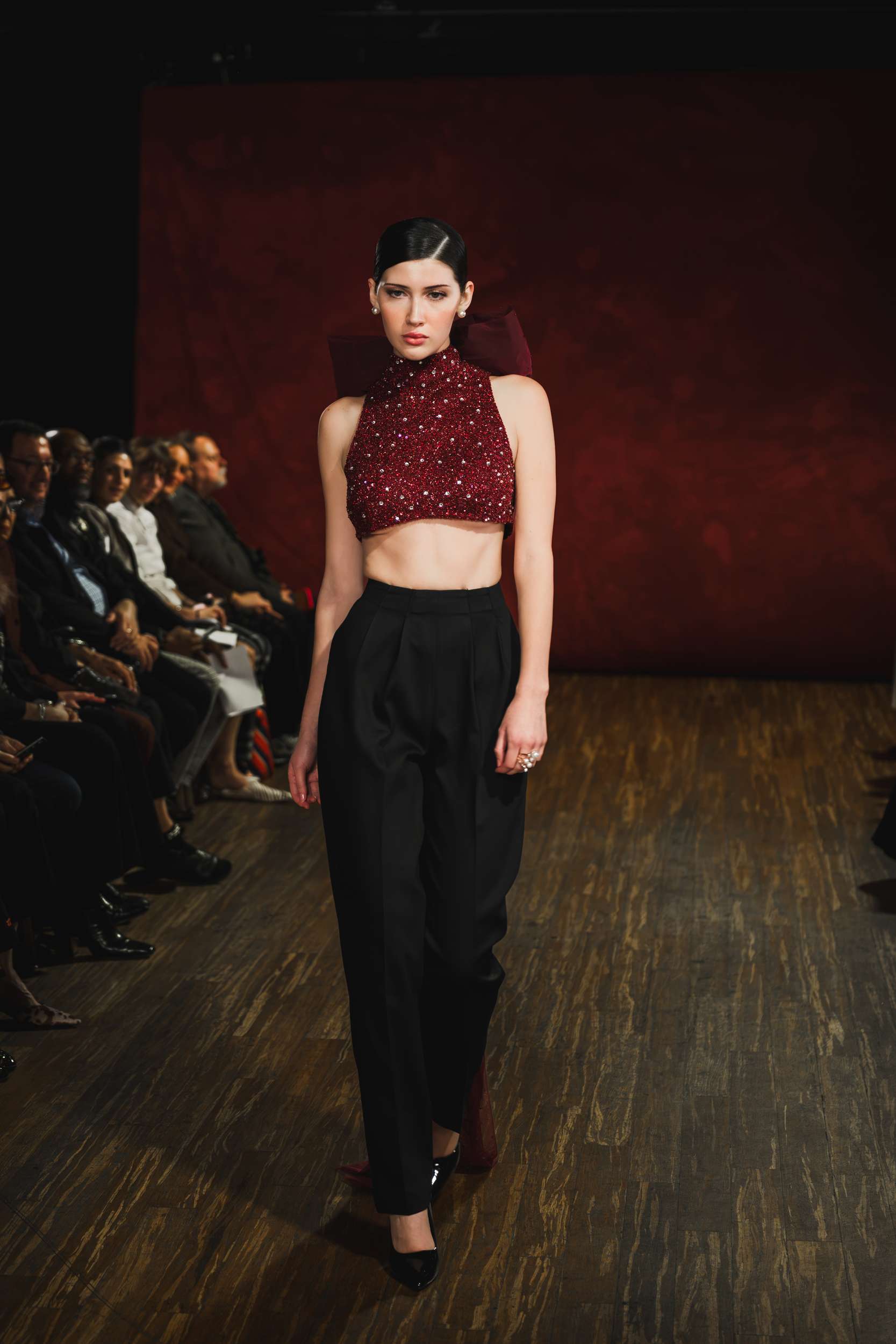
New York Bridal Fashion Week is historically viewed as the definitive pulse of the global bridal market. For decades, the event has showcased collections that adhere to a specific, narrow archetype of the "traditional bride." However, Pham’s collection disrupted this narrative. The pieces were characterized by a bold, eclectic range of textures and forms: black wedding ensembles, sequined micro-shorts, structured architectural suiting, and intricate corsetry. The use of traditional elements like Solstiss lace was recontextualized through modern silhouettes, including obi belts, micro-pleats, and daring mesh paneling.
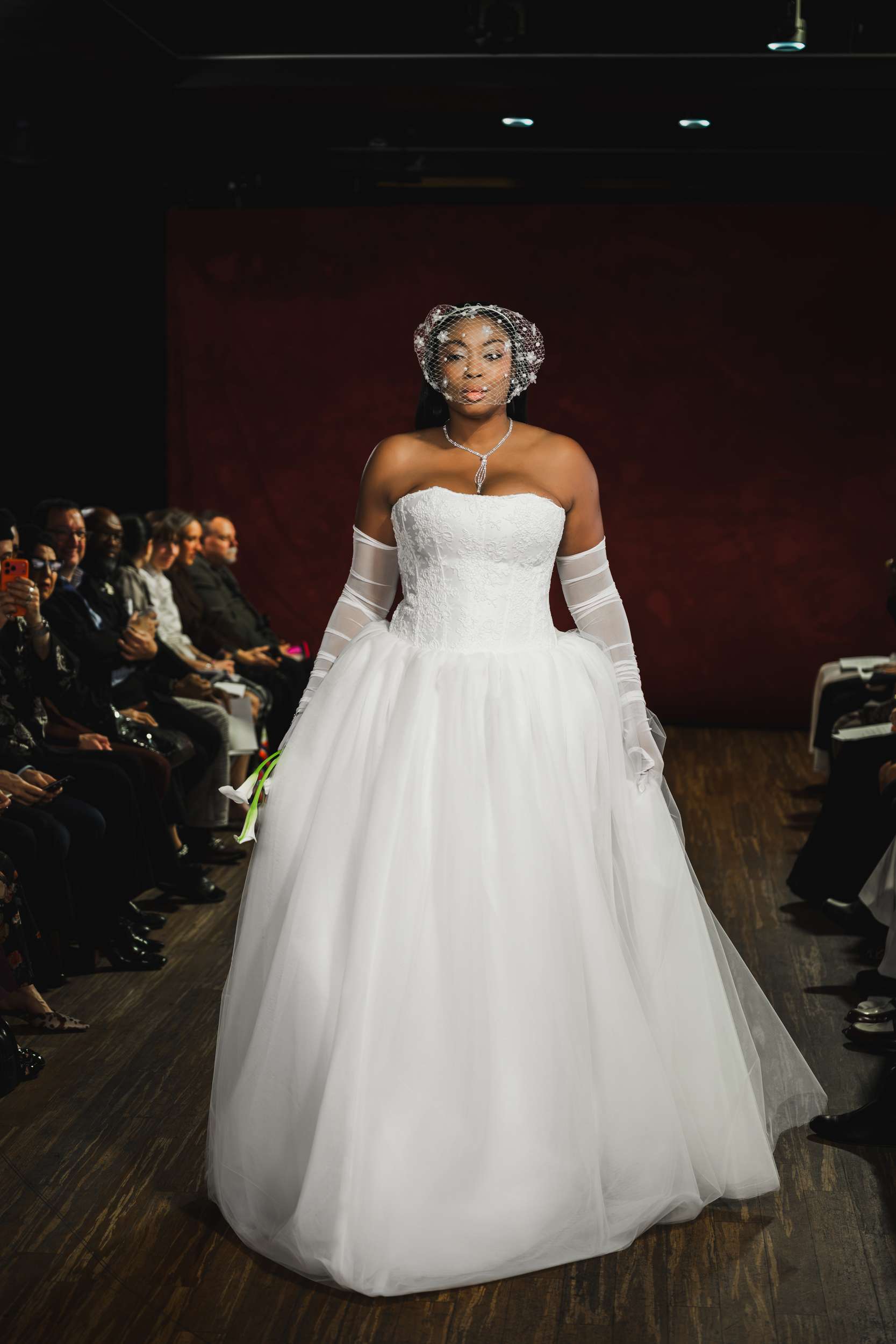
The collection was not merely a display of avant-garde craftsmanship; it was a socio-political statement. By integrating burgundy accents and velvet textures, Pham challenged the dominance of the monochrome white wedding aesthetic that has long dictated the market’s bottom line.
The Methodology of Inclusion
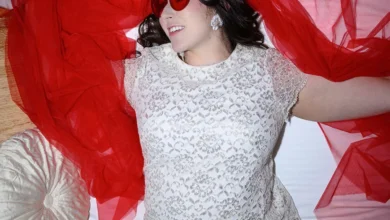
The true distinction of the collection lay in its casting and development process. Rather than designing a standard sample size and forcing models to conform to the garments, Pham reversed the traditional workflow. He cast his models first—selecting a diverse group representing a wide spectrum of ethnicities, body types, ages, genders, and sexualities—and then tailored each garment specifically to the individual.
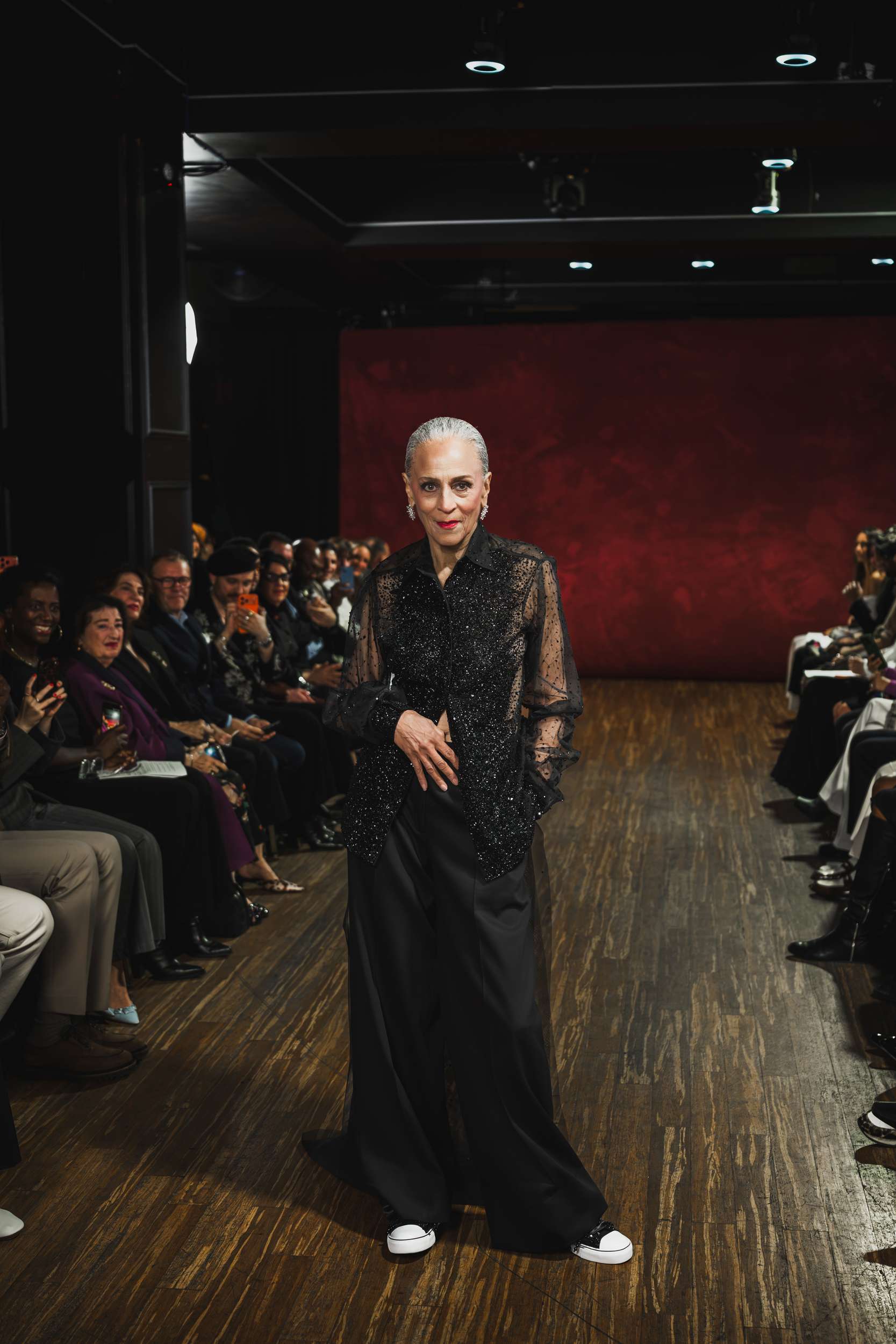
This approach yielded a profound emotional response from attendees. The runway featured notable figures, including the legendary 78-year-old supermodel Alva Chinn, who modeled a mesh top and tailored trousers. By designing with the individual in mind, Pham ensured that every garment conveyed an authentic sense of belonging. This stands in contrast to the industry-wide practice of "performative diversity," where brands often feature diverse models in campaigns while failing to offer inclusive sizing or representation in their actual product lines.
Industry Context and the Economics of Bridal
The bridal industry is a multi-billion dollar sector where risk aversion is the standard operating procedure. According to recent market reports, the global wedding apparel market is expected to continue its steady growth, yet it remains heavily reliant on a legacy model that prioritizes wholesale buyers and mass-market appeal. For many established labels, the cost of diversifying patterns to accommodate plus-size bodies or creating non-traditional silhouettes is viewed as a financial liability rather than a growth opportunity.
However, data suggests that the modern consumer is increasingly disillusioned with this exclusionary model. Research indicates that Gen Z and Millennial couples are prioritizing personal expression over traditional etiquette. With the average cost of a wedding rising, consumers are demanding brands that align with their personal values, including body positivity and gender inclusivity. Pham’s debut suggests that the "financial risk" of inclusivity is, in fact, a miscalculation—one that leaves vast segments of the market feeling alienated.
Challenges and Creative Philosophy
During his post-show interview, Pham reflected on the internal and external pressures he faced during the creation of the collection. He noted that even his mentors urged him to temper his bolder design choices, specifically questioning the inclusion of black wedding attire. The pressure to conform to conservative market standards is a well-documented barrier for emerging designers, particularly those from marginalized backgrounds who feel the weight of industry expectations more heavily.
Pham’s response to the industry’s performative diversity was blunt. He argued that brands that attempt to capitalize on inclusivity without engaging in the necessary structural work are essentially practicing a form of cultural appropriation. "If you can’t deep dive into certain things, don’t do it," Pham stated. His philosophy emphasizes that true inclusion requires diverse teams and a research-based approach to design, rather than surface-level marketing tactics.
The Broader Impact on Bridal Fashion
The success of The Joy of Celebration at NYBFW serves as a litmus test for the industry’s future. By proving that a debut collection can achieve high-level acclaim while fundamentally rejecting exclusionary standards, Pham has challenged the industry’s foundational excuses.
The implications are two-fold. First, for the bridal industry at large, the success of this collection provides a template for future growth. Retailers and designers are being forced to acknowledge that their current limitations are not dictated by consumer demand, but by their own lack of imagination. Second, for the consumer, the runway has finally begun to mirror the reality of the modern, diverse world.
As the industry moves toward future seasons, the question remains whether major heritage brands will adapt their business models to reflect the changing demographics of their customer base. Pham’s collection demonstrates that when fashion is designed with intention, the distinction between "traditional" and "modern" begins to dissolve.
Future Outlook
As the dust settles on the New York runways, the conversation has shifted from the aesthetic merits of the gowns to the humanity of the presentation. Observers noted that the emotional weight of the show was palpable, as the audience recognized a genuine attempt to reshape the bridal experience.
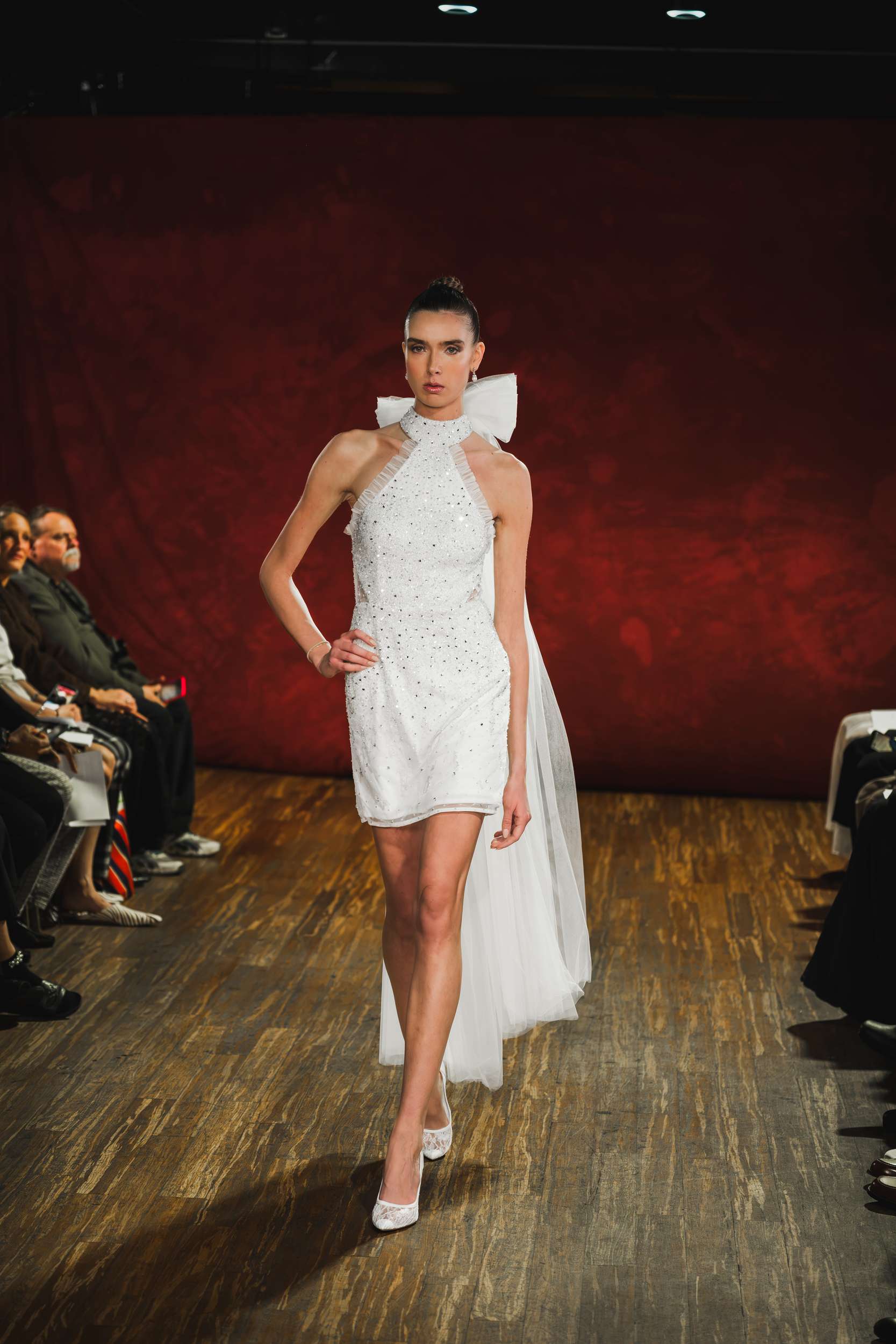
In the final assessment, Bi Pham’s debut was not just a collection of clothes; it was an argument for the evolution of the industry. By prioritizing the human experience, he has set a new benchmark for what is possible within the constraints of bridal fashion. Whether or not established brands will follow suit remains to be seen, but the precedent has been set: the future of the wedding industry belongs to those who view their clients as individuals, not as demographic statistics. For now, Pham has successfully navigated the delicate balance between high art and commercial viability, proving that there is, in fact, a significant market for authenticity in an industry that has long been defined by its rigid adherence to the past.