The Ultimate Guide to Modern Wedding Planning Podcasts and Digital Resources for the Contemporary Bride


The landscape of the global wedding industry has undergone a radical transformation over the last decade, transitioning from traditional physical planners and bridal magazines to a sophisticated ecosystem of digital tools, social media, and long-form audio content. As wedding costs continue to rise and the logistical complexity of ceremonies increases, couples are increasingly turning to expert-led podcasts and digital resource kits to navigate the multifaceted process of matrimony. This shift represents a democratization of wedding expertise, allowing couples to access professional-grade consulting once reserved for those with high-end wedding planners.
The Economic Landscape of Modern Wedding Planning
The global wedding market is currently valued at approximately $160 billion, with the United States market alone accounting for nearly $70 billion. According to industry data from 2023 and early 2024, the average cost of a wedding has stabilized between $30,000 and $35,000, though these figures vary significantly by metropolitan region. In this high-stakes financial environment, the demand for reliable information has never been greater.
The modern couple is often balancing full-time professional careers with the equivalent of a second full-time job: planning a large-scale event. This time-poverty has fueled the rise of the "wedding podcast" as a primary medium for information consumption. Unlike blogs or video content, podcasts allow for passive consumption during commutes, workouts, or household chores, making them an ideal fit for the busy demographic of 25-to-35-year-olds who comprise the majority of the bridal market.
The Evolution of Expert-Led Digital Guidance
Bridal Musings, a prominent voice in the digital wedding space, has recently highlighted the critical role that these audio resources play in the contemporary planning journey. Founded in 2010 by Elizabeth Muhmood Kane, the platform has tracked the evolution of bridal trends from the early days of Pinterest to the current era of immersive audio-visual guidance. Kane, who transitioned from a bride-to-be to a leading industry expert, emphasizes that the goal of modern resources is not merely logistical efficiency but emotional preservation.
"Planning a wedding can feel like a full-time job," Kane noted in a recent assessment of the industry. The focus has shifted from "perfection" to "presence," with podcasts serving as a medium to provide both technical advice and emotional support. This dual-purpose approach addresses the high stress levels reported by nearly 80% of couples during the planning process.
A Chronological Framework for Utilizing Digital Resources
The integration of podcasts and digital toolkits like "Bridekit" typically follows a standard twelve-to-eighteen-month trajectory. Industry experts suggest a phased approach to utilizing these resources to avoid information overload:
Phase I: The Vision and Budget (Months 12–10)
In the initial stages, couples utilize podcasts to understand the "hidden costs" of venues and the legalities of vendor contracts. This period is characterized by high-level strategic planning where audio content helps define the wedding’s "vibe" and financial boundaries.
Phase II: Vendor Selection and Logistics (Months 9–6)
As the planning progresses, the focus shifts to specific expertise. Digital resources at this stage provide checklists for photographer interviews, catering tastings, and floral design. Podcasts often feature guest appearances from industry professionals—florists, videographers, and venue managers—who provide insider tips on how to maximize value.
Phase III: The Emotional and Aesthetic Build-up (Months 5–2)
During the mid-to-late stages, the emphasis moves toward decor, fashion, and interpersonal dynamics. Resources help couples navigate complex social situations, such as seating charts and family expectations, while podcasts offer inspiration for unique, personalized touches that deviate from "cookie-cutter" traditions.

Phase IV: Final Execution and Post-Wedding Transition (Month 1 to Post-Wedding)
The final month focuses on "day-of" logistics. Audio guides often provide meditative content or final "don’t forget" lists to ensure the couple remains calm. Post-wedding, these resources continue to offer value regarding name changes, thank-you note etiquette, and preserving wedding memories.
The Impact of Digital Toolkits and "Bridekit"
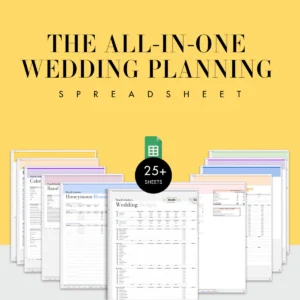
Beyond audio content, the rise of specialized online toolkits has streamlined the technical aspects of planning. Resources like "Bridekit" represent a move toward centralized digital management. These tools often include:
- Budget Trackers: Real-time calculators that adjust for inflation and local market rates.
- Vendor Management Portals: Centralized hubs for storing contracts, payment schedules, and communication logs.
- Guest List and RSVP Automation: Systems that sync with wedding websites to manage dietary requirements and attendance.
- Aesthetic Design Boards: Digital environments that allow for collaborative styling between the couple and their vendors.
The integration of these tools has significantly reduced the manual labor involved in planning. Data suggests that couples using centralized digital resources save an average of 150 hours of planning time over the course of a year.
Industry Implications and the "Prosumer" Movement
The proliferation of expert podcasts has created a new class of "prosumer" brides and grooms—consumers who possess a level of professional knowledge previously held only by industry insiders. This has forced wedding vendors to evolve. Photographers, for example, now encounter clients who understand the nuances of "golden hour" lighting or the technical differences between digital and film photography because they have listened to deep-dive podcast episodes on the subject.
Furthermore, this democratization of information acts as a safeguard for couples. By understanding the standard clauses in a venue contract or the typical markup on floral arrangements, couples are better equipped to negotiate and protect their financial interests.
Social and Psychological Benefits
Perhaps the most significant impact of the wedding podcast movement is the sense of community it fosters. Planning a wedding can be an isolating experience, often fraught with external pressures from family and social media. Podcasts provide a "sanity check," reminding couples that their challenges—whether they be budget constraints or family friction—are universal.
The "Bridal Musings" team emphasizes that the best resources are those that encourage couples to "savor every moment." This shift toward mindfulness in wedding planning is a direct response to the "wedding burnout" seen in previous generations. By providing a blend of humor, storytelling, and hard facts, these digital resources serve as a buffer against the stressors of the industry.
Future Trends in Wedding Media
Looking forward, the wedding resource sector is expected to integrate more artificial intelligence and personalized audio experiences. Industry analysts predict the rise of "AI Planning Assistants" that can suggest podcast episodes based on a couple’s specific budget and location. Additionally, as the "destination wedding" market continues to grow—now accounting for 25% of all weddings—specialized audio content focusing on international logistics, local customs, and travel coordination is expected to see a surge in production.
The role of the founder-expert, such as Elizabeth Muhmood Kane, remains central to this evolution. As the market becomes saturated with content, the "curation" of resources becomes more valuable than the content itself. Platforms that can successfully vet and recommend the most effective podcasts and tools will likely dominate the market in the coming years.
Conclusion
The modern wedding planning experience is no longer defined by the thickness of a physical binder but by the quality of a couple’s digital library. Podcasts and comprehensive toolkits have revolutionized the way ceremonies are conceived and executed, providing a professional framework for the DIY generation. As these resources continue to evolve, they promise a future where wedding planning is less a source of stress and more an informed, enjoyable journey toward a significant life milestone. The shift toward expert-led, accessible digital content ensures that the modern bride and groom are the most informed, prepared, and resilient in the history of the industry.