
The intersection of health-monitoring technology and high-end fashion has long been a site of friction, with many consumers forced to choose between actionable biometric data and personal aesthetic expression. For years, the smart ring market—dominated by major players such as Oura and RingConn—has prioritized industrial design, sensor integration, and durability. While these devices have successfully normalized the constant monitoring of sleep cycles, heart rate variability, and blood oxygen levels, their monolithic, tech-heavy appearance has frequently clashed with traditional jewelry. This stylistic divide is now being addressed by yoreh, an independent design house that has introduced a line of "smart ring jackets"—bespoke, metallic overlays engineered to transform the appearance of wearable trackers without compromising their technical efficacy.

The Evolution of Wearable Health Technology
The rise of the smart ring began in earnest during the late 2010s, emerging as a less invasive alternative to the wrist-worn fitness tracker. Unlike smartwatches, which often feature screens and intrusive notification systems, smart rings were marketed as "invisible" health assistants. However, as these devices became ubiquitous, the lack of customization options became a significant pain point for fashion-conscious users.
According to industry reports, the global smart ring market was valued at approximately $250 million in 2023 and is projected to grow at a compound annual growth rate (CAGR) of over 20% through 2030. Despite this rapid expansion, manufacturers have largely remained focused on internal hardware updates—such as improved sensor sensitivity and extended battery life—rather than external aesthetic diversification. The result is a market saturated with uniform, matte-black or metallic-grey bands that lack the artisanal character of traditional gold or silver jewelry.

Bridging the Gap: The yoreh Design Philosophy
yoreh, founded by designer Fin Matson, represents a departure from the "gadget-first" design ethos. Matson’s journey toward creating these accessories began as a personal mission. As a long-term user of health-tracking technology, Matson found himself in the common position of wanting the data insights provided by his device but feeling alienated by its aesthetic. The challenge, however, was not merely one of style; it was one of engineering. Any covering placed over a smart ring must account for the proximity of internal sensors to the skin, the need for inductive charging, and the device’s specific structural dimensions.

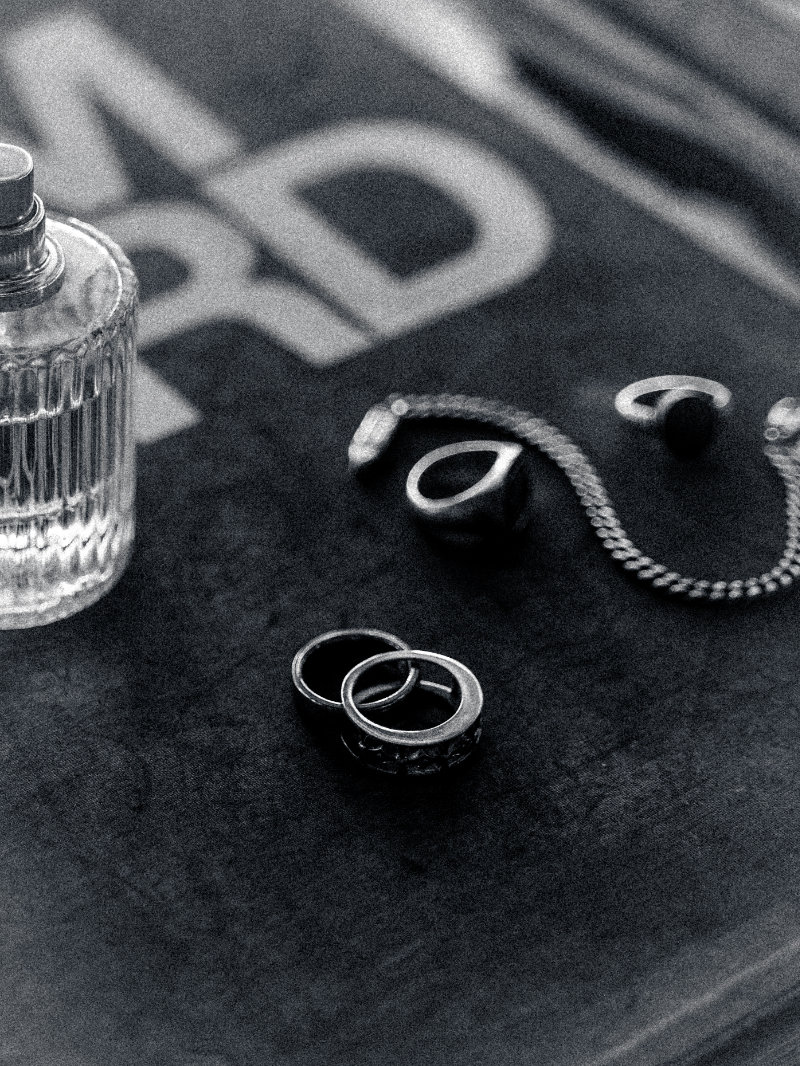
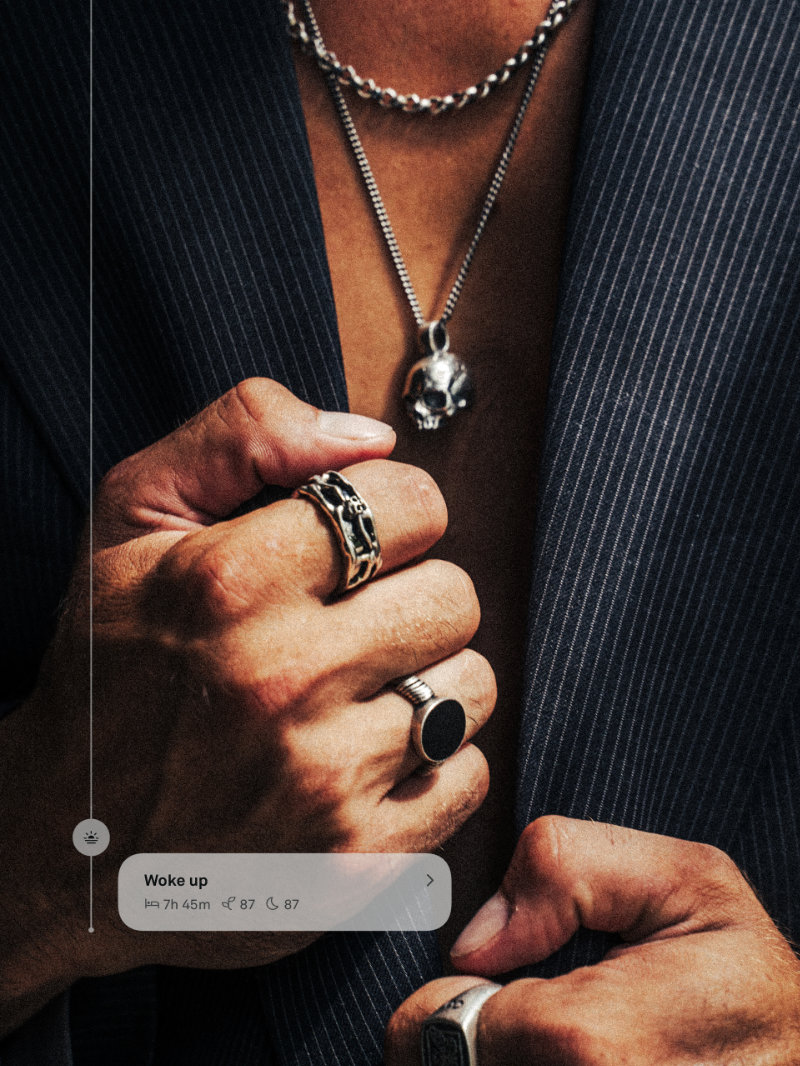
The yoreh jackets are handcrafted from recycled 925 silver or recycled silver plated in 18k gold. The collection, which launched with eight distinct designs, is specifically engineered to fit Oura Ring (Gen 3, 4, 5, and Ceramic) and RingConn 2 and 3 models. By utilizing a "jacket" structure, the brand ensures that the device remains fully functional. The internal sensors, which monitor physiological signals via photoplethysmography (PPG), remain in direct contact with the finger, while the exterior of the device is encased in precious metals that mimic the look of fine, traditional jewelry.

Technical Feasibility and Handcrafted Precision
The process of creating these jackets involves a combination of traditional silversmithing and modern precision manufacturing. Because smart rings must maintain a specific fit to ensure accuracy in data collection, the tolerance for error in the jacket’s interior diameter is incredibly low. Each jacket is handcrafted to order, ensuring that the wearer’s existing device is not obstructed.
This customization is critical. If a jacket were to interfere with the ring’s ability to remain flush against the skin, the resulting data—such as sleep staging or recovery scores—could be rendered inaccurate. By working with recycled materials, yoreh also aligns itself with the growing consumer demand for sustainable luxury. The jewelry industry has faced significant scrutiny regarding the environmental impact of mining precious metals; by utilizing recycled silver and gold, yoreh positions itself within the "circular fashion" movement, appealing to a demographic that is as concerned with ethical sourcing as it is with personal style.

Beyond Data: The Cultural Context of Wearables
The launch of the yoreh collection coincides with a broader cultural shift in how society views health data. The recent film campaign released by the brand, shot on 16mm film in Budapest, serves as a philosophical exploration of this theme. The film juxtaposes the clinical, binary nature of data—a record of a run, a heart rate spike, or a sleep duration—with the subjective, unmeasurable nature of human experience.
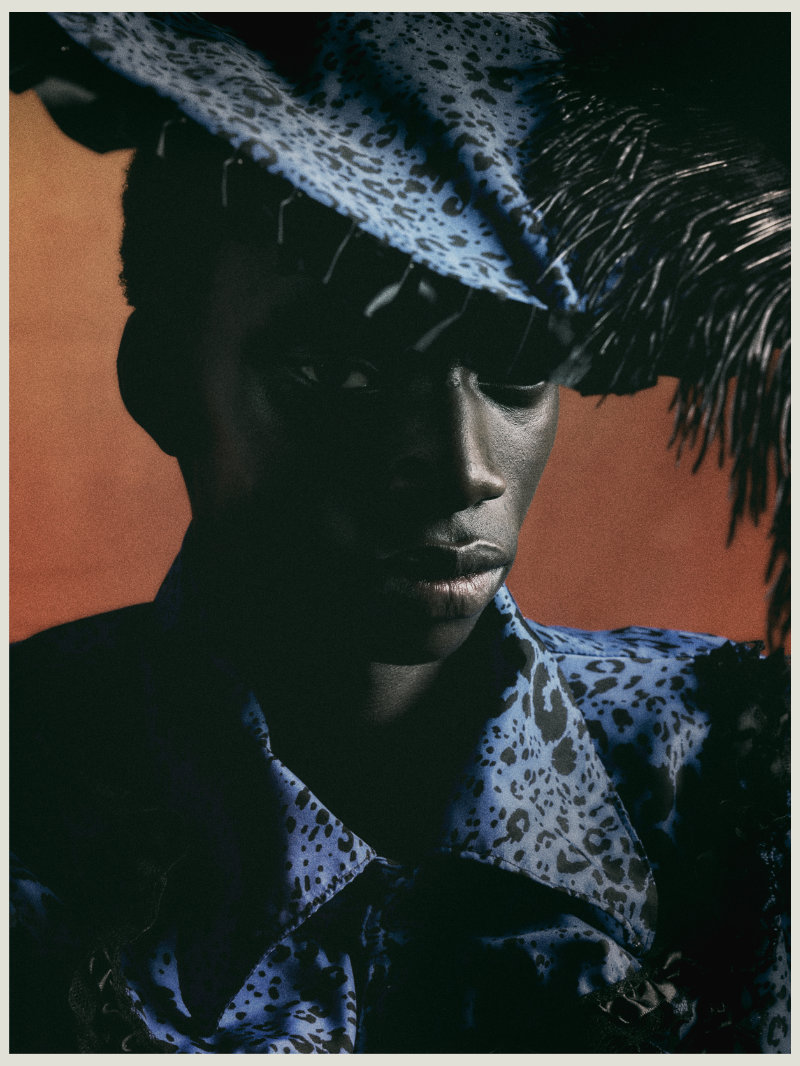
"Numbers don’t tell the whole story," the brand notes, emphasizing that while health tracking is a valuable tool, it should not define the identity of the wearer. By encasing the digital tracker in a traditional aesthetic, yoreh is effectively "humanizing" the device. It suggests that while we may want the convenience of digital monitoring, we do not wish to be reduced to a collection of metrics. This is a subtle but profound commentary on the "quantified self" movement, suggesting that technology should serve the user’s lifestyle rather than forcing the user to adapt their aesthetic to the requirements of the machine.

Market Implications and Future Outlook
The emergence of accessories like the yoreh jackets signals a maturation of the wearable technology market. Historically, the "tech" and "fashion" sectors have existed in silos. When they have converged—most notably in the luxury smartwatch market—the result has often been prohibitively expensive or technologically obsolete within a few years. yoreh’s approach is fundamentally different: it treats the smart ring as an essential, long-term tool and the jacket as a timeless, durable accessory.
From a business perspective, this "companion accessory" model creates a secondary market that benefits both the consumer and the original device manufacturer. By allowing users to customize their devices, manufacturers may see higher retention rates for their core products. If a user feels that their Oura or RingConn ring is a piece of jewelry they are proud to wear, they are less likely to abandon the device when they tire of its default appearance.

Analytical Perspective: The Sustainability of Personal Tech
As the wearable technology sector continues to expand, the issue of electronic waste (e-waste) remains a primary concern. The ability to "update" the look of a device without discarding the functional core is a vital step toward sustainability. If a consumer can refresh the look of their device with a new silver or gold jacket, they are essentially extending the life cycle of the product.
Furthermore, the bespoke nature of the yoreh business model—producing to order—avoids the environmental pitfalls of overproduction. By maintaining a lean inventory and focusing on high-quality, long-lasting materials, the company provides a blueprint for how independent designers can enter the tech-adjacent market without falling into the trap of fast-fashion consumption.
Conclusion: A New Standard for Wearables
The success of the yoreh collection highlights a critical truth about the modern consumer: we desire the benefits of advanced technology, but we demand that our tools reflect our individual identities. The marriage of 18k gold and high-frequency biometric sensors is more than a mere design choice; it is a synthesis of the digital and the physical, the clinical and the personal.
As we move toward a future where health tracking becomes even more integrated into our daily lives, the demand for such "invisible" technology will only increase. Whether through the work of brands like yoreh or through future iterations of smart rings that incorporate precious materials into their base design, the era of the "gadget-heavy" aesthetic appears to be coming to an end. For now, yoreh provides a necessary, elegant, and functional solution for those who refuse to compromise on either their health data or their style. By reclaiming the visual narrative of the devices we wear, users are reminded that while their health can be measured, their style remains their own.