Blackmagic Design Accelerates Photo Workflow Integration with DaVinci Resolve 21 Beta 2

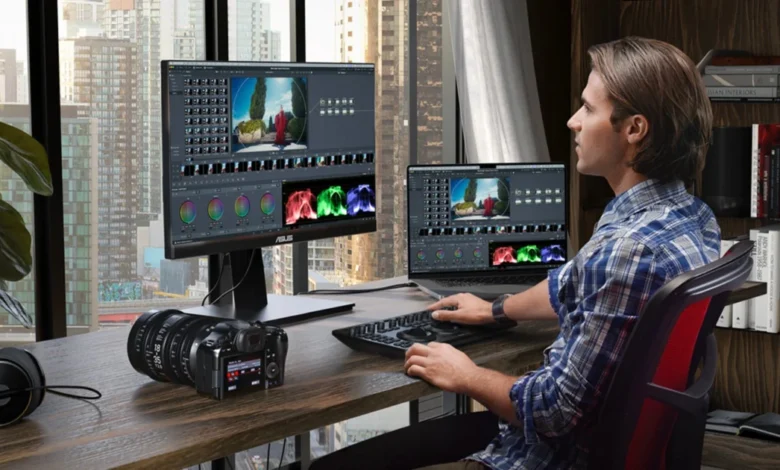
Blackmagic Design has swiftly followed up its groundbreaking DaVinci Resolve 21 public beta with the release of Beta 2, a crucial update that underscores the company’s aggressive push into still image editing. Arriving less than a month after the initial unveiling of Resolve 21’s expanded creative ambitions, this latest iteration focuses heavily on enhancing stability, squashing bugs, and refining the user experience, particularly within the newly introduced Photo page. The rapid deployment of this second beta signals a deliberate and agile response to early user feedback, indicating a significant strategic shift for the long-standing video editing powerhouse.
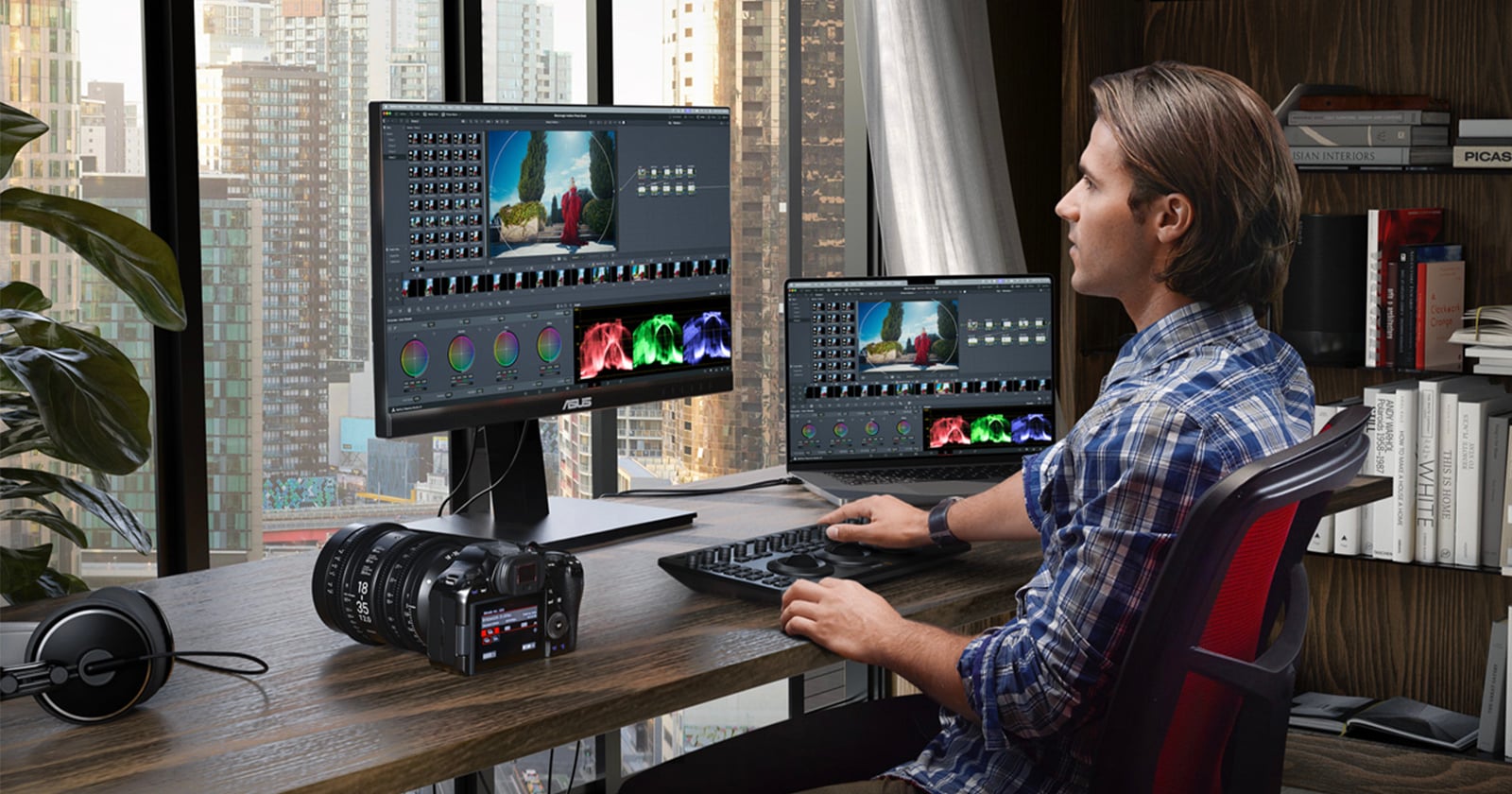
The release trajectory suggests a focused effort to solidify Resolve 21’s position not merely as a video editing suite, but as a comprehensive post-production solution capable of seamlessly handling both video and still photography workflows. This transition is still very much in motion, with Beta 2 acting as a testament to Blackmagic Design’s commitment to iterating quickly and addressing the foundational elements necessary for professional photographers. The move represents a significant departure from Resolve’s historical identity, aiming to consolidate creative processes within a single, powerful application.
Refinements and Stability: The Core of Beta 2
DaVinci Resolve 21 Beta 2 centers its improvements on bolstering reliability and ensuring a consistent user experience. A significant portion of the update addresses specific friction points identified by users in the Photo page since its public debut. Key enhancements include refined crop, flip, and rotate functionalities for still images, aiming for more predictable and intuitive behavior. Furthermore, the update tackles issues related to the handling of crop resolution metadata. This is a critical detail for photographers, as accurate metadata management is essential for maintaining image integrity, ensuring proper scaling, and guaranteeing consistent results during export, especially when dealing with high-resolution assets.
The expansion of support for still image workflows continues with improvements to the decoding of various RAW file formats. Beta 2 specifically enhances the handling of formats such as Fujifilm’s RAF and Nikon’s 12-bit NEF files, broadening the compatibility for photographers shooting with a wider range of professional camera systems. A particularly practical workflow improvement for photographers managing extensive image libraries is the enhanced ability to export stills while retaining their original file names. This feature, often overlooked in general software updates, is a significant convenience for cataloging and asset management, streamlining post-production processes for those who rely on meticulous organization.
Beyond the immediate scope of the Photo page, Beta 2 also introduces performance enhancements to IntelliSearch, an intelligent media analysis and organization tool designed to speed up the process of locating and categorizing assets. This feature is crucial for both video editors and photographers who contend with vast amounts of media. Additionally, the update includes provisions for emerging platforms and advanced workflows. Notably, it incorporates foveated rendering controls tailored for Apple Vision Pro workflows, signaling Blackmagic Design’s foresight in adapting to the evolving landscape of immersive content creation. Broader stability and rendering improvements are also present across the Fusion page, with specific attention paid to areas such as 3D rendering and the integration of Cryptomatte, a powerful tool for generating mattes from 3D renders. These multifaceted improvements collectively reflect the typical trajectory of an early beta cycle: a period dedicated to solidifying existing features and ensuring a robust foundation before further feature expansion.
A Rapid Iteration Cycle Signals a Strategic Pivot
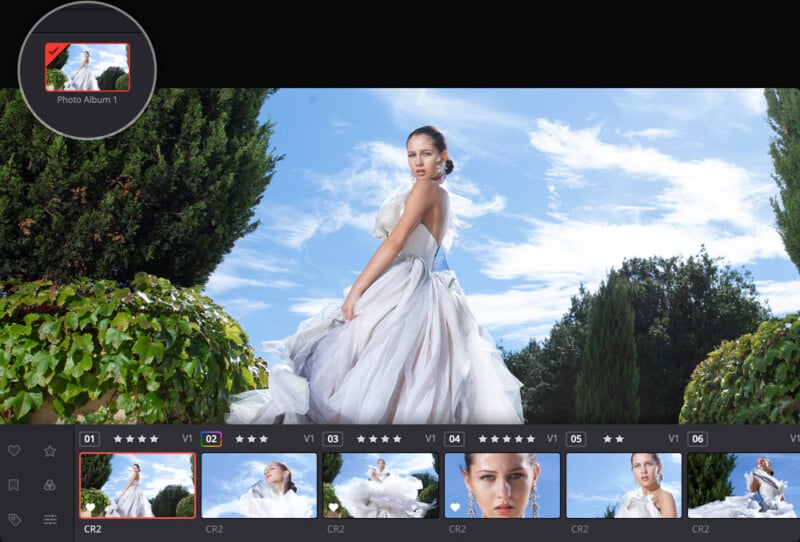
The remarkable speed at which DaVinci Resolve 21 is evolving, particularly with the swift release of Beta 2, highlights a profound strategic reorientation by Blackmagic Design. Historically lauded for its unparalleled capabilities in color grading and video editing, Resolve is now actively cultivating features that directly challenge established leaders in the dedicated photo editing software market. This accelerated development cycle, driven by user feedback, indicates a strong commitment to integrating still image workflows as a core component of the Resolve ecosystem, rather than treating it as an ancillary feature.
This proactive approach suggests that Blackmagic Design is not merely adding photo editing capabilities as an afterthought, but rather meticulously weaving them into the fabric of an existing, powerful timeline-based environment. By positioning Resolve as a unified creative hub, the company aims to attract a broader spectrum of creators, including photographers who previously found themselves needing to transition between separate applications for their still and video projects. This integration promises a more fluid and efficient workflow, where assets, color grading expertise, and even AI-driven search functionalities can be shared across both media types.
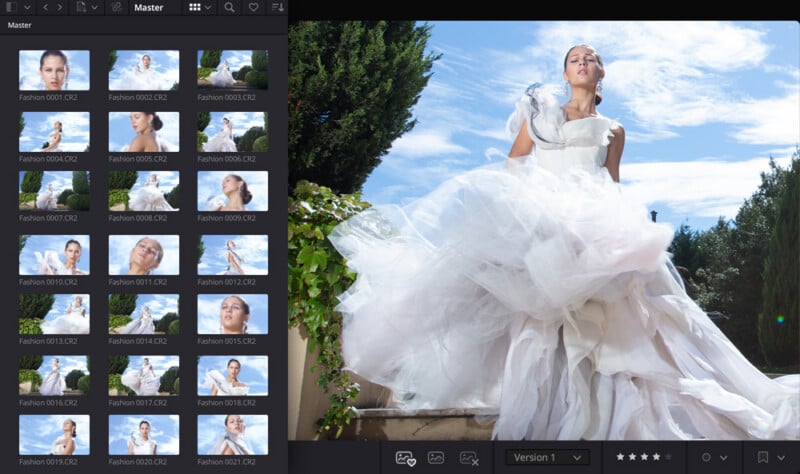
Bridging the Divide: Video and Photography Converge in One Platform
The ongoing development of the Photo page within DaVinci Resolve 21 is emblematic of a larger industry trend toward media convergence. As modern cameras increasingly blur the lines between capturing high-resolution stills and cinematic video, software platforms are compelled to adapt. Resolve 21’s latest updates, with their focus on critical photographic elements such as precise cropping, robust metadata handling, and advanced RAW file decoding, directly address the foundational needs of professional photographers. These refinements are essential for building trust and demonstrating that Resolve is a serious contender in the still image editing space, even as its overall functionality continues to expand.
Features like the enhanced IntelliSearch further hint at a future where media organization and retrieval are more intelligent and context-aware, irrespective of whether the content is a photograph or a video clip. This aligns with Blackmagic Design’s overarching strategy of embedding sophisticated, AI-powered tools across its entire platform, rather than confining them to isolated workflows. Such an approach promises to unlock new levels of efficiency and creative potential for users working with diverse media assets.
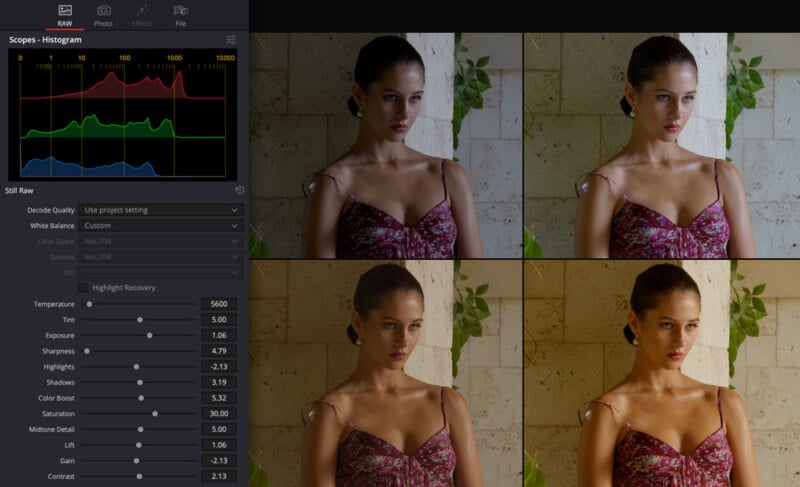
Moreover, the inclusion of features supporting emerging immersive and spatial computing platforms, such as the aforementioned Apple Vision Pro integration, further challenges traditional media classifications. This suggests that DaVinci Resolve is being strategically positioned not solely as an editing tool, but as a comprehensive post-production hub capable of handling a wide array of creative outputs. This forward-looking perspective is crucial in an industry where the definition of content creation is constantly evolving.
A Glimpse into the Evolving Landscape of Post-Production
The rapid iteration seen in DaVinci Resolve 21’s beta releases, particularly the focused improvements in Beta 2, offers a compelling preview of the future of post-production software. While the Photo page is still in its nascent stages of development, the deliberate emphasis on bug fixes and usability enhancements underscores Blackmagic Design’s commitment to its users. This approach acknowledges the inherent complexities of integrating entirely new workflow paradigms into an established and powerful platform, while also showcasing the company’s agility in responding to critical user feedback.
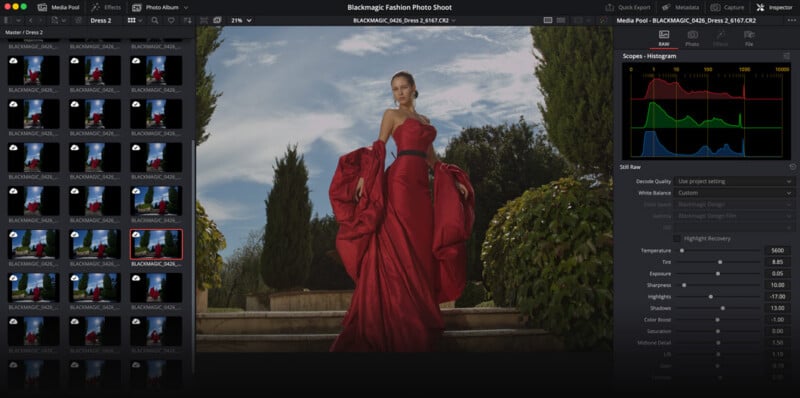
The current pace of development strongly suggests that DaVinci Resolve 21’s photographic capabilities will mature rapidly in the coming months. Beta 2 is not merely an incremental update; it serves as a clear declaration of intent from Blackmagic Design. The company is treating photography not as an optional add-on, but as an integral and foundational element of Resolve’s future trajectory. This strategic pivot has significant implications for creative professionals, potentially reshaping how photographers and videographers approach their workflows, asset management, and overall post-production pipelines. The promise of a unified platform that handles both stills and video with equal proficiency could usher in a new era of efficiency and creative synergy for a wide range of digital artists.
The implications of this unified approach are far-reaching. Photographers who also engage in video production, or vice versa, may find a compelling reason to consolidate their toolset. This could lead to significant time savings and a more cohesive creative output. Furthermore, the integration of advanced color grading tools, historically a strong suit of Resolve, into the photo editing workflow offers photographers the potential to achieve cinematic color aesthetics in their still images, pushing the boundaries of visual storytelling.
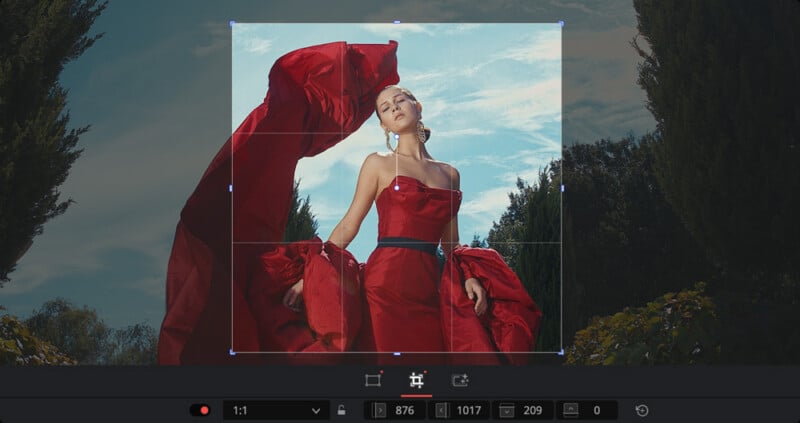
The ongoing evolution of features like IntelliSearch also points towards a future where AI plays an even more prominent role in media management. Imagine a system that can intelligently tag and organize both photos and videos based on content, context, and even emotional tone, significantly reducing the manual effort involved in managing large media libraries. This proactive approach to incorporating advanced technologies positions DaVinci Resolve as a platform that not only keeps pace with industry trends but actively shapes them.
As DaVinci Resolve 21 continues its journey through the beta phase, the refinements introduced in Beta 2 provide a clear indication of Blackmagic Design’s strategic vision. The company is not just building a new feature; it is architecting a more inclusive and powerful creative ecosystem. For photographers and videographers alike, this development signals an exciting future where the lines between disciplines continue to blur, and the tools at their disposal become increasingly versatile and integrated. The accelerated pace of development is a testament to Blackmagic Design’s ambition and its dedication to meeting the evolving needs of the global creative community.