Lexii: The Architectural Soundscapes and Fluid Identity of a Modern Musical Icon

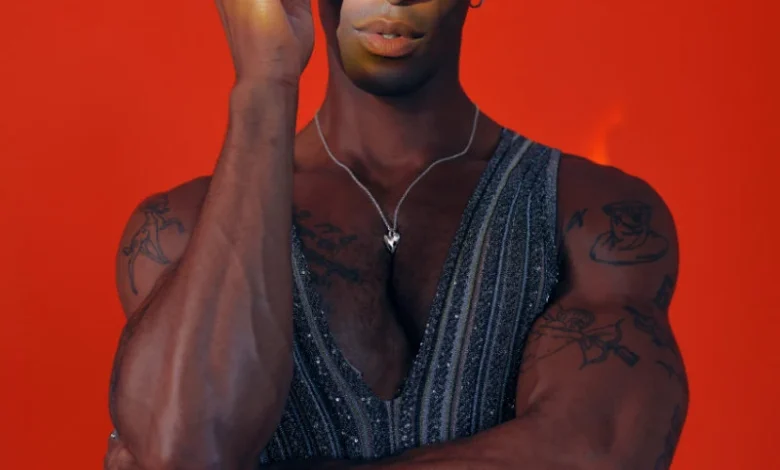
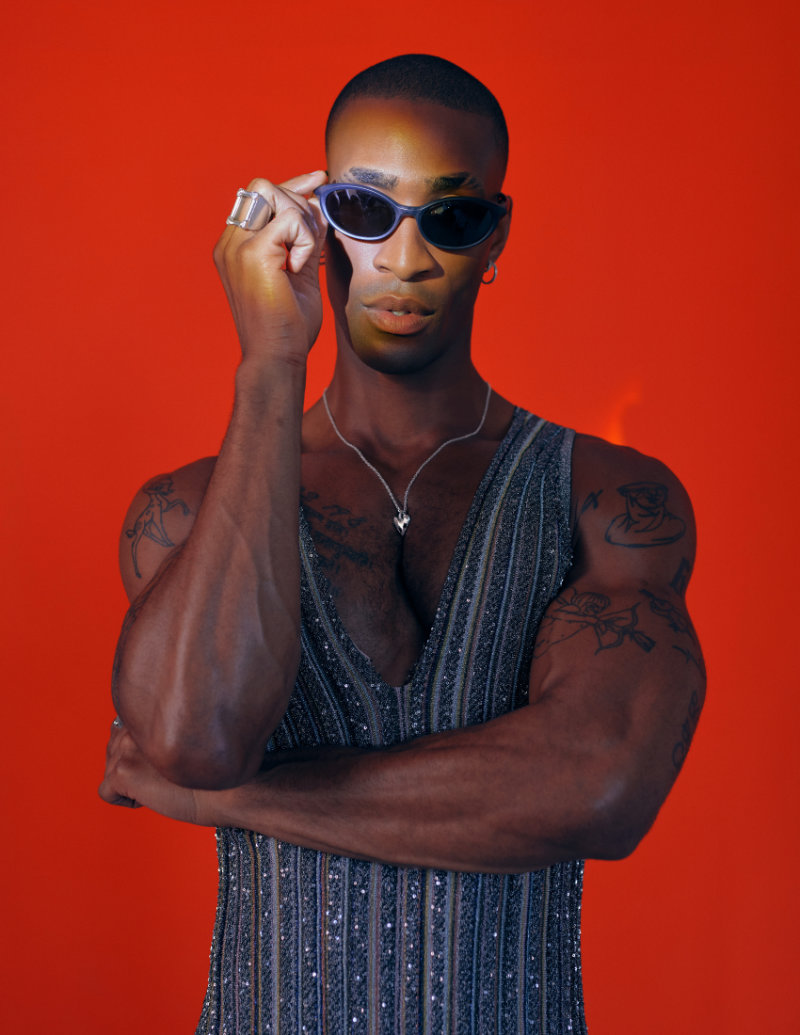
In the contemporary landscape of electronic music, few artists possess the capacity to synthesize disparate cultural histories as seamlessly as Lexii. Based in London, the performer and DJ has emerged as a significant figure in the global club circuit, not merely for his technical prowess behind the decks, but for his deliberate dismantling of the boundaries between auditory experience and visual performance. By weaving together the rhythmic legacies of UK garage, dancehall, R&B, techno, and Miami bass, Lexii has crafted a sonic identity that defies the categorical constraints often imposed by music industry algorithms.
The Genesis of a Hybrid Sound
Lexii’s artistic foundation is rooted in his Midlands upbringing, a formative period that exposed him to a wide spectrum of multicultural influences. His musical education began within the home, where the sounds of lovers rock, reggae, and Motown provided an initial framework. This was subsequently augmented by his immersion in the burgeoning Black British club culture of the early 2000s. The region of Derby, particularly his time in Littleover, served as a microcosm of Britain’s diverse musical identity, allowing him to absorb the syncopated basslines of UK garage and niche music while simultaneously observing the global reach of R&B icons like Mariah Carey, TLC, and Aaliyah.
This upbringing created a unique sensibility regarding genre fluidity. For Lexii, these genres are not distinct silos but rather interconnected threads within a larger narrative. His sets are characterized by a "shapeshifting" approach, where the transition between high-tempo techno and soulful R&B is executed with the intention of reflecting the nuance of his own life as a young Black gay man. This methodology serves as a form of cultural archiving, ensuring that the foundational rhythms of Black music remain a central, living part of the contemporary rave experience.

Chronology of an Artistic Evolution
The path to Lexii’s current status as an internationally recognized performer was marked by a steady progression of technical refinement and public visibility.
- Early Development: Lexii began his journey through self-directed study, analyzing the production techniques and aesthetic presentations of 1990s and 2000s music videos. This period was crucial in shaping his understanding of "world-building," or the capacity for an artist to construct a visual and sonic ecosystem.
- The Bedroom Era: Like many contemporary DJs, Lexii’s initial technical skills were honed in private, utilizing controllers and home setups. This phase was defined by the transition from passive listener to active practitioner, marked by hours spent mastering the art of the "blend"—the seamless merging of tracks that do not immediately appear to share a common tempo or key.
- The Professional Pivot: His professional trajectory accelerated with his integration into the London underground scene. This was not a linear ascent but rather a process of trial and error, involving frequent performances at niche events where he refined his ability to read diverse crowds.
- The Breakthrough at Body Movements 2025: A pivotal moment in Lexii’s career occurred during the 2025 iteration of the Body Movements festival. By securing a prime-time slot and delivering a set that eschewed conventional genre limitations, Lexii solidified his reputation as an artist capable of commanding large-scale audiences while maintaining the intimacy of an underground set.
The Politics of Aesthetics and Representation
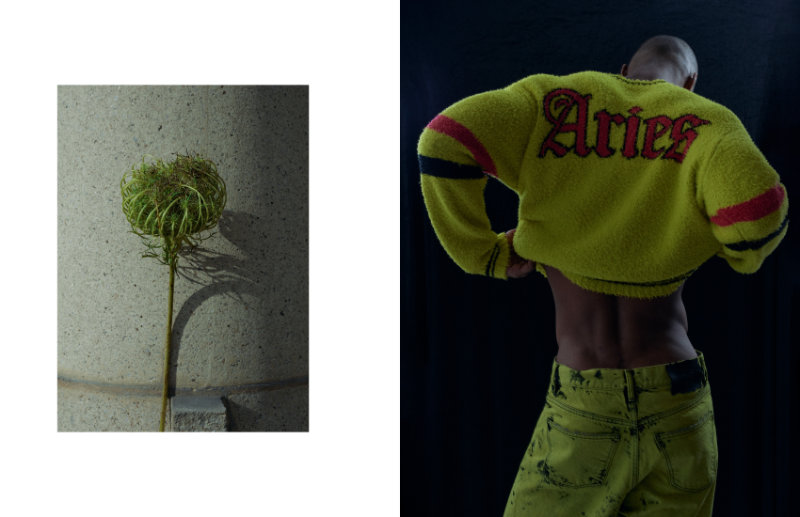
Lexii’s visual language is as intentional as his sonic output. Collaborating with photographer Fran Gomez de Villaboa and stylist Oliver Volquardsen, he explores themes of masculinity, femininity, and queer identity. This collaboration serves to challenge the traditional industry expectations placed upon Black artists, who are often pressured to adhere to specific, "legible" archetypes.
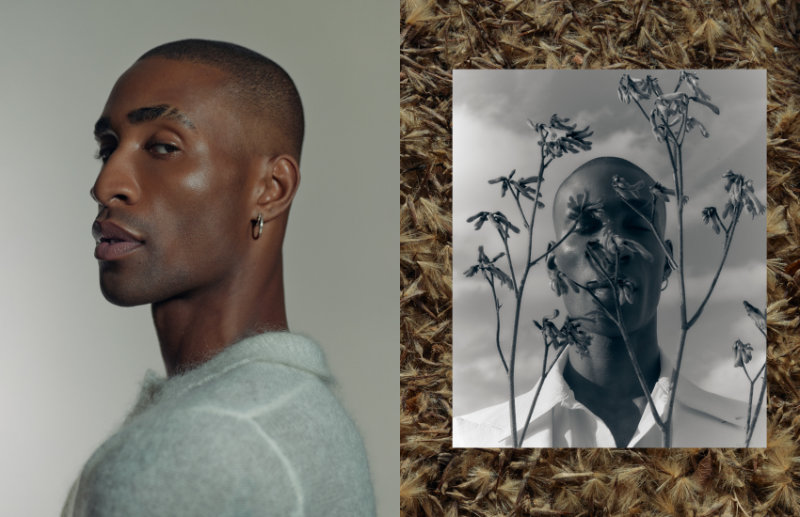
From a sociological perspective, the pressure to conform to industry categories—often referred to as "coding"—is a common challenge for artists operating within marginalized intersections. Lexii argues that the act of resisting these labels is, in itself, a professional necessity. By refusing to strip away the nuances of his identity, he forces the industry to engage with his work on his own terms. This resistance is reflected in his fashion choices, which are described not as costumes, but as an extension of the same narrative arc present in his DJ sets.
Data and Industry Context
The rise of hybrid-genre artists like Lexii reflects a broader shift in the music industry, driven by digital platforms that have dismantled traditional genre barriers. Data from global streaming platforms indicates a significant increase in user engagement with "genre-fluid" playlists, suggesting that the audience for eclectic, high-tempo sets is growing.

Furthermore, the "Black British" sound, encompassing grime, garage, and bassline, has seen a resurgence in global popularity, with international festival lineups increasingly prioritizing these genres. Lexii’s ability to anchor his sets in these foundations while incorporating global electronic styles positions him as a critical bridge between the historical roots of the UK scene and the future of international club music.
The Role of Community and Mentorship
The collaborative nature of Lexii’s work highlights the importance of community in the creative process. His long-standing partnership with stylist Oliver Volquardsen is a testament to the role of consistent creative synergy in building an artist’s public image. According to industry insiders, this type of long-term collaboration is increasingly rare in an era of fast-paced, trend-driven content creation.
Lexii notes that his success is inextricably linked to the people who believed in his vision from the outset. This sentiment is echoed by fellow artists and event organizers who have observed his development from a bedroom DJ to a festival headliner. His transition into the role of a peer to those whose music he once studied marks a significant milestone in his professional lifecycle, reinforcing the idea that authentic, ground-up development is a viable—and perhaps necessary—model for longevity in the music industry.
Broader Implications for the Nightlife Sector
Lexii’s approach to performance poses an interesting challenge to the conventional structure of nightlife. By prioritizing "energy" and "storytelling" over the rigid adherence to a specific genre, he creates spaces that encourage cross-community engagement. In an era where nightlife is often siloed, the ability to draw a diverse demographic—queer, straight, Black, and global audiences—is a metric of success that goes beyond ticket sales.

The implication for the industry is clear: audiences are increasingly seeking authentic, unscripted, and high-energy experiences that reflect the complexity of modern identity. Lexii’s insistence on "being real" serves as a counter-narrative to the curated, sometimes sterile nature of digital-first music marketing.
Looking Ahead: The Future of the Icon
As Lexii looks toward the future, his primary objective remains the cultivation of internal consistency. The version of himself he is currently building is one defined by comfort and trust in his own creative process. He views his career not as a pursuit of a final destination, but as a continuous process of evolution.

His current projects, including the expansion of his "Locked In with Lexii" platform, suggest a move toward more sustainable, long-term creative output. By maintaining his independence and refusing to succumb to the pressure of easy categorization, Lexii is setting a precedent for a new generation of artists who view their work as an extension of their lived reality. In the final analysis, his impact is not defined by the accolades he receives, but by the space he has created for others to exist authentically within the same sonic and visual landscapes he has painstakingly built. For Lexii, the goal is not to represent a singular movement, but to ensure that the authenticity of his own journey remains the primary vehicle for his artistic expression.