Navigating the 2026 Holiday Shopping Season Requires a Delicate Balance of Human Creativity, AI Integration, and Value-Driven Marketing

The 2026 holiday marketing landscape stands at a critical inflection point, forcing major brands and advertisers to delicately balance consumer fascination with emerging technologies like generative artificial intelligence against time-tested strategies built around authentic creator partnerships and transparent, value-driven promotions. As retail brands navigate a complex economic environment characterized by persistent consumer caution and a desire for genuine human connection, achieving the right strategic equilibrium has become the ultimate requirement for winning the year-end shopping season.
Despite ongoing anxieties surrounding household budgets, broader macroeconomic shifts, and year-round sluggish retail performance, consumer spending enthusiasm remains remarkably resilient. According to Deloitte’s annual holiday retail survey, average household spending for the season is projected to reach $1,654, representing a solid 4% increase year-over-year. While affordability remains a top-of-mind priority for millions of households facing elevated living costs, industry experts emphasize that traditional holiday emotional values—such as human connection, warmth, and togetherness—will ultimately move the needle for brands looking to capture market share.
Deb Freeman, head of strategy at creative agency Gut New York, notes that consumers are increasingly cherishing the emotional resonance of the holiday period. Marketers, therefore, are tasked with channeling their brand DNA into campaigns that pulse with genuine humanity rather than cold calculation. For many retail giants and direct-to-consumer labels alike, the stakes this season feel exponentially higher. Playbooks across the industry reflect an intentional pivot toward handcrafted ad aesthetics, sophisticated creator tie-ups, and streamlined shopping pathways designed to help consumers navigate an otherwise overwhelming sea of discounts and promotional clutter. Furthermore, retailers are prioritizing younger demographics, as Gen Z and millennial cohorts are projected to constitute the absolute majority of holiday spending for the first time in the history of Deloitte’s decades-long tracking.
The Pushback Against Artificial Intelligence and the Renaissance of Handcrafted Advertising
One of the defining questions of the 2026 holiday cycle centers on consumer sentiment toward artificial intelligence within the retail and promotional ecosystem. Research compiled by Gartner reveals a stark dichotomy: over one-third of consumers express willingness to utilize generative AI tools to assist with logistical tasks, such as holiday gift planning, product discovery, and real-time price comparisons. However, consumer resistance to AI-generated marketing materials and campaign assets remains remarkably high.
Emily Weiss, senior principal analyst at Gartner, points out the inherent peril of relying on automated tools for creative execution. If any brand can generate a campaign asset in a matter of minutes using standard enterprise AI tools, consumers will quickly discern the lack of genuine effort, time, and artistic intention poured into the work.
In direct defiance of automated creative bloat, several major brands have doubled down on painstaking, human-made artistic campaigns. Earlier this month, denim pioneer Levi Strauss & Co. debuted its holiday campaign, titled Let’s Get Fuzzy, which relies entirely on traditional stop-motion claymation. Requiring an astonishing four hours of physical filming for every single second of final animation, the commercial pays deliberate homage to the brand’s iconic 1995 Clayman commercial—its very first global spot. Anne Cambria, vice president of global marketing at Levi Strauss & Co., emphasized that the strategy allows the heritage brand to flex its rich history while pushing human-driven artistry forward to cultivate long-term consumer loyalty.
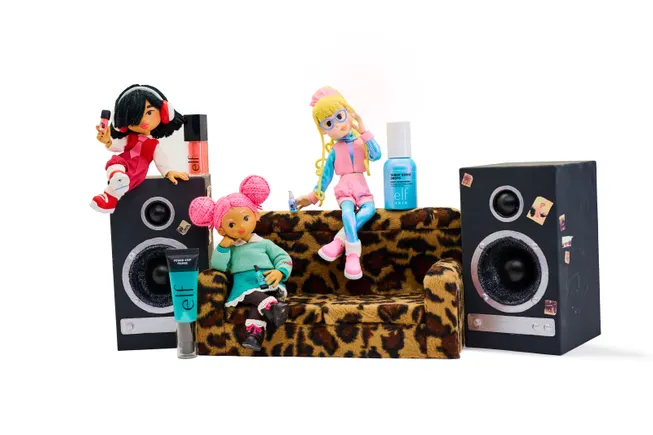
Similarly, beauty innovator E.l.f. Brands launched Made to Stand Out, its first-ever dedicated holiday campaign. Narrated by acclaimed actor Alan Cumming, the stop-motion animated spot tells an inclusive, heartwarming story about friendship and self-expression. Oshiya Savur, chief marketing officer at E.l.f. Brands, noted that scanning the contemporary holiday media environment revealed a sea of sameness, presenting an unmissable opportunity to inject authentic, handcrafted artistry into the market.
The Complex Role of AI in Product Discovery and Gifting Inspiration
While automated advertising meets swift consumer rejection, the integration of artificial intelligence into the structural consumer shopping journey presents a different operational dynamic. Approximately 13% of holiday shoppers currently utilize AI systems for gift inspiration and brainstorming. However, Gartner research indicates that these tech-assisted shoppers consult an average of 4.48 additional information sources compared to just 3.24 sources among non-users.
This data highlights a critical nuance: artificial intelligence is not necessarily streamlining the path to purchase; rather, it is adding an extra layer of complexity to an already fragmented consumer journey. Traditional retail websites, in-store browsing, and Amazon continue to dominate as primary purchase and inspiration channels, capturing 77% and 75% of planned shopping intent, respectively.
Emily Weiss advises retailers to optimize their discoverability across both legacy search engines and emerging AI-driven ecosystems. Ensuring seamless data communication between brand databases and third-party retail platforms, alongside maintaining hyper-accurate inventory and shipping availability metrics, remains vital for safeguarding search rankings and capturing high-intent traffic.
Combating Deal Fatigue and Addressing Price Sensitivity
Affordability remains a dominant theme for the 2026 holiday season, with 79% of shoppers anticipating higher price points across retail categories, according to Deloitte data. This persistent economic anxiety has fueled widespread deal fatigue. Following years of aggressive, continuous promotional discounting—the authenticity and baseline validity of which are increasingly scrutinized by savvy shoppers—consumers are actively seeking transparent, straightforward ways to secure value.
Traditional department store J.C. Penney is taking a direct swing at consumer skepticism and promotional overwhelm through its localized Party Fits campaign. Eschewing flashy gimmicks, the spot features a real-life Indiana barber styling complete holiday outfits sourced entirely from the retailer for a transparent, budget-friendly total of $168. The campaign is grounded in sobering consumer research indicating that only 32% of shoppers completely or mostly trust retailers to offer genuinely fair baseline pricing.
Deloitte identifies that 38% of this year’s shoppers fall squarely into the "value seeker" category—individuals who proactively engage in five or more distinct cost-saving behaviors. Counterintuitively, these budget-conscious shoppers are projected to spend 12% more than their non-value-seeking counterparts, making them an indispensable audience segment. Brian McCarthy, a principal in Deloitte’s strategy and analytics practice, reframes the metric, describing value-seeking simply as another term for highly engaged, motivated shoppers.
To cater to these pragmatic consumers without compromising brand prestige, major retailers are rolling out innovative guidance structures. Target recently unveiled its high-concept "Academy of Giftology" holiday marketing push, categorizing curated gift selections into specialized courses designed to solve friction points for gift-givers. Concurrently, Sephora enlisted actor Seth Rogen for a humorous campaign promoting in-store beauty advisors, reassuring shoppers who feel intimidated or clueless about navigating complex cosmetic aisles.
The Ascent of Gen Z, Millennial Spending Power, and the Creator Economy
A defining structural milestone of the 2026 holiday shopping season is the generational changing of the guard. For the first time in the 41-year history of Deloitte’s annual survey, Gen Z and millennial consumers are projected to account for exactly half of all holiday retail spending. Experts note that these digitally native cohorts exhibit distinct shopping preferences compared to older generations, placing a much higher premium on personalized gift options, curated wish lists, expedited delivery logistics, and guided shopping experiences.
To capture the attention of these younger demographics, brands have drastically expanded their investments in the creator economy. However, the nature of influencer marketing is undergoing a significant maturation phase. Becky Owen, chief marketing officer of Billion Dollar Boy Group, observes that contemporary creator integrations are increasingly driven by genuine psychological alignment and cultural integration, moving far beyond the loud, transactional product hauls that characterized previous years—strategies that have begun breeding widespread influencer fatigue among cynical consumers.
Brands that successfully cultivate long-term ambassador ecosystems are reaping the rewards of authentic consumer trust. Urban Outfitters expanded its community-centric All Together Now brand platform this season with the All Together Now: More the Merrier campaign. Acknowledging the strong cultural trend of Gen Z self-gifting and a deep-seated desire for communal connection, the brand hosted immersive launch experiences integrating local student ambassadors, community members, and experiential partners like DoorDash. Julia Draper, head of digital and e-commerce at Urban Outfitters, emphasizes that pursuing long-term partners who possess an organic, pre-existing affinity for the brand is where true marketing magic happens.
Broader Industry Implications and Outlook
As the 2026 holiday shopping marathon accelerates toward its peak, the overarching strategic takeaway for retail executives and marketing leaders is clear: achieving end-of-year success requires a sophisticated harmonization of cutting-edge efficiency and deep emotional resonance.
While technological tools can assist with backend logistics, inventory synchronization, and personalized discovery, the brands poised to capture consumer loyalty are those anchored in timeless human values. As Deb Freeman of Gut New York aptly summarizes, modern consumers are ultimately searching for authentic connection, relatable storytelling, shared laughter, and a profound sense of belonging. By honoring these fundamental human desires, marketers can successfully cut through the noise, alleviate economic anxieties, and forge lasting relationships that extend far beyond the calendar year.