Target 40% off Outerwear, BR Factory 68% off, & more – The Thurs. Sales Handful

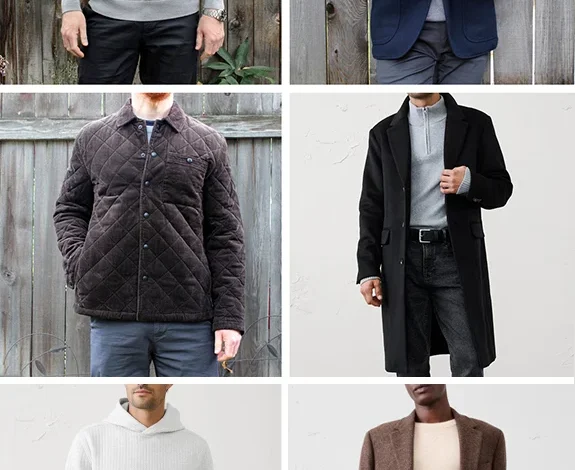
The retail landscape has undergone a significant transformation in the 2026 calendar year, characterized by an unprecedented acceleration of the traditional holiday shopping season. While Black Friday has historically served as the singular kickoff point for consumer spending in the United States, major retailers have moved to initiate promotional events as early as the third week of November. This strategic shift is designed to alleviate supply chain congestion, mitigate labor shortages during peak shipping windows, and capture consumer discretionary income before competing holiday expenses arise. As of this Thursday, a series of aggressive pricing strategies has emerged from industry leaders including Allen Edmonds, Target, and Banana Republic Factory.
The Evolution of the Black Friday Timeline
Historically, the period between Thanksgiving and the subsequent Monday served as the primary window for deep discounting. However, data from recent retail trends indicates that the "Black Friday" label has evolved into a month-long marketing event. By pulling promotions forward, companies aim to smooth out the logistical burden on fulfillment centers. Retail analysts note that this "extended window" approach allows brands to manage inventory levels more effectively, preventing the traditional post-holiday glut that often necessitates heavy clearance liquidations in January.
Sector Analysis: Footwear and High-End Leather
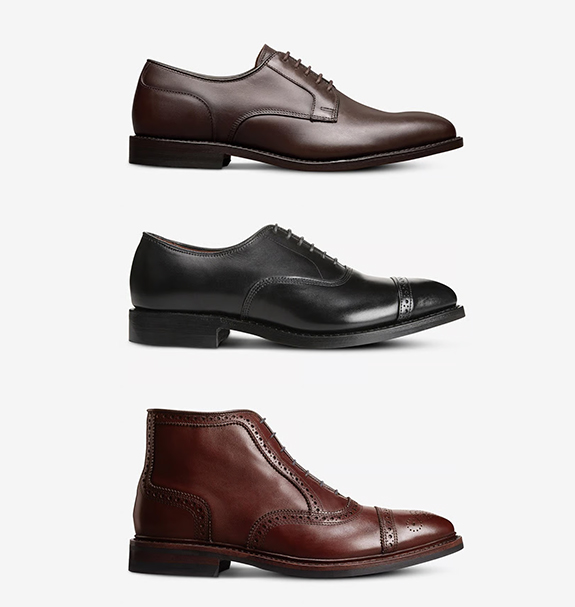
Allen Edmonds, a staple in the American men’s footwear market, has officially launched its Black Friday promotional series. While the selection of discounted items is more curated than in previous years, the sale focuses on flagship products such as the Fifth Avenue cap-toe oxford and the Windsor derby.
From an economic perspective, footwear manufacturers are currently grappling with rising costs in raw leather sourcing and specialized labor. Despite these inflationary pressures, the decision to offer significant markdowns on heritage items suggests a focus on volume-based growth. These models, which are often considered "wheelhouse" products, represent a significant portion of the company’s year-over-year revenue. The availability of these specific models at a discount is a tactical move to maintain market share against smaller, direct-to-consumer competitors that have proliferated since 2024.
Apparel and Technical Outerwear Trends
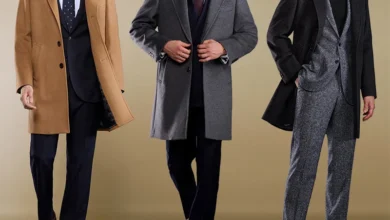
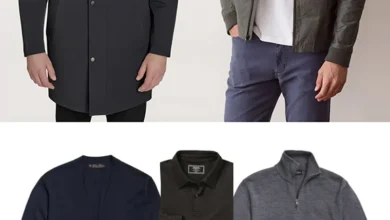
Target’s initiative to offer 40% off select men’s outerwear represents one of the most aggressive discounting strategies in the mass-market sector for the current week. Market research indicates that outerwear demand is highly weather-dependent; however, the shift toward "athleisure" and technical fabrications has allowed retailers to maintain higher margins on synthetic puffers and parkas compared to traditional wool-blend coats.
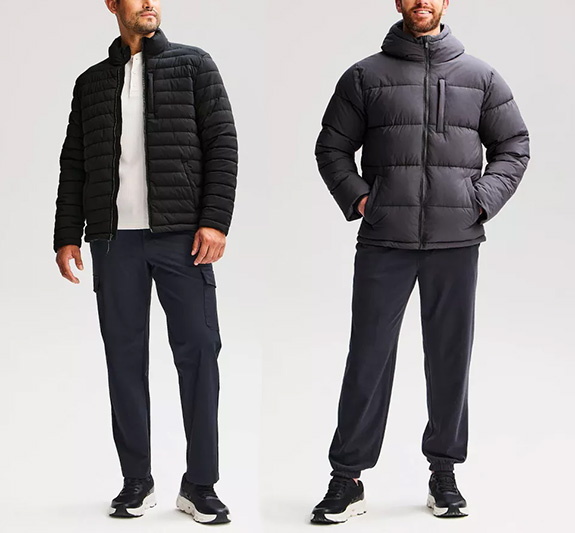
The strategy of heavily discounting casual outerwear while maintaining higher price points on premium wool items reflects a broader trend in retail segmentation. Consumers are increasingly willing to "splurge" on durable, natural-fiber garments that offer longevity, while preferring "skimp" or value-based pricing for seasonal, tech-focused items that may have a shorter trend lifecycle. Target’s current pricing structure appears calibrated to capture this mid-market segment, providing significant value for consumers seeking functional winter wear.
The Watch Industry and Retail Exclusions
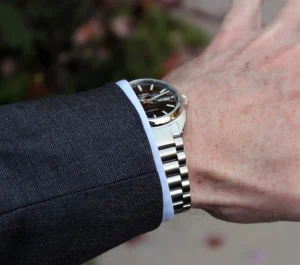
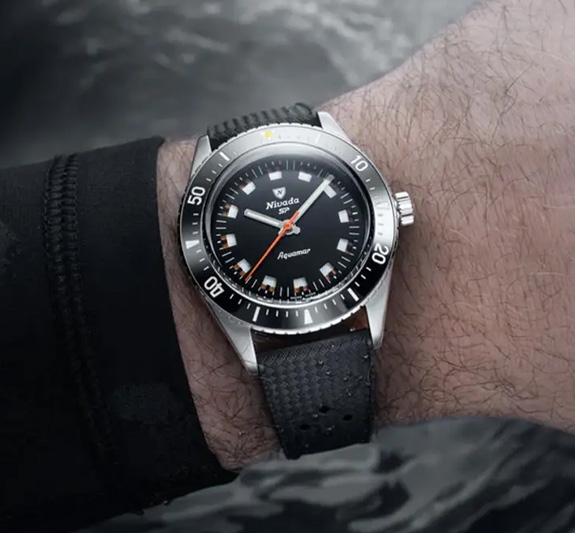
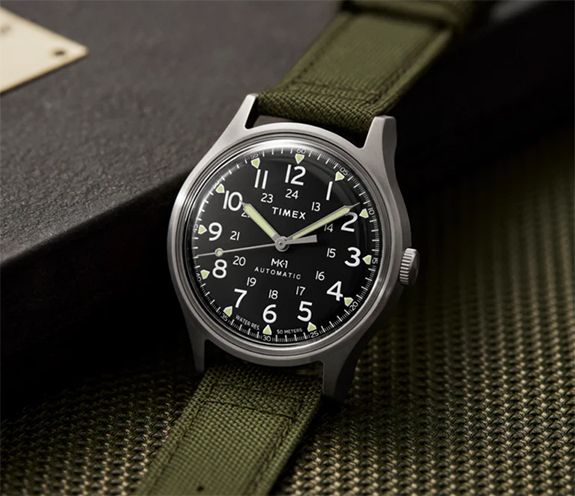
The retail arm of Worn & Wound, the Windup Watch Shop, has implemented a tiered discount structure this season: 15% off orders up to $999, 18% off orders between $1,000 and $2,499, and 20% off orders exceeding $2,500. This structure is a common mechanism used by horological retailers to incentivize higher average order values (AOV).
However, the watch industry faces unique challenges regarding brand equity. Many high-end watch manufacturers prohibit retailers from discounting their products, leading to a complex landscape of "brand exclusions." Despite these limitations, the inclusion of accessories—such as premium leather straps, travel cases, and clocks—provides a gateway for consumers to engage with the brand ecosystem. Analysts suggest that by including peripheral gear, retailers can maintain customer engagement during the holiday season even when primary timepieces are excluded from promotions.
Diffusion Lines and Quality Control: The BR Factory Model
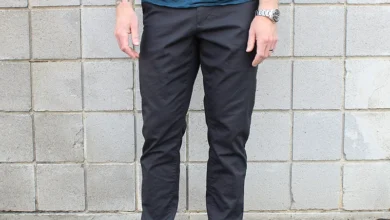
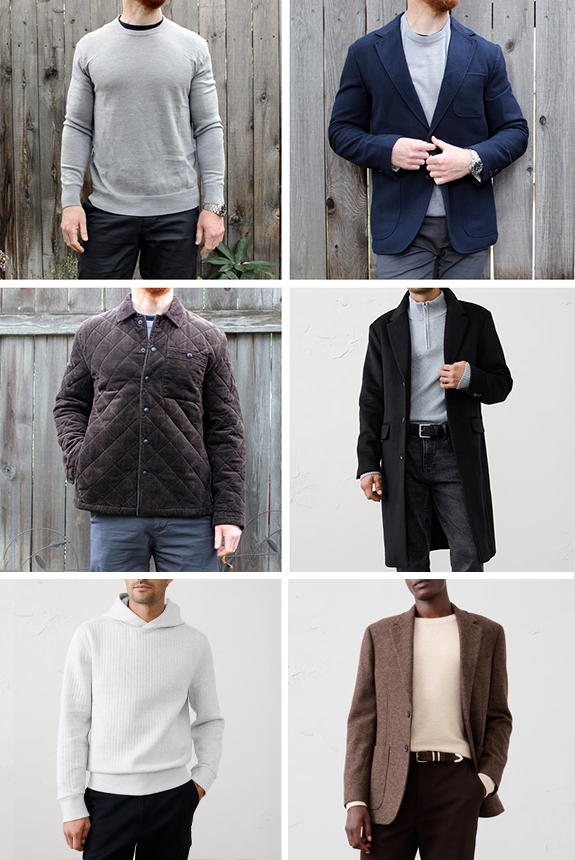
Banana Republic Factory, the diffusion line of the Gap Inc. brand, is currently offering a dual-promotional structure: 60% off original prices with an additional 20% reduction at checkout. This approach to "stacking" discounts is a hallmark of fast-fashion retail, designed to create a sense of urgency and perceived value.
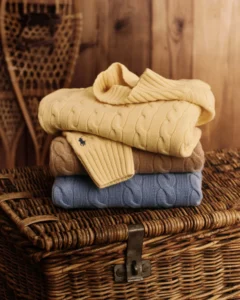
Industry experts observe that diffusion lines often serve as a testing ground for materials and silhouettes. While consumer feedback on specific items, such as denim, has been mixed due to inconsistencies in manufacturing, products like merino wool sweaters remain a focal point for the brand. The advice to dry-clean these items, rather than machine-wash them, highlights a common issue in modern retail: the gap between consumer expectations for convenience and the actual care requirements of natural fibers. Managing these expectations is essential for brand loyalty, particularly as shoppers become more discerning about the cost-per-wear of their wardrobe additions.
The Role of Outdoor Retailers and Membership Programs
REI has continued its tradition of a broad holiday sale, which serves as a benchmark for the outdoor recreation sector. A critical component of their current strategy is the integration of a member-exclusive incentive, providing an additional 20% off full-price items via the "HOLIDAY2026" code.
Membership-based retail models have proven resilient in a volatile economic climate. By providing exclusive benefits to members, retailers like REI cultivate a closed-loop ecosystem that encourages repeat business and builds brand community. This loyalty-based approach contrasts with the purely transaction-focused models seen in mass-market retail, providing a buffer against price competition from larger, generalized marketplaces.
Broader Economic Implications
The current retail environment is characterized by a "pick your battles" mentality for both the merchant and the consumer. For the retailer, the challenge lies in balancing the need to move inventory with the imperative to protect brand value. For the consumer, the proliferation of early sales requires greater discernment.
The fact that these promotions are occurring in mid-November rather than late November reflects a maturation of the e-commerce supply chain. Retailers have spent the last two years optimizing their digital infrastructure to handle sustained, multi-week spikes in traffic rather than a single, catastrophic surge on Black Friday. This transition is expected to continue, with "holiday shopping" increasingly becoming a continuous process that begins as early as October in some sectors.
Conclusion: Future Outlook
As the holiday shopping season moves into its next phase, the focus will likely shift toward inventory depletion. Retailers who successfully balanced their stock levels will be in a strong position to avoid the "clearance trap," where over-ordering leads to massive margin compression in the first quarter of the following year.
For the consumer, the current data suggests that waiting for the traditional "day-of" Black Friday deals may no longer be the optimal strategy. With retailers front-loading their best offers to secure early commitments, the current window provides a rare combination of inventory availability and competitive pricing. Whether the trend of early holiday shopping will lead to a more sustainable retail model or simply a longer period of price volatility remains a subject of ongoing analysis among retail economists and consumer behaviorists alike. As the season progresses, the performance of these brands will serve as a primary indicator of broader consumer confidence and the health of the retail sector as a whole.