A Multicultural Tapestry in Lake Como: The Union of Zhe and Shankar Blends Chinese, Indian, and American Traditions

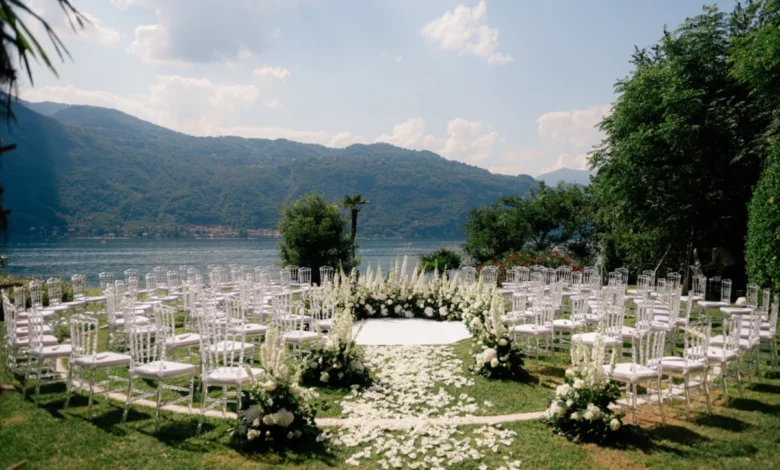
The picturesque shores of Lake Como, Italy, recently served as the backdrop for a sophisticated two-day wedding celebration that expertly synthesized the diverse cultural heritages of Zhe and Shankar. Held at the historic Villa Lario del Mandello and the scenic Lido di Lenno, the event represented a significant logistical and creative undertaking, merging Chinese, Indian, and American traditions into a cohesive narrative of modern matrimony. This celebration highlights a growing trend in the luxury wedding sector where couples prioritize "fusion" ceremonies that honor ancestral roots while embracing contemporary aesthetic sensibilities.

The Evolution of a Global Romance
The union of Zhe and Shankar began in a professional setting in New York City in 2017. Initially establishing a foundation of friendship, the couple’s relationship evolved through shared interests typical of the metropolitan lifestyle, including competitive tennis, international travel, and the exploration of New York’s diverse culinary scene. Their shared affinity for coastal landscapes and maritime activity became a recurring theme in their relationship, ultimately leading to a milestone moment in April 2021.
During a weekend excursion to Newport, Rhode Island—a location renowned for its Gilded Age mansions and sailing culture—Shankar proposed to Zhe at the Castle Hill Inn. The choice of venue, famous for its views of the Narragansett Bay and passing sailboats, foreshadowed the couple’s eventual decision to host their nuptials on the water-bound vistas of Northern Italy.

Strategic Planning in a Post-Pandemic Landscape
The decision to host a destination wedding in Lake Como was driven by a desire to facilitate a global gathering for friends and family residing across different continents. However, the planning phase coincided with the tail end of global travel restrictions. Consequently, the couple was forced to select their venues and coordinate with vendors remotely, relying heavily on digital tours and the expertise of local professionals.
Zaira, a lead planner from "I Do in Lake Como," was instrumental in navigating these challenges. The objective was to create a weekend that felt modern and light-hearted rather than strictly formal, despite the inherent grandeur of the Italian setting. The logistical complexity was heightened by the requirement to host two distinct ceremonies—a traditional Hindu wedding and a symbolic Western ceremony—each requiring specific environmental setups and cultural protocols.

Venue Selection: The Architectural Allure of Villa Lario and Lido di Lenno
The couple selected two distinct venues to accommodate the varied requirements of their multi-day itinerary. Villa Lario del Mandello was chosen for its versatility and unique architectural features, including a natural cave that served as the location for the late-night after-party. The villa’s ability to offer a customizable experience allowed the couple to tailor the environment to their specific aesthetic preferences, which leaned toward a blend of classic elegance and vibrant modernism.
For the Hindu ceremony, the couple utilized Lido di Lenno. This venue is celebrated for its proximity to the water and its glamorous atmosphere. The lakeside location was essential for the "Baraat"—the groom’s traditional wedding procession. In a creative adaptation of this Indian custom, Shankar arrived via a luxury boat, a gesture that utilized the unique geography of Lake Como to enhance traditional ritual.

A Chronology of Cultural Convergence
The wedding festivities were structured over two days to ensure each cultural element received dedicated focus.
Day One: The Hindu Traditions
The first day was dedicated to the Hindu rites, beginning with the Haldi ceremony. This ritual involves the application of a turmeric paste to the bride and groom, symbolizing purification and blessing. Following the morning rituals, the focus shifted to the lakeside for the official ceremony. The Baraat boat entrance served as a high-energy prelude to the exchange of vows under a traditional Mandap, which was styled to complement the natural Italian flora.

Day Two: The Symbolic Ceremony and Reception
The second day focused on a symbolic ceremony that mirrored American wedding structures while maintaining international flair. A notable design choice for this day was the circular seating arrangement for the ceremony. This configuration was intended to create an intimate, inclusive atmosphere, breaking away from the traditional linear aisle to ensure all guests had an unobstructed view of the couple. During this ceremony, Zhe and Shankar exchanged personal vows that emphasized their daily commitment to one another, providing a contemporary contrast to the ancient rituals of the previous day.
The Aesthetics of Fusion: Fashion and Floral Artistry
The fashion choices of the couple were a visual representation of their multicultural identity. For the symbolic ceremony, Zhe wore a gown by Monique Lhuillier. The dress was characterized by a sculptural shape and a minimalist neckline, embodying a modern, "city-chic" elegance.

For the Hindu ceremony, the bride transitioned into an ivory lehenga designed by the acclaimed Indian couturier Anita Dongre. The garment featured intricate floral embroideries that were specifically chosen to harmonize with the lakefront environment. Shankar complemented these choices with a custom-made dark navy tuxedo from Suit Supply, paired with Belgian loafers, bridging the gap between formal European tailoring and relaxed luxury.
The floral arrangements, executed by Barbara Botta Fiori, played a critical role in unifying the two days. The design utilized vibrant, saturated colors to reflect the couple’s lively personalities, moving away from the muted pastels often associated with Lake Como weddings. These "vibrant florals" were integrated into both the traditional Indian decor and the modern Western reception, providing a consistent visual thread.

Culinary and Entertainment Highlights
The reception at Villa Lario was designed as a sensory experience, blending Italian culinary excellence with international entertainment. The evening began with live jazz, transitioning into contemporary DJ remixes. A hallmark of the night was a music-synchronized fireworks display over the lake, a popular feature in high-end Italian weddings that provides a dramatic crescendo to the evening’s festivities.
In a final nod to her Chinese heritage, Zhe changed into a traditional Qipao toward the end of the reception. She shared this moment with her mother, symbolizing the honoring of maternal lineage and Chinese tradition amidst the broader international celebration.

Broader Context: The Economic and Cultural Impact of Destination Weddings in Italy
The wedding of Zhe and Shankar is emblematic of the robust recovery and evolution of the Italian destination wedding market. According to data from the Centro Studi Turistici (CST) for the Italian Wedding Industry, the sector has seen a significant uptick in "fusion" weddings among foreign couples. In recent years, international weddings in Italy have generated an estimated annual turnover exceeding €600 million, with the Lombardy region—specifically Lake Como—ranking as one of the top three most sought-after destinations.
The Rise of the "Multi-Event" Wedding
Industry analysts note that modern couples are increasingly opting for multi-day itineraries that go beyond a single ceremony. This trend is driven by the desire to maximize the "guest experience" and provide a comprehensive cultural immersion. For multicultural couples like Zhe and Shankar, these multi-day formats are not just a luxury but a necessity to properly honor disparate family traditions without one overshadowing the other.

The Professionalization of Cultural Fusion
The success of such events relies heavily on a specialized tier of wedding planners and vendors who possess "cultural intelligence." Planners in the Lake Como region have adapted by building networks that can source everything from authentic Indian catering and priest services to traditional Chinese tea ceremony elements, all while maintaining the high standards of Italian hospitality.
Conclusion and Implications
The union of Zhe and Shankar in Lake Como serves as a case study in successful cultural integration within the luxury event space. By leveraging the historical prestige of Italian venues and the creative expertise of international designers, the couple managed to create a celebration that was both deeply personal and globally resonant.

As the wedding industry continues to globalize, the ability to seamlessly blend traditions—such as a Baraat on a Venetian motorboat or a Qipao at an Italian villa—will likely become the standard for high-net-worth couples seeking to tell their unique stories. This wedding reinforces Lake Como’s status not just as a site of natural beauty, but as a versatile stage capable of hosting the complex, multifaceted celebrations of the 21st century. Through the lens of ManiSol Wedding’s photography, the event remains a testament to the idea that modern love is increasingly defined by its ability to traverse borders and unite diverse histories.