Embracing Ethical Elegance: The Growing Appeal of Organic Cotton Work Dresses

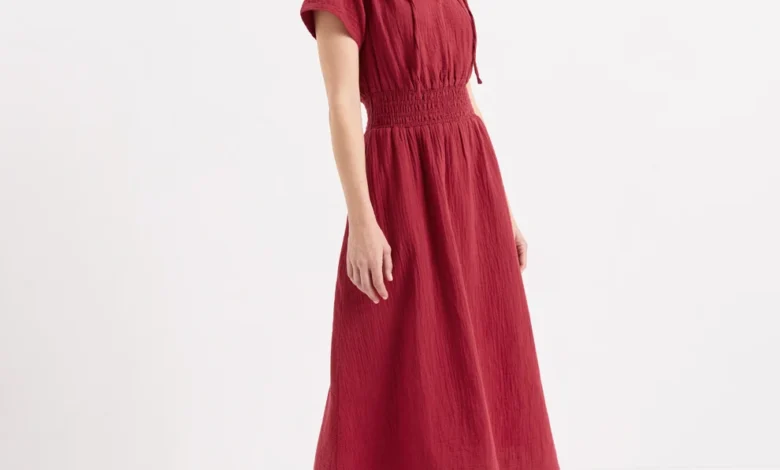
The modern professional wardrobe is undergoing a significant transformation, with a burgeoning emphasis on sustainability, comfort, and versatile design. At the forefront of this shift is the lightweight cotton dress, a staple increasingly sought after for its ability to combine chic sophistication with all-day comfort, particularly during daily commutes and demanding office schedules. However, a deeper trend is emerging: the demand for sustainably-made, organic cotton dresses that not only elevate personal style but also champion ethical production and environmental stewardship. This movement reflects a broader conscious consumerism reshaping the fashion industry, where consumers are increasingly prioritizing transparency, durability, and positive impact alongside aesthetics.
The Imperative for Sustainable Fashion: Addressing Industry Challenges
The global fashion industry, while economically vital, has long faced scrutiny for its substantial environmental footprint and often questionable labor practices. Conventional cotton cultivation, for instance, is notoriously resource-intensive, accounting for a significant percentage of global insecticide and pesticide use. These chemicals contaminate soil and water, harm biodiversity, and pose health risks to farm workers. Furthermore, traditional textile manufacturing processes consume vast amounts of water and energy, often releasing untreated wastewater laden with dyes and chemicals into local ecosystems. Socially, the industry has been plagued by issues of low wages, poor working conditions, and even forced labor in various parts of its complex supply chains.
In response to these critical challenges, the sustainable fashion movement has gained considerable momentum over the past two decades. Consumers, armed with greater information and a heightened sense of social responsibility, are actively seeking alternatives that align with their values. This has spurred brands to innovate, adopting eco-friendly materials, implementing ethical manufacturing processes, and striving for greater transparency across their operations.
Organic Cotton: A Foundation for Ethical Workwear
Organic cotton stands as a cornerstone of sustainable textile production, offering a compelling alternative to its conventional counterpart. Grown without synthetic pesticides, herbicides, or genetically modified organisms (GMOs), organic cotton cultivation relies on natural processes, promoting healthier soil, conserving water, and fostering biodiversity. Farmers employ techniques like crop rotation, composting, and beneficial insect management, which not only protect the environment but also safeguard their own health and the well-being of their communities.
The environmental benefits are substantial:
- Reduced Water Usage: Organic cotton farming typically uses significantly less water, often relying on rainwater, compared to the irrigation-heavy methods of conventional cotton.
- Elimination of Toxic Chemicals: By eschewing synthetic pesticides and fertilizers, organic farming prevents harmful runoff into waterways and protects soil integrity.
- Improved Soil Health: Healthy soil, rich in organic matter, is more resilient to drought and plays a crucial role in carbon sequestration, helping to mitigate climate change.
- Biodiversity Protection: The absence of harmful chemicals supports local ecosystems, protecting pollinators and other wildlife.
Beyond its ecological advantages, organic cotton often translates to a superior product. The fibers tend to be stronger and softer, leading to garments that are more durable, comfortable, and less prone to irritation, making them ideal for all-day wear in a professional setting.
Certifications and Ethical Production: Ensuring Accountability
For consumers navigating the sustainable fashion landscape, certifications provide crucial assurance that products meet specific environmental and social standards. Key certifications frequently associated with organic cotton workwear include:
- Global Organic Textile Standard (GOTS): Widely recognized as the leading processing standard for textiles made from organic fibers, GOTS ensures ecological and social criteria are met throughout the entire supply chain, from fiber harvesting to manufacturing, packaging, labeling, trading, and distribution. This includes strict requirements for chemical inputs, wastewater treatment, and fair labor practices.
- Fair Trade Certified: This certification focuses on social responsibility, ensuring fair wages, safe working conditions, and community development funds for workers in certified facilities. It empowers producers and helps to combat exploitation in the supply chain.
- OEKO-TEX Standard 100: This certification guarantees that textiles and fabrics are free from harmful substances, ensuring products are safe for human health. While not specific to organic farming, it complements organic certifications by addressing chemical safety in the finished product.
- Business Social Compliance Initiative (BSCI): A leading supply chain management system that supports companies to drive social compliance and improvements within their global supply chains. It promotes ethical sourcing and worker protection.
The rise of "regenerative practices," as highlighted by brands like Christy Dawn, represents an even more advanced approach to sustainability. Regenerative agriculture goes beyond simply reducing harm; it actively works to restore ecosystems, enhance soil fertility, sequester carbon, and improve biodiversity. This holistic approach views farming as a way to heal the planet, making it a powerful commitment for brands seeking to make a profound positive impact.
The Market for Sustainable Professional Wear
The market for ethical and sustainable apparel has seen consistent growth, driven by increasing consumer awareness and a desire for products that reflect personal values. Reports indicate a significant portion of consumers are willing to pay a premium for sustainable goods, and the sustainable fashion market is projected to continue its upward trajectory. For professional wear, this translates into a demand for garments that are not only stylish and appropriate for the office but also embody principles of ethical production and environmental responsibility.
The appeal of a "one-and-done" wardrobe staple, such as a well-designed cotton dress, perfectly aligns with this trend. Such pieces offer simplicity, versatility, and ease of styling, reducing decision fatigue while maximizing wearability. When these attributes are combined with the inherent benefits of organic cotton – breathability, comfort, and durability – they become invaluable additions to a modern professional’s closet, seamlessly transitioning from office meetings to weekend engagements.
Leading Brands Championing Organic Cotton Work Dresses
Several brands are at the forefront of offering stylish, comfortable, and ethically produced organic cotton dresses suitable for the workplace. These companies exemplify the blend of design excellence and commitment to sustainability that defines this evolving market segment.
-
Pact: Breezy Casual & Fair Trade Focused
Pact distinguishes itself with a collection of breezy casual dresses crafted from GOTS-certified organic cotton, produced in Fair Trade Certified facilities. This dual commitment ensures both environmental integrity and social equity throughout its supply chain. The brand offers a diverse range of styles, from boho midi dresses to classic fit-and-flare designs, all featuring thoughtful details like hidden pockets and side slits. Pact’s dedication extends to its operations, incorporating low water waste practices, offering carbon-offset shipping, and utilizing eco-friendly packaging. The brand’s "give-back box" initiative further underscores its commitment to circularity and community, providing an avenue for customers to donate used clothing. With a size range from XS to 2XL, Pact caters to a broad audience seeking comfortable, ethically made workwear that supports sustainable labor practices. -
Cuyana: Minimalist Sophistication with a Broader Sustainable Vision
Cuyana embodies a philosophy of "fewer, better things," focusing on timeless, minimalist capsule pieces designed for enduring style. While its dress collection primarily features TENCEL—a sustainable fiber derived from wood pulp using a closed-loop production process—rather than organic cotton, Cuyana’s inclusion in this discussion highlights a broader commitment to ethical production and quality. The brand utilizes GOTS and OEKO-TEX certified materials where applicable and works with family-owned factories globally, emphasizing skilled craftsmanship and ethical labor. Cuyana’s "Lean Closet" initiative and secondhand shop further promote circularity, encouraging customers to declutter and extend the life of their garments. Offering sizes from XS to XL, Cuyana provides versatile, neutral designs that effortlessly transition from professional settings to personal leisure, epitomizing modern, conscious elegance. -
Quince: Accessible Sustainability for Every Professional
Quince has carved a niche for itself by offering high-quality, sustainable basics at accessible price points. Their organic cotton dresses are a testament to this mission, providing work-appropriate, comfortable, and budget-friendly options. Crafted from OEKO-TEX certified organic cotton, these breathable styles, such as tiered maxi dresses and ruched designs available in an extensive palette of colors and patterns, are designed to withstand long workdays and adapt easily to various office dress codes. Quince’s commitment to inclusivity is evident in its size range, from XS to 3X, with petite sizing also available, making it a comprehensive solution for building a sustainable professional wardrobe. The brand’s use of BSCI certified factories further assures ethical production standards. -
Sézane: French-Inspired Chic and Deeply Rooted in Ethics
Sézane brings an air of effortless Parisian elegance to sustainable workwear. Their organic cotton dresses blend chic aesthetics with ease of wear, featuring flowing silhouettes and polished prints that are perfect for both boardroom meetings and evening engagements. From structured shirt dresses to breezy wrap styles, each piece exudes a sophisticated charm. Sézane’s sustainability credentials are robust: they use GOTS-certified materials, produce garments in audited workshops, and actively offset 100% of their carbon emissions. The brand also focuses on producing locally within the EU, minimizing transportation impacts. With an inclusive size range from XXS to XXXL, Sézane offers a broad selection for professionals seeking to infuse their work wardrobe with timeless, ethically-sourced French style. -
NAADAM: Premium Quality and Enduring Design
NAADAM, while primarily known for its cashmere, extends its commitment to quality and longevity to its cotton dress collection. Though not all their cotton styles are explicitly organic, the brand emphasizes high-quality, 100% Pima cotton—a fabric renowned for its exceptional softness, breathability, and durability. This focus on premium, biodegradable fabrics ensures that their garments are made to last, aligning with the core tenets of sustainable consumption by reducing the need for frequent replacements. Their brushed cotton t-shirt dress, for instance, offers a relaxed yet refined silhouette that can be easily dressed up for work. Available in sizes XXS to XXL, NAADAM caters to those who prioritize investment pieces that combine comfort, quality, and a commitment to responsible material sourcing. -
Christy Dawn: Regenerative Practices and Whimsical Beauty
Christy Dawn stands out for its deep commitment to regenerative agriculture, moving beyond conventional organic practices to actively restore soil health and biodiversity. Their organic cotton dresses are celebrated for being lightweight, breathable, and beautifully designed, making them ideal for long office days or warm commutes. The brand’s best-selling "Dawn Dress" exemplifies its ethos, available in whimsical yet timeless prints and a wide range of sizes, including standard, extended (XS-3XL), and petite. By utilizing regeneratively grown cotton and deadstock fabrics, Christy Dawn minimizes its environmental footprint while supporting farming practices that enrich the planet. Small-batch production further ensures meticulous craftsmanship and reduces waste, offering discerning professionals unique, impactful wardrobe choices. -
Fair Indigo: Luxurious Peruvian Pima and Social Impact
Fair Indigo’s organic cotton dresses are crafted from luxurious Peruvian Pima cotton, a fiber prized for its superior softness, breathability, and exceptional durability. These qualities make their dresses incredibly comfortable for extended wear in professional environments, while also ensuring they are built to last. The brand specializes in classic t-shirt style silhouettes that offer a polished yet comfortable aesthetic, suitable for casual office settings and easily adaptable for weekend excursions. Fair Indigo’s commitment to sustainability is further reinforced by its use of low-impact OEKO-TEX certified dyes and GOTS-certified processes, alongside fair wages for its workers. The brand also actively gives back through the Fair Indigo Foundation, supporting education initiatives in the communities where its garments are made, adding a significant social impact dimension to every purchase. Available in sizes XS to XXL, Fair Indigo offers dresses that combine comfort, ethical production, and tangible community benefit.
Beyond the Dress: Cultivating a Holistic Sustainable Wardrobe
The choice of an organic cotton work dress is often the first step in cultivating a more holistically sustainable professional wardrobe. To complete this ethical ensemble, complementing pieces such as reliable, sustainably-made loafers and a durable, eco-friendly tote bag are essential. These accessories not only enhance the overall aesthetic but also extend the principles of conscious consumption to every aspect of one’s attire. Investing in well-made, versatile items that are designed to last reduces the frequency of purchases, minimizes waste, and supports a more circular fashion economy. This thoughtful approach empowers professionals to make a statement not just with their style, but also with their commitment to a more responsible and ethical future.
In conclusion, the evolution of workwear to embrace organic cotton dresses signifies a deeper trend towards integrating personal values with professional presentation. As brands continue to innovate in sustainable materials and ethical production, and as consumers become more informed and discerning, the landscape of professional fashion will undoubtedly continue its shift towards greater responsibility, transparency, and enduring elegance.