Red Bull Aviation’s DC-6 x Bolex: A Fusion of Vintage Aircraft and Analog Cinema Returns to the Skies

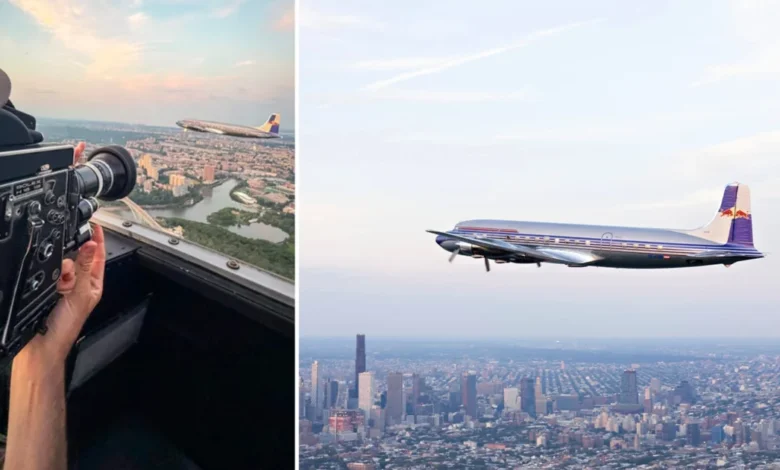
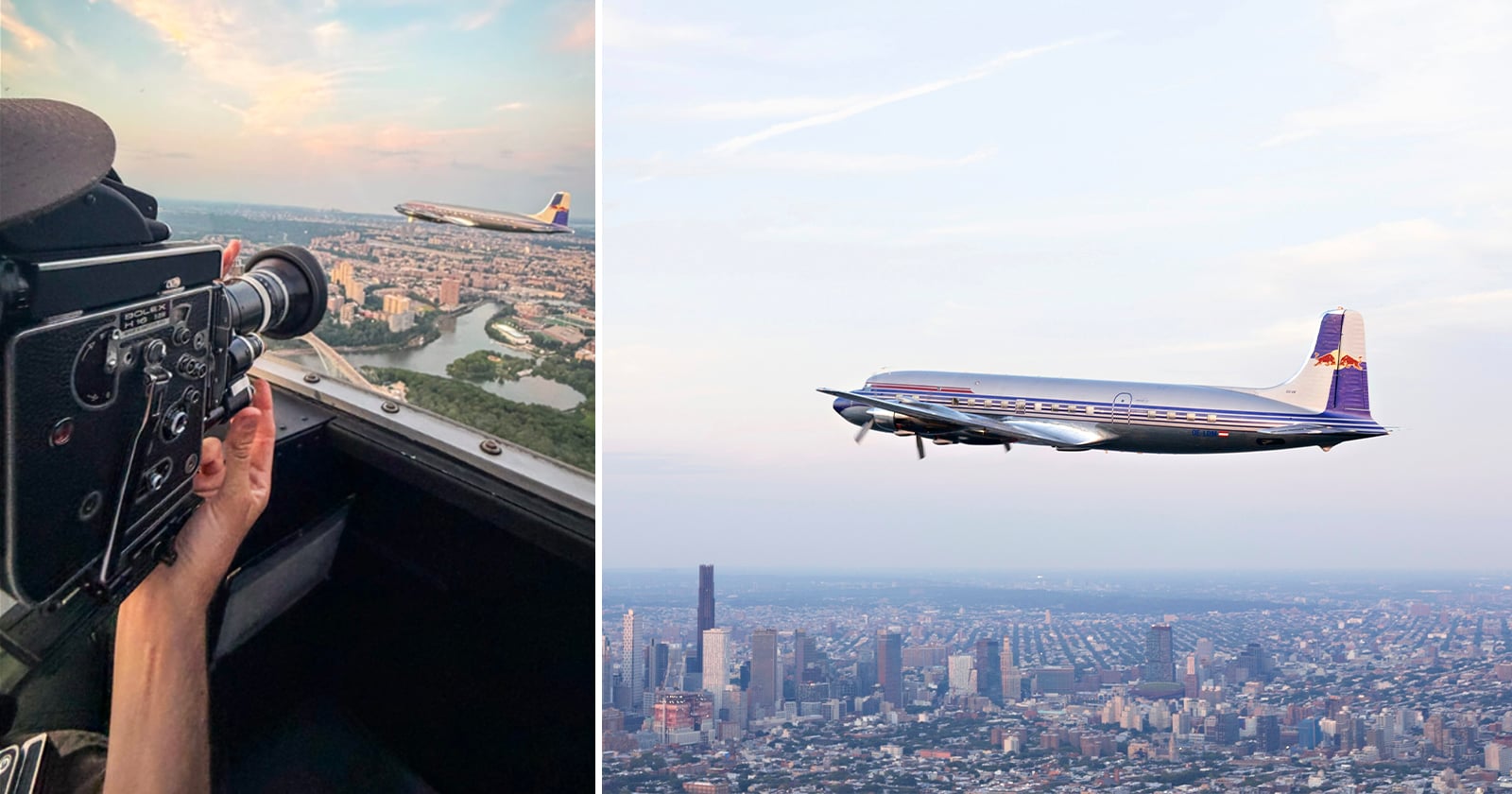
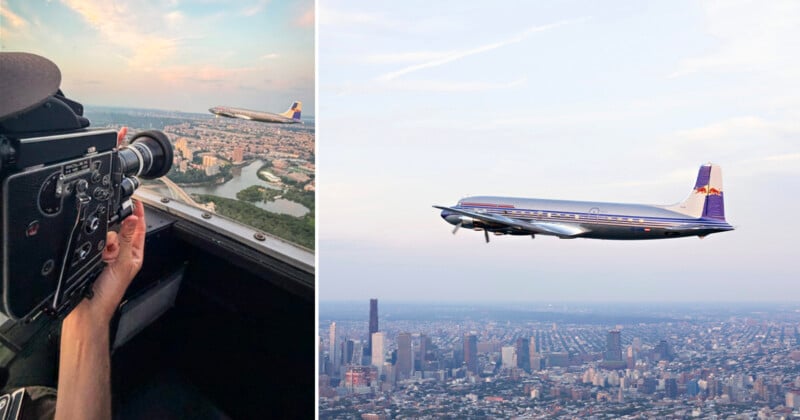
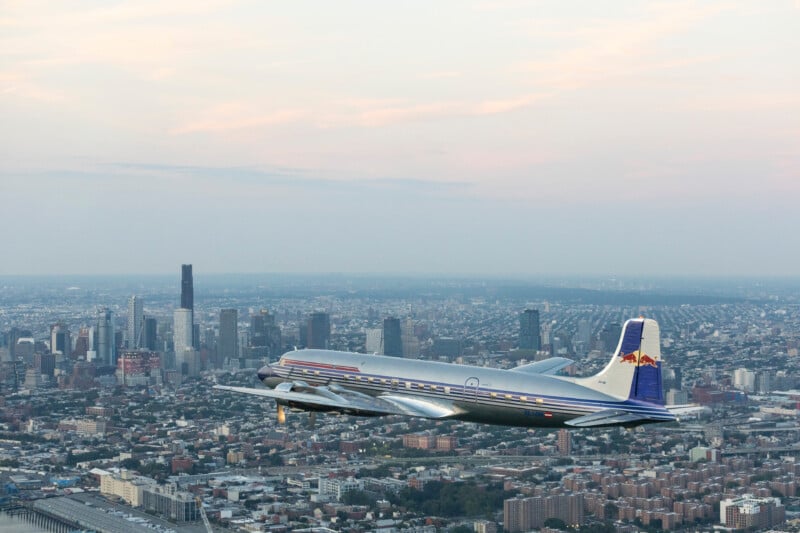
For the first time since its manufacture in Santa Monica, California, in 1958, the historic DC-6B aircraft, a jewel in Red Bull’s esteemed aviation collection, has soared once more over United States airspace. Its triumphant return commenced with a series of flights culminating over the iconic New York City skyline. To encapsulate the profound significance of this aircraft’s reemergence, the production team behind its documentation opted for an equally historically resonant approach: filming the majestic DC-6B using vintage Bolex motion picture cameras, artifacts from the same mid-20th century era. This ambitious project, aptly titled “DC-6 x Bolex,” sought to bridge the temporal divide, juxtaposing the contemporary lens of modern aviation storytelling with the inimitable visual character of analog film. Instead of relying solely on the ubiquitous digital cinema equipment of today, the team meticulously employed two Bolex cameras to capture the DC-6B as it ferried passengers on breathtaking flights across the expanse of New York City.
The genesis of this creative endeavor was a deliberate pursuit to forge a more profound connection between the storied past of the aircraft and the very tools employed to chronicle its modern-day revival. The objective transcended mere documentation; the production team aspired for the visual language of the footage itself to echo the epoch in which the DC-6B first graced the skies. By selecting vintage Bolex film cameras manufactured during the same period as the aircraft, the production achieved an unparalleled authenticity, imbuing the visuals with a timeless quality that pays homage to the DC-6B’s enduring legacy while simultaneously celebrating the enduring allure of analog filmmaking.
"The decision to film the DC-6B on Bolex cameras stemmed from a deep love and appreciation for film photography and motion pictures," stated the Red Bull Aviation team in an exclusive interview with PetaPixel. "There’s an intrinsic way it presents a subject with such unique authenticity, truly setting the tone for the DC-6B’s visit. This was especially poignant given that it had not flown over American soil since its construction in 1958 in Santa Monica. We wanted to celebrate the plane by capturing it with cameras from the very era it was built."
Echoes of 1958: Matching a Classic Aircraft with Analog Cameras
To authentically recreate the ambiance of the DC-6B’s original era, the production team meticulously selected two Bolex cameras whose manufacturing dates closely aligned with the aircraft’s timeline. The chosen instruments were a Bolex H16 Rex 3, manufactured in 1963, and a Bolex H16 SBM, produced in 1970. These selections represented the closest available vintage equipment that could evoke the spirit of the late 1950s.
"The Bolex cameras we utilized were a Bolex H16 Rex 3 from 1963 and a Bolex H16 SBM from 1970," the Red Bull Aviation team confirmed. "These were the closest production years we could find to 1958, the year the DC-6B was built. Our aim was to synchronize the visual medium with the historical subject matter."
Complementing these iconic cameras were carefully chosen Kodak VISION3 50D and 250D film stocks. The selection of these particular film emulsions was dictated by the prevailing lighting conditions during the flights. Given that a significant portion of the footage was captured during an evening flight encircling New York City, the production team prioritized film stocks that could expertly navigate the dynamic shifts in light while steadfastly preserving the inherent character of analog motion picture film.
"We paired the Bolex cameras with Kodak VISION3 50D and 250D film stocks," the Red Bull Aviation team elaborated. "These film types performed optimally based on the sun and available light, particularly as we filmed the majority of the footage during an 8 PM evening flight around the city. We felt this was the most effective and respectful way to document and celebrate the iconic DC-6B plane."
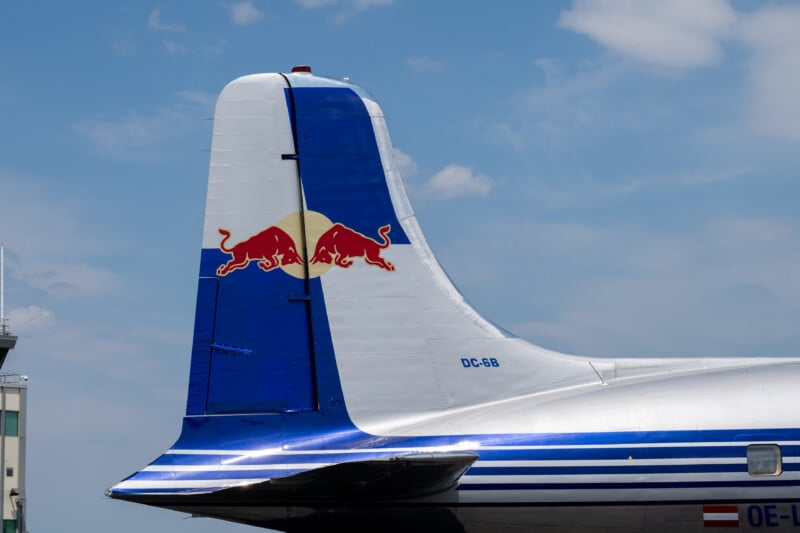
The DC-6B, a four-engine propeller airliner, was a dominant force in commercial aviation during the 1950s and 1960s. Manufactured by Douglas Aircraft Company, it represented a significant advancement in passenger air travel, offering unprecedented range, speed, and comfort for its time. Red Bull’s acquisition and meticulous restoration of a DC-6B, christened "The Flying Bulls," underscore a commitment to preserving aviation history and showcasing these magnificent machines in their element. This particular aircraft, with its 1958 origin, embodies a golden era of air travel, and its return to American skies after decades abroad carries a symbolic weight for aviation enthusiasts and historians alike.
Documenting History from the Cockpit: Aerial Cinematography Challenges
The act of capturing cinematic footage from another aircraft while in flight, soaring alongside the historic DC-6B, presented a formidable array of both creative and technical hurdles. The production team positioned themselves within the nose of a vintage aircraft, a World War II-era A26 Invader, grappling with the inherent realities of aerial cinematography while simultaneously operating cameras that had been in service for decades. This unique vantage point offered unparalleled views but also demanded extreme precision and adaptation.
"One of the most significant challenges we faced was overcoming the initial fear of flying in the nose of a World War II-era plane, coupled with the adjustment required to filming with a camera that was decades old, often in rather bumpy conditions," admitted the Red Bull Aviation team. The inherent vibration and motion of aerial photography, amplified by the age and mechanics of the Bolex cameras, necessitated a heightened level of skill and focus from the cinematographers.
While the experienced pilots from Million Air, the company responsible for piloting the camera planes, instilled a profound sense of confidence during the flights, the team revealed that the most substantial obstacle was confronting their own internal anxieties about filming in such an unconventional and exhilarating environment. Ultimately, the very nature of the vintage cameras became an integral part of the creative process, acting as both a tool and a psychological anchor.
"We had complete confidence instilled by the pilots from Million Air, who were expertly handling the camera planes," the team explained. "However, the primary challenge was more about our own internal apprehension. In the end, the camera provided us with a sort of ‘shield,’ allowing us to set aside our nervousness and fully immerse ourselves in the task of documenting the DC-6B over New York City in the most compelling way possible." The A26 Invader, chosen for its robust construction and stable platform, provided a fitting companion for the DC-6B, both representing significant milestones in aviation history.
Bridging Eras: Film Authenticity Meets Modern Narrative
While the project wholeheartedly embraced the tactile and aesthetic qualities of analog filmmaking, the production team recognized the imperative to present the resultant footage to contemporary audiences in a manner that was both engaging and accessible. The final social media presentation ingeniously integrated the completed film footage with a behind-the-scenes glimpse into the meticulous process by which cinematographer Khyber Jones captured the aircraft in its aerial ballet.
"The social media piece that was released remained true to the spirit of the original footage by incorporating a behind-the-scenes look at how Khyber Jones, our cinematographer, was able to capture the breathtaking shots over New York City," the Red Bull Aviation team articulated. This dual approach offered viewers not only the nostalgic charm of film but also an insight into the technical and artistic considerations involved in such a unique shoot.
The finalized footage underwent only a subtle color grading process. The production team made a conscious decision to preserve the authentic character of the film as it was returned from the Kodak laboratory in New York City. This commitment to minimal post-production intervention ensured that the raw, unadulterated beauty of analog film was showcased, allowing the unique grain, color rendition, and dynamic range of the VISION3 film stocks to shine through.
"There was a slight color grade applied to the footage, but beyond that, the footage is precisely as we received it from the Kodak Lab in NYC," the Red Bull Aviation team confirmed. "Our overarching goal was to remain steadfastly true to the art form of film and to genuinely honor that tradition, in parallel with honoring the DC-6B itself." This approach ensured that the project resonated with both purists of analog film and modern audiences accustomed to digital perfection, offering a unique blend of both worlds.
A Unique Perspective: New York City from the DC-6’s Vantage Point
Among the myriad of unforgettable moments captured during the flights, the production team specifically highlighted the DC-6B’s majestic pass over Central Park as one of the most profoundly memorable sequences. This iconic urban oasis provided a stunning backdrop, allowing for a unique juxtaposition of historical aviation with the heart of a bustling metropolis.
"Flying over Central Park was an utterly surreal experience, and capturing that particular segment was nothing short of incredible," the Red Bull Aviation team conveyed. "It is such an iconic landmark within New York City that we were practically giddy in the nose of the A26 Invader plane while filming the DC-6B fly over." The sheer scale and visual poetry of the scene, with the vintage airliner tracing a path above the verdant expanse, created a tableau that evoked a sense of wonder and timelessness.
The sophisticated formation flying, expertly executed by the pilots, allowed the filmmakers to capture the DC-6B from a precise distance and angle that accentuated both the aircraft’s impressive scale and its harmonious integration with the urban landscape. This carefully orchestrated aerial choreography was crucial to achieving the desired visual narrative.
"We maintained a perfect distance, which allowed our framing to work out exceptionally well," the team explained. "Those moments truly captured the spirit of the flyover and The Flying Bulls’ significant visit to NYC. It was a confluence of historical significance, aerial prowess, and artistic vision." The ability to capture such iconic landmarks from the perspective of a flying piece of history offered a fresh and deeply evocative interpretation of the city.
The Enduring Value of Creation Through Film
While this project was intrinsically linked to the celebratory return of a historic aircraft, the Red Bull Aviation team harbors a broader hope that the "DC-6 x Bolex" production will serve as an inspiration to creators everywhere. Their aspiration is to encourage a shift in focus, urging individuals to prioritize pursuing ideas that genuinely ignite their passion over the transient pursuit of fleeting trends. For the team, the deliberate choice to employ vintage film cameras was more than a mere stylistic flourish; it was a potent reminder that the creative process itself holds as much, if not more, significance than the ultimate outcome.
"Honestly, our advice is to not wait around to create. No matter what you’re going to shoot, just go and do it for yourself," the Red Bull Aviation team passionately advised. "Capture life, capture your surroundings, and let that be your inspiration. We believe more people simply need to create because they genuinely want to, not because they feel obligated or that it’s what they’re ‘supposed’ to do. The key is to stay true to yourself."
This foundational philosophy permeated every aspect of the "DC-6 x Bolex" project. The team intentionally opted for a less conventional and more challenging approach to document an aircraft that already carried the weight and legacy of decades past. By artfully pairing a vintage aircraft with vintage filmmaking equipment, the production succeeded in forging a powerful visual continuum between the past and the present. It demonstrated conclusively that even older creative tools, when wielded with vision and intent, can still offer unparalleled and unique perspectives that resonate deeply with audiences.
"Be different. Try to think outside of the box. Create for yourself, not for other people," the team reiterated. "Take a different path than everyone else and, above all, stay true to yourself." This ethos of individuality and authentic expression is a cornerstone of artistic endeavor, regardless of the medium.
Ultimately, the "DC-6 x Bolex" project stands as a compelling testament to the enduring power of storytelling. It underscores the critical insight that the effectiveness of a narrative is not dictated by the cutting-edge nature of the technology employed, but rather by the depth of vision and the intentionality behind the camera. Whether working with the tactile nature of film or the digital fluidity of modern tools, creators possess the boundless potential to discover novel approaches to even the most familiar subjects. This is achieved through a fearless embrace of experimentation and a steadfast commitment to producing work that feels undeniably authentic to their own unique perspective and artistic voice. The project not only celebrated a magnificent aircraft but also championed the timeless art of filmmaking.