Dior Transports Parisian Elegance to China with Immersive ‘Parisian Gardens’ Pop-Ups, Reinforcing Luxury Market Strategy

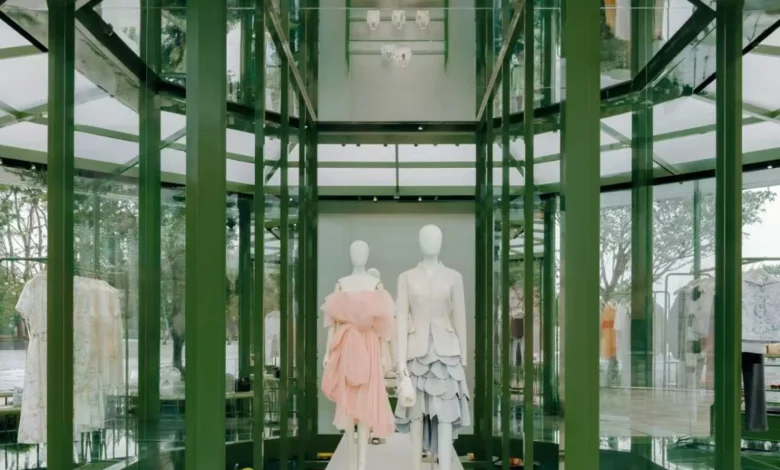
Dior has initiated a captivating cultural and retail endeavor in China, unveiling four distinct pop-up experiences that meticulously replicate the ambiance of its 2026 women’s runway show held at the historic Tuileries Garden in Paris. This ambitious undertaking, dubbed "Parisian Gardens," transforms bustling Chinese shopping centers into serene, open-air runway sets, effectively bringing a quintessential slice of French elegance and fashion spectacle to a crucial global market. The initiative underscores Dior’s strategic commitment to experiential retail and deep engagement with its Chinese clientele, blending high fashion with immersive cultural narrative.
The Parisian Gardens: A Symphony of History and Fashion
The inspiration for these elaborate pop-ups stems directly from the setting of Maria Grazia Chiuri’s 2026 women’s runway show, which utilized the grandeur of the Tuileries Garden as its backdrop. The Tuileries, a site steeped in French history, was originally commissioned by Catherine de’ Medici in the 16th century and later dramatically redesigned under the reign of Louis XIV. For centuries, it has served as an unofficial open-air theater, a place where, as Dior articulated in a statement, "the art of seeing and being seen" flourishes. This philosophy, central to the Parisian fashion experience, is now meticulously translated into a retail environment designed to run through the fall season, offering an extended engagement opportunity for consumers.
Visitors to the "Parisian Gardens" pop-ups are invited to step directly into an artfully recreated version of the runway space. A central feature is a pond dotted with water lilies, a direct homage to the Grand Bassin Octogonal, which formed the picturesque centerpiece of the Parisian runway set. Surrounding this tranquil water feature, Dior has installed tall, verdant trees, intricately designed French-style flowerbeds, and iconic green metal structures that echo the emblematic garden chairs of the Tuileries. These chairs are not merely decorative; they invite shoppers to pause, immerse themselves in the atmosphere, and engage in the very act of "people-watching" that defines the garden’s allure, thus completing the illusion of being transported to Paris. The meticulous attention to detail in replicating the natural and architectural elements of the Tuileries underscores Dior’s dedication to creating a holistic brand experience that transcends mere product display.
Strategic Footprint Across Key Chinese Cities
The "Parisian Gardens" pop-ups have been strategically deployed across four significant locations in China, reflecting a nuanced understanding of the country’s diverse luxury market. These locations include:

- Beijing, Sanlitun Southern District: Sanlitun is widely recognized as one of Beijing’s most vibrant and fashionable commercial districts, a magnet for luxury brands and discerning consumers. Its energetic atmosphere and high foot traffic make it an ideal location for a high-profile experiential activation like Dior’s. Beijing, as the capital, represents the pinnacle of China’s economic and cultural influence, and a presence here is paramount for any global luxury house.
- Shenzhen Bay MixC East Plaza: Shenzhen, a dynamic metropolis and a global technology hub, boasts a rapidly growing affluent population. The MixC shopping mall brand, known for its premium retail offerings, provides a fitting environment for Dior. Shenzhen’s consumers are often characterized by their tech-savviness and a strong inclination towards contemporary luxury, making it a critical market for innovation and trend-setting activations.
- Xiamen MixC Mall: Xiamen, a picturesque coastal city, is a prominent "second-tier" city experiencing significant economic growth and rising consumer purchasing power. Its inclusion signals Dior’s strategy to broaden its reach beyond the traditional Tier 1 megacities and tap into emerging luxury markets where brand loyalty is still being cultivated.
- Shenyang MixC Mall: Similarly, Shenyang, a major industrial and economic center in Northeast China, represents another vital second-tier market. The city’s growing middle and upper-middle classes are increasingly seeking luxury goods and experiences, presenting a substantial opportunity for brands like Dior to expand their customer base and establish a strong regional presence.
The deliberate choice to include Xiamen and Shenyang alongside Beijing and Shenzhen highlights a broader trend in the luxury industry: the increasing importance of China’s "new tier one" or "second-tier" cities. These urban centers, characterized by robust economic development, significant infrastructure investment, and a burgeoning affluent consumer base, are becoming crucial growth engines for luxury brands. According to market intelligence reports, luxury consumption in these cities has been growing at a faster pace than in traditional Tier 1 cities, driven by increasing disposable incomes, sophisticated tastes, and a desire for global luxury experiences. By establishing a strong physical presence and offering immersive experiences in these markets, Dior is not only capturing immediate sales but also cultivating long-term brand affinity and market share among a new generation of luxury consumers. This expansion strategy allows Dior to diversify its market risk and capitalize on the nationwide distribution of wealth and consumer aspirations.
Curated Collections and Exclusive Launches
Within these temporary retail gardens, which Dior describes as evoking "the real and imaginary," the French luxury maison is showcasing the latest collections from its creative director, Maria Grazia Chiuri. The pop-ups feature a curated selection of Dior’s iconic creations, with a particular emphasis on its key leather goods designs. Prominently displayed are revered pieces such as The Lady Dior, a timeless symbol of elegance; the Dior Promenade, known for its versatile sophistication; the Dior Toujours Hobo, a modern classic; and the Dior Archie, reflecting contemporary design sensibilities. This focused presentation allows visitors to interact with and appreciate the craftsmanship and heritage embedded in each piece.
Adding an exclusive layer to the experience, Dior is also using these pop-ups to launch a limited-edition range built around the charming "Dior Heart" motif. This special collection includes a dress adorned with the distinctive motif, a delicate mitzah scarf, and a chic scrunchie, all covered in a constellation of vibrant red hearts. Complementing these are elegant card holders embossed with the outline of blown-up hearts. The timing of this exclusive launch is strategically aligned with the Qixi Valentine’s Day in August. Qixi, also known as the Qiqiao Festival, is a traditional Chinese festival celebrating the annual reunion of the mythological Cowherd and Weaver Girl. It has evolved into China’s equivalent of Valentine’s Day, a significant occasion for gift-giving and romantic gestures. By introducing these heart-themed exclusives just in time for Qixi, Dior effectively taps into a culturally resonant moment, enhancing the desirability and emotional connection of these special items with its Chinese clientele. This localized product strategy demonstrates Dior’s understanding of Chinese cultural nuances and its ability to tailor offerings to specific market demands and celebrations.
High-Profile Celebrity Engagement
To amplify the launch and maximize reach, Dior hosted a high-profile celebrity event at its Shenzhen pop-up. The event drew a constellation of prominent figures, including brand ambassadors Li Yunrui and Wang Churan, acclaimed Chinese actress Aimi, and celebrated Chinese professional snooker player Wu Zeyi. The presence of these influential personalities is a cornerstone of luxury brand marketing in China. Brand ambassadors and celebrities wield immense power in shaping consumer perceptions and driving engagement across various digital platforms.
In the highly competitive Chinese luxury market, celebrity endorsements are not just about visibility; they are about credibility and aspiration. Li Yunrui and Wang Churan, with their significant fan bases, help to connect Dior with younger, digitally-savvy consumers. Aimi’s presence brings an element of cinematic glamour, while Wu Zeyi’s involvement broadens the brand’s appeal to diverse demographics. These celebrities’ social media posts, featuring them interacting with the "Parisian Gardens" environment and showcasing the exclusive collections, generate substantial buzz and virality. This strategy effectively bridges the physical immersive experience of the pop-ups with the vast digital landscape of Chinese social media (such as Weibo, WeChat, and Little Red Book), ensuring that the message reaches millions beyond those who can physically visit the pop-ups. This omnichannel approach is critical for luxury brands aiming for deep market penetration and sustained engagement in China.

Broader Implications for Dior’s China Strategy
Dior’s "Parisian Gardens" pop-ups represent more than just a temporary retail activation; they are a sophisticated manifestation of the brand’s overarching strategy for the crucial Chinese market. China continues to be the largest and fastest-growing luxury market globally, accounting for an estimated 35-40% of worldwide luxury sales. Despite global economic fluctuations, the resilience and potential of Chinese consumer spending on luxury goods remain unparalleled.
This initiative underscores several key strategic implications:
- Experiential Retail as a Pillar: In an increasingly digital world, luxury brands are recognizing the enduring power of physical, immersive experiences. These pop-ups are not merely points of sale but elaborate brand temples designed to evoke emotion, tell a story, and deepen brand connection. They offer a multi-sensory journey that cannot be replicated online, fostering a stronger bond between the consumer and the brand’s heritage and values.
- Market Penetration Beyond Tier 1: The inclusion of Xiamen and Shenyang highlights Dior’s strategic intent to capture growth in China’s rapidly developing second-tier cities. As disposable incomes rise and consumer tastes evolve across the country, these cities represent untapped potential and future growth engines for luxury brands. Early and strong engagement in these markets can yield significant long-term returns.
- Cultural Sensitivity and Localization: The timing of the "Dior Heart" exclusives for Qixi Festival demonstrates a keen awareness of Chinese cultural celebrations. Successful luxury brands in China often blend global brand identity with localized marketing and product strategies, showing respect for local traditions and enhancing relevance for Chinese consumers.
- Omnichannel Integration: The pop-ups serve as powerful physical touchpoints that are seamlessly integrated with Dior’s digital presence. Celebrity endorsements and social media amplification ensure that the physical experience translates into widespread digital engagement, creating a holistic customer journey that spans both online and offline channels. This integrated approach is vital for reaching a broad and diverse consumer base in China.
- Competitive Differentiation: In a highly competitive luxury landscape, these unique, immersive experiences help Dior differentiate itself from rivals. By offering a memorable and exclusive "slice of Paris," Dior reinforces its image as a leader in fashion and luxury, capable of delivering unparalleled brand experiences.
In conclusion, the "Parisian Gardens" pop-ups are a testament to Dior’s sophisticated and multi-faceted approach to the Chinese luxury market. By meticulously recreating the magic of its Parisian runway show, strategically targeting key urban centers, launching culturally resonant exclusives, and leveraging high-profile celebrity power, Dior is not only driving sales but also cultivating deep brand loyalty and expanding its footprint in the world’s most vital luxury market. This initiative solidifies Dior’s position as a visionary leader, adept at blending heritage with innovation to captivate the contemporary global consumer.