The Summer of Soccer Culminates: How the 2026 FIFA World Cup Shattered Records and Reshaped Brand Strategies

The roar of the crowd is reaching its crescendo as the 2026 FIFA World Cup, a global spectacle that has captivated billions, winds down its final weekend. This year’s tournament has not merely been a series of football matches; it has evolved into a cultural phenomenon, shattering viewership records and transforming athletes into household names on an unprecedented scale. As Spain and Argentina prepare to battle for the ultimate prize and England and France vie for third place, the final matches are projected to draw an astonishing 1.8 billion viewers, solidifying their place as the most-watched television event in history, according to market research firm Business Stats. Beyond traditional television, the digital realm has experienced an equally seismic impact, with FIFA reporting a staggering 20 billion social media views generated by viral moments from the tournament across its official platforms alone.
A Global Stage for Superstars and Emerging Icons
The World Cup has long been a fertile ground for cultivating athletic greatness, and the 2026 edition has been no exception. Emerging from the global spotlight are individuals who have transcended their sport to become bona fide international celebrities. Among them, Norway’s Erling Haaland has seen his already formidable following explode, amassing an estimated 25 million new followers on social media during the tournament, as reported by Forbes. Equally remarkable is the meteoric rise of Cabo Verde goalkeeper Vozinha. His journey from a modest 50,000 Instagram followers to over 29 million, as documented by the BBC, exemplifies the transformative power of a single standout performance on the world’s biggest stage. These individual narratives underscore the tournament’s capacity to launch careers and redefine public perception.
Wellness Brands Capitalize on the Global Unifier
While players bask in the glory of individual achievement, a different segment of the market has also found significant success: wellness brands. Companies like Unilever, Therabody, and Oura Ring have strategically positioned themselves within the World Cup ecosystem, recognizing the tournament’s unique ability to transcend cultural and political divides. Doug Sweeny, Chief Marketing Officer at Oura, articulated this sentiment, stating, "We’re [all living] in this very fast-paced, divisive world with AI and political division and unrest, but sport takes all that away and brings everybody together in a really nice way. We wanted to be a part of that." This sentiment reflects a broader understanding among forward-thinking brands that the unifying power of sport offers an unparalleled opportunity for connection and engagement.
Oura’s Strategic Play: From Wearables to World-Class Ambassadors
Oura, a company specializing in smart rings that track sleep, activity, and readiness, made a significant investment in its presence at the 2026 World Cup. Their strategy involved a multi-pronged approach, beginning with a foundational partnership with U.S. Soccer. Announced in April, this collaboration established Oura as the official wearable of Team USA and a founding partner of the forthcoming Arthur M. Blank U.S. Soccer National Training Center near Atlanta. This move signaled a long-term commitment to American soccer development and provided a crucial platform for brand visibility within a key market.
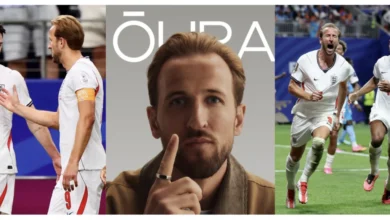
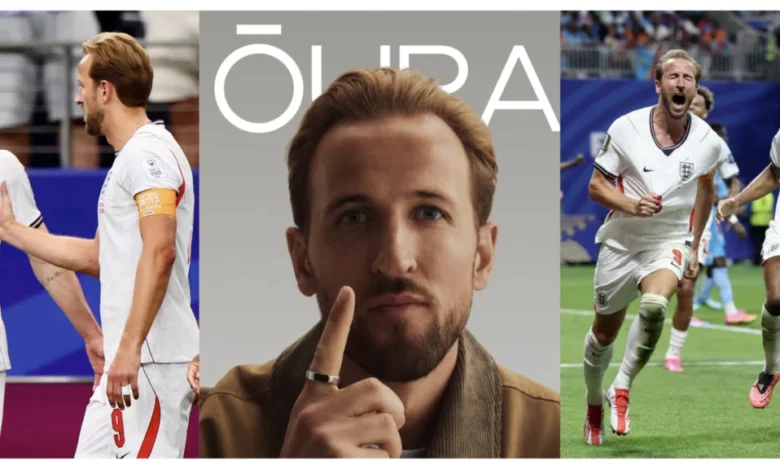
However, Oura’s most impactful and widely discussed initiative was its recruitment of England’s co-captains, Harry Kane and Declan Rice, as official ambassadors. This partnership, launched on the first day of the tournament, centered on showcasing how these elite athletes prepare for and recover from matches, emphasizing pillars of performance such as rest, training, and sleep. The campaign’s core message, "If it’s good enough for an elite athlete, it’s good enough for a consumer," resonated deeply with the target audience. Sweeny explained, "It definitely gets translated like that [for consumers]," highlighting the aspirational appeal of associating with world-class athletes. He further elaborated on the strategic importance of these ambassadorships, viewing them as critical top-of-funnel awareness drivers in a consumer journey that often requires eight to ten touchpoints to convert to a purchase of their $399 or $499 Oura ring.
The timing of this campaign proved particularly opportune. As reported by Variety this week, the semi-final match between England and Argentina on July 15th drew over 15 million viewers, making it the most-watched World Cup semi-final telecast in English-language history. This immense viewership provided a colossal platform for Oura’s messaging, directly connecting their brand with moments of peak athletic performance and national pride.
Navigating Challenges and Maximizing Opportunities
Despite the overall success of the Kane and Rice campaign, Oura encountered some challenges in securing similar ambassadorial roles with U.S. players. Sweeny candidly admitted, "We were scrambling." He elaborated on the logistical complexities, stating, "We need to work across multiple teams, with the medical staff and the training group [for the team], and it was hard to get in front of that for the men’s side beyond supporting the overall team." This highlights the intricate coordination required to integrate brand partnerships within national team structures, especially during a high-stakes tournament.
Fortunately, Oura’s strategic bet on England yielded significant dividends. Harry Kane, much like emerging stars Haaland and Vozinha, emerged as one of the tournament’s standout performers. His impressive tally of six goals and one assist positioned him as a strong contender for the Golden Boot, FIFA’s top-scoring honor, and propelled England into the third-place playoff. His personal brand also experienced a substantial boost, with Yahoo Sports reporting a gain of 1.2 million Instagram followers during the tournament.
Oura strategically leveraged Kane’s and Rice’s popularity within the United Kingdom, a key market for the company, ranking as its third-largest globally, with the U.S. holding the top position. The brand implemented a sophisticated advertising strategy, wrapping advertisements around the iconic Harrods department store in London, which features a dedicated "white glove" counter for personalized customer experiences. Furthermore, Oura ensured its ads were broadcast during every global telecast of England’s matches. This focused approach led to a surge in Oura’s web traffic with each advertising push, demonstrating a direct correlation between World Cup visibility and consumer interest.
"The sheer volume of the eyeballs and impressions that [we’re] getting is just through the roof, and they keep over-delivering, which is great," Sweeny remarked to Glossy, underscoring the exceptional return on Oura’s multi-faceted investment in reaching World Cup viewers. This World Cup campaign represented one of Oura’s most substantial investments in its eleven-year history, a commitment Sweeny likened to the advertising expenditure during the crucial fourth quarter, the most significant selling period for consumer electronics. "This [World Cup campaign] sort of rivals that in terms of the investment," he stated, acknowledging the considerable expense associated with such a global undertaking.
The Inherent Risks and Strategic Learnings of Sports Sponsorship
The landscape of sports sponsorship is inherently dynamic and carries inherent risks. The unpredictable nature of athletic performance, coupled with the possibility of injuries or unexpected team outcomes, means that brands are often betting on variables beyond their control. For instance, Declan Rice missed a full game and a significant portion of another due to illness, potentially limiting his opportunities for viral moments that could have propelled him even further into the global consciousness.
The emergence of English striker Jude Bellingham as another tournament sensation, scoring six goals and attracting 8 million new social media followers according to Yahoo Sports, naturally led to a retrospective thought from Oura. Sweeny, with a chuckle, admitted, "I think probably yes," when asked if they wished they had also signed Bellingham, adding, "[Plus,] he’s so charming." This candid observation highlights the perpetual strategic challenge of identifying and securing the next breakout star.
Despite such close calls, Oura appears to be adept at identifying winning opportunities. The company’s strategic sports investments have been a consistent theme. In 2023, they became the official sponsor of the New York Knicks, a partnership that gained significant traction following the team’s NBA Championship victory. Prior to the World Cup, Oura also announced its role as the official wearable of the U.S. Tennis Association and currently serves as the official wearable for the U.S. Olympic and Paralympic teams, demonstrating a broader commitment to athletic excellence across various disciplines.
Looking Ahead: Building on World Cup Momentum for Future Global Events
The insights and experiences gained from the 2026 FIFA World Cup are already shaping Oura’s strategic roadmap for future major sporting events. Sweeny is actively translating these learnings into plans for the 2027 Women’s World Cup in Brazil and the 2028 Olympic Games in Los Angeles.
While the U.S. Men’s National Team has yet to reach a World Cup final, the U.S. Women’s National Team boasts an unparalleled legacy, having secured four World Cup titles in 1991, 1999, 2015, and 2019. Oura’s partnership with the U.S. Women’s National Team dates back to 2020, and Sweeny indicated a significant deepening of this investment for the upcoming tournament. "Given how bullish we are on that team [we plan to do a lot next year]," Sweeny stated with conviction. "That team is formidable!" This proactive approach underscores Oura’s belief in the enduring appeal and commercial potential of women’s sports, particularly when anchored by a historically dominant and globally recognized team. The 2026 FIFA World Cup has served not only as a platform for athletic achievement but also as a crucial testing ground and a powerful springboard for brands like Oura, demonstrating the profound and lasting impact of global sporting events on consumer engagement and brand strategy.